Fascinating facts about the #monsters of #myth, #legend, #folklore and pop culture! Curated by me, Jamie Lee. Tweet me and suggest a monster for me to cover!
Welcome to The Monstrous Bestiary! My name is Jamie, and I'm looking forward to researching and sharing fascinating facts about my favourite monsters from myth, legend and popular culture. I'll cover one monster for a while, then move on to another. Let's get started! 😀
@6f9Fozzgese0ifx Yeah, I agree. He gets a lot of hate but the Tom Bombadil stuff is one of my favourite parts of the Lord of the Rings books. There's an eerie, mystical, folkloric quality to it that doesn't really come up again.
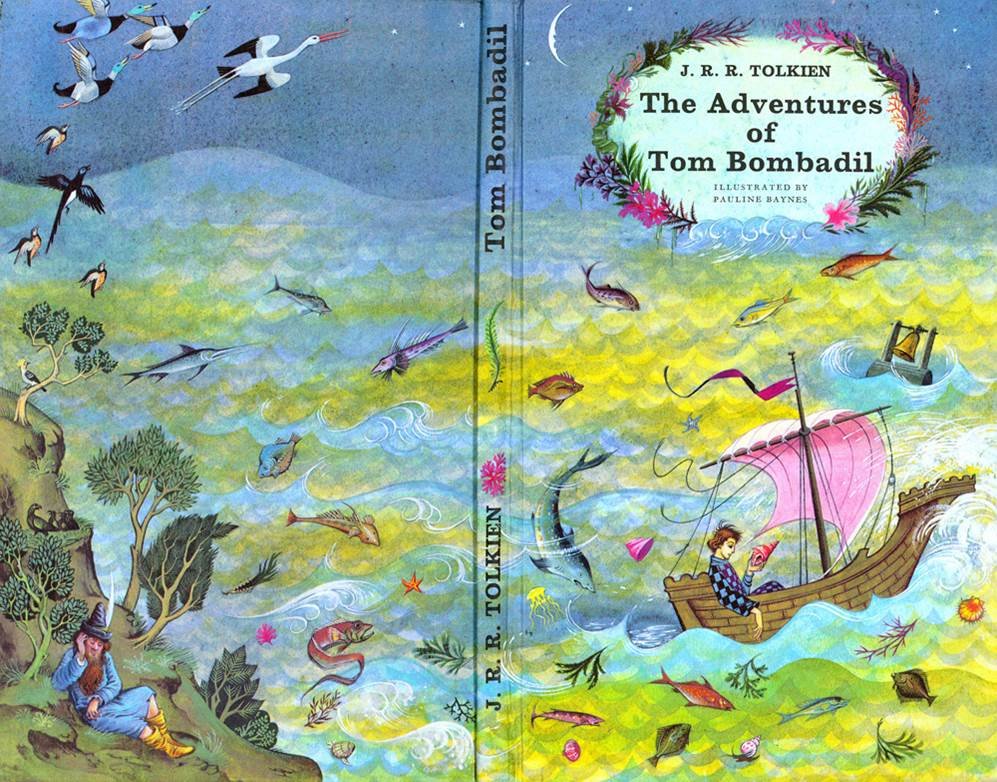
A later Old English translation of the Physiologus renames the aspidochelone the 'fastitocalon'. This is the name J. R. R. Tolkien chose to use when the monster appears in 'The Adventures of Tom Bombadil'. This places an ocean island monster in the legendarium of Middle Earth!
It's believed that the fastitocalon, aspidochelone, lyngbakr and other 'monster islands' were invented by ancient fishermen to explain real phenomena such as pumice rafts or 'vanishing islands' - islands that are exposed at low tide but submerged at high tide.
The aspidochelone isn't the only fantastical creature described in the Physiologus. Others include the phoenix, sirens, ass-centaurs (!) and unicorns. It also mentions the ichneumon which, as we discovered back in May, is a mongoose from which the cockatrice 'evolved'!
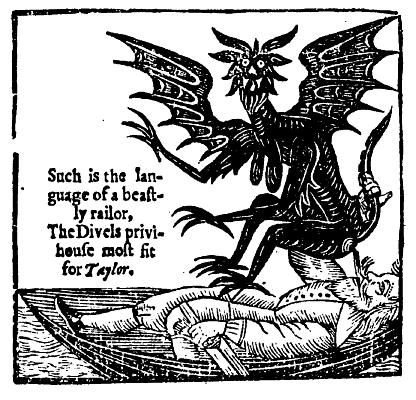
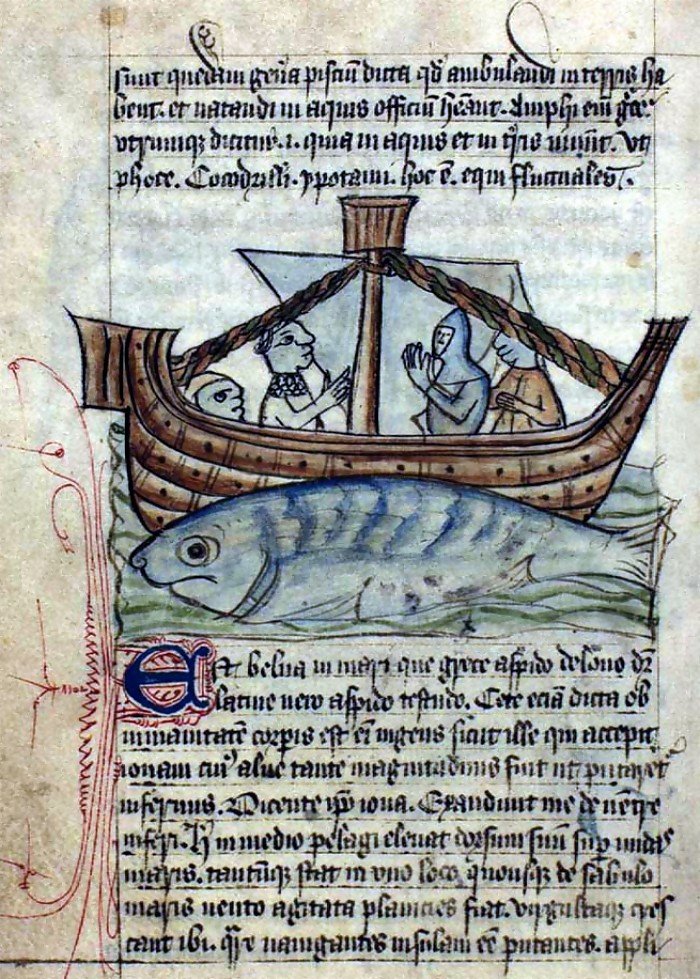
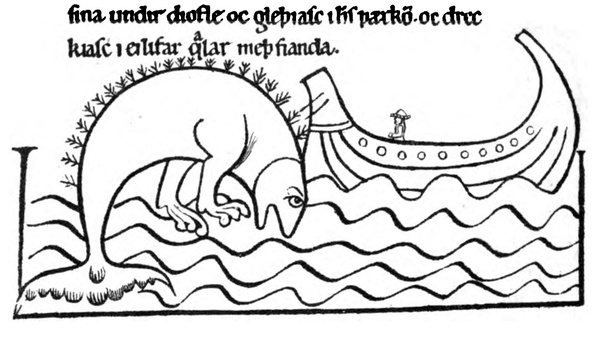
In the Physiologus, the aspidochelone is used to deliver a Christian lesson. Tying your ships to the monstrous 'island' is like getting tied up with the Devil - in both cases you're going to get dragged down to a terrible fate (though not necessarily the one depicted here).
@Impossibilus I'd actually already seen it, but apparently I didn't read it very thoroughly - on a second reading I noticed a few interesting details I somehow missed the first time.
The Physiologus seems to be a little confused concerning the genealogy of the monstrous aspidochelone. The name itself means 'asp-turtle', suggesting something reptilian, but the text describes the creature as a 'great whale'.
@Impossibilus That's interesting - I haven't come across that specific piece of folklore for the aspidochelone in my research. Do you have a source I could take a look at?
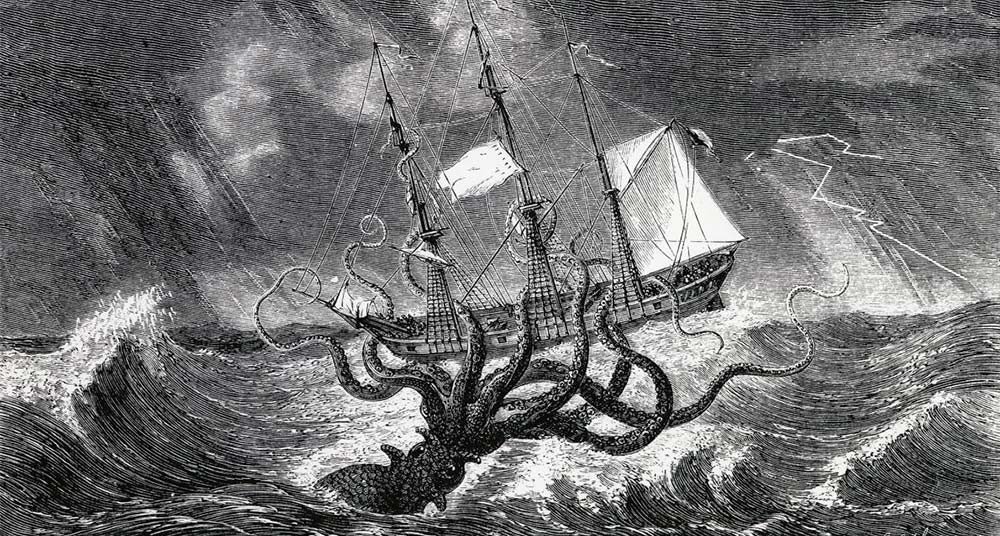
It's believed that both the lyngbakr and the kraken (originally named the 'hafgufa'!) are based on the same even older monster - the aspidochelone. This monster was first mentioned in the Physiologus, a 2nd century Christian text by an unknown author.
The lyngbakr is described in a 13th century Icelandic saga as being the biggest whale in the ocean, with a back covered in heather that can be mistaken for an island. When a crew landed on the island the lyngbaker would dive, drowning the unwary sailors.
The first reference to the kraken being mistaken for an island occurs in Erik Pontoppidan's 'Det første Forsøg paa Norges naturlige Historie' (1752), but he may have been confusing the creature with another Scandinavian island monster - the even bigger lyngbakr.
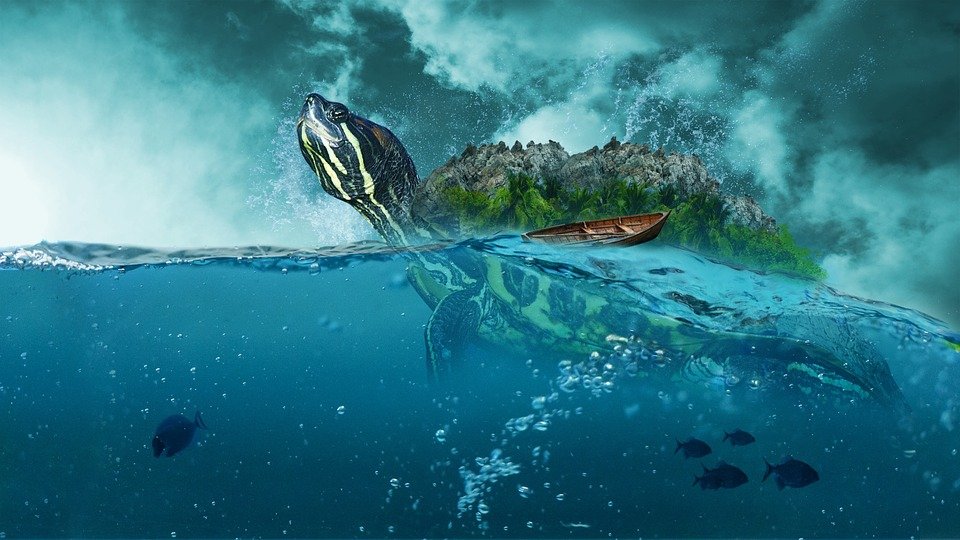
Land ahoy! Or is it? It's time to explore the mysterious interior of MONSTER ISLANDS. No, not islands populated with monsters Dr Moreau style - islands that actually ARE monsters! If you thought the kraken was the only legendary giant of the ocean, guess again...
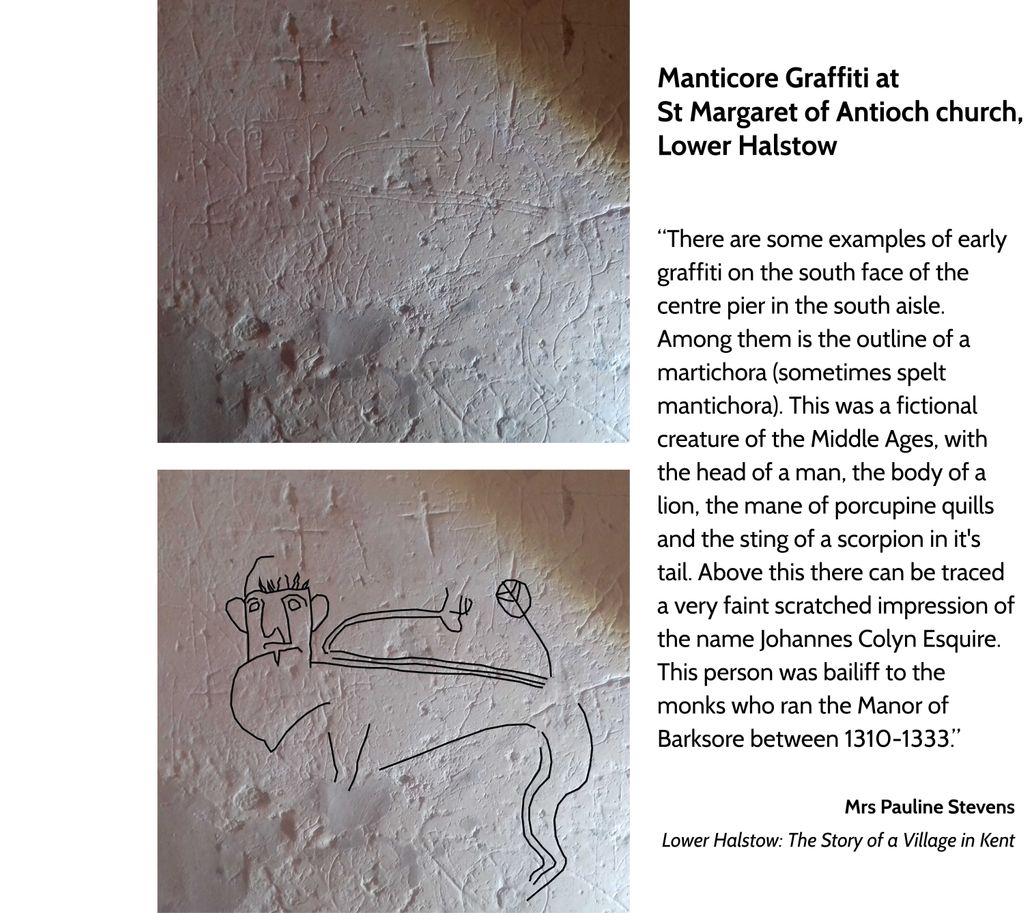
I'm delaying the monster islands series to bring you this fascinating example of medieval manticore graffiti! Many thanks to church warden of Lower Halstow, Christopher Mayes, for providing the details and photograph, and to @TheSacredIsle for pointing me in the right direction.
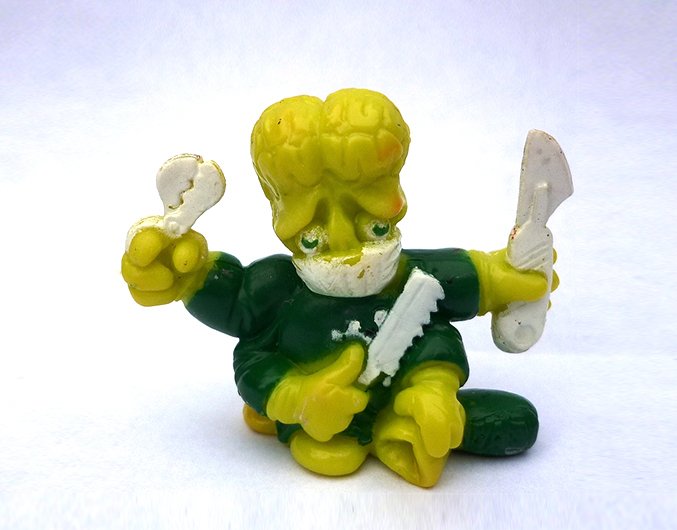
I don't believe Monster In My Pocket ever made a disembodied brain figure, so here's Dr Braindrain from the P.E.T. Alien collection instead. Our foray into more modern monstrosities is now at an end. Next we return to myth and legend with a brand new series on MONSTER ISLANDS!
@Monsters_Roar Oh, and Dave Lister the ultimate likeable space bum was reduced to a brain in a jar (with his old dreadlocks tied to the lid!) in an episode of Red Dwarf - that said, it was an alternate future where he'd aged into a somewhat amoral, self-serving person.
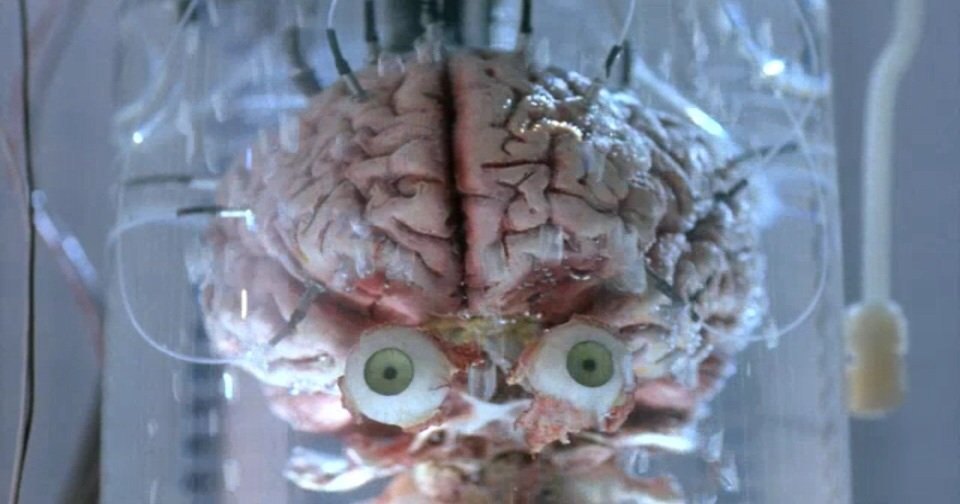
There are countless TV shows, movies and comics featuring disembodied brains. Why do we find them so mesmerising? My theory is that they're symbols of our anxieties concerning a lack of control and agency, despite our intelligence and the growing collective knowledge of mankind.