Longleaf forests once covered 90 million acres of the Southeast. Today, only a small fraction remains. Through its Longleaf Landscape Stewardship Fund, @NFWFnews and partners are planting new longleaf across North Carolina. This #WorldPlantingDay, we celebrate every tree planted.
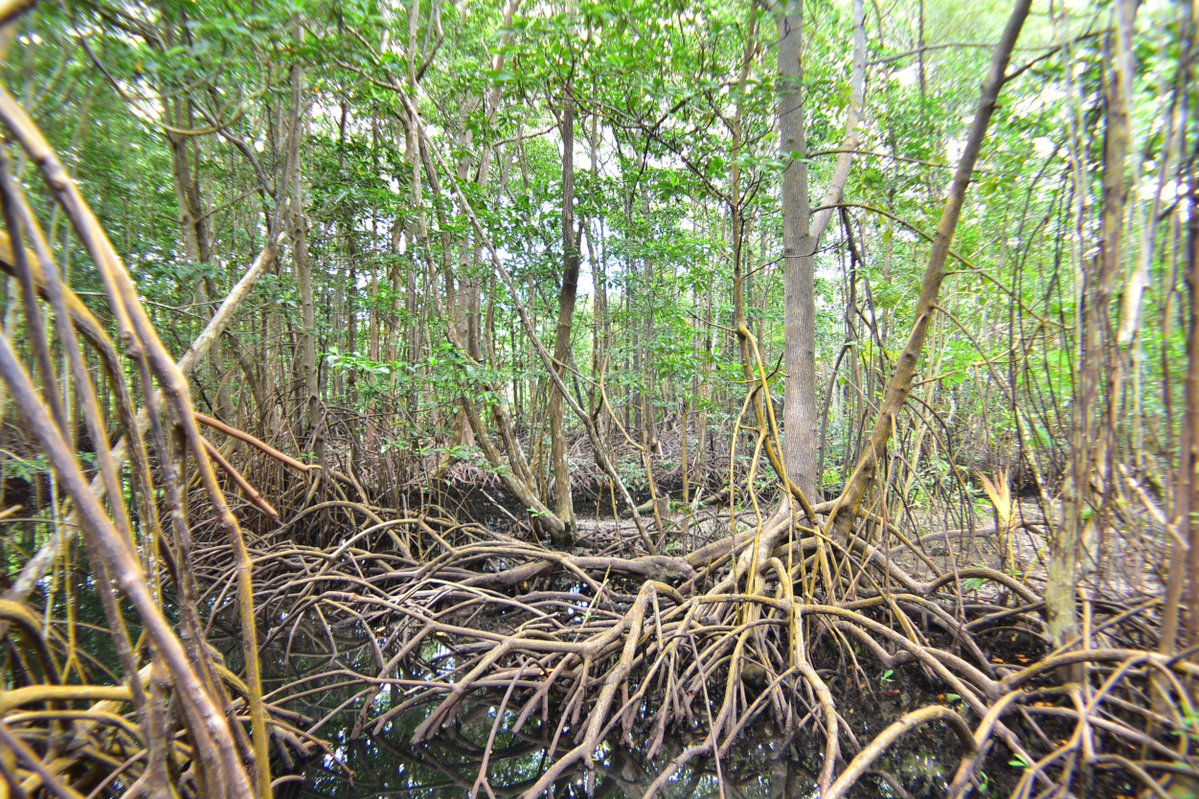
Panama’s extraordinary marine ecosystems are worth protecting. A new Bloomberg report examines the proposed Puerto Barú port development, raising important questions about its potential environmental impact. Read the full story at https://t.co/61AaCFTQbK.
Battery Island in the Lower Cape Fear River hosts North Carolina's largest colony of nesting wading birds. @AudubonNC has completed permitting and early design for a resilience project to protect its eroding shoreline. 🐦 Learn more: https://t.co/sFE1WaTmDW
This week, #COP17 is underway in Yerevan, Armenia, where countries are reviewing progress toward the Kunming-Montreal Global Biodiversity Framework for the first time. Protecting species and diverse ecosystems starts with shared goals. https://t.co/TLxnCYidZI
Ospreys are a strong indicator of coastal health, and their recovery on Long Island is a conservation success. Group for the East End keeps it on track by monitoring roughly 600 nest sites and reducing nesting hazards. 🦅 https://t.co/X1nv8MzT9L
Indicator species act as early warning systems. Rio Grande cutthroat trout, ospreys, coral, and nesting waterbirds all reveal changes in water quality and habitat before problems surface elsewhere, which is why MCF partners monitor them closely. 🐟
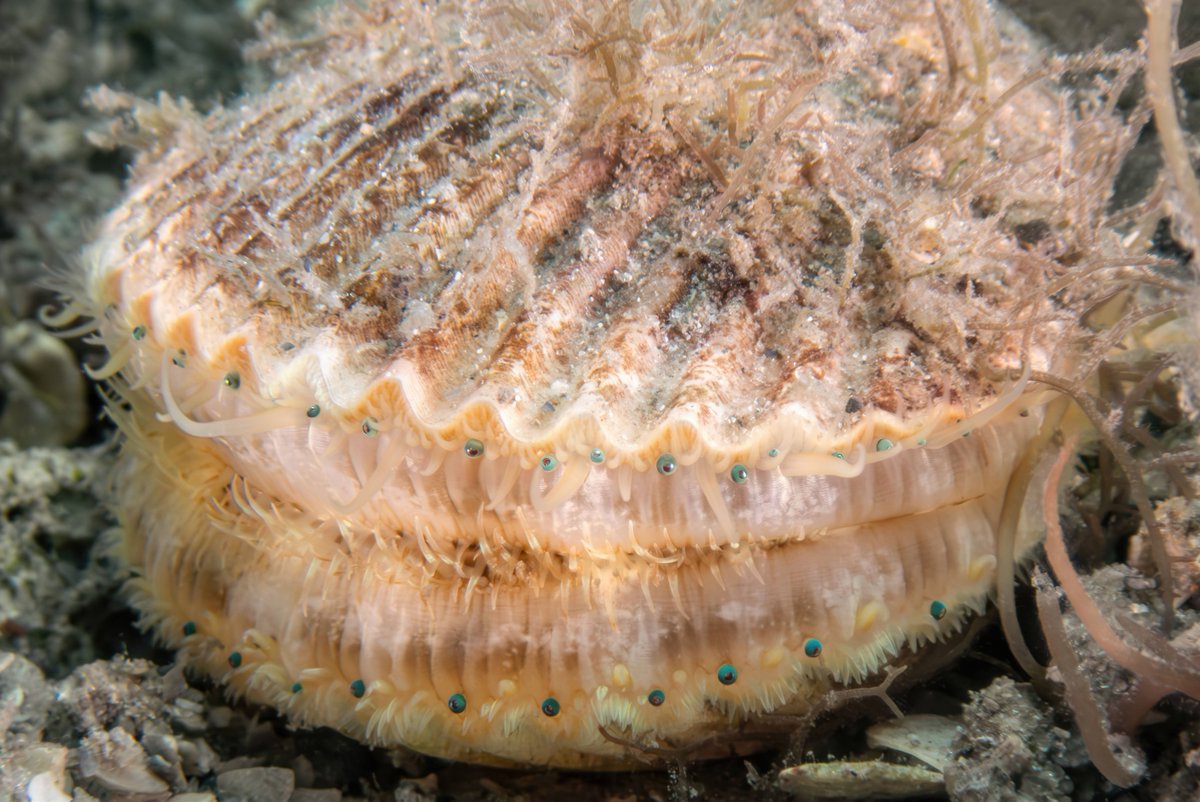
Peconic bay scallops have dozens of bright blue eyes and help keep Long Island's bays clear as filter feeders. @BackToTheBays is restoring this keystone species through its hatchery. 🦪 https://t.co/f8A3dB3uRp
Easy to overlook, red-cockaded woodpeckers carve cavities into living pines that later shelter many other species. @NFWFnews is restoring the longleaf forests this keystone species needs in NC through prescribed burning and collaborative conservation. 🌲https://t.co/9IWuxl8b9Y
Sharks are a keystone species, keeping marine food webs in balance. The Shark Conservation Fund is working to restore threatened species in Pacific Panama, strengthen marine protected areas, and reduce trade-driven deaths. 🦈 https://t.co/rA1k4yTHGq
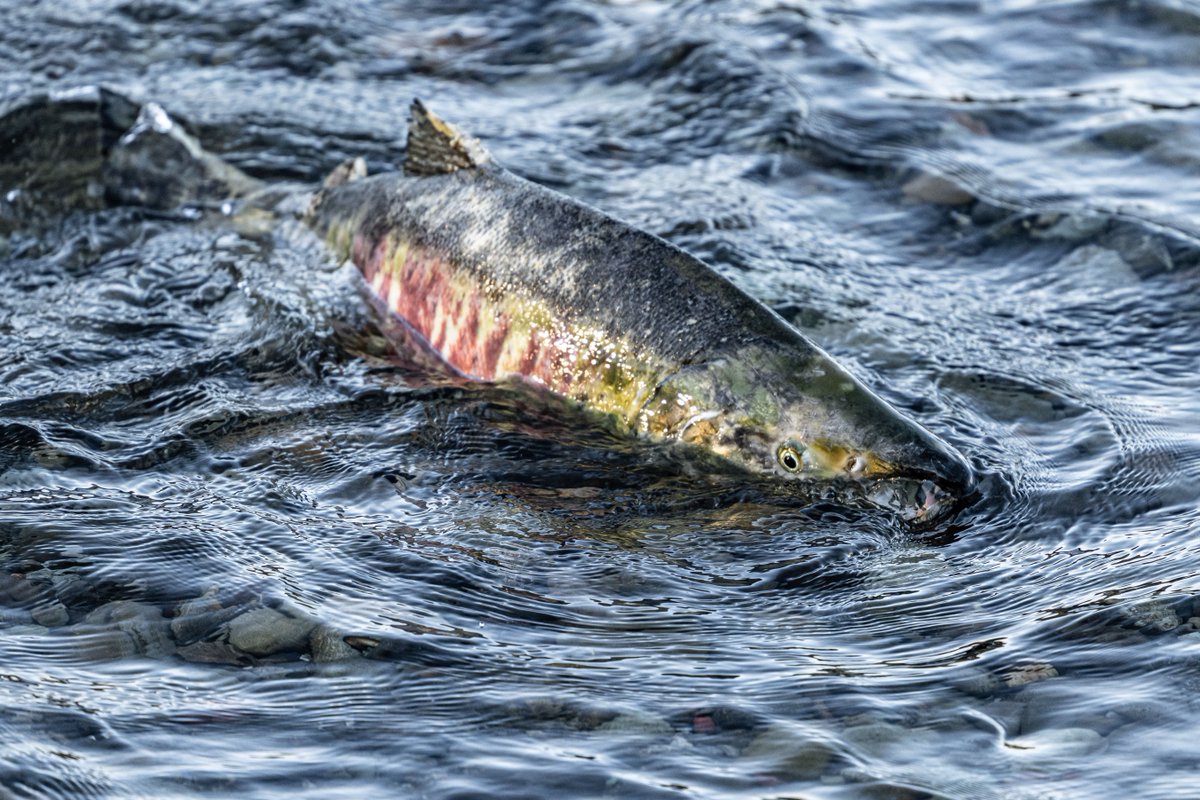
Salmon are a keystone species, feeding wildlife and Alaska Native communities on the Kuskokwim River. The proposed Donlin Gold Mine puts that at risk. We're grateful to work with the Mother Kuskokwim Tribal Coalition to safeguard them. 🐟
A keystone species has an outsized effect on its ecosystem. Remove it, and everything shifts. This week, we're spotlighting four keystone species our partners protect: wild salmon, sharks, red-cockaded woodpeckers, and bay scallops. 🐟🦈🐦
The Leatherback Project uses satellite tags to track hawksbill sea turtles in #Panama's Gulf of Chiriquí, mapping how feeding areas connect to protected waters like Coiba National Park. That data is key to protecting them from coastal development. 🐢 https://t.co/tWB9QbkekB
From Long Island's ospreys to royal terns and egrets on the NC coast and waterfowl along the Atlantic Flyway, millions of birds are heading south, connecting ecosystems across continents. This #WorldMigratoryBirdDay, we're grateful to the partners safeguarding their habitat. 🐦
Good news for forests 🌲 A UK plan for a 1.2GW data center powered by burning wood pellets has hit major setbacks. Thank you to Biofuelwatch for raising awareness of the impacts of industrial bioenergy. We are proud to stand with them. https://t.co/x7BEu6xnxo
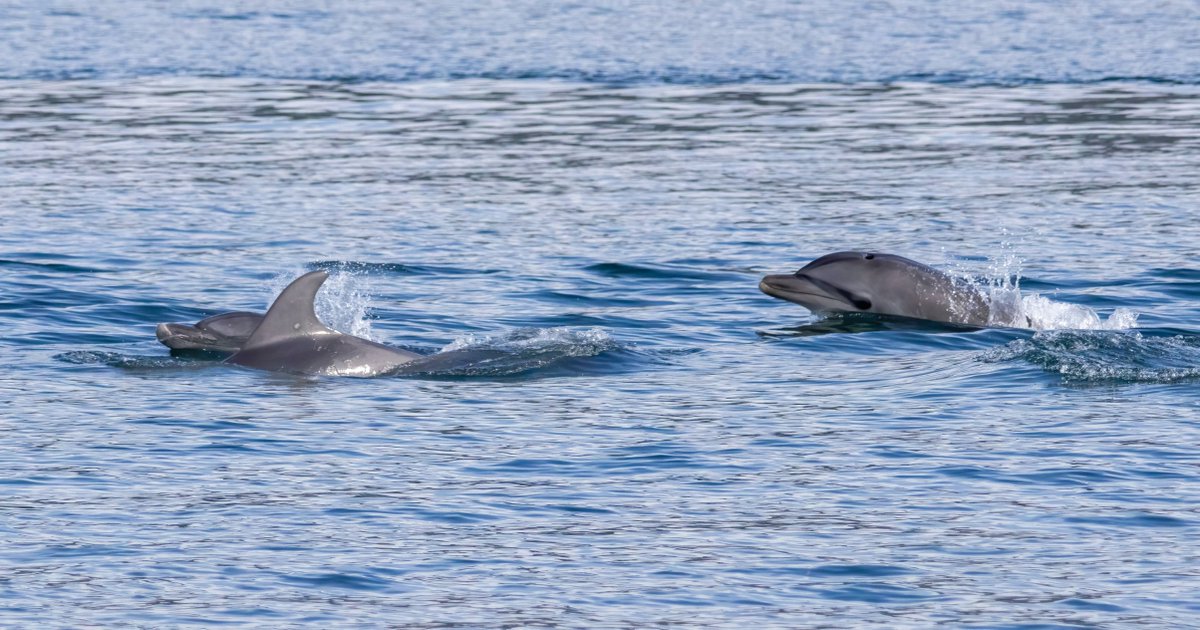
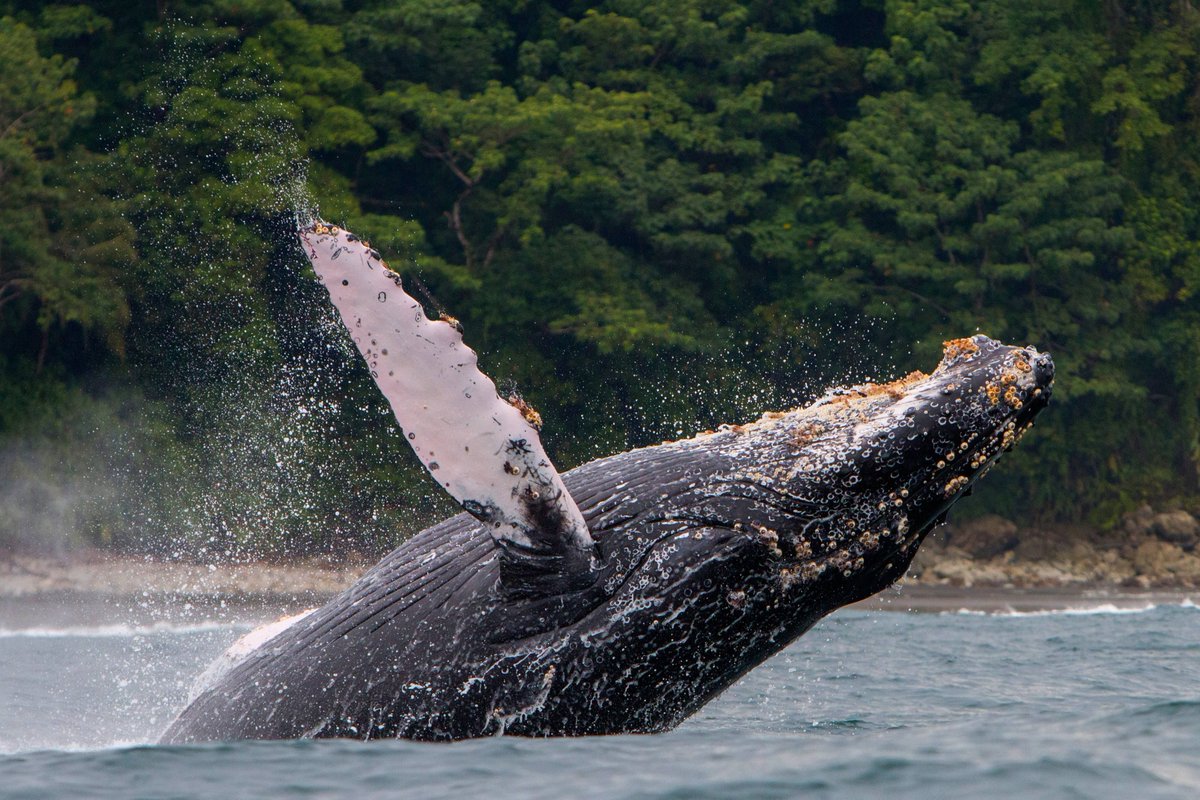
Panama's Gulf of Chiriquí is the only known wintering area for humpback whales from both hemispheres. @Panacetacea has studied them since 2002 and is now learning how bottlenose dolphins live in the nearby Manglares de David. 🐋🐬 https://t.co/flWxGVVgMv
A big #conservation win for the Cape Fear River! The NC State Ports Authority has asked the Army Corps to pause the $1.3B Wilmington Harbor expansion, allowing time to study impacts on wetlands, fisheries and PFAS. Proud to stand with our partners 💧 https://t.co/czHMflFPcy
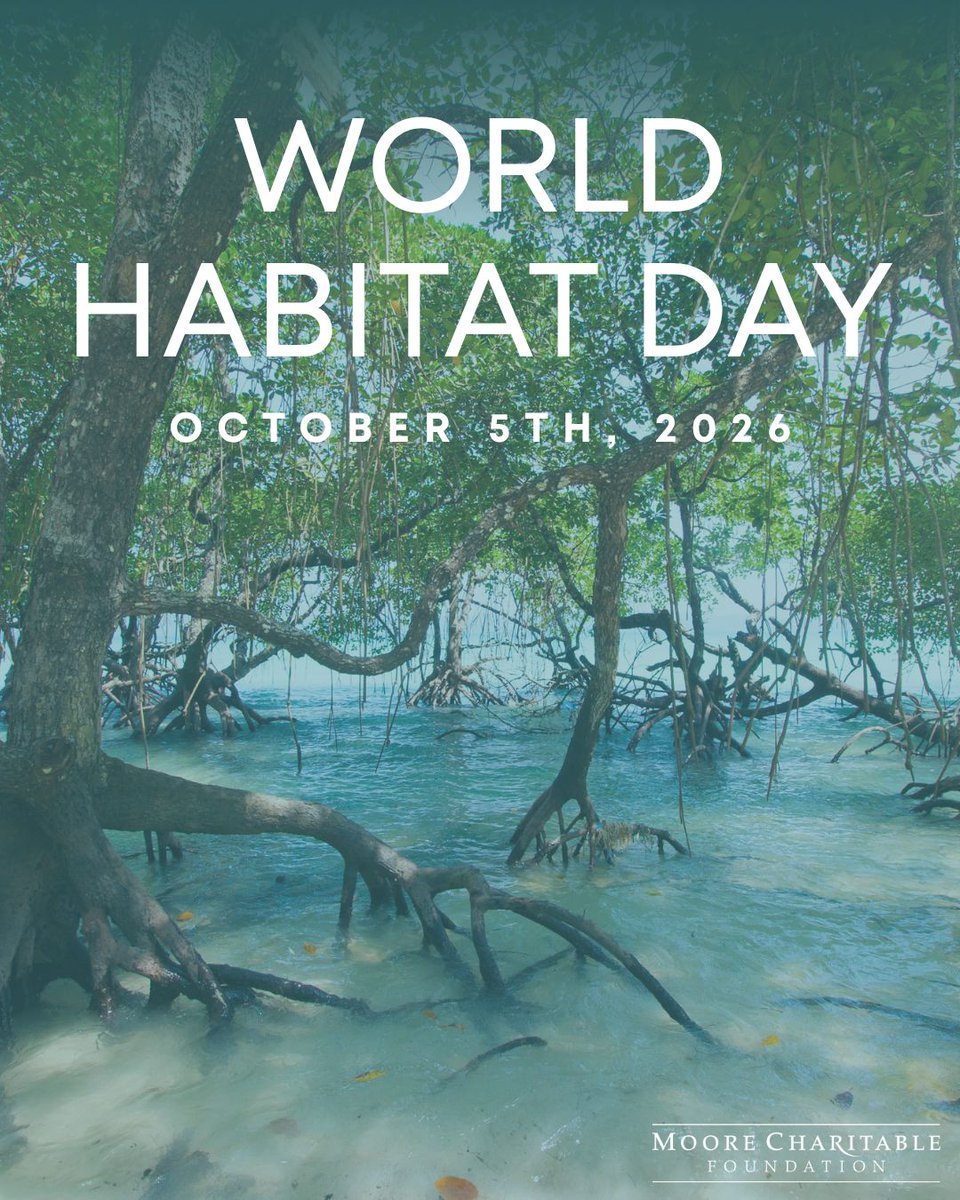
Mangroves shelter young fish, sharks, and sea turtles and absorb floodwater during storms. This #WorldHabitatDay, we stand with @TheOxygenProj, leading 60+ organizations to protect Panama's Manglares de David from the proposed Port of Barú. 🌿
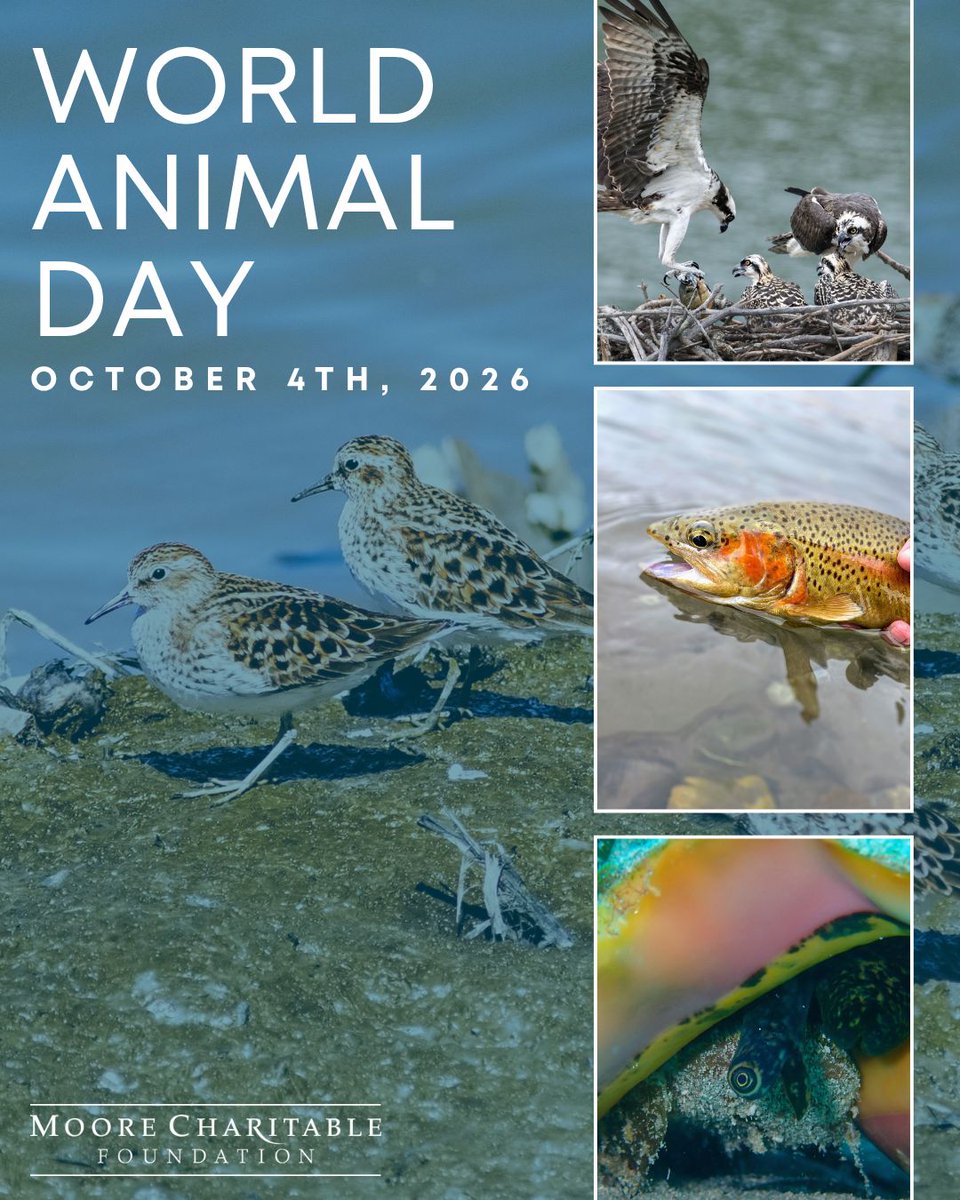
On #WorldAnimalDay, we're recognizing partners protecting ospreys on Long Island, shorebirds in North Carolina, queen conch in The Bahamas, and native trout in Colorado. Different species, same goal. 🌍
This #NCOysterMonth, we're grateful to work alongside @AudubonNC, restoring shell rakes where oystercatchers nest on the Lower Cape Fear, and @NCCoastalFed rebuilding oyster reefs through the Lower Cape Fear Oyster Pathway!🦪
This October, we're spotlighting the species at the center of MCF's #conservation work, from humpback whales in Panama to red-cockaded woodpeckers in North Carolina. Follow along as we celebrate the animals that keep these ecosystems running. 🐋