Technical art historian and PhD candidate researching coloured grounds @UvA_Amsterdam | Visiting Researcher at @Rijksmuseum | Assistant Editor for @ArtMattersJ
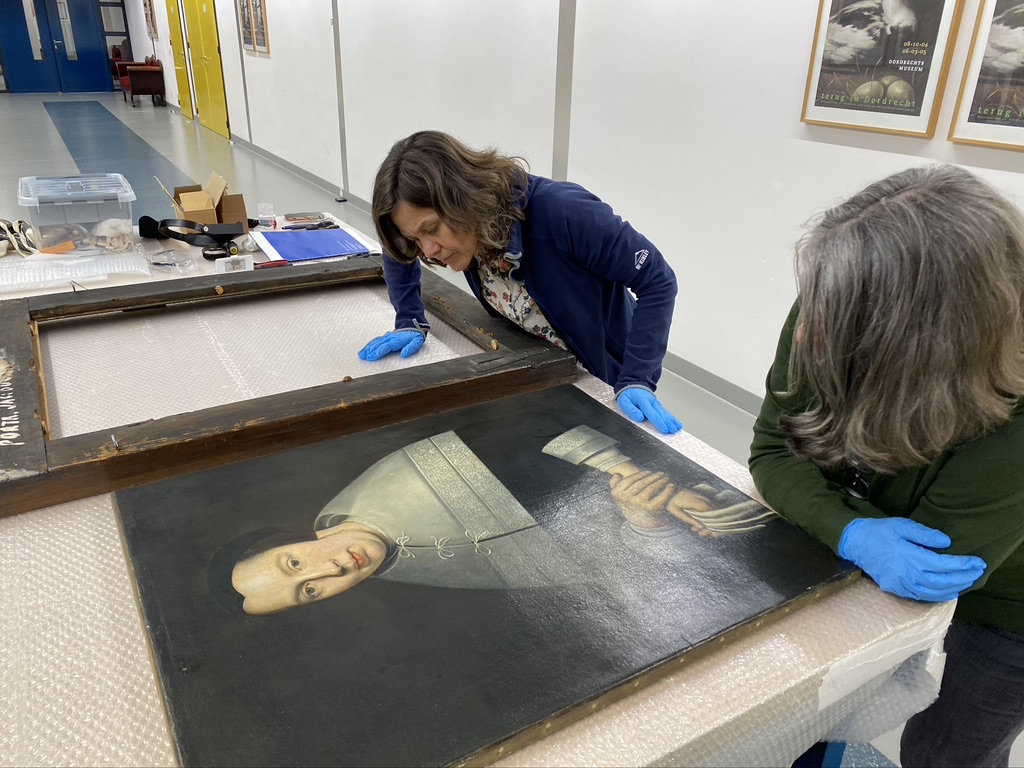
@TechArtHis and Lidwien Speleers carefully choosing a sample location on this portrait by Van Hoogstraten at the @hetdordts. Preliminary results will be shared at @hnanews1 this Saturday with much more to come!
And on Saturday of the @hnanews1 conference @TechArtHis, Lidwien Speleers, and I will present preliminary technical research on the coloured grounds of Van Hoogstraten in a workshop at the Rembrandthuis!
I'm very excited for @hnanews1 conference 2022 to start tomorrow! On Friday I'll be presenting on the presence (and surprising absence) of coloured grounds in the paintings and writing of Van Mander and Van Hoogstraten in our workshop Grounds for Discussion
The tulip is a national symbol of the Netherlands. 🌷 They only bloom a couple weeks a years, in spring. The other flowers depicted here bloom in different times of the years: some in summer, others until autumn. And yet, Hans Bollongier created a natural, beautiful bouquet! 💐
We still have a few spots in our HNA Workshop "Grounds for Discussion: Coloured Grounds as a Site for Knowledge Transfer" on Friday, June 3 16:30-18:00. Please consider joining us if you still haven't registered for a workshop yet!
https://t.co/bpBPqYWZoz
Today we introduce our assistant editor Moorea Hall-Aquitania (@MooreaHall ). Moorea is a PhD candidate in the NWO Down to the Ground project at the University of Amsterdam, where she also received her MSc in Technical Art History.
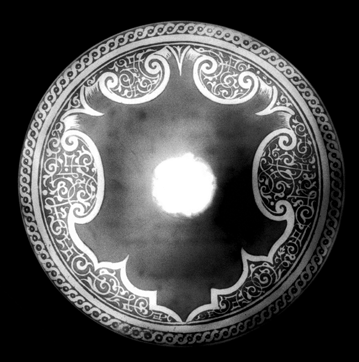
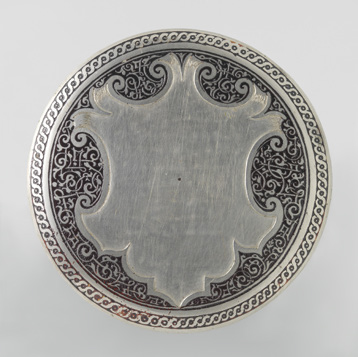
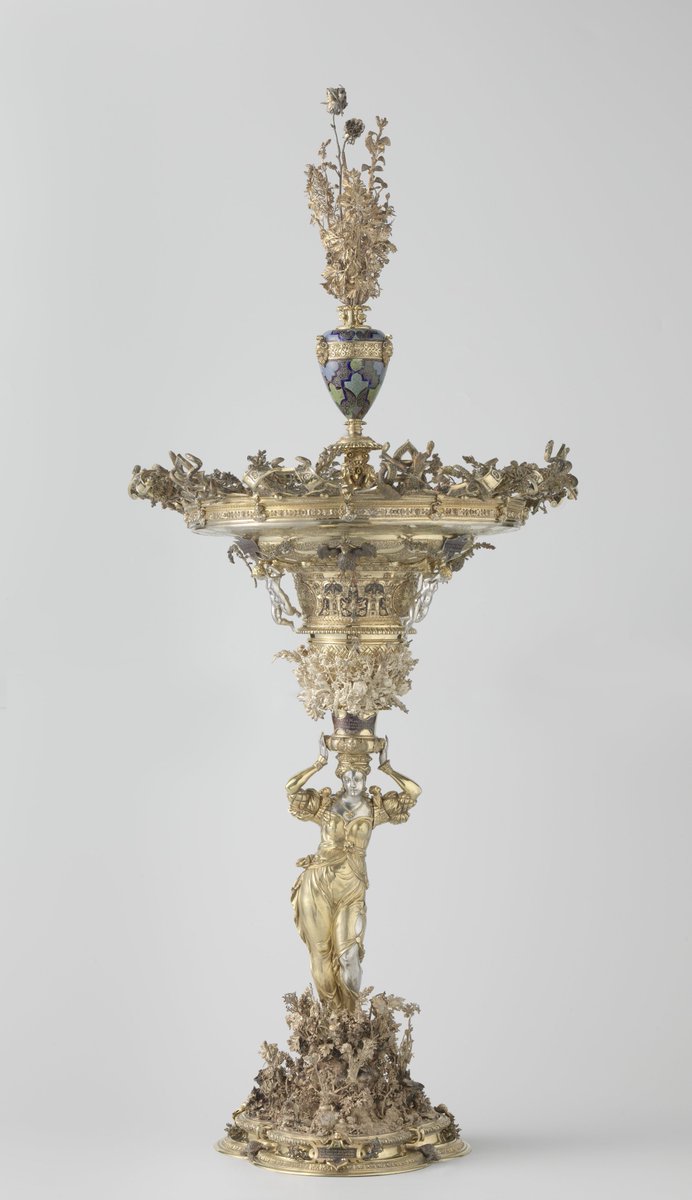
This is a silver plaque of the famous Merkel centerpiece by Jamnitzer. While it had long been thought that the plaque was empty, research using X-Radiography and Ion Beam Analysis (IBA) revealed that in fact at some point the plaque contained 8 or 9 lines etched in Latin script.
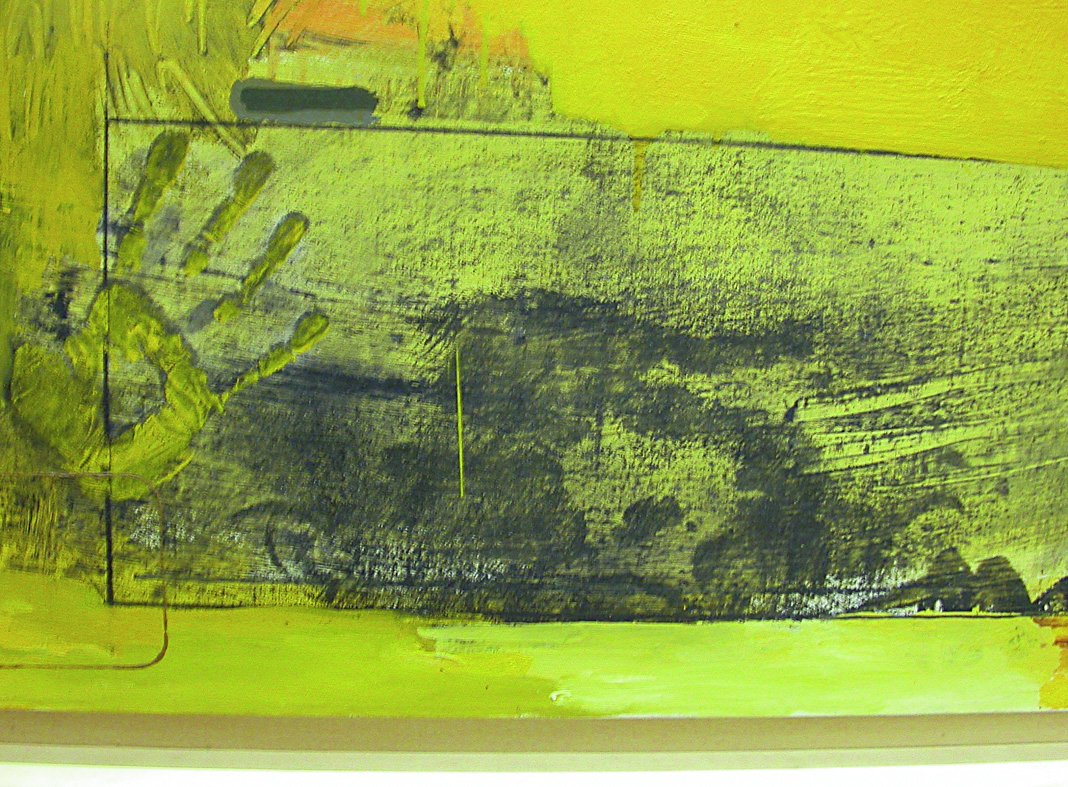
Look at this wonderful imprint of Jasper John's hand in 𝘜𝘯𝘵𝘪𝘵𝘭𝘦𝘥 (1965) in the @Stedelijk . In our 4th edition, you can read about research following the first conservation treatment of the work! This includes not only technical research but also an artist's interview!
Early Bird Registration for the HNA 2022 Conference in Amsterdam and The Hague ends Friday, April 8.
To register: https://t.co/j78fTJCyNH
For the conference schedule, program, and other practical information, please visit the HNA website: https://t.co/1ldzu33sr6
35, 36, or 37? There is no general consensus on how many paintings by Vermeer have come down to us! One of the paintings subject to such discussion is 𝘠𝘰𝘶𝘯𝘨 𝘞𝘰𝘮𝘢𝘯 𝘚𝘦𝘢𝘵𝘦𝘥 𝘢𝘵 𝘢 𝘝𝘪𝘳𝘨𝘪𝘯𝘢𝘭, in the @Leiden_Collectn .
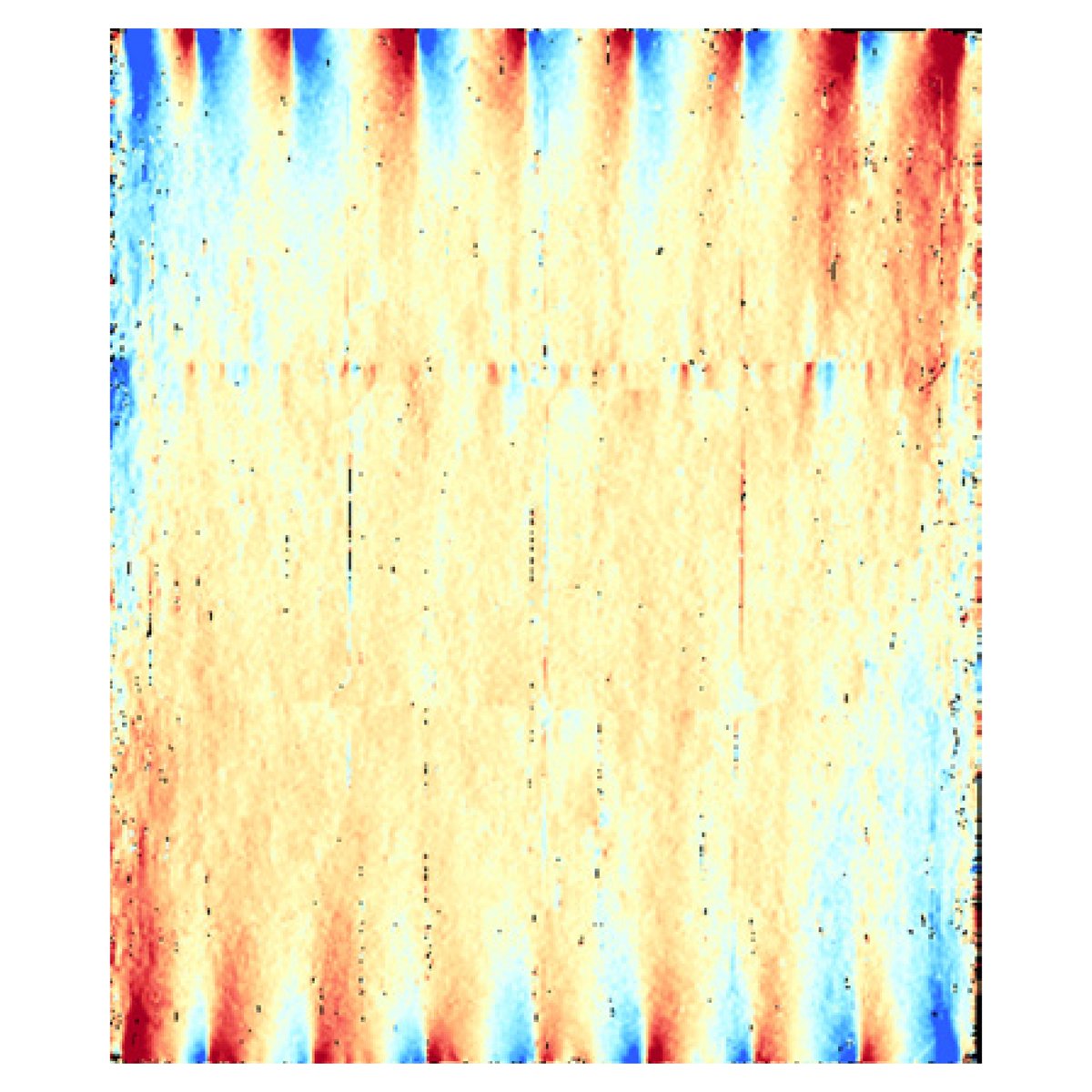
Here you see the weft angle map of Johannes Vermeer's 𝘛𝘩𝘦 𝘈𝘳𝘵 𝘰𝘧 𝘗𝘢𝘪𝘯𝘵𝘪𝘯𝘨 (1666-68). At about a third from the top, there is a distinct wavy band of threads, called a weft snake. Its presence allows for the identification of the weft direction of the canvas!
Very excited for the #OperationNightWatch symposium on Technological Innovations and Scientific Results! Lots of exciting new findings and another chance to see king of ppt slides @gonzalvic_ in action https://t.co/y2EHyKGKcM
Happy #InternationalWomensDay2022 ! The field of Technical Art History has a lot of great researchers who are women. This is also reflected in our wonderful team: 19 out of 29 members are women!
In our latest special edition, Caitilin Spangler-Bickell proposes a new vocabulary for the biographies of artworks whose identity changes as elements are added, expanded or removed. An example is Jonathan Horowitz' 𝘍𝘳𝘦𝘦 𝘚𝘵𝘰𝘳𝘦, in which visitors could leave or take stuff!