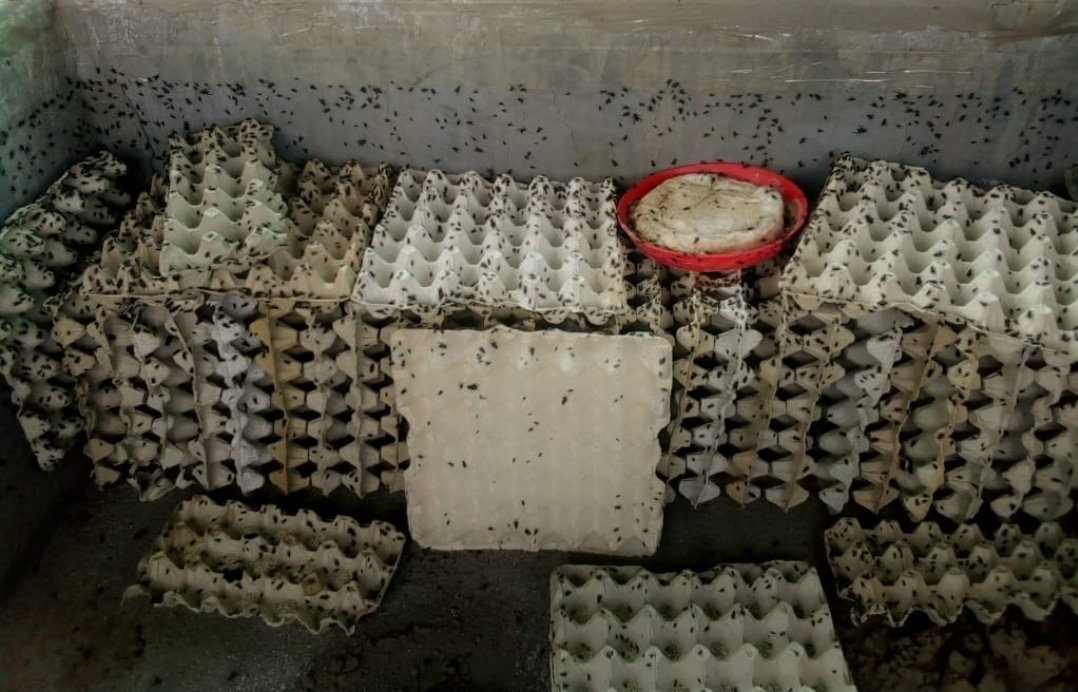
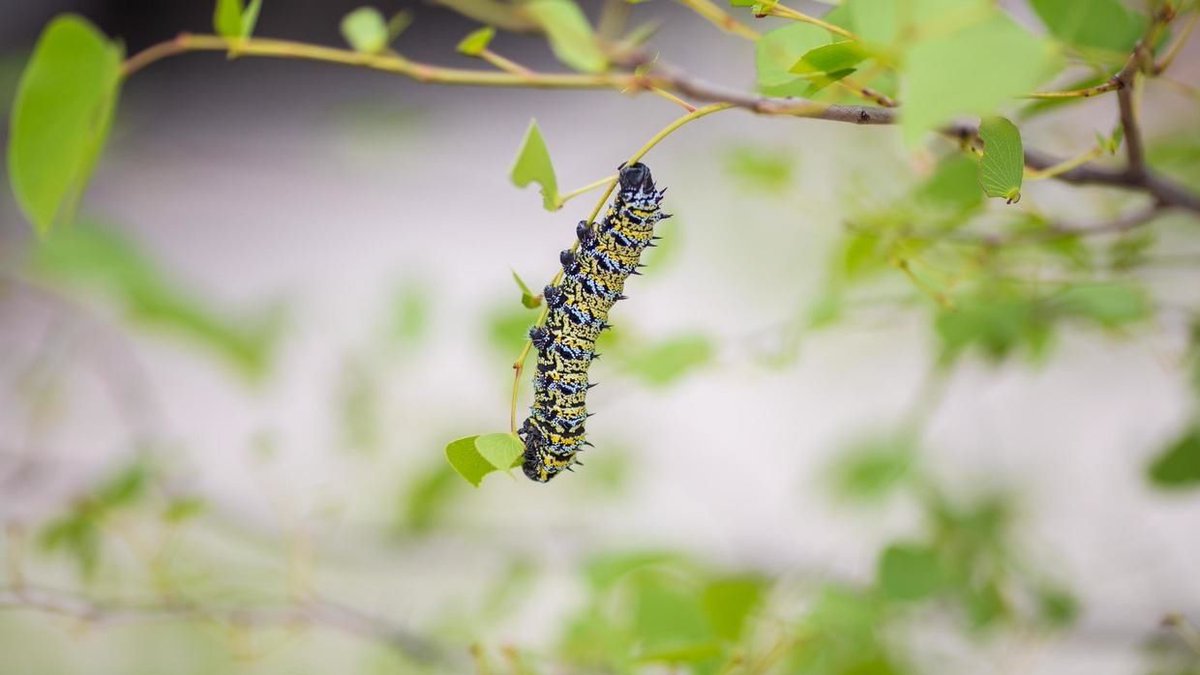
We are dedicated to commercial farming of edible insects and traditional african foods. We sell mopane worms, mopane worms eggs, pupue, crickets, and millet.
I love traditional grains. I Visited the @FNCZimbabwe stand at #ZITF2022 and found a unique instant porridge of sorghum+mopane+baobab. I tried it - its nutritious maybe if they add more baobab for a more kicking taste well done @LesleyMacheka@GeorgeDKembo @TatendaMudiwa
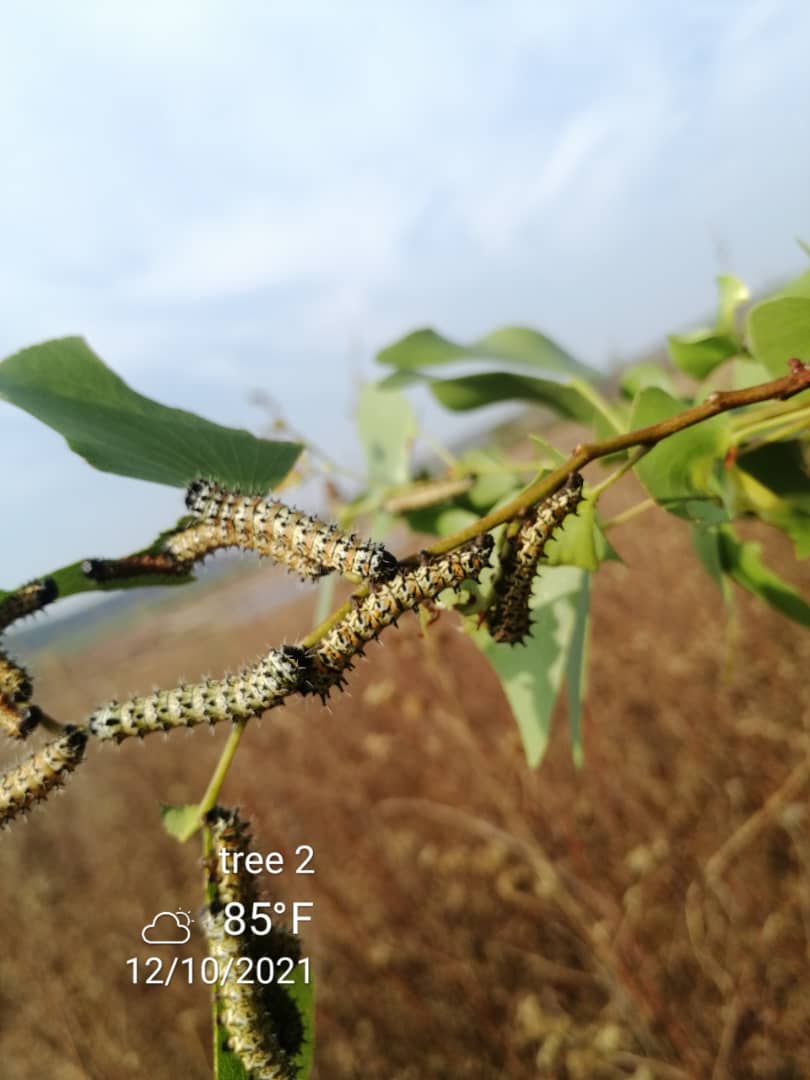
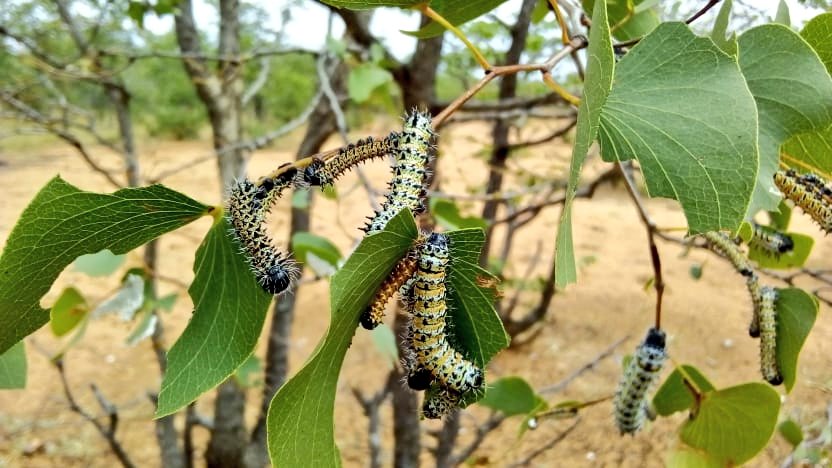
Our Entomology team working together with @cirad on introducing Mopane worms (Gonimbrasia belina) as part of Sustainable Forest Management #SFM enhancement package for rural communities.
Trees 🌳 are life!
@forestrycom1
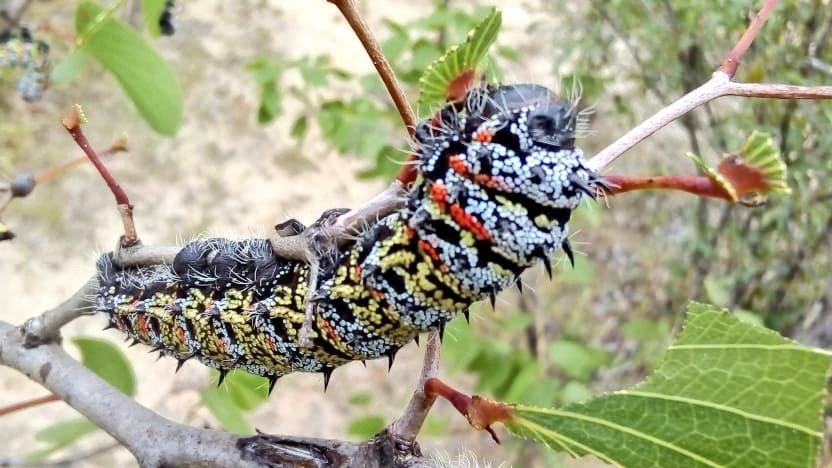
Fungi and parasites could be leading to mopane worms decline. There is need for more scientific research to identify the type of fungi and at what stage does the infection takes place. Parasites are mainly from the Chalcid wasp and Parasitoid wasp.
EU has approved yellow mealworm as safe for human consumption This means more insects will be added to this list. Universities & Governments need to start finding ways to domesticate the Caterpillar and build a formal industry where entrepreneurs can build sustainable businesses
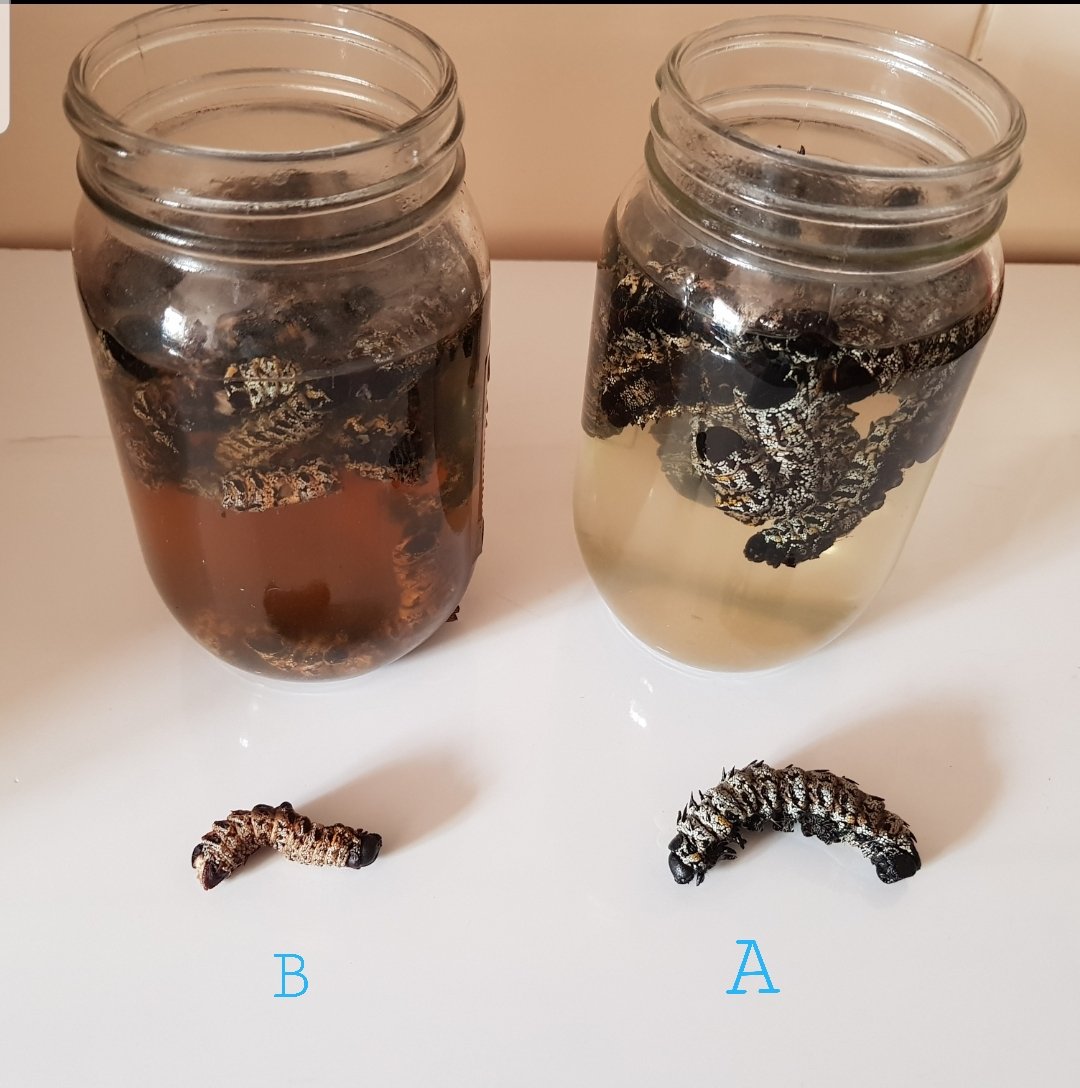
M.W.E. A and B a local Supermarket. Brown water and dark internally means poor quality. Clear water and yellow inside means good high quality. Quality will be at the centre stage in terms of survival of future mopane worms traders. How we achieve quality remains an open question.
Jackalberry, African Ebony (Diospyros mespiliformis, Mushumha) tree is very important to survival of mopane worms. The fruits are eaten by humans, wild and domestic animals. The fruits can also be used to brew beer. This tree I very important to our community.
In 2017 Zimbabwe's meat exports were $758.000.00 US dollars. In the same year, according to Forestry Commission, Matabeleland South produced an estimate of 400 tonnes of mopane worms valued at $630.000.00 US dollars. Mopane worms have a potential to transform communities.
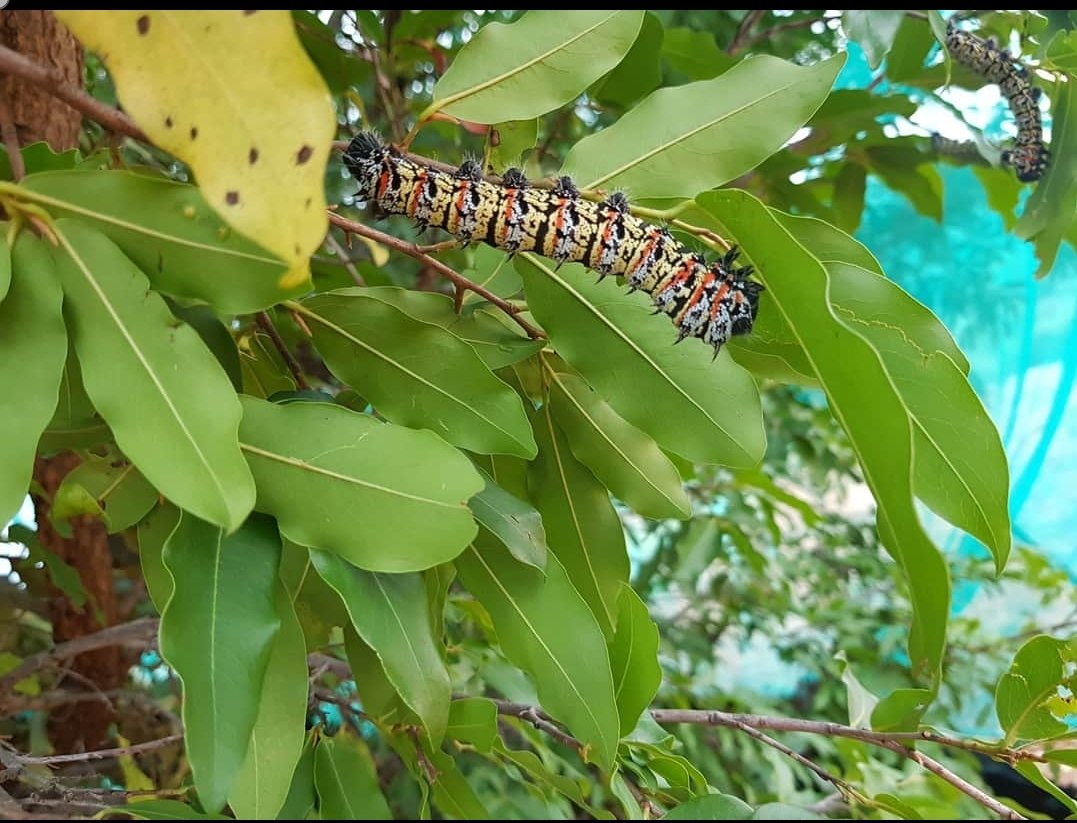
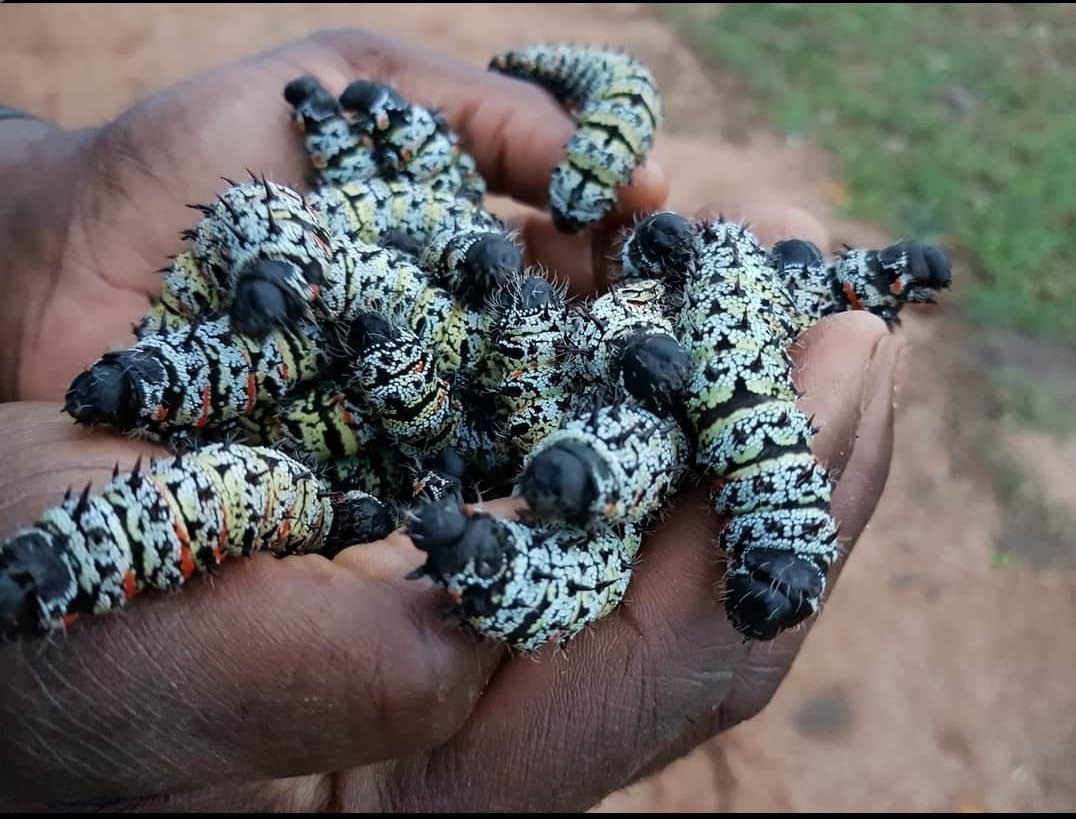
These yellow and white caterpillars, known as mopane worms are reputed to be more nutritious than beef. Find out how one company in Zimbabwe is investing in a product which could be good for the health and the economy. #food#Zimbabwe#nutrition
https://t.co/lwaCbmFOox
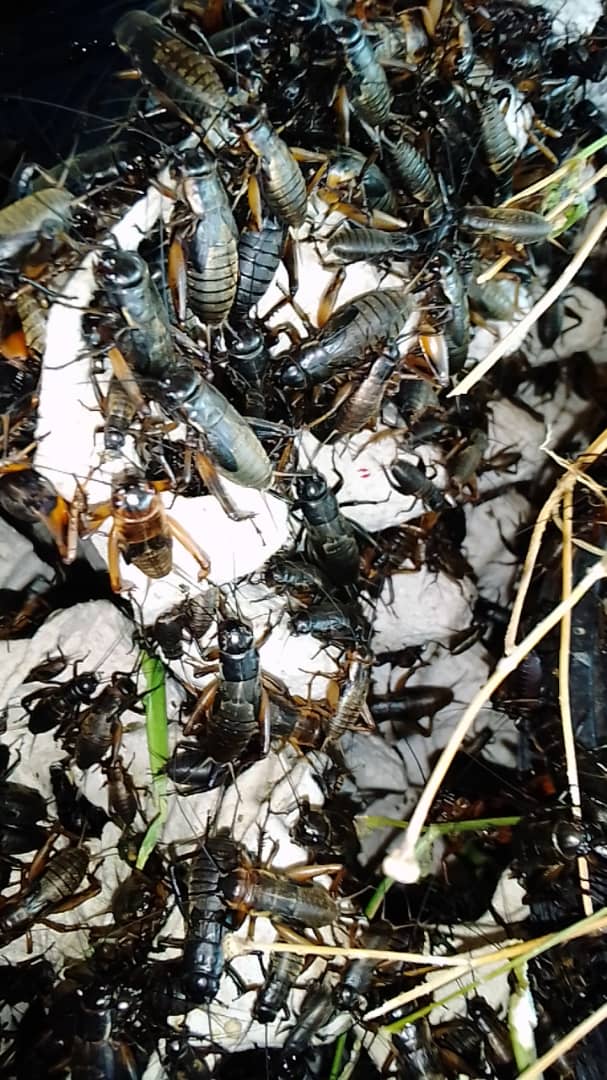
@hamburamukaka We have not tried black soldier flies yet. We are a rural based business our community are responding well. We have trained few community members. They have started producing their crickets for consumption.
This company grows crickets, locusts and other insects to sell as pet food. Now, they're expanding, becoming the first in the UK to produce insects for human consumption at an industrial scale. https://t.co/4smTXTPVYo
In Europe you will pay thousands to own half a hectare of land. In Zimbabwe nearly everyone can own a hectare of land in rural areas free of charge. Could rural areas be the solution to our current economic problems. Concentrating on producing edible insect for food and feed.
The edible insects industry gives Zimbabwe the greatest opportunity to grab a huge market share. The edible insects industry is not just about enhancing nutrition. There is a huge window of opportunities to explore food, animal feed, agro-tourism, and foreign currency.
@gospelmatondi Virginia flue-cured tobacco was virtually non existent in zimbabwe 150years ago.We are looking for foreign direct investment to solve our economic problems but it's not coming. Expert are predicting that by 2030 the edible insects industry will reach US$8billion.
@HillaryMusarurw Mopane tree is a slow growing tree. Not sure if it will grow in mhondoro. Mopane worms likes mushumha tree as well. You can plant mushumha tree and it grows quite quick over 1 meter in 5years.
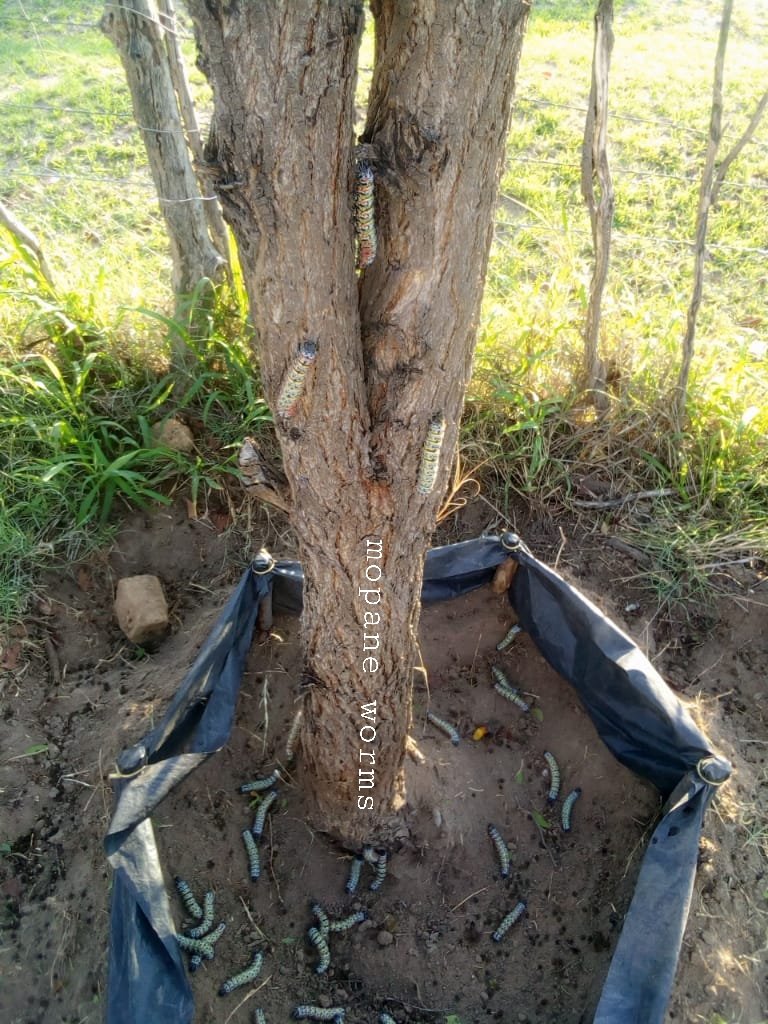
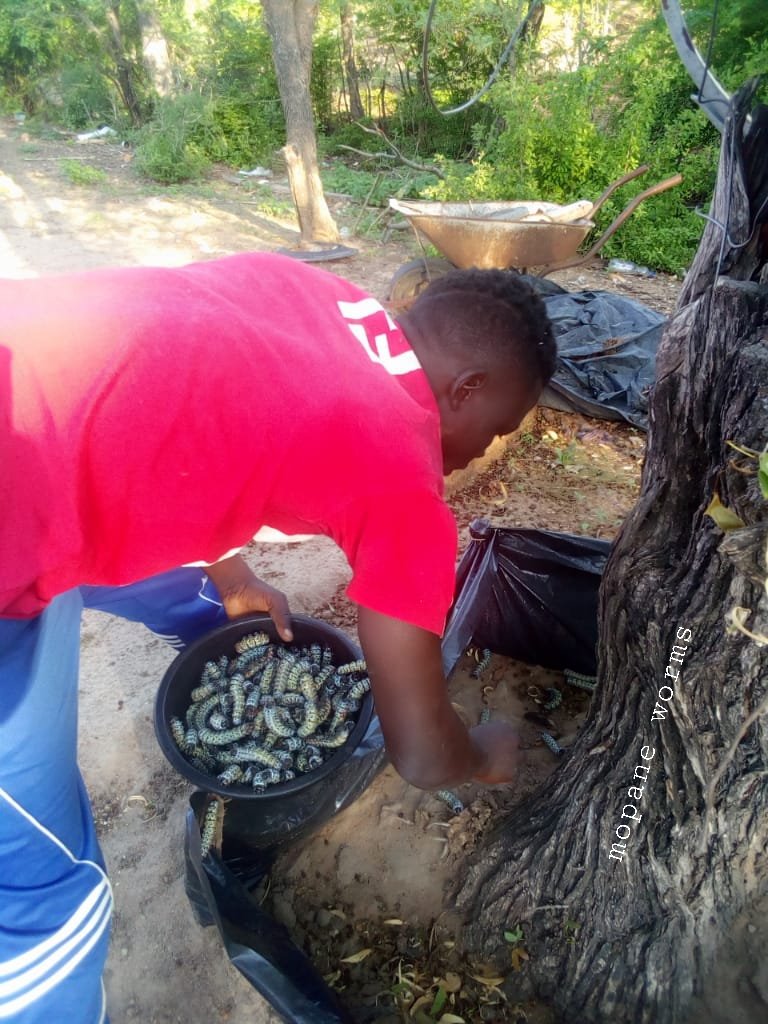
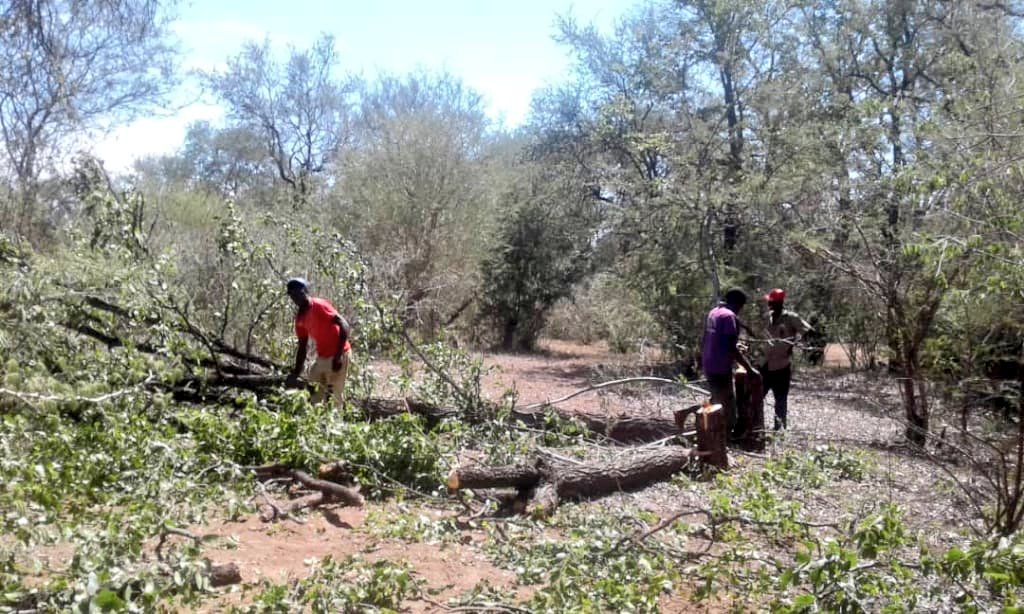
Harvesting time. We let the mopane worm caterpillar reach maturity. They will come down from the tree on their own, no need to cut the tree down. The plastic enclosure prevent them from going away and we just come and pick. 30 days from hatching to full maturity.