My 17 year old son earns more an hour working in Costa at the weekend than a year 3 trainee EP with a patch of schools. It’s time for a change to support the future of our profession
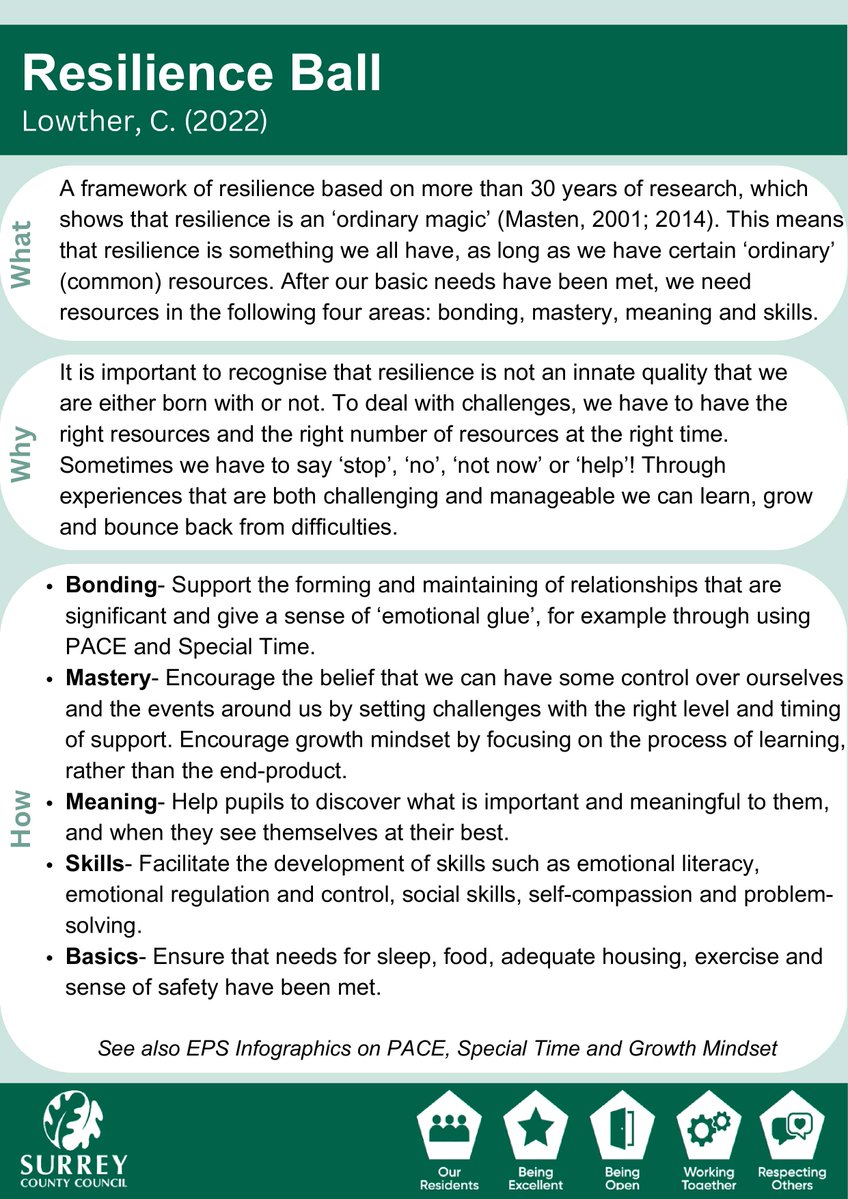
After our basic needs have been met, we need resources in the following four areas: bonding, mastery, meaning and skills. The Resilience Ball framework developed by @CathLowther (2022) explores how we deal with challenges.
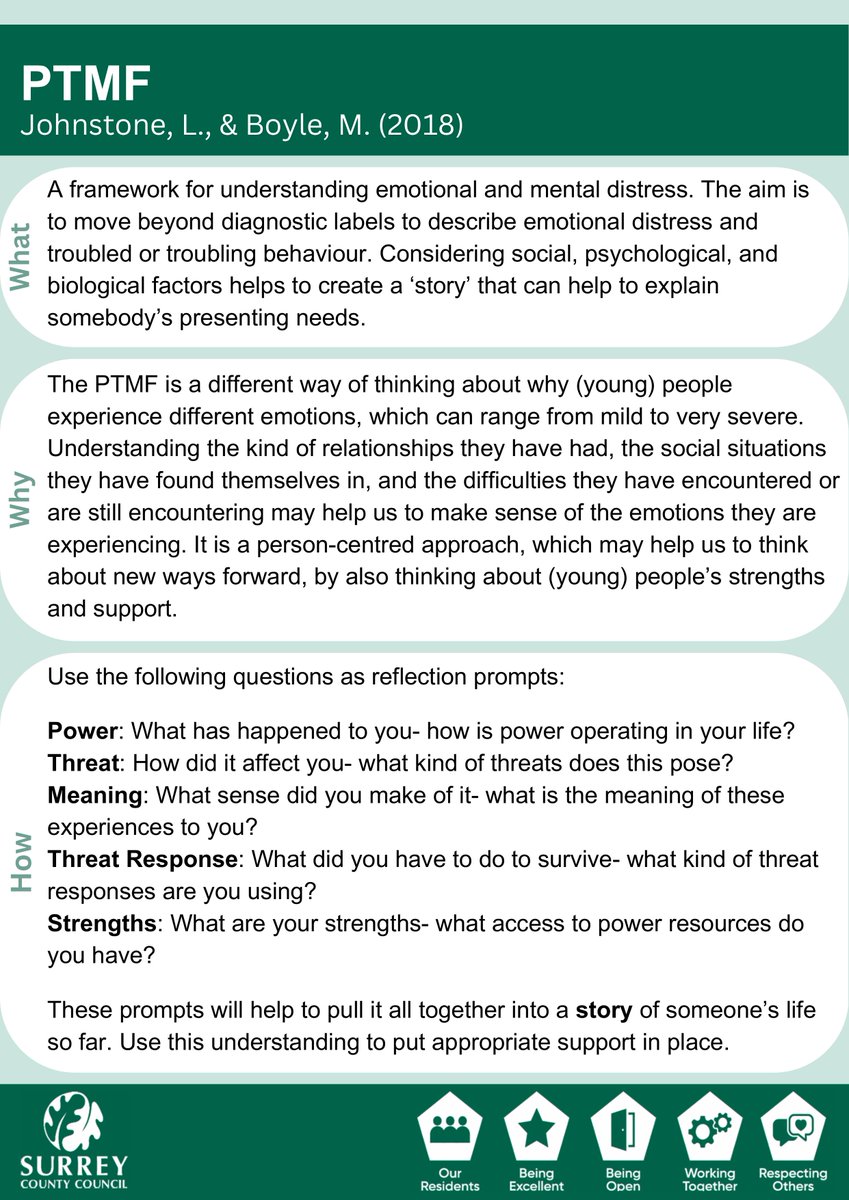
The Power Threat Meaning Framework (PTMF) developed by Johnstone & Boyle (2018) helps us to understand emotional and mental distress. By considering social, psychological, and biological factors, we can create a ‘story’ to help explain somebody’s presenting needs.
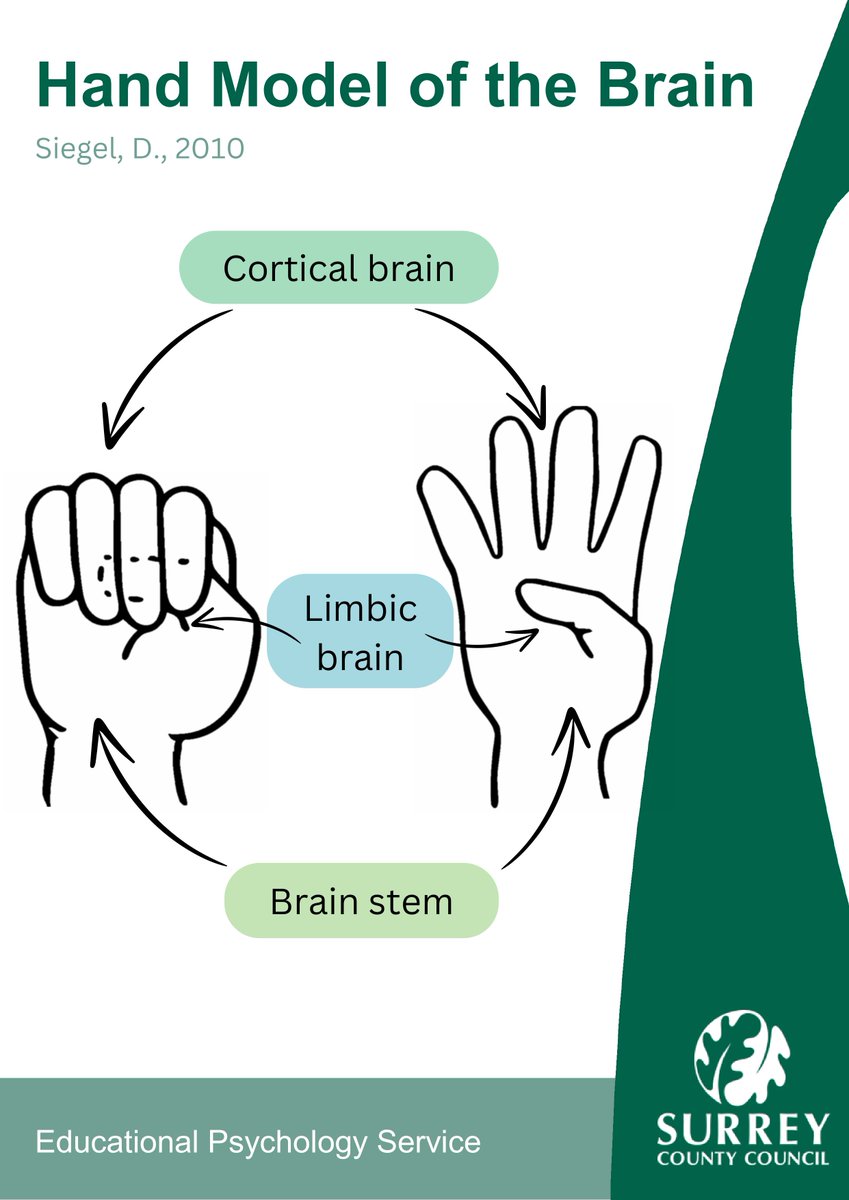
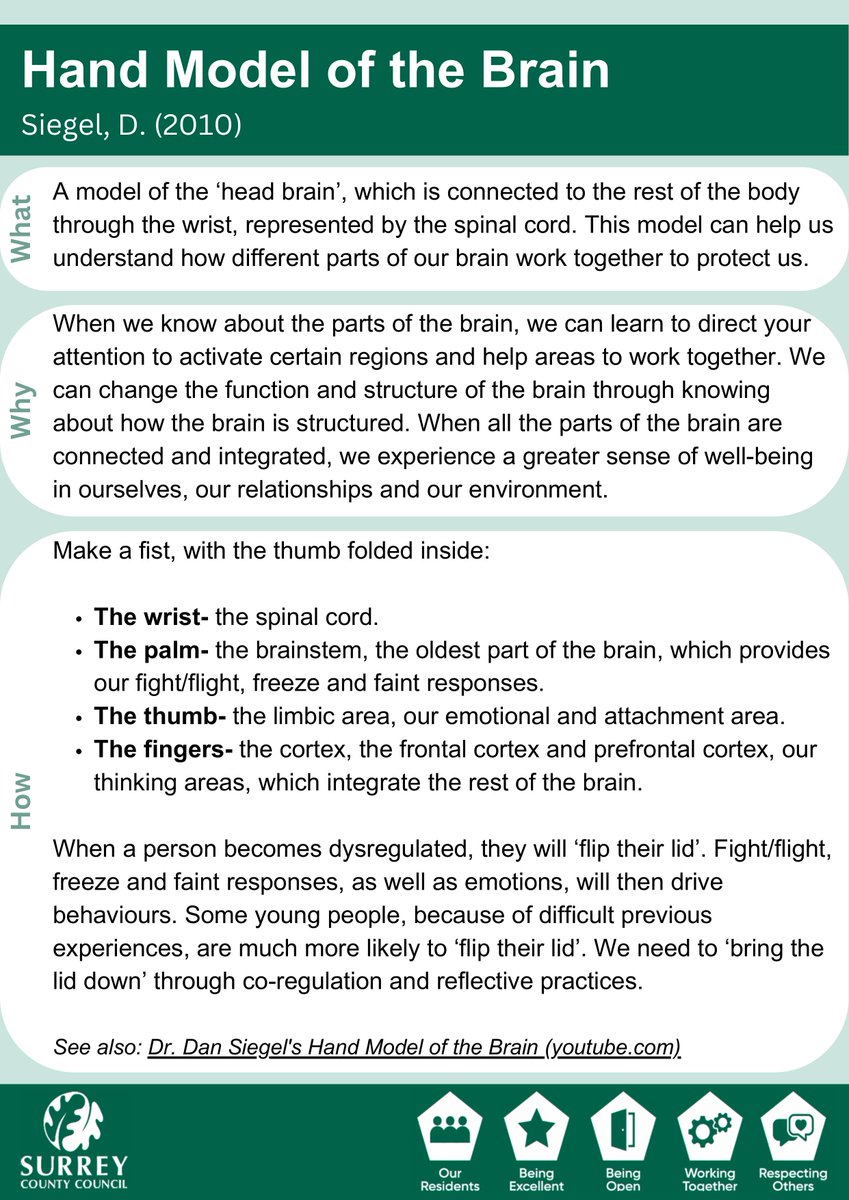
Next in our infographic series, we turn to the Hand Model of the Brain developed by Dan Siegel (2010). The model can help us understand how different parts of our brain work together to protect us.
Throughout September we showcased five infographics created by our service, which covered some key theories and interventions commonly used by EPs.
We resume the series this week with a focus on Executive Functioning, a set of skills that shape how we learn and how we behave.
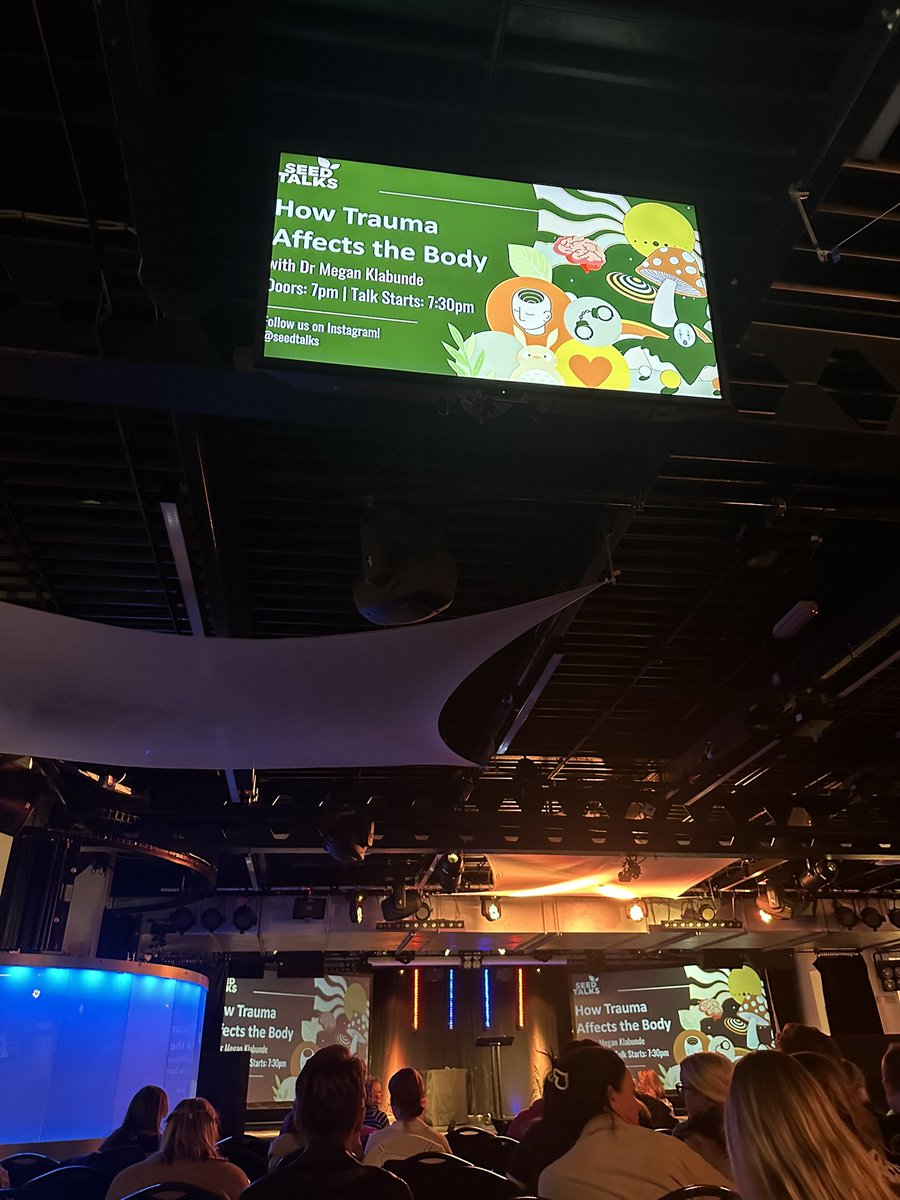
Last week I attended a talk by Dr Megan Klabunde at Teesside University to discuss how trauma affects the body. This supported my current knowledge and gave me further ideas to use and apply within the Virtual School supporting vulnerable learners 🧠👥📝 #twittereps
Next is our infographic on Intensive Interaction (Nind & Hewett, 1994). It is used to encourage social communication by teaching the basic
skills needed for communication, such as eye contact, shared attention, turn-taking & using vocalisations with intent.
Our 3rd infographic covers the Window of Tolerance (Siegel, 1999). When we feel safe in our emotions, relationships, body & our
environment, we enter our optimal arousal zone; our ‘Window of Tolerance (WoT). Here we can best function, engage with
others & thrive.
Attended a powerful learning event today, discussing permanent exclusions within the North East & LA, and how we can all drive change moving forward. We had the opportunity to share our team's research exploring Y7 PEXs 🙌🏼 @EPontheTees@JessicaOs90#twittereps
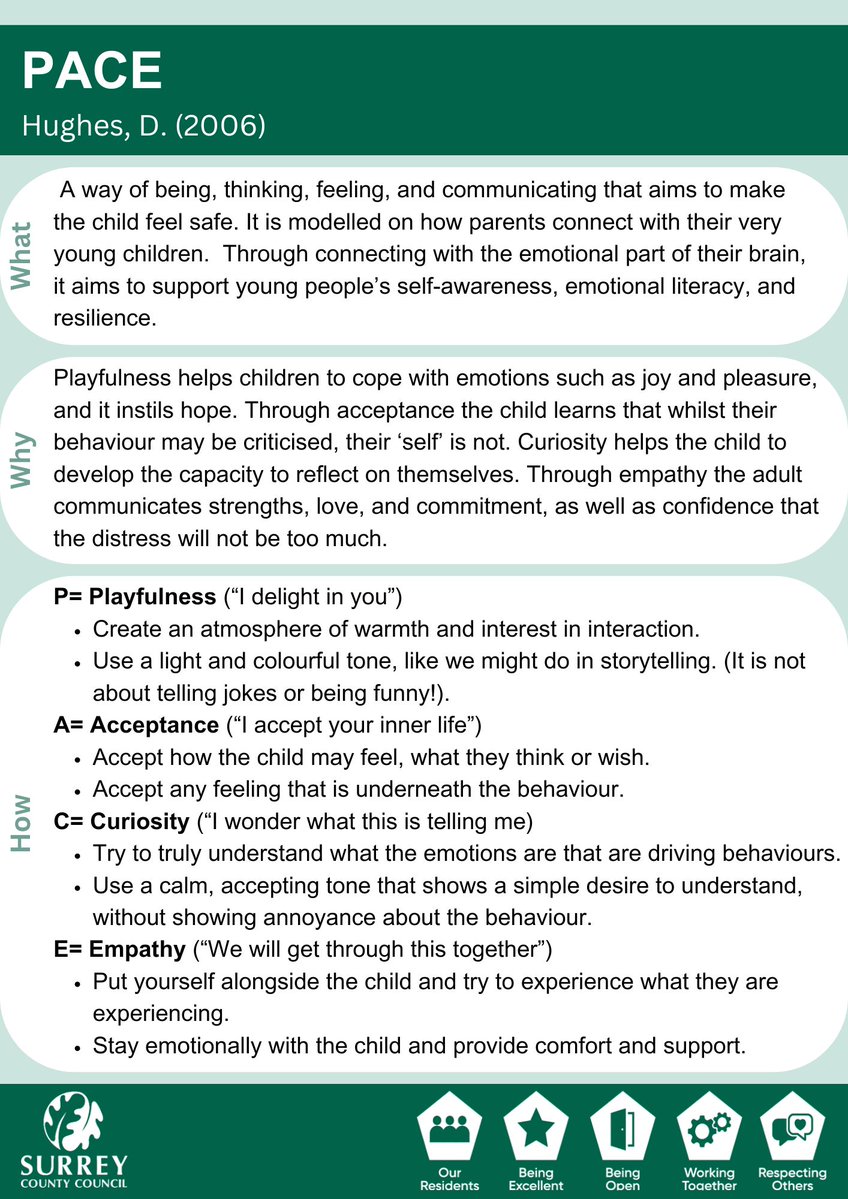
Our 2nd infographic is the Playfulness, Acceptance, Curiosity & Empathy (PACE) model developed by Dan Hughes (2006). PACE is a way of being, thinking, feeling & communicating that aims to make
the child feel safe & support their self-awareness, emotional literacy and resilience.
"Go back to the @educationgovuk & rip up the behaviourist approach to education. It creates a world where neurodiverse children, those with anxiety, mental health and even the timid cannot survive." Absolutely agree @RachaelMaskell 👏 @teamsquarepeg@NotFineinSchool
This is the first of several weekly posts showcasing infographics we have created around key theories or interventions EPs commonly use.
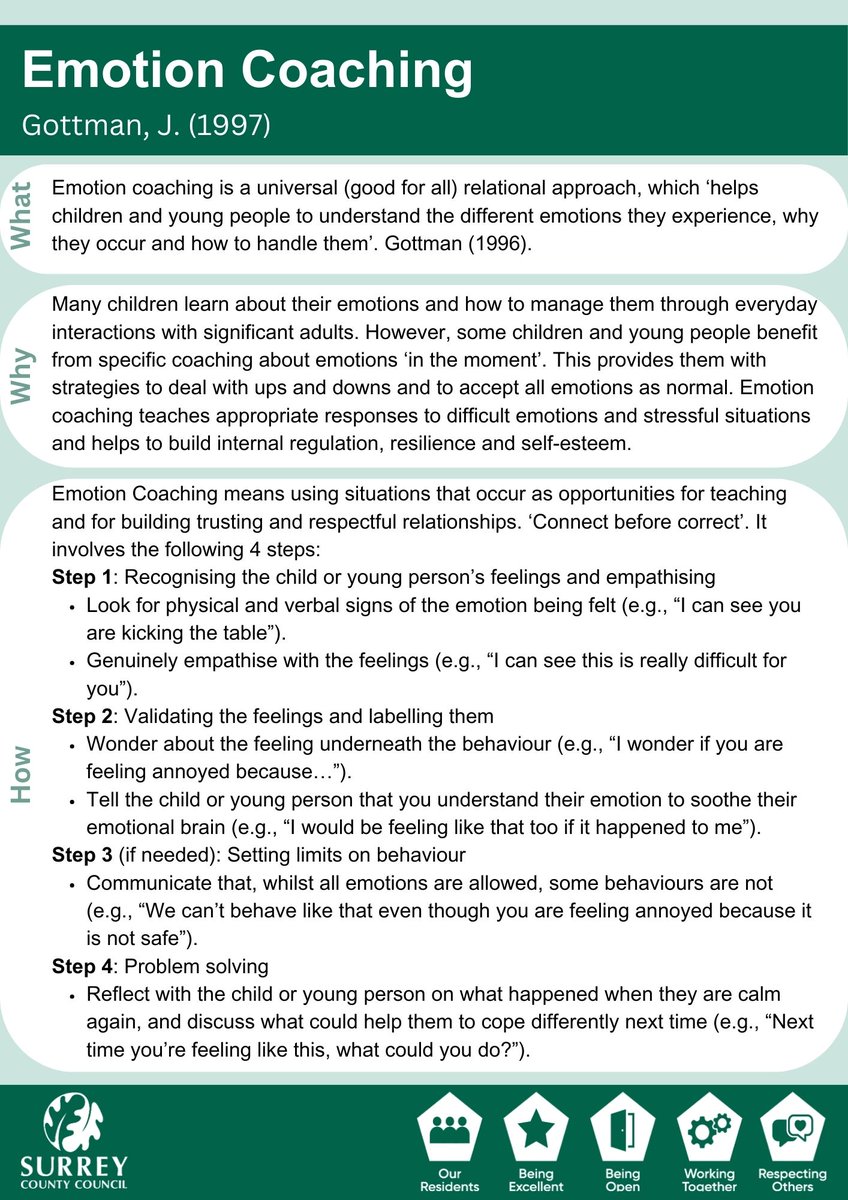
On page 2, we have aimed to answer 3 key questions. What is it? Why is it important? and How do we do it?
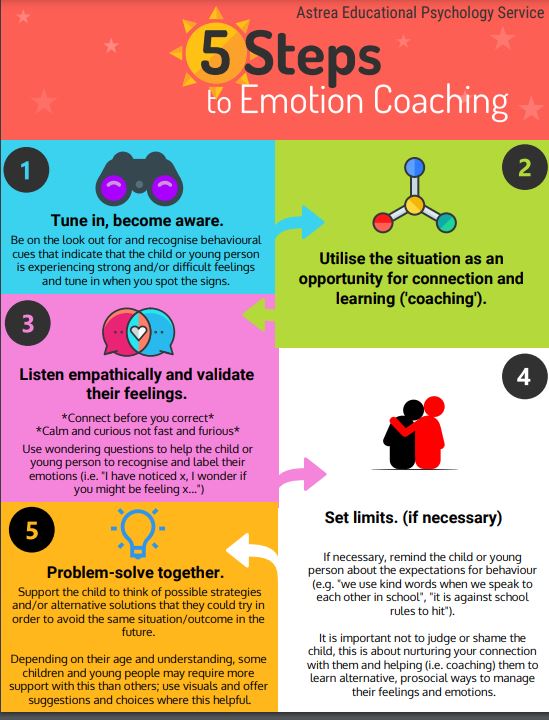
First is Emotion Coaching:
Delivering town wide training for Anxiety, Stress and Low mood to support staff discussing our early intervention packs with @JessicaOs90 🧠🌱📚 #twittereps
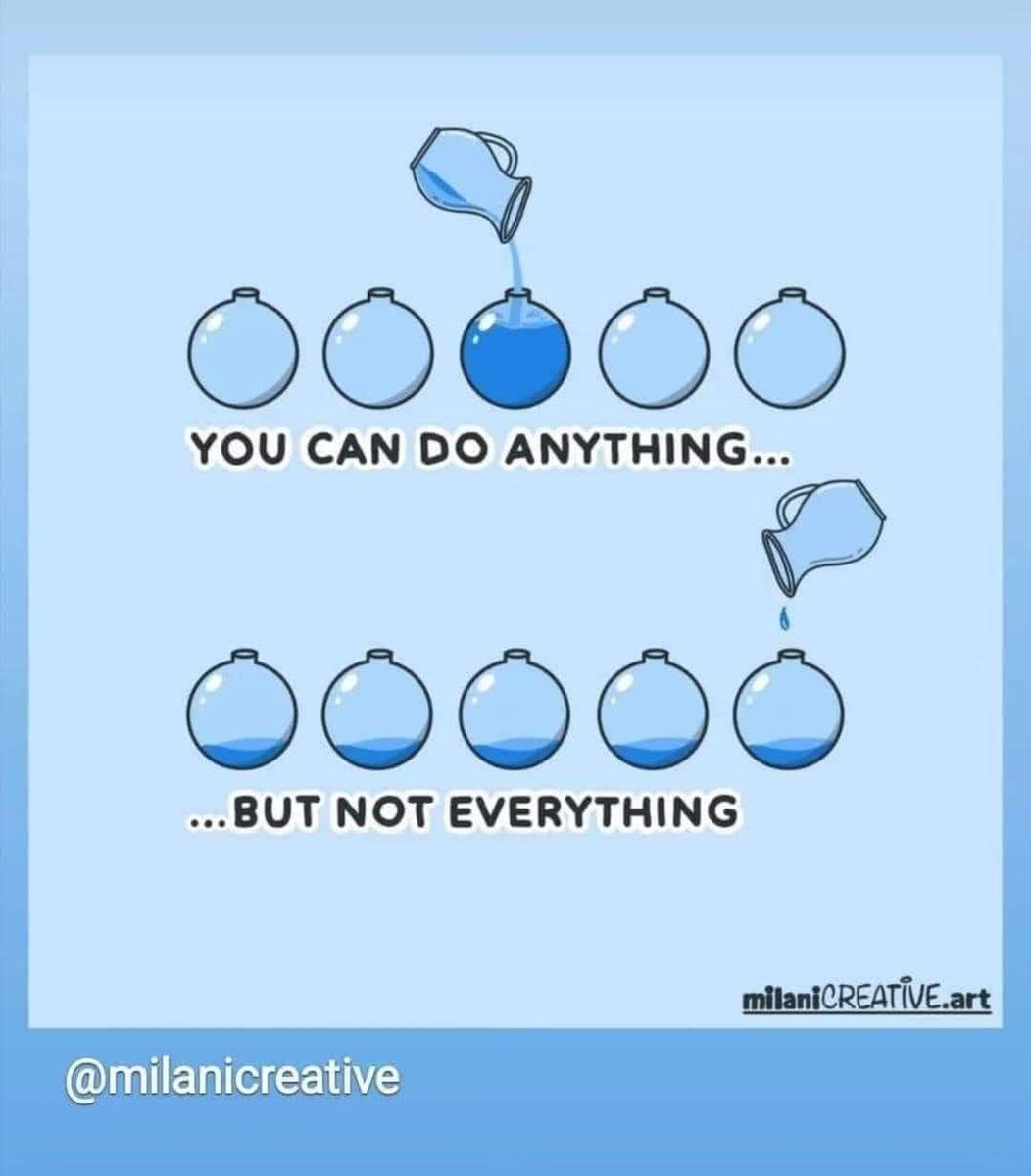
I liked this thoughtful, grounding visual from @milanicreative... at a brisk point in the academic year, where demands for EP services feel as high as they ever do, amiright #twitterEPs 😅🤗
Week in the life of an assistant 🧠
🧩 PATH work
💬 Supervision
🧠 Direct work focusing on resilience
📚 Research on permanent exclusions
💻 Psychology interest dialogue
🥳 Completing my first WASI
📝 Lots of thinking & admin time
#twittereps
THURSDAY TRAINING
Emotion Coaching is a techniques to help CYP develop healthy ways to understand, express & manage their emotions. It is a collaborative process and we LOVE IT!
If you want to learn more drop us a DM or email 📧
#TwitterEPS#NorfolkSchools#EmotionCoaching