AI breakthrough unravels barriers between DNA and disease treatment 🧬 A new model powered by the Lab's newest supercomputer, Venado, could lead to improved drug therapies for cancer and more👇 https://t.co/0yxt1CZVBL
A single sting from the geography cone snail kills 65% of its victims: no antidote.
Now, Los Alamos scientists are using AI to decode this deadly venom and pave the way for lifesaving anti-toxins — before nature or bad actors can strike. 🐌 https://t.co/bL5tX2BpV2
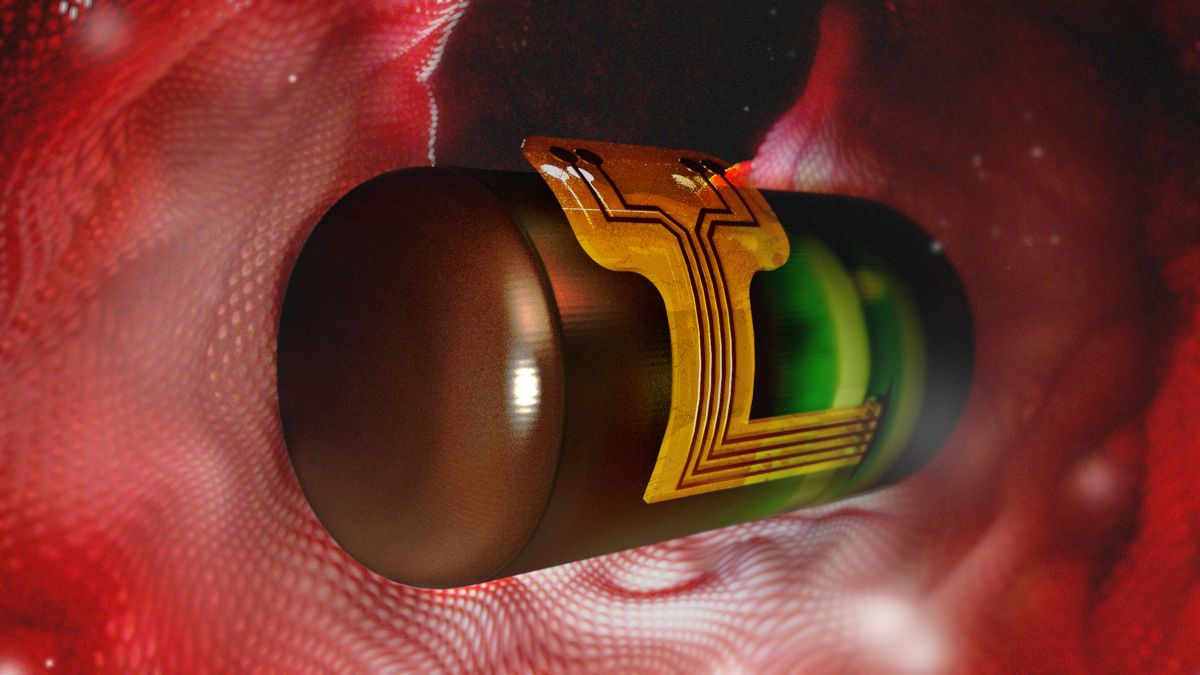
The future of medicine is here, thanks to federally funded science. Tracking blood flow speed for cardiac monitoring & illuminated disease-detection diagnostics are among the latest #NSFfunded medical advancements. 🩸💡 https://t.co/JKxsQ4DAFl
📷: Jeff Fitlow/@RiceUniversity
Giving back to our community 🔨🏠
In honor of #60YearsOfPNNL, staff partnered with @habitatbuilds to build a home in the Badger Mountain South development in Richland.
Momentum Is All You Need
What connects deep space to inner thoughts; or market fluctuations to how AI learns?
Universal Momentum - a new way to think about everything
https://t.co/fTGmqu5RIU
A team of NSF-supported researchers, led by @NorthwesternU, used new imaging techniques to uncover new insights into the way DNA is packaged, offering insights into disease prevention, aging and more.
https://t.co/IvcvvYbgZs
Stopping fentanyl at the border 🛑
PNNL researchers have created a new system that detects trace levels of fentanyl, cocaine, explosives, and other harmful substances through the air.
"Let no one say it can't be done." That's @PNNLab's mantra. This year it is celebrating its 60th anniversary as a National Lab. NNSA relies on PNNL's expertise in nuclear security, but its talents are much wider than that. Join their diamond celebration! https://t.co/SsyzR5lMch
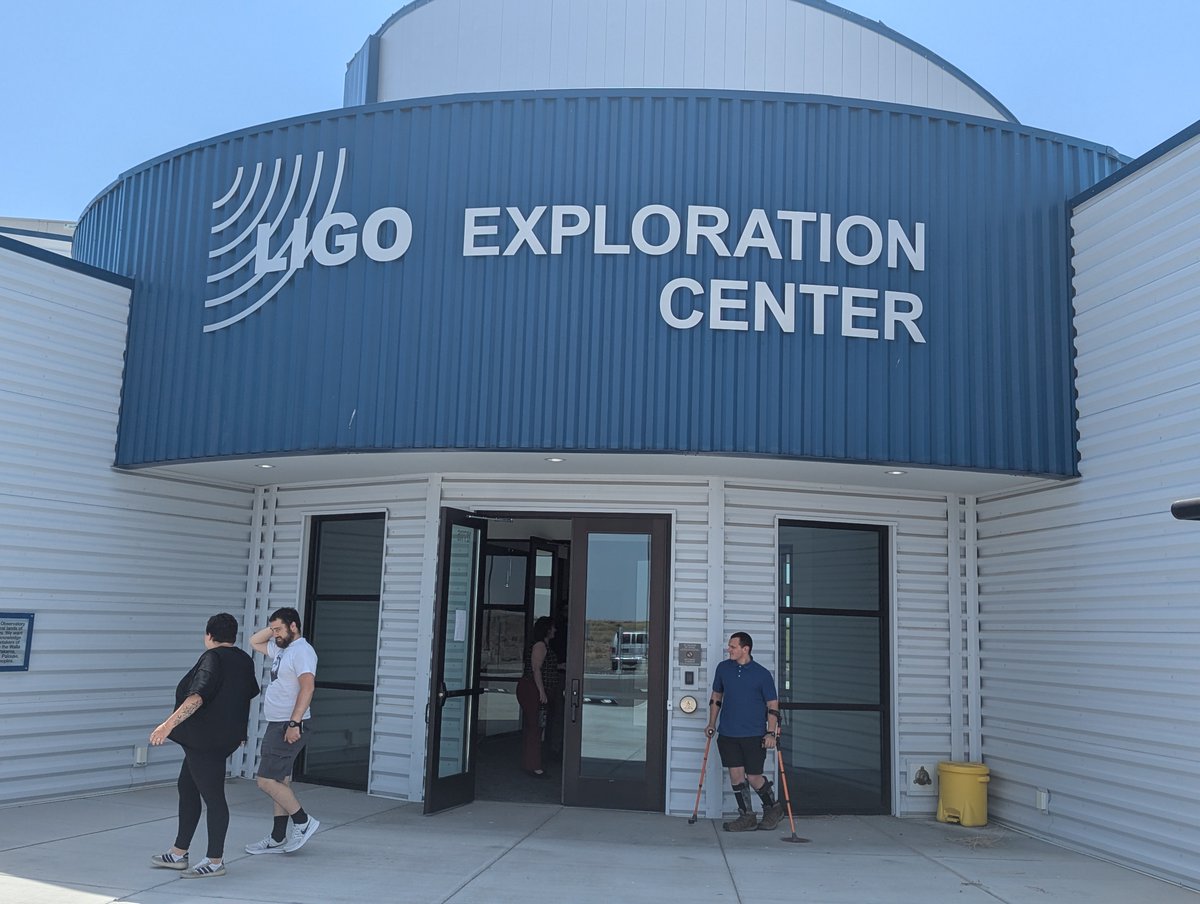
Visited LIGO in Washington—its 2.5-mile interferometer arms mirror the 2-meter setup we use in aevlab. The control room showed how precision and global networks #LIGO, #VIRGO, #KAGRA help detect gravitational waves and improve accuracy.
Cyanobacteria are little factories that can be harnessed to make biofuels, bioplastics, and other bioproducts. PNNL researchers used predictive phenomics to identify an environmental change that boosted the production of sugar. 🍬 Learn more ⤵️ https://t.co/OaOmrckhVh
See how inference has become the main event in #AI infrastructure and why storage is now in the spotlight.
The future of computing is inference, the future of inference is IOPS, and the future of IOPS is Micron. Read more: https://t.co/ocQLLpn7rC
A team of NSF-supported researchers at @UCSanDiego is leveraging supercomputers to tackle challenges with preeclampsia, offering insights into diagnoses and potential treatments for the disease.
https://t.co/hYIW7TqKg0