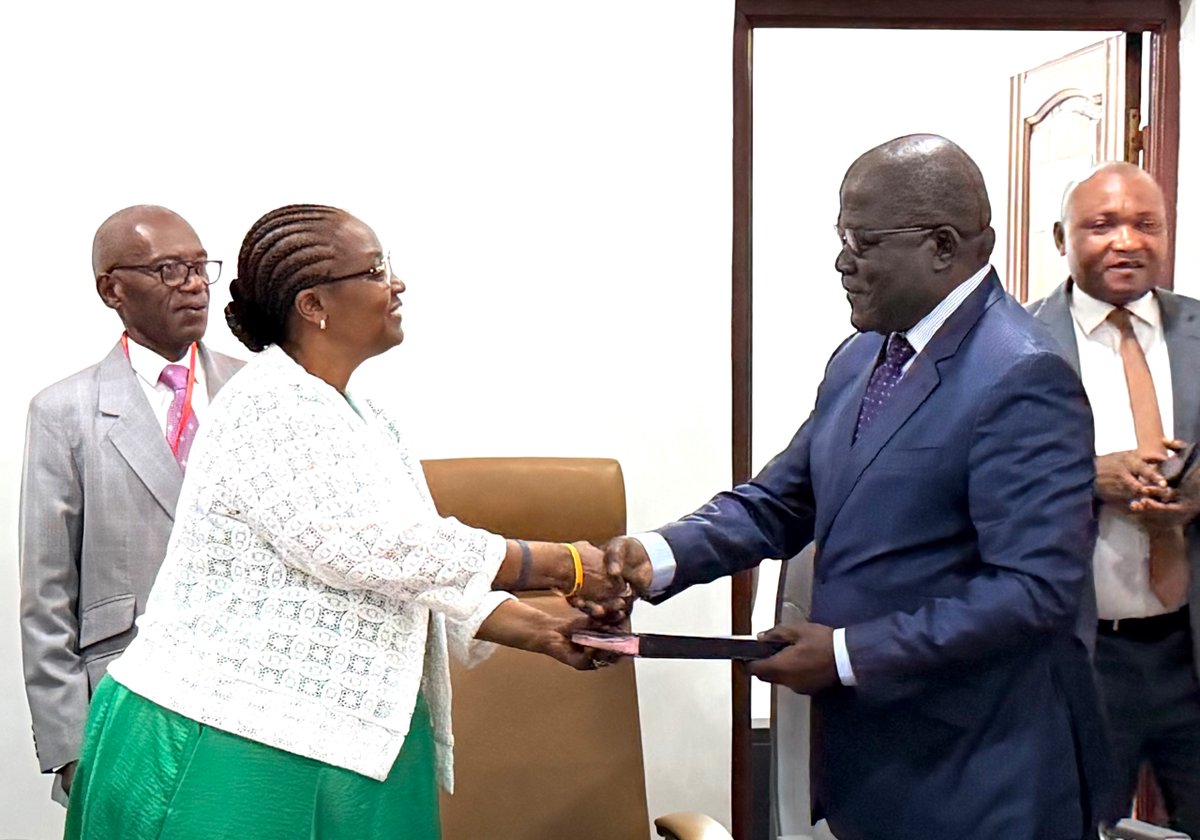
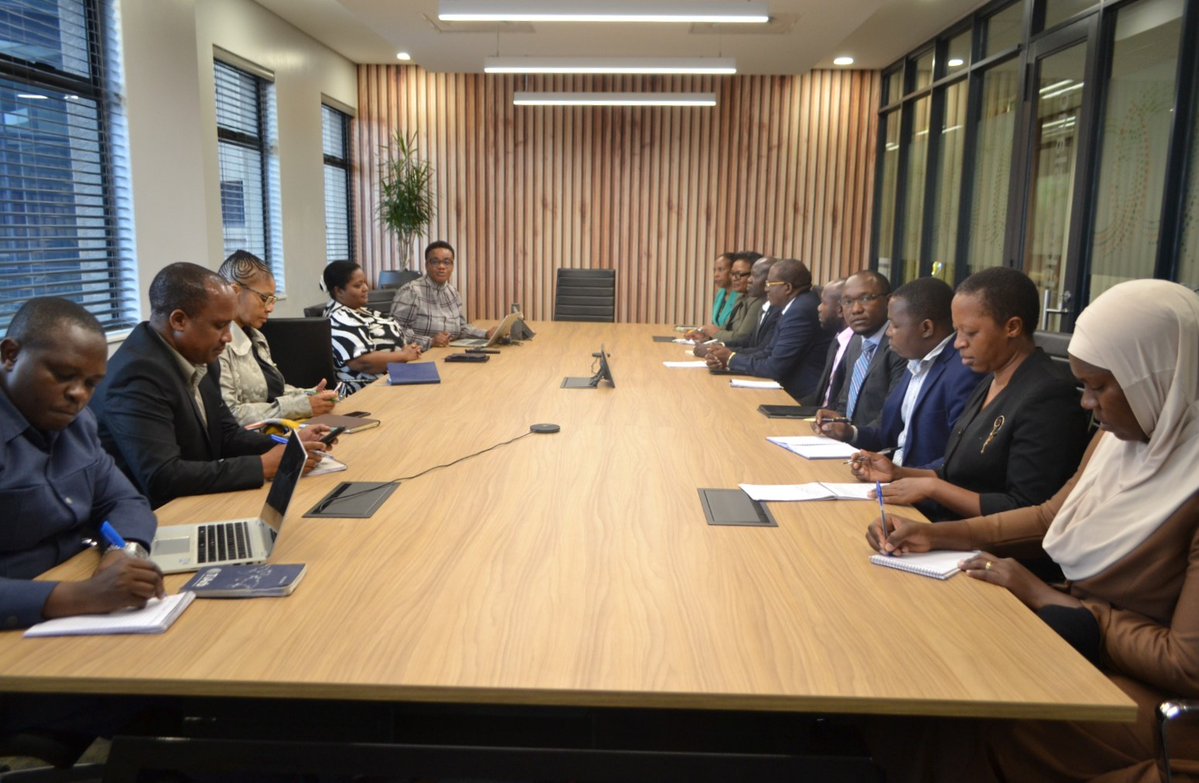
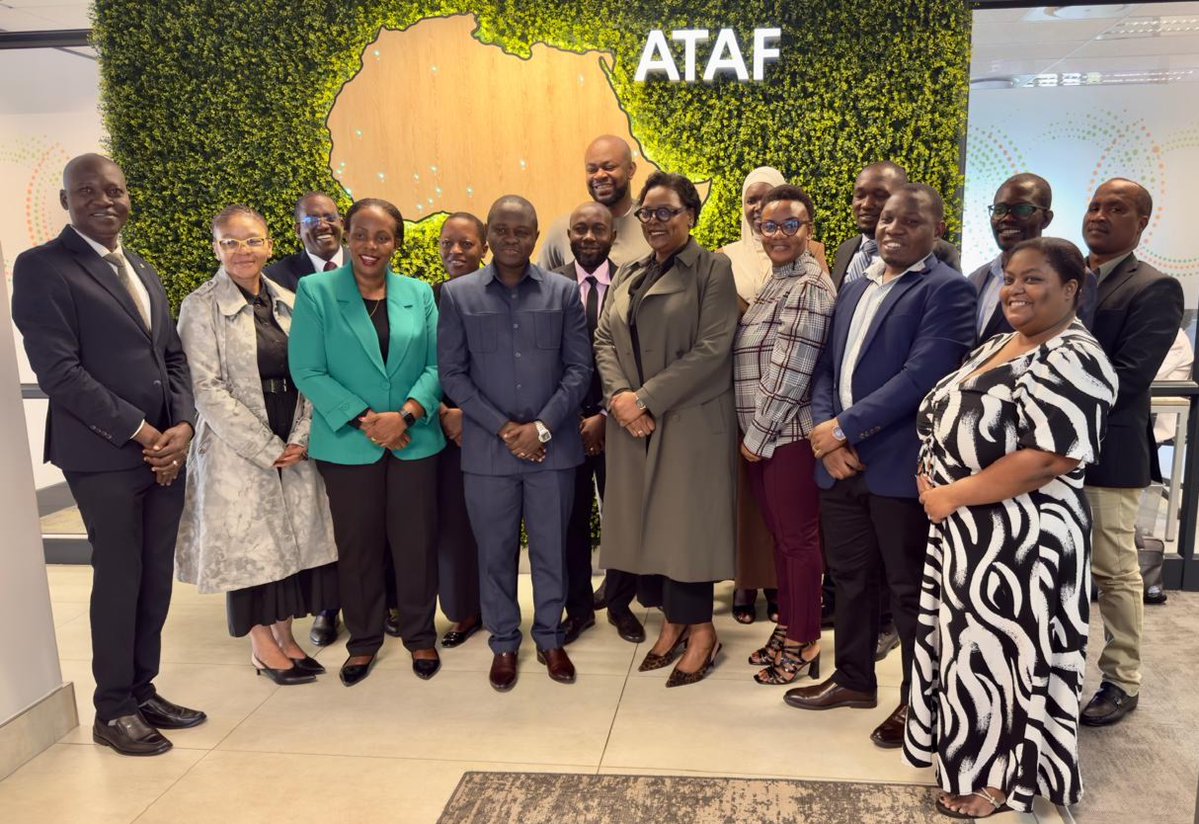
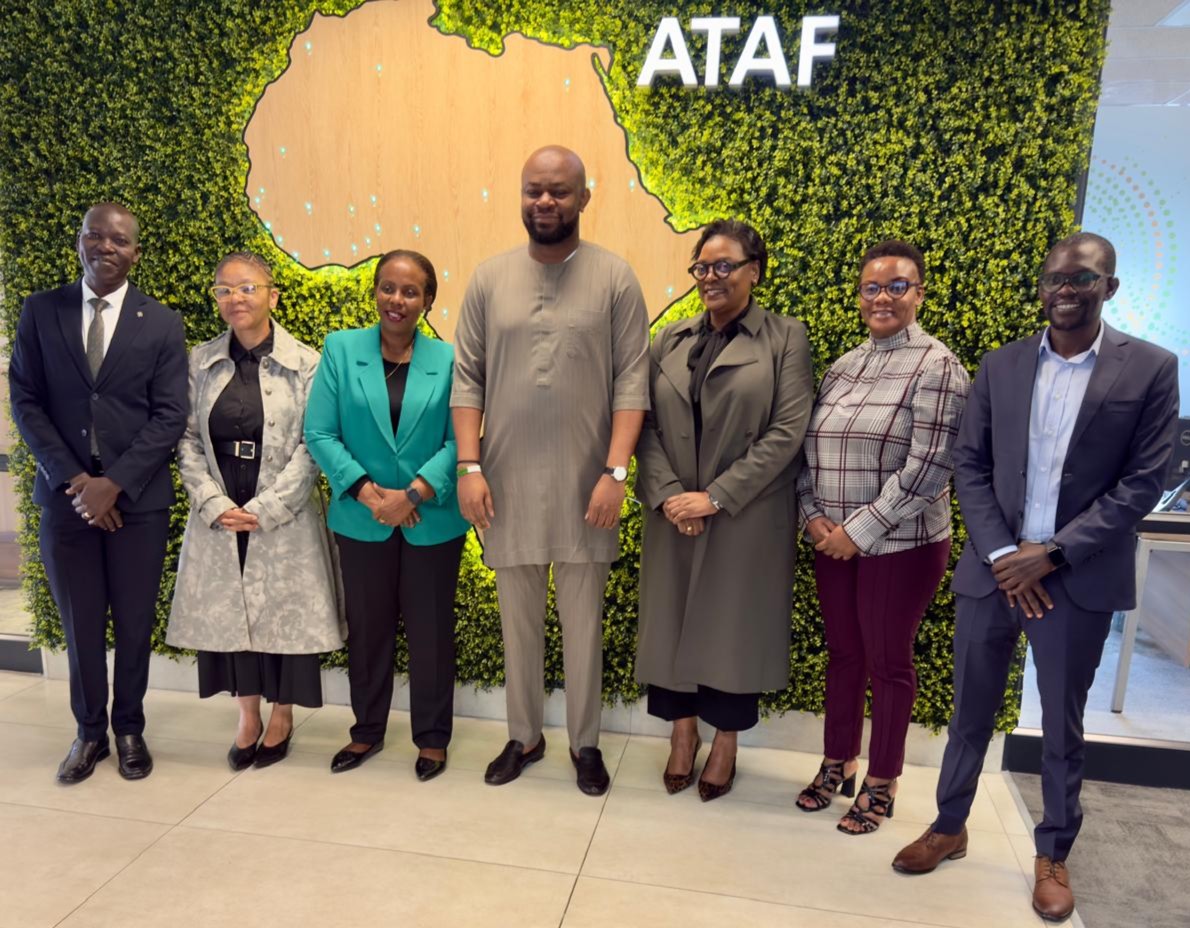
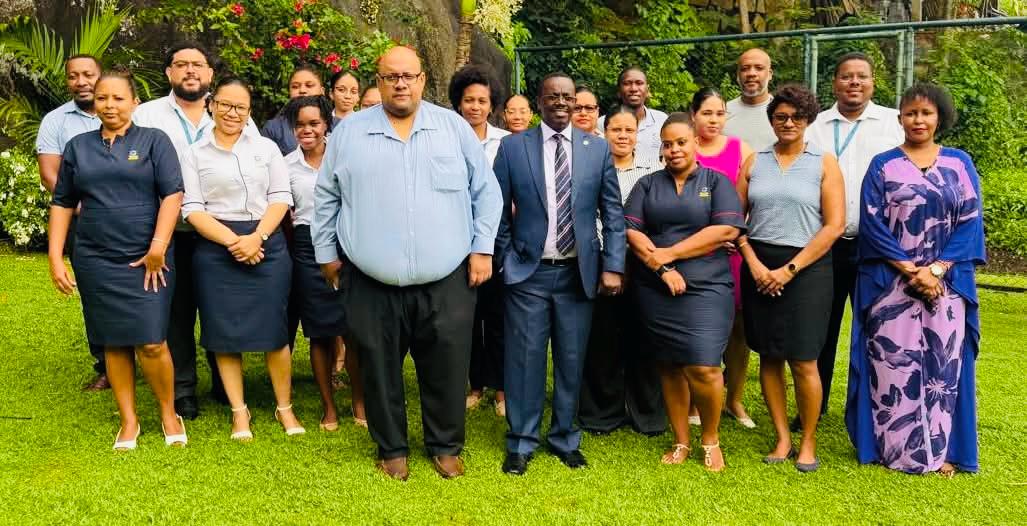
Aujourd’hui marque une étape importante pour la coopération fiscale africaine : La République du Congo rejoint officiellement l’ATAF en tant que 45e membre de l’organisation.
Cette adhésion reflète un engagement commun en faveur d’administrations fiscales plus fortes, plus modernes et plus résilientes à travers le continent, ainsi qu’une volonté collective de renforcer la mobilisation des ressources internes en Afrique.
Nous nous réjouissons de travailler aux côtés de la République du Congo pour promouvoir le partage d’expertise africaine, la coopération fiscale et des solutions adaptées aux réalités du continent.
Lisez le communiqué de presse içi : https://t.co/6QxTf94pMC
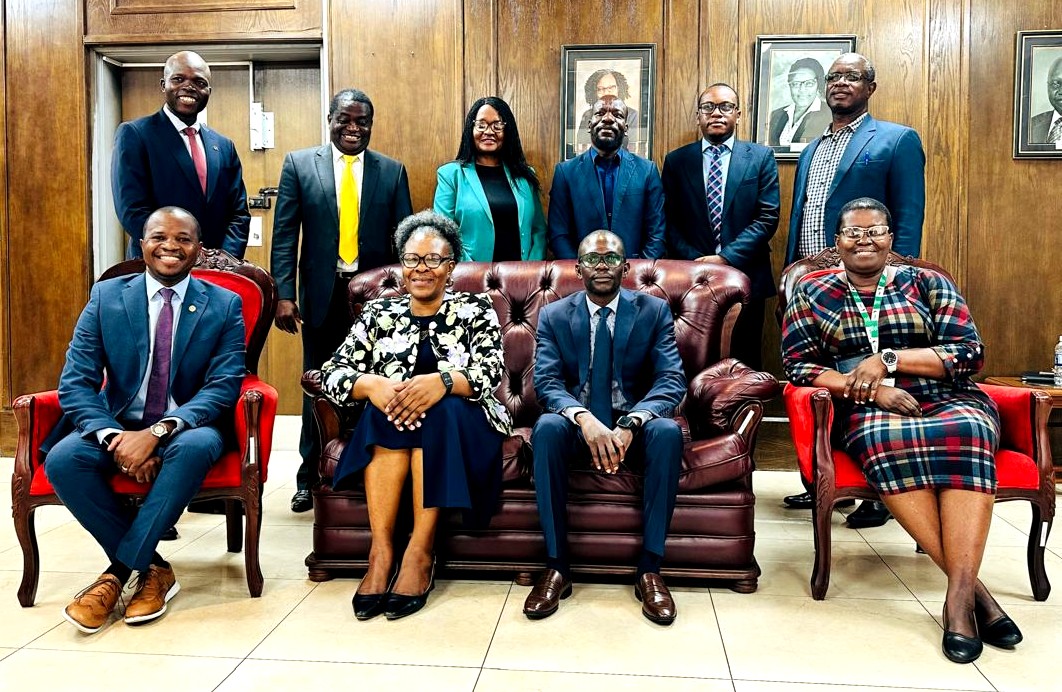
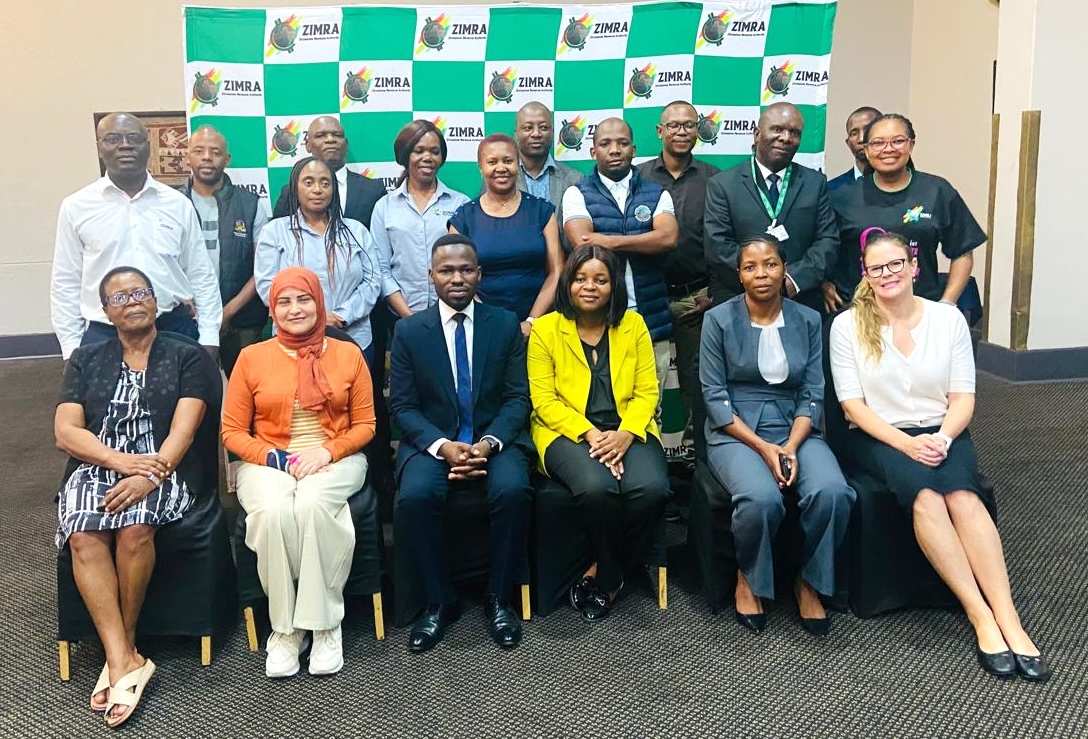
Working with ZIMRA to strengthen health and excise tax systems in Zimbabwe.
From 27–30 April 2026, our experts, Mr Linstrom Marangu and Mr Moses Chamisa, conducted a scoping mission to advance effective health tax policies, strengthen excise tax administration, and identify technologies that can support sustainable outcomes.
The engagement brought together teams from Policy, Legal, Domestic Taxes, and Customs to exchange practical experiences and explore approaches to improving health tax policies and implementation capacity.
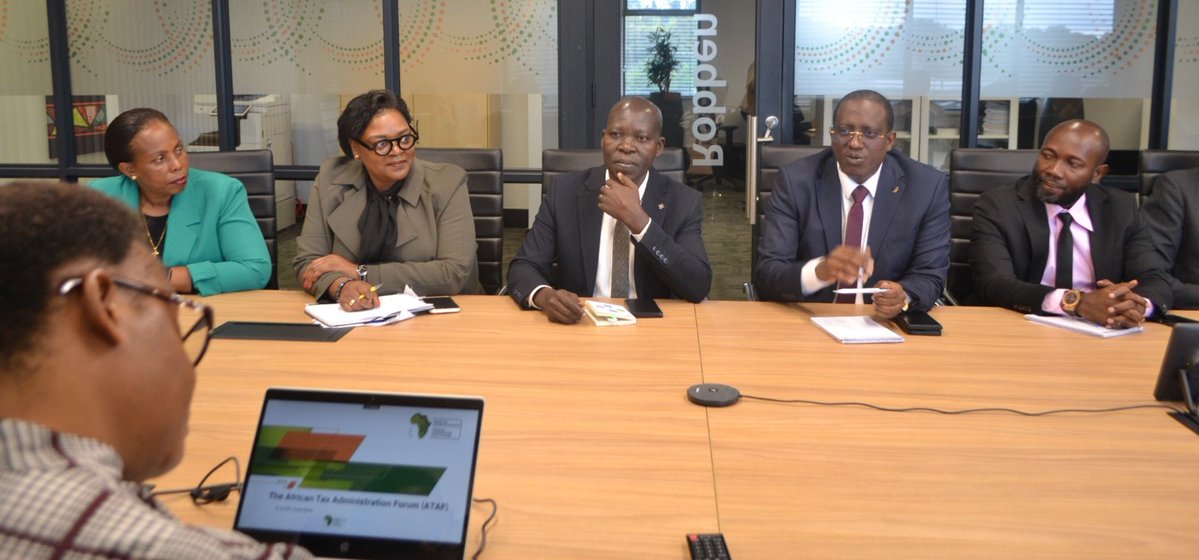
The mission also included a courtesy engagement with the Commissioner General of ZIMRA, reflecting the shared commitment to using effective tax measures to support public health outcomes and domestic revenue mobilisation.
Understanding who should be paying tax and ensuring effective compliance approaches are in place is becoming an increasingly important priority for tax administrations across Africa.
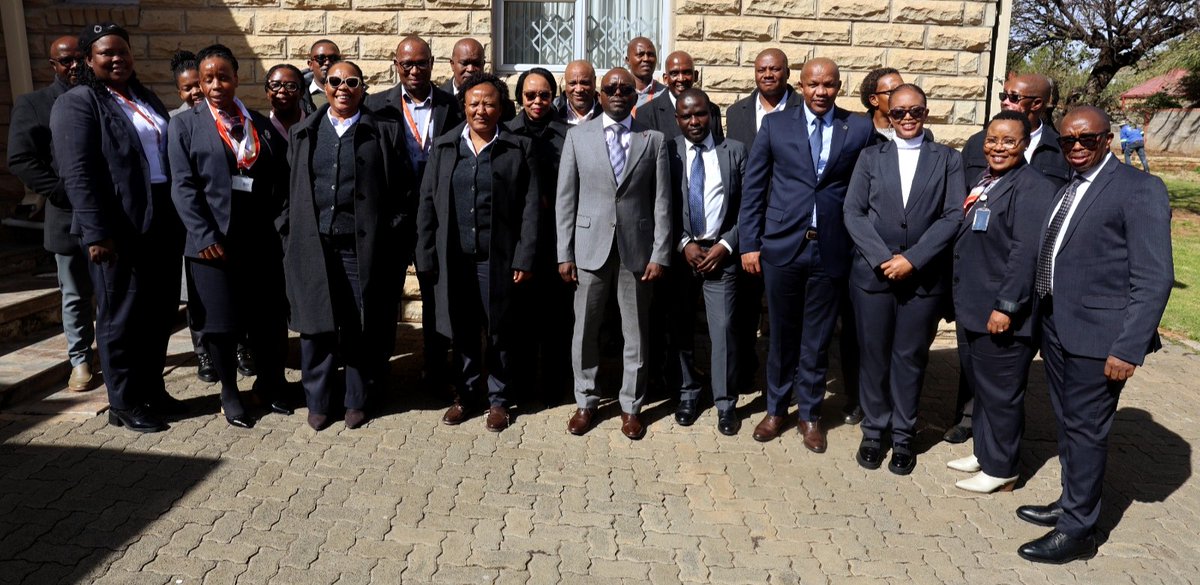
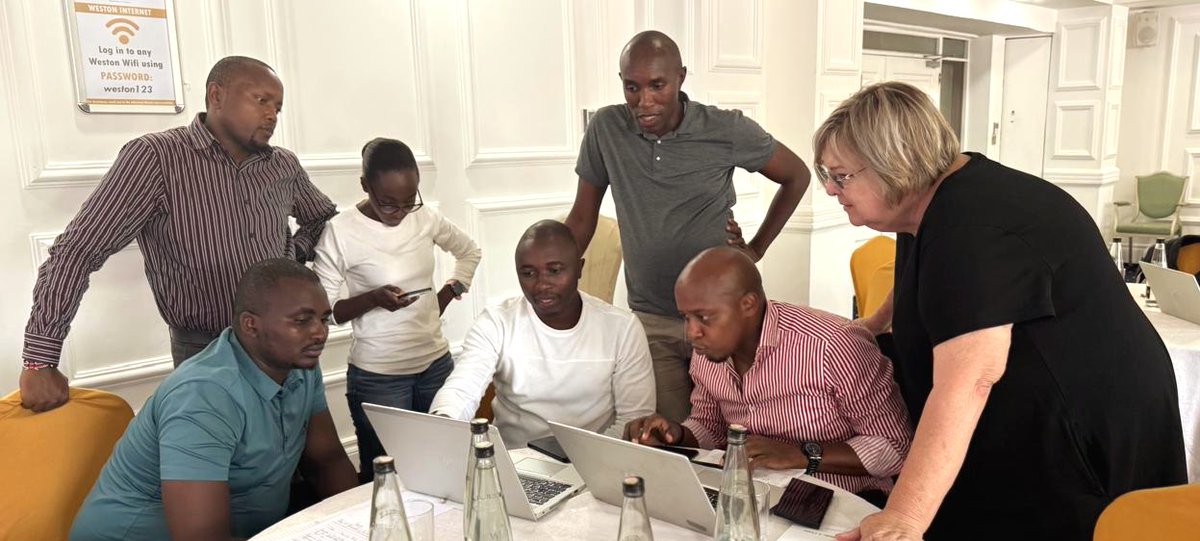
In Lesotho, Mr Paul Khanare (our Income Tax Specialist) and Mr Ronald Waiswa (our Specialist in Applied Research and Statistics), together with Mr Michael Mwaura from the Kenya Revenue Authority, are engaging with Revenue Services Lesotho on the development of a framework and strategy for the taxation of High-Net-Worth Individuals (HNWIs) and VIP taxpayers.
The engagement brings together leadership and technical teams to explore practical approaches for identifying potential HNWI taxpayer populations, strengthening compliance management, and developing an implementation roadmap tailored to Lesotho’s national context.
Strengthening international taxation capacity on the continent requires more than policy discussions. It requires practical skills, technical confidence, and institutions that are equipped to respond to an evolving global tax environment.
This week in Seychelles, we are working alongside officials from the Seychelles Revenue Commission, Ministry of Finance, Office of the Attorney General, Financial Services Authority, and the Office of the Registrar of Seychelles through a specialised workshop on Transfer Pricing principles and policy considerations on the Global Minimum Tax rules.
Led by ATAF’s Head of Domestic Resource Mobilisation, Mr Anthony Munanda, and Transfer Pricing Specialist, Ms Mercy Mbithi, the programme focuses on technical discussions — from transfer pricing methodologies and audit techniques to navigating the evolving Global Minimum Tax rules and the implications for domestic revenue mobilisation.
The engagement reflects the growing partnership between ATAF and Seychelles, building on ongoing collaboration to strengthen technical expertise, enhance policy readiness, and support more effective international tax administration in African countries.
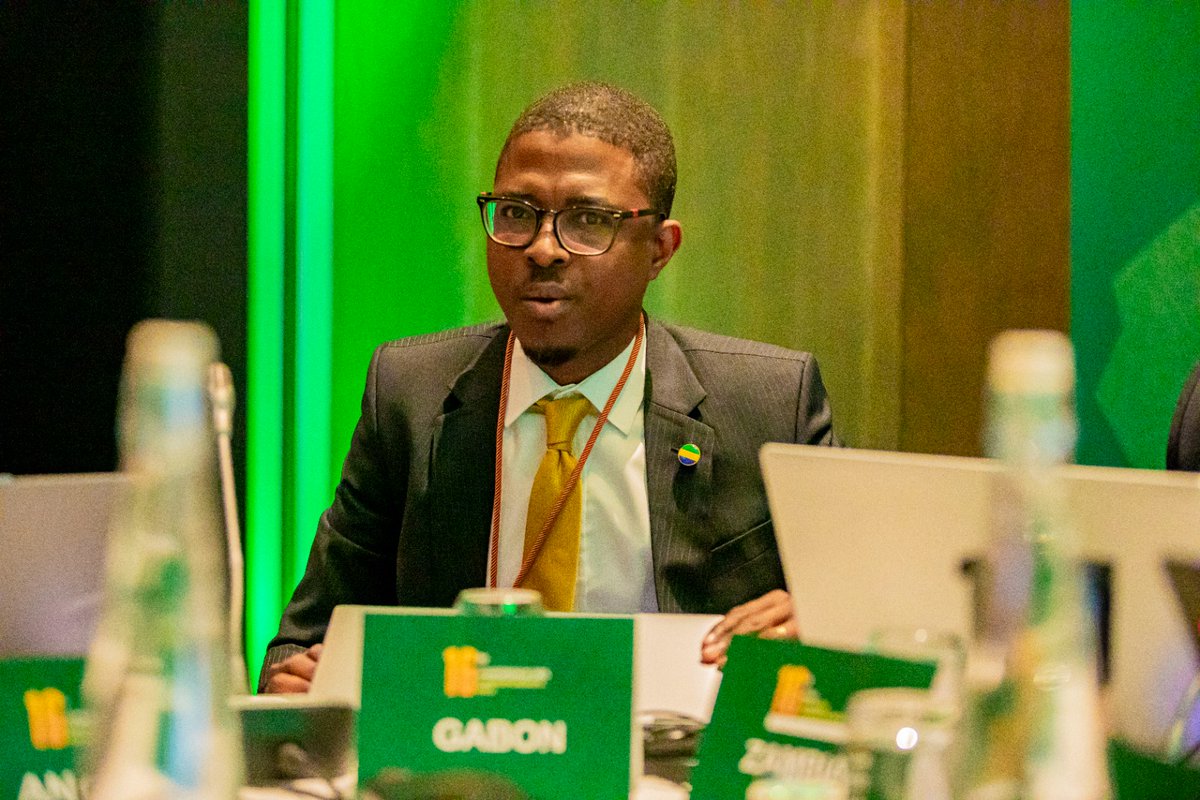
Dans le cadre de leurs efforts continus visant à renforcer leur soutien aux pays africains francophones, l’ATAF et la CEMAC ont organisé un atelier conjoint à Douala du 23 au 27 mars 2026. L’atelier a réuni 17 participants représentant les administrations fiscales du Tchad, de la République centrafricaine, du Cameroun, du Gabon, de la Guinée équatoriale et de la République du Congo.
L’atelier a également permis de déceler des lacunes majeures dans les régimes de prix de transfert au sein de la communauté des États de la CEMAC et a marqué une étape importante dans le renforcement de la coopération fiscale entre l’ATAF et la CEMAC, ainsi qu’entre les pays membres de la CEMAC. Le projet, financé dans le cadre de l’Accord multi-donateurs (MDA) entre l’Union européenne, la Finlande et la BMZ avec le soutien de la GIZ, constitue une étape majeure dans la fourniture d’une assistance technique de haute qualité par l’ATAF à ces pays.
En savior plus : https://t.co/KWT4RvLBRg
ATAF and WATAF Sign Landmark Long-Term Memorandum of Cooperation (MoC) to Deepen Regional Tax Cooperation:
“We are delighted to sign this lifetime MOC with WATAF that will ensure we jointly serve our members in the West Africa region. The partnership will also provide insights into tax trends and developments in the region and allow us to tailor the precise programmes that speak to the region.” ATAF Executive Secretary, Ms Mary Baine.
Read the full story here: https://t.co/5HX76AbpY4
Across many African tax administrations, significant investments have been made in digital systems—but a critical gap remains: are these reforms actually delivering improved revenue and compliance outcomes?
In Sierra Leone, this question is front and centre. Despite the rollout of systems such as Electronic Fiscal Devices (EFDs) and product tracking for excise taxes, limited empirical evidence exists on their real impact on revenue performance and leakage reduction.
Working with the National Revenue Authority of Sierra Leone, our expert Mr Ronald Waiswa is supporting a comprehensive, data-driven assessment of these digital reforms—moving beyond implementation to measuring effectiveness from 23-27 March.
Through rigorous analysis of taxpayer data, filing behaviour, and revenue trends, ATAF is helping to answer key questions: Are digital tools improving compliance? Are they strengthening revenue collection? Where are the gaps?
The outcome goes beyond diagnostics. ATAF’s support will deliver practical, evidence-based recommendations to optimise these systems, strengthen enforcement, and maximise revenue impact.
As part of our ongoing collaboration with the @KRACorporate, through the @KESRA_KRA, ATAF is supporting efforts to strengthen tax administration reforms and align domestic systems with evolving international standards.
From 9–13 March, our experts Dr. Moses Chamisa and Ms. Wynonna Steyn delivered targeted technical assistance focused on enhancing KRA’s capacity in revenue forecasting and tax analysis—key tools for effective fiscal planning and informed decision-making.
Through practical, hands-on engagement, the programme strengthened approaches to assessing revenue performance, applying forecasting techniques, and using analytical tools to improve the accuracy and credibility of revenue projections.
The impact is clear: stronger data, better insights, and more informed policy decisions. By building these capabilities, ATAF is helping KRA enhance compliance strategies, improve budget planning, and strengthen domestic resource mobilisation.
We are delighted to welcome a delegation from Tanzania’s Office of the Tax Ombud, led by the Acting Ombud, Ms Witness Mollel, as well as the @TaxOmbud to our offices in Pretoria.
During this benchmarking and knowledge-sharing visit, delegates engaged with our experts on approaches to strengthening tax administration and promoting good governance. Discussions also focused on sharing regional experiences, exchanging practical insights, and exploring solutions that can be adapted to Tanzania’s context.
Zimbabwe is continuing to take significant steps to embrace tax transparency and exchange of information, contributing to global efforts to combat tax evasion and illicit financial flows. These efforts aim to ensure that its legal system and administrative capability align with international standards, which will be assessed in a forthcoming peer review by the Global Forum on Transparency and Exchange of Information for Tax Purposes.
To support this process, our International Tax, Policy and Administration Advisor, Ms Melissa DeJong, EOI Expert Ms Reem Abuzied, and the ATAF Chair of the EOI Technical Committee, Mr Joseph Balikuddembe from the Uganda Revenue Authority (URA), worked closely with colleagues from the Zimbabwe Revenue Authority (ZIMRA), as well as representatives from the Ministry of Finance, Companies Registry, and the Reserve Bank, alongside key private sector stakeholders.
Practical discussions, mock assessments, and hands-on sessions enabled participants to review key EOIR elements and work through the requirements for completing the peer review questionnaire. A detailed set of recommended actions will be prepared to guide Zimbabwe in further strengthening its legal framework and practical implementation.
This engagement was supported by the GIZ Good Financial Governance in Africa project through the Multi-Donor Action on Fighting Tax-Related Illicit Financial Flows in Africa, co-funded by the European Union, the Ministry for Foreign Affairs of Finland, and the German Federal Ministry of Economic Cooperation and Development (BMZ).
The visit follows an initial mission conducted in March 2025, which focused on Phase 1 of the peer review and included a comprehensive assessment of the legal, regulatory, and institutional framework governing transparency and exchange of information. The discussions examined strengths, identified technical and legislative gaps, and provided targeted recommendations to
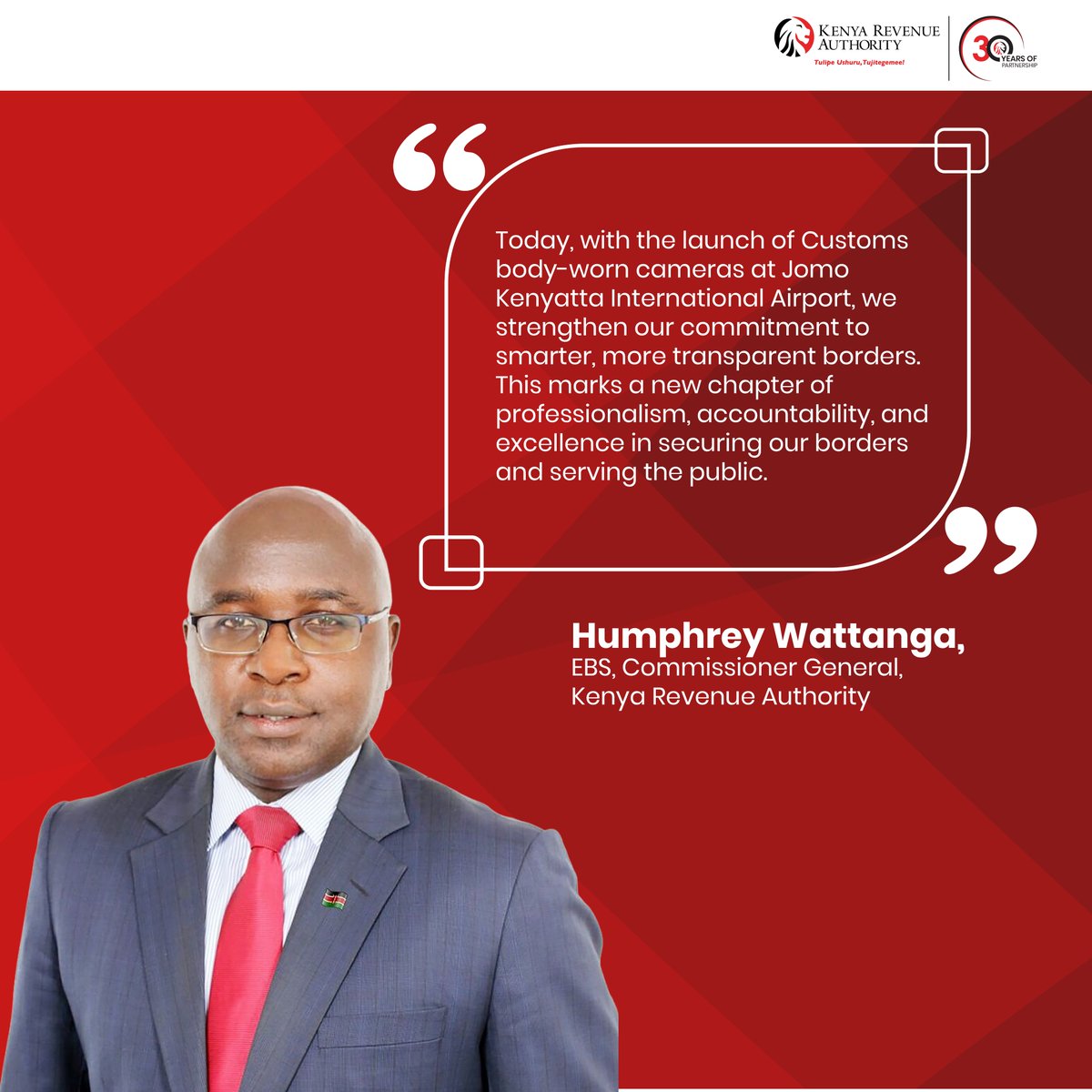
Proud to mark the launch of Customs body-worn cameras at JKIA today. This initiative reinforces our commitment to transparency, professionalism, and secure borders as we continue to modernize service delivery for the public. 🇰🇪
#KRABodyCam#CustomsandBorderControl
The Platform for Collaboration on Tax (PCT) Conference on Tax and Development is underway in Tokyo, bringing together experts and institutions from across the global tax community to discuss practical, collaborative ways to strengthen tax systems.
Our Head of Member Services, Mr Emeka Nwankwo, spoke on the panel, "Building Domestic Capacity on International Tax". He emphasised that effective capacity building starts upstream, through the design of international tax rules that recognise the different levels of maturity of revenue systems worldwide and provide clear implementation pathways for countries at varying stages. He further noted that capacity becomes meaningful when countries can implement, administer, and enforce international tax rules within their current institutional and operational environment.
Fellow panellists — Mr Yenda Shamanobo, Ms Benjaporn Jitnurut, Ms Mari Khurtsidze, Ms Deborah Lock — and moderator Manal Corwin also shared valuable perspectives on intentionally sequenced and targeted approaches to capacity enhancement.
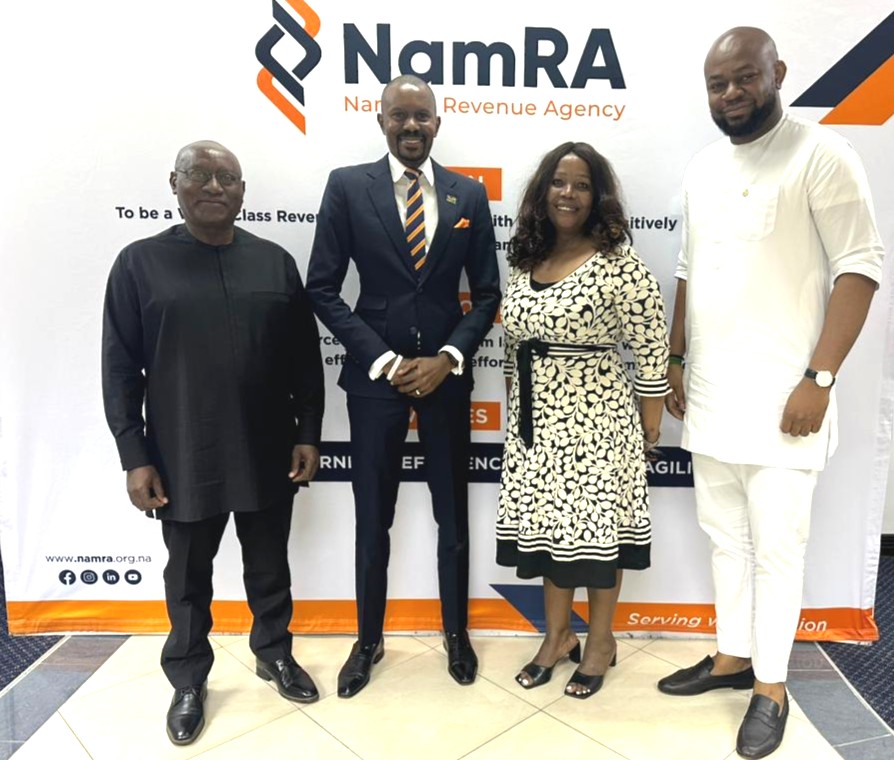
The @NamRA_org_na is on a transformational journey to deliver on its strategic objectives in support of Namibia’s National Development Plan. ATAF is proud to partner with NamRA on this path, working together to strengthen delivery and achieve shared goals.
As part of this collaboration, we conducted a mission last week led by Emeka Nwankwo (Head of Member Services), alongside Mr Henry Gaperi and Ms Maria Luke.
Behind every impactful ATAF programme is a committed Country Correspondent.
Today’s sessions focus on strengthening their strategic role — clarifying responsibilities, addressing operational challenges, and reinforcing their position as national champions of ATAF’s mandate. Their leadership ensures continuity, coordination, and country ownership of ATAF initiatives.
Country Correspondents are the bridge between ATAF and its members. They turn collaboration into action. Meet Ms Inzwirashe Muwonwa, ATAF Country Correspondent for Zimbabwe.
"Peer-to-peer learning and support from sister organisations such as ATAF play a critical role in enhancing domestic resource mobilisation.” — Ivohasina F. Razafimahefa, IMF AFRITAC West 2 Director.
At a Regional Leadership Forum convened by IMF AFRITAC West 2 in Freetown, senior tax leaders from six West African countries came together to exchange solutions on strengthening leadership for durable tax reforms. Ms Caroline Mutayabarwa, ATAF’s Manager for the Tax Academy, contributed to the discussions by leading a session on "Managing Political Interference in Tax Administration," sharing practical strategies and good practices grounded in African experience.
The discussion generated strong engagement among delegates, including Commissioners General and Deputy Commissioners General, underscoring the growing importance of leadership competencies, institutional safeguards, and governance frameworks in protecting revenue administrations from undue influence.
For our members, the value is clear: people-driven peer learning, practical leadership insights, and strengthened collaboration help tax administrations remain resilient, credible, and effective.
We remain committed to supporting our members, as they navigate the intersection of VAT policy, compliance risk management, and virtual assets. Mr Emeka Nwankwo, our head of Member Services department, participated in the Sixth Meeting of the OECD’s Global Forum on VAT, where he delivered a presentation on the VAT treatment of cryptoassets in Africa.
He highlighted that cryptoassets remain a frontier issue for tax jurisdictions, and is dynamic, fast-evolving, and still under active study with ongoing research needed to deepen shared understanding and support practical, implementable approaches.
Key takeaways from ATAF’s perspective as submitted by Emeka included the need for jurisdictions to:
• Set a clear VAT model for token exchange (e.g., exempt vs taxable) aligned to neutrality and administrative capacity
• Publish classification guidance covering token dealing, intermediation fees, custody/wallet services, mining, and crypto used as consideration
• Clarify valuation methods and evidence requirements to strengthen compliance and auditability
• Prioritise compliance on taxable services and fees, and leverage VASP/AML data for risk analytics
• Coordinate regionally to reduce arbitrage and improve consistency in terminology and audit approaches
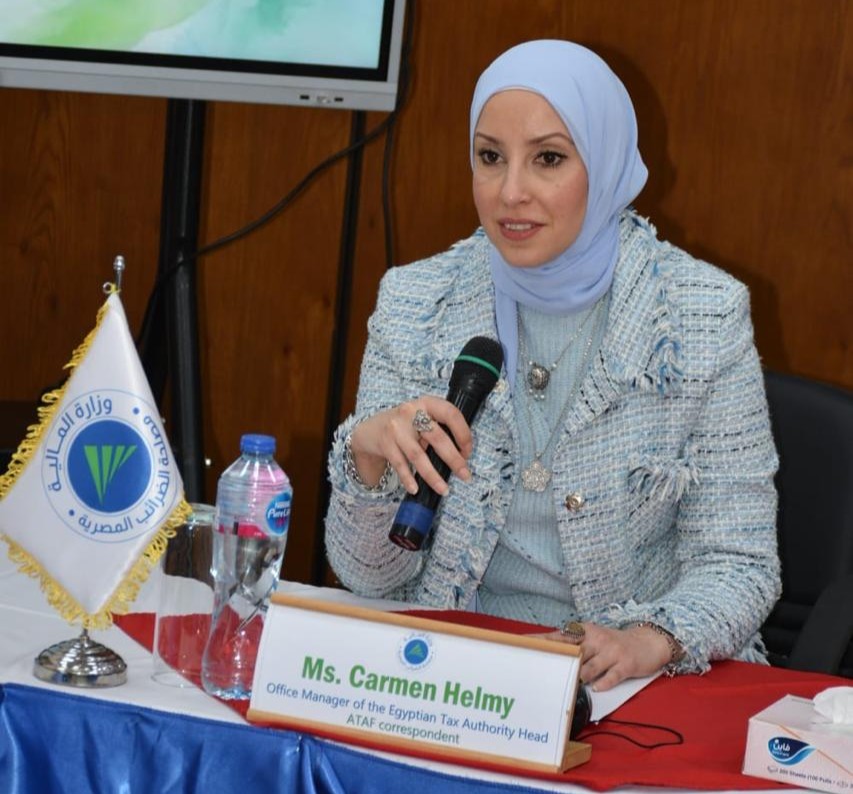
As part of our continued collaboration with the Egyptian Tax Authority (ETA) in supporting its ongoing tax administration reforms, aimed at aligning domestic tax systems with evolving international tax standards, our experts, Dr Moses Chamisa and Ms Wynnona Steyn, are delivering targeted technical assistance focused on strengthening ETA’s capacity on revenue forecasting and tax analysis to support fiscal planning and informed decision making.
The engagement focuses on practical approaches to tax revenue performance assessment, forecasting techniques, and the application of analytical tools to improve the credibility and reliability of revenue projections. This work is intended to strengthen ETA’s ability to generate evidence-based insights that inform policy decisions, compliance strategies, and budget planning.
🌍 ATAF is in Addis Ababa, Ethiopia! 🇪🇹
We’re at the 57th Session of the Economic Commission for Africa, where African Ministers of Finance, Planning & Economic Development are tackling key fiscal and trade policy challenges linked to the African Continental Free Trade Agreement @AfCFTA
ATAF is proud to strengthen partnerships with UNECA, the @_AfricanUnion, and the @AfDB_Group to drive impactful tax and customs policies for Africa’s economic growth. 💡
Paid Course?
I'm giving you access to 15+ FREE Courses
1. Microsoft Excel
2. Advanced Excel
3. Probability
4. Statistics
5. Mathematics
6. Tableau
7. PowerBI
8. SQL
9. SQL + Tableau
10. Python
11. Python Programmer Bootcamp
12. Git and GitHub
And Many More
To get it, just:
1. Like & Retweet
2. Comment "Free"
3. MUST be Following (so that I can dm)