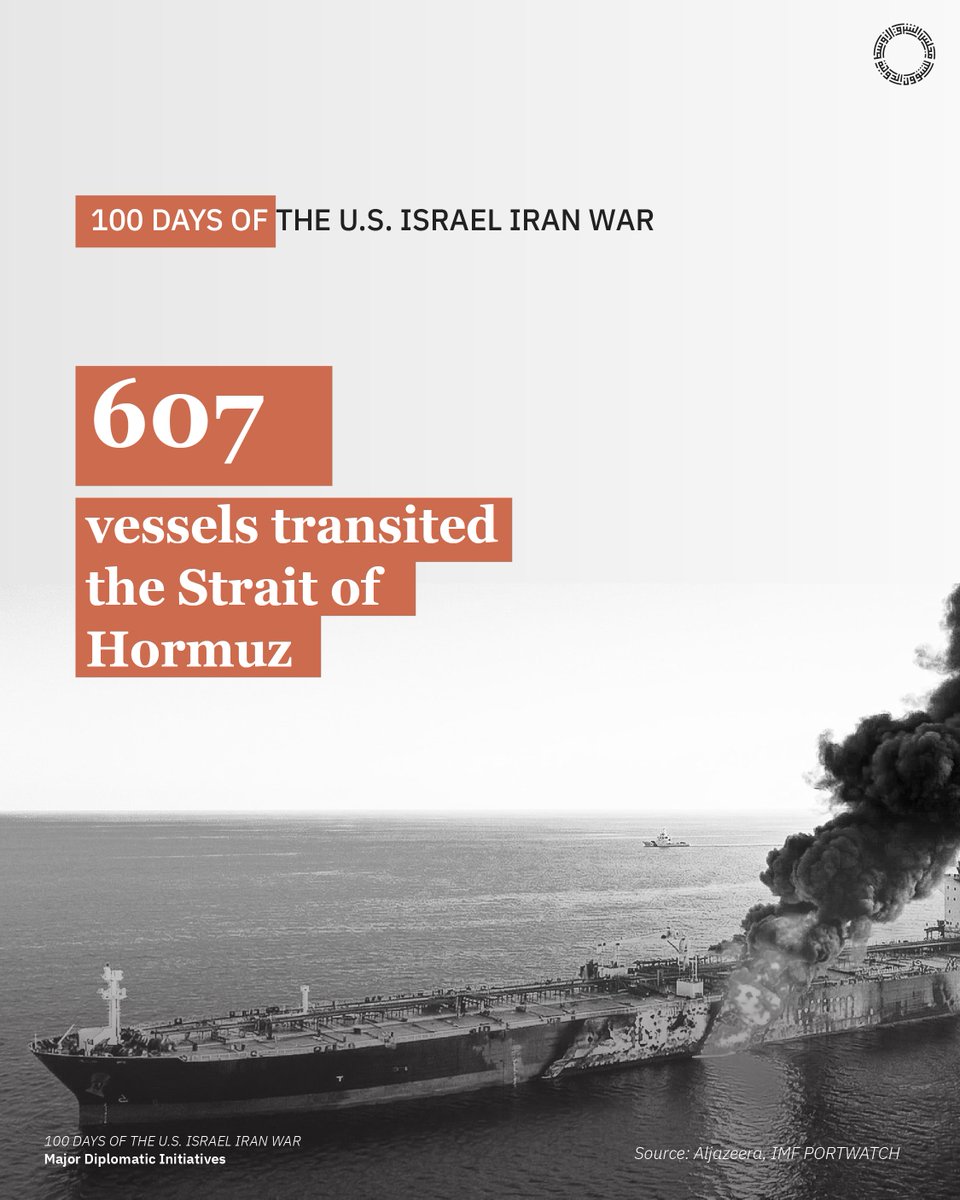
Snapshot | The disruption of shipping through the Strait of Hormuz has been one of the most significant consequences of the U.S.-Israel-Iran war. Over the first 100 days of the conflict, only 607 vessels transited the waterway, averaging just 7 crossings per day, compared to a pre-conflict norm of around 100.
This snapshot highlights the scale of the disruption and its implications for global trade and energy markets.
Read more analysis on our website on the economic costs of the war and the far-reaching implications of the Strait of Hormuz closure for energy security, global markets, maritime trade, and regional stability.
https://t.co/3Z1USVfFrp
How can the Middle East build a resilient future?
@N_ALNABET, @tamarahimani, @nadimhoury, & Noor Al Thani underscore the importance of meaningful engagement as the region's youth navigate this critical inflection point.
Moderated by @hanaelshehaby_
https://t.co/8ydacFKbCQ
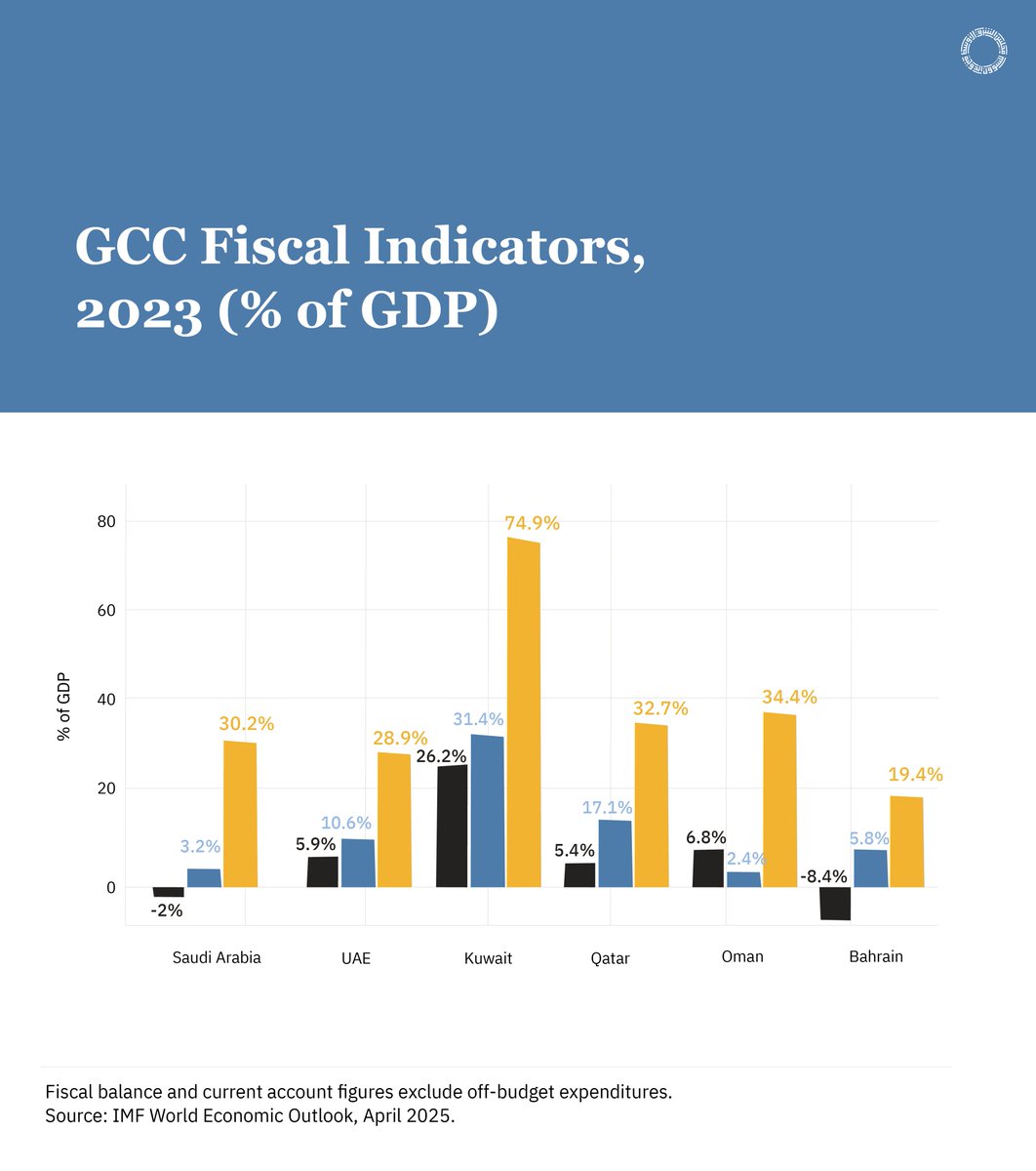
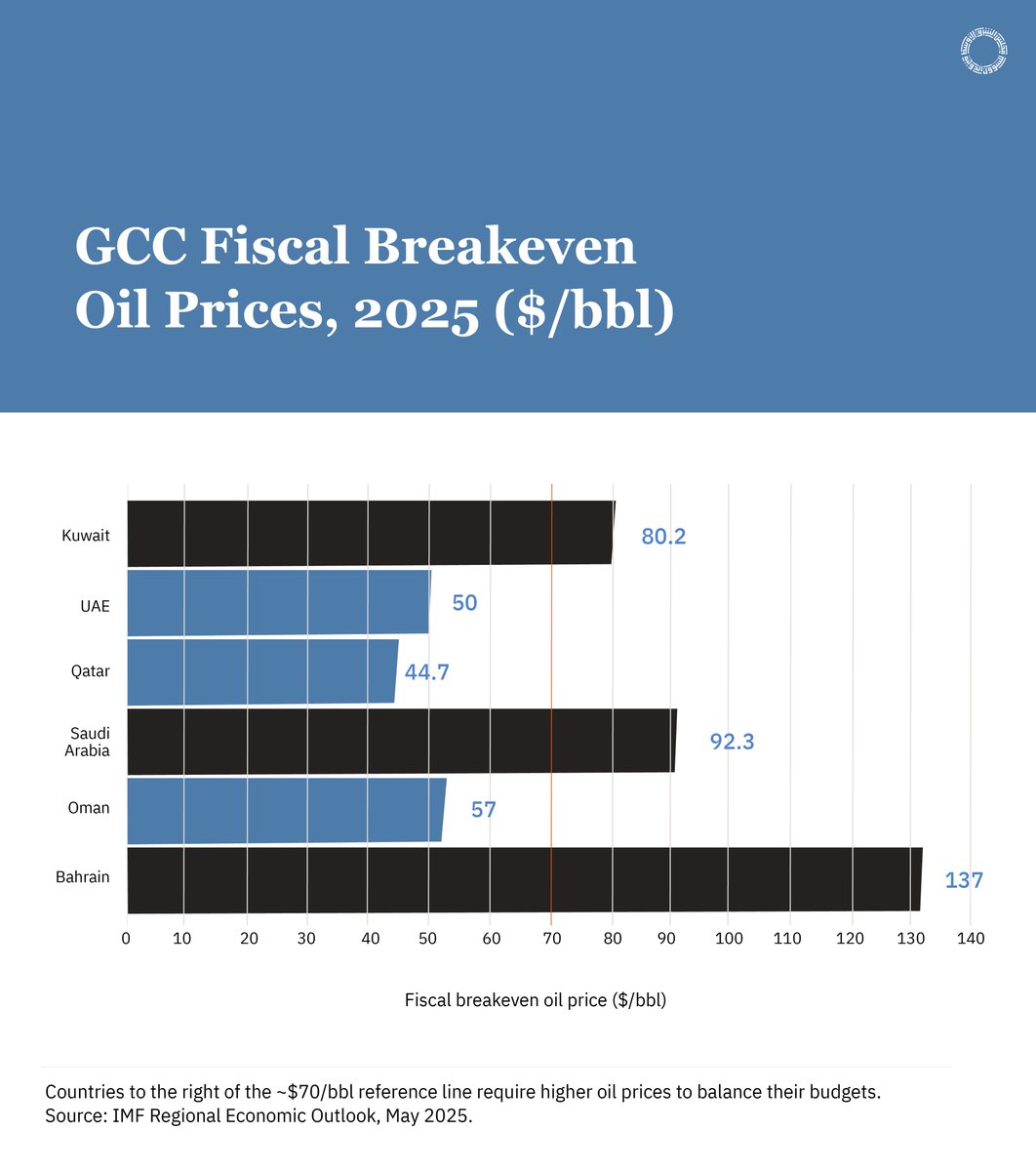
The Gulf states face the U.S.-Israel-Iran war from very different fiscal positions. Foreign exchange reserves range from 15 months of import coverage in Saudi Arabia to just one month in Bahrain. Fiscal breakeven oil prices span from $44/barrel in Qatar to $137/barrel in Bahrain. And while the region's sovereign wealth funds are estimated at up to $6 trillion, fund size does not always translate into accessible liquidity in a crisis.
Our latest situation assessment, 'Gulf Sovereign Wealth Funds and the Cost of Crisis Resilience,' analyzes the fiscal indicators underpinning GCC economic resilience and examines the structural trade-offs these states face as the conflict continues.
Read the full publication: https://t.co/2tJJF0PdZ6
ندوة نقاشية عبر الإنترنت | ما بعد الغرب: العرب وإعادة تشكيل النظام الدولي
🗓️ الثلاثاء 19 مايو
🕐 01:00 - 02:00 ظهراً بتوقيت الدوحة
🔗 للتسجيل والمشاركة: https://t.co/anxaBO2Akd
المتحدثون:
د. مأمون فندي، مدير معهد لندن للدراسات الاستراتيجية
د. نادر كاظم، كاتب وناقد ثقافي
د. زيد الفضيل (@zash113)، مدير البرنامج الثقافي، مركز الخليج
أ. بشرى خلفان (@bushrakhalfan)، كاتبة وروائية عمانية
مدير الجلسة:
فوزي الغويدي، زميل زائر، مجلس الشرق الأوسط للشؤون الدولية
This Week | Gulf Politics and the Future of US Relations
Join us this Wednesday, May 13, for an online discussion on 'Gulf Politics and the Future of US Relations.'
---
Time: 4:30–5:30 PM Doha time (GMT+3)
Platform: Zoom
Registration: Scan the code to register.
Upcoming Webinar: "A Fragile Truce: Lebanon's Dilemma and Prospects for Peace"
🗓️Wednesday, April 29
🕟4:30–5:30 PM (Doha time)
📌Online | Zoom
🔗Register: https://t.co/XRiD7Nt9jo
SPEAKERS:
Joseph Bahout (@jobahout)
Director, Issam Fares Institute for Public Policy and International Affairs (@ifi_aub), American University of Beirut
Joyce Karam (@Joyce_Karam)
Editor-in-Chief, Al-Monitor
Bilal Y. Saab
Senior Managing Director, TRENDS US
MODERATOR:
Omar H. Rahman (@omarrahman)
Fellow, Middle East Council on Global Affairs
القيمة الفعلية للتحالفات لم تعد في الضمانات الأمنية، بل في ما توفّره من موارد وتكنولوجيا وتدريب وقدرة على تعزيز القدرة الذاتية على الدفاع.
المزيد في مقال لـ "هنا الشهابي - @hanaelshehabyy"
https://t.co/WAlIm6NdIX
قرار فرض الحصار البحري قلب الطاولة على الجميع، أو كما يقال في المثال الخليجي "كب العشا".
من مداخلتي اليوم على شاشة الجزيرة حول آخر التطورات فيما يتعلق بمضيق هرمز والمنطقة.
The humanitarian catastrophe currently unfolding in Lebanon is both a crisis of scale and of accountability, writes @BaroudMaysa.
https://t.co/yffTGGF45j
الإيرانيون فنانون في اللعب بالمناطق الرمادية، يهاجمونك بصاروخ، ثم يهاتفك وزير خارجيتهم أو رئيسهم. يزرعون وسط بلادك خلية تجسس وتخريب، ثم يدعون انك تدلس عليهم وتعتدي على دبلوماسييهم. وخلال الحرب، كانوا يرفعون الصوت بحرب حتى النهاية، فيما هم يعقدون صفقة من تحت الطاولة. ومنذ يومين وهم يهددون بمقاطعة المفاوضات ما لم يتوقف العدوان على لبنان، لكنهم يرسلون وفدا، ثم يواصلوا التهديد، ثم يتفاوضون، وسيواصلوا التهديد والتدليس، مادام هناك من يصدق ومن يصفق ومن أصابه عمى الألوان وهم كثر.
My latest for @ME_Council on how 🇺🇸 President Trump’s move in #Venezuela could reshape global oil flows, squeeze #China’s access to discounted barrels, while quietly reinforcing the Midesat Gulf’s (i.e. #Opec+) role as the system’s stabilizer. #oott
🔗: https://t.co/0eQ0Q3vcmE
"Alliances do not necessarily translate into direct support during crises. The expectation of intervention, long embedded in regional security thinking, has ultimately proven unreliable and unsustainable," writes @hanaeIshehaby.
https://t.co/vWYKfVmWqs
مقالي اليوم في الجزيرة نت : #الخليج يرفض أن يكون "طبقا سياسيا" على مائدة الآخرين؛
اليوم، تتجلى لحظة مفصلية في التاريخ فإما أن تكون دول الخليج جزءا أصيلا من عملية التفاوض، وإعادة تشكيل النظام الأمني، وإما أن يعيد التاريخ نفسه في دورة جديدة أكثر تكلفة. https://t.co/kmdBjh6a9U