Understanding human movement has layers.
Last week, David Genest (@AKA_WitchDoctor) led our Level 2 Primitive Reflex clinic, giving coaches hands-on experience with another piece of understanding the athlete.
Motor Preferences is part of a much bigger picture.
And this is only Level 2.
Keep learning. Keep going deeper.
This is only the beginning, much more to come!
Not every hitter needs to get into their back heel.
Watch how Frank Thomas jogs.
He's light and quick off his left leg, but appears much more grounded on his right.
Now watch his swing. Notice how he appears to swing against his front leg.
What might that tell us about how he organizes movement, and how could it influence the way we coach his swing?
Start to observe those patterns in jogging, walking, daily actions and how it does or doesn't translate to an athlete's swing.
Understanding how an athlete moves can influence how we coach them.
Our Level 1 education helps coaches identify Motor Preferences, recognize movement themes, and begin applying that knowledge in their own environments.
Explore our online course and upcoming in-person clinics: https://t.co/xUxLUp93Je
One thing we consistently hear from college coaches is how much they have to accomplish during the fall.
New players, new routines, hosting recruits, fundraising, and of course preparing for the upcoming season. There's only so much time in the day.
One of the ways Motor Preferences can help is by giving coaches a better starting point for understanding their athletes. Recognizing where players find balance and coordination can help guide drills, cues, and mechanical adjustments rather than relying solely on trial and error.
That means potentially spending less time troubleshooting swings and deliveries and more time on the things that impact performance. Swing decisions, recognizing different pitch shapes, pitch design, and learning how to compete.
For coaches managing everything that comes with a college program, getting some of that time back can make a real difference.
See Athletes Differently. Develop Them Individually.
Motor Preferences doesn't have to complicate coaching. It helps coaches better understand the why behind an athlete's movement patterns.
Observe how an athlete moves. Test what you're seeing through assessments, feedback, and performance. Then build solutions that fit the individual.
It's another tool to help coaches make more informed decisions.
Learn more: https://t.co/KoqsNKb8SW
Movement is individual.
Whether it's walking, running, swinging a golf club, throwing a baseball, or lifting weights, people organize movement differently.
The more you observe, the more differences you'll start to notice.
That's a big part of Motor Preferences. Understanding how individuals organize movement and using that information to make better coaching decisions.
See Athletes Differently. Develop Them Individually.
Sometimes the smallest details are worth a closer look.
Watch Trevor Megill's back foot and ankle as he moves down the mound.
Through Motor Preferences, we're looking at how athletes organize movement, manage balance, and find solutions that work for them.
These observations help us build context and ask better questions before making adjustments.
Take the next step in understanding small details.
https://t.co/Japgc9t1bv
Scottie Scheffler and Tony Finau have very different swings.
Both are successful.
There's no single blueprint for a great golf swing.
Learn what works for YOU at our Motor Preferences Golf Clinic.
📍 Milwaukee | Nov 21–22
💰 Save $243 through Nov 14
https://t.co/z5guYaH3yp
The goal of Motor Preferences is to help athletes find positions where they're most balanced, can see clearly, and can perform at their best.
When an athlete isn't balanced, even slightly, movement may require more effort and energy.
And imbalance doesn't always mean someone is falling over. Sometimes it's small compensations that build up over time, potentially affecting consistency and increasing physical stress.
We're not trying to change what makes an athlete great. We're trying to put them in the best position to use what they already have.
Learn more about Motor Preferences and individual movement: https://t.co/NLEi9HEiRg
Excited to welcome Arizona Softball to the #MPEFam! 🐻⬇️
Year 1 included player assessments, Motor Preferences education, and great conversations across hitting and pitching.
The best part? The work doesn't stop when we leave campus.
Looking forward to building with the Wildcats!
Got this feedback from an athlete recently:
“I’ve been so consumed with my lower half for 3 years and all I had to do was not think about it and now it’s moving how I’ve been wanting it to look.”
Understanding an athlete's Motor Preferences helps coaches see the bigger picture. Sometimes it's just about finding the right piece of the puzzle.
Think of movement in terms of mental calories.
When an athlete is asked to move in a way that's less natural to them, it may take more conscious effort.
Can they still be successful? Absolutely.
But how much attention and energy is going toward the movement itself instead of hitting 95+ on the inner half or commanding both sides of the zone?
Understanding individual movement preferences may help athletes spend less time thinking about how to move and more time competing.
Let them be free to perform and be the great athletes they are.
Imagine Chris Sale walks into your facility as a young pitcher before anyone knows who he is.
What stands out about his delivery?
Would you try to change anything?
It's easy to appreciate a unique delivery when we know the athlete has been successful.
But would we have the same perspective before knowing the results?
Lisa Fernandez had an incredible career.
How similar is her delivery to the way we teach pitching today? What's different?
She was one of the best to ever do it, but does that mean we'd teach every pitcher to move like her?
Success doesn't always mean there's one way to get there.
(and my goodness what a change up!)
#MPEFam
Northern Virginia coaches!
Our Level 1 Motor Preferences Clinic is coming to Centreville, VA.
Two days learning the foundations of MP, plus access to a community of coaches continuing to learn and apply these concepts.
Details & registration: https://t.co/t0fyOuhWC2
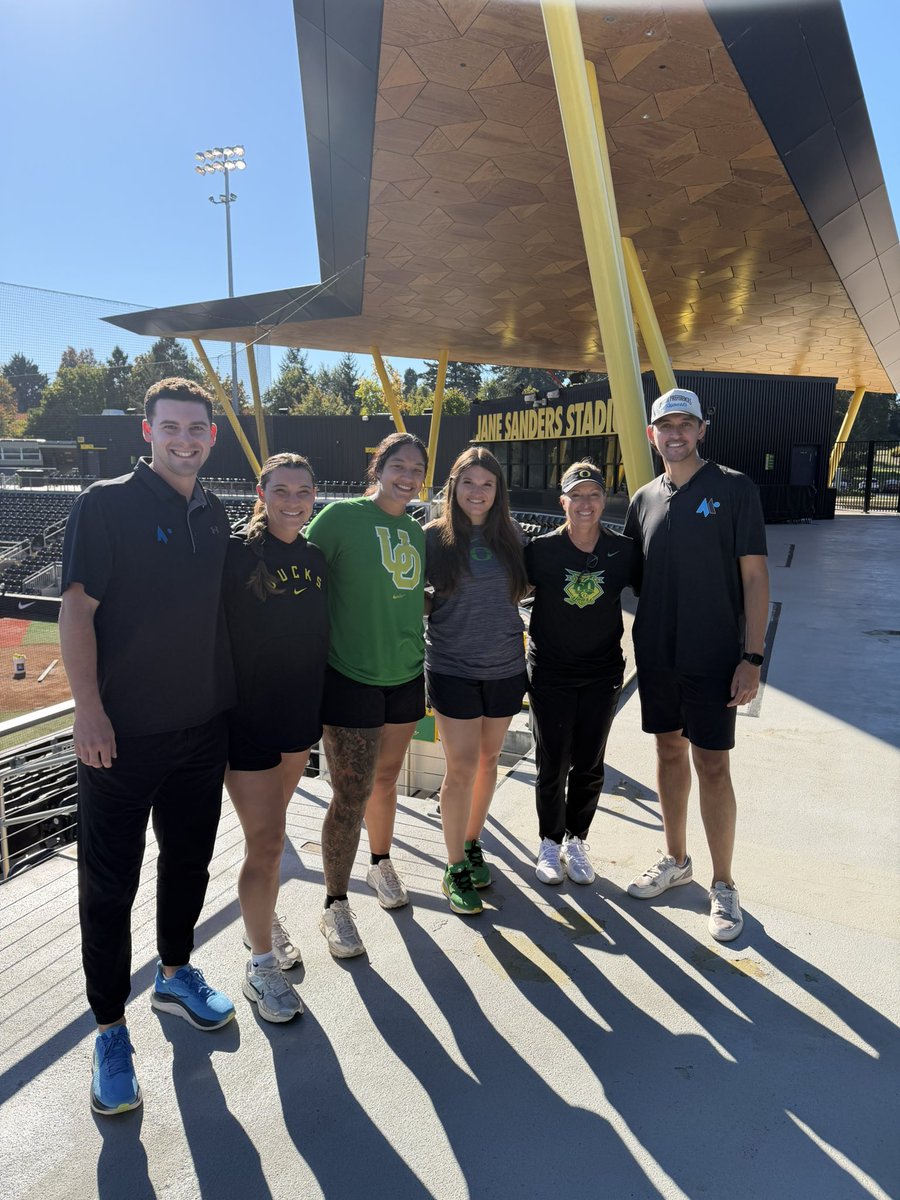
Great being back with Oregon Softball!
Built on last year's Level 1 with cues, implementation and intro to Primitive Reflexes.
Player assessments, practice observations and great conversations about combining an elite staff's coaching knowledge with Motor Preferences.
Appreciate you having us! 🦆
@OregonSB | #MPEFam
Coaches, have you ever asked a player what they used to feel or move like when things were going well?
Maybe it was high school, middle school or a summer ball tournament six years ago.
What qualities were there then that may have been adjusted away from?
Was it a leg kick? Their timing? Their tempo? How they loaded?
Sometimes looking back can give you information about where to go next.
What words would you use to describe Carson Benge’s swing?
Light. Twitchy. Spinny. Free?
Not typical words we traditionally hear coached.
But Benge just hit .282 with 20 HR
What if SOME athletes play best moving along those themes?
The relationships we get to build with athletes are one of the best parts of what we do.
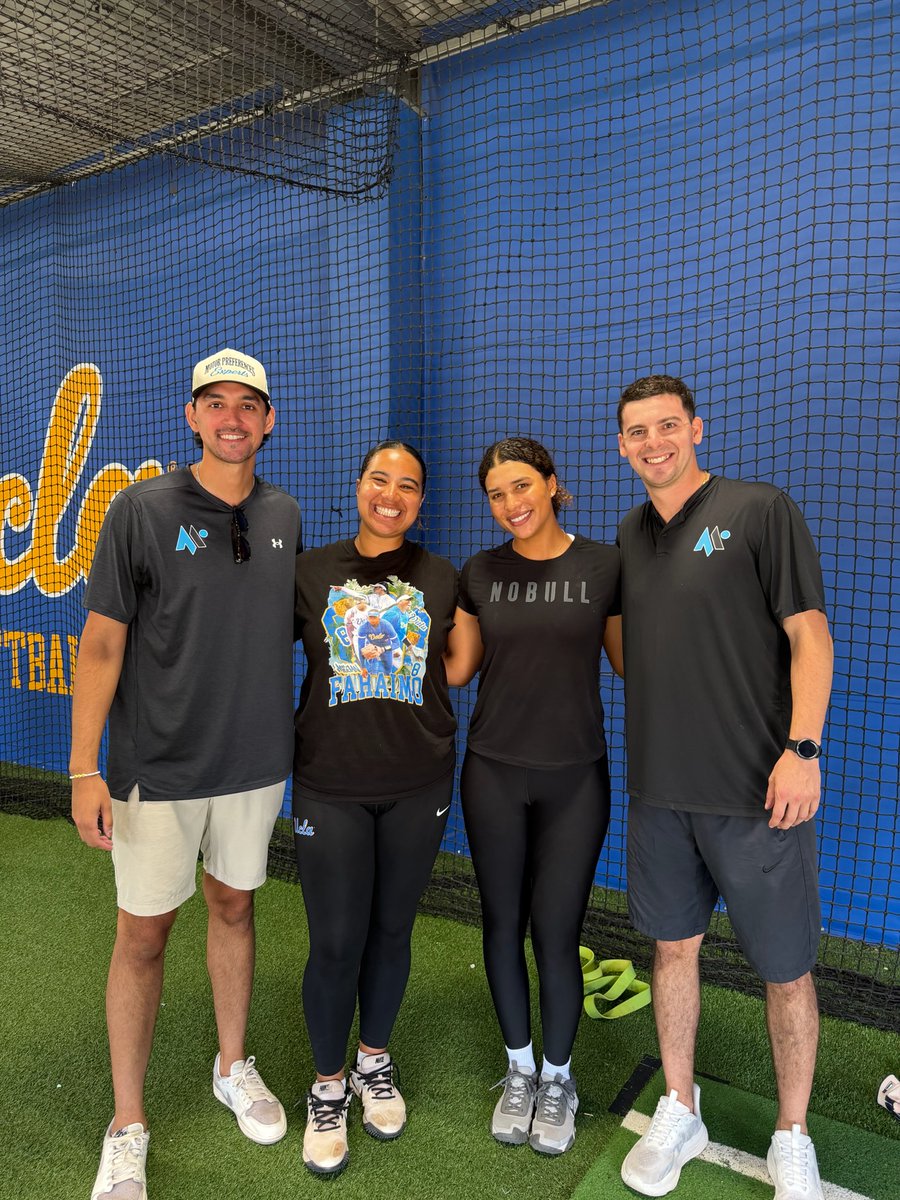
Great getting the chance to reconnect with Jordan Woolery and Maya Brady last week and spend some time hitting together.
Really appreciate getting opportunities like this to reconnect and continue working together.
#MPEFam
Motor Preferences aren't just something you see in sports.
Think about everyday movement.
When you get in or out of a truck, which side feels more natural?
Which leg do you put in your pants first?
Which side feels easier to balance on in a split squat?
Most people have never thought about any of these things. You just move.
Those little differences can give us information about how someone prefers to organize movement.
Now think about what that could mean when you're coaching an athlete.