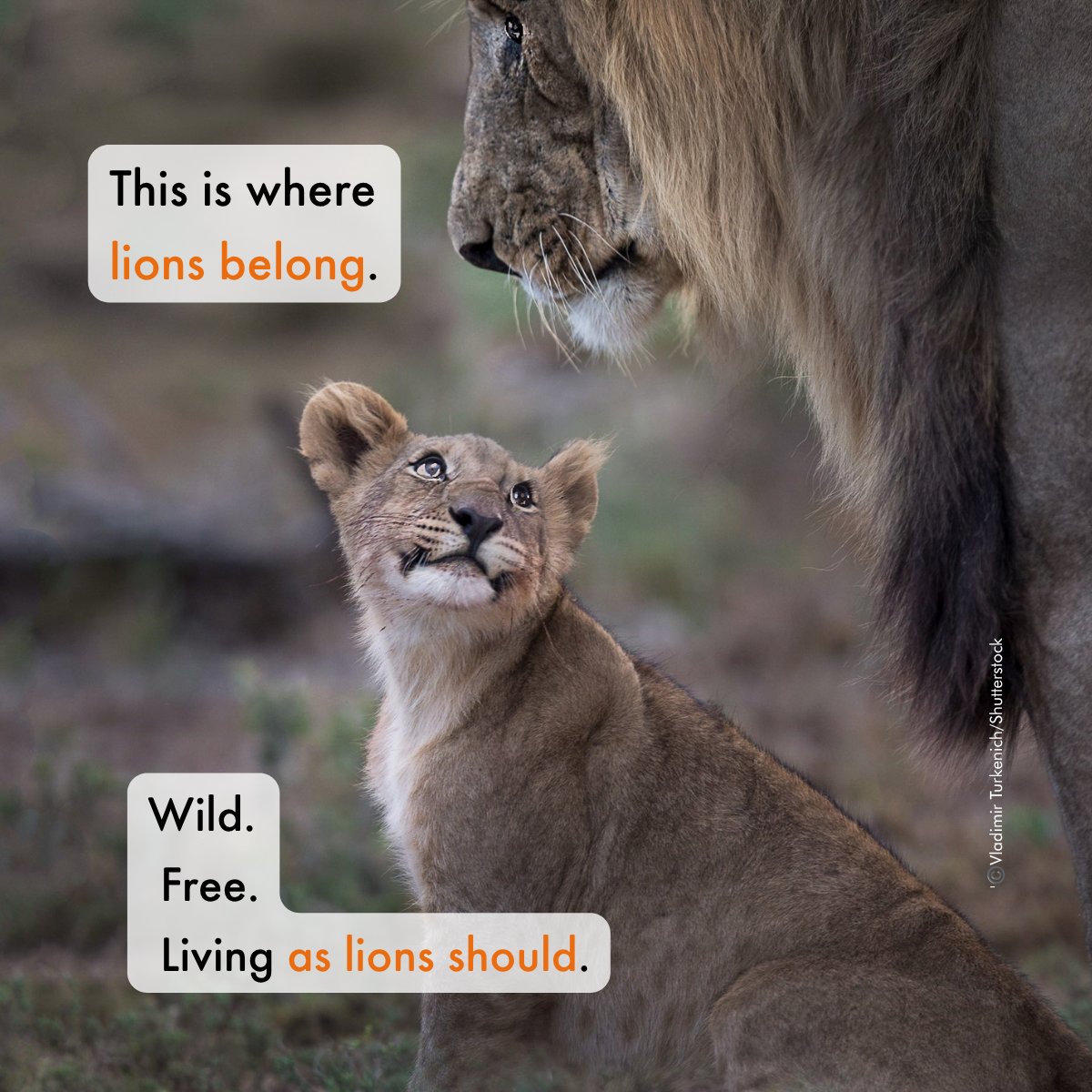
This is how we want to see lions. 🦁
Wild. Free. Living in the landscapes where they belong.
Let’s protect lions from exploitation and keep them wild.
📸 Aaron Gekoski
#WildOverCaptive#WildlifeNotProfit
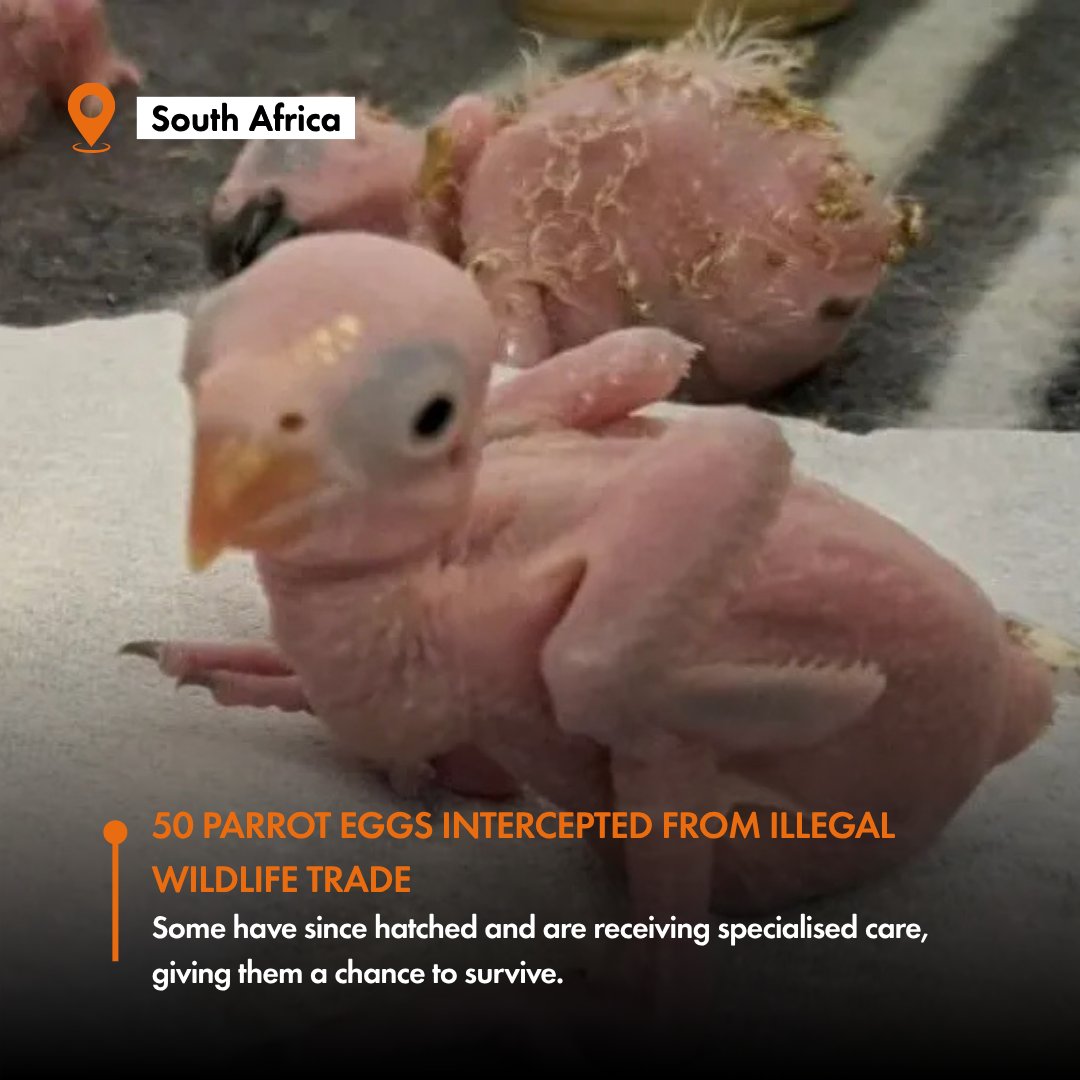
50 parrot eggs suspected to have been illegally trafficked were intercepted at OR Tambo International Airport. Some have since hatched and are receiving specialised care. 🦜
Wildlife trafficking is cruel and puts animals at risk.
📸 BBC
Read more in Thread
Two very different realities for lions. 🦁
One is a life in the wild. The other is a life in captivity for human use and profit.
Lions belong in the wild, not behind fences.
More wild. Less exploitation.
#WildOverCaptive#WildlifeNotProfit
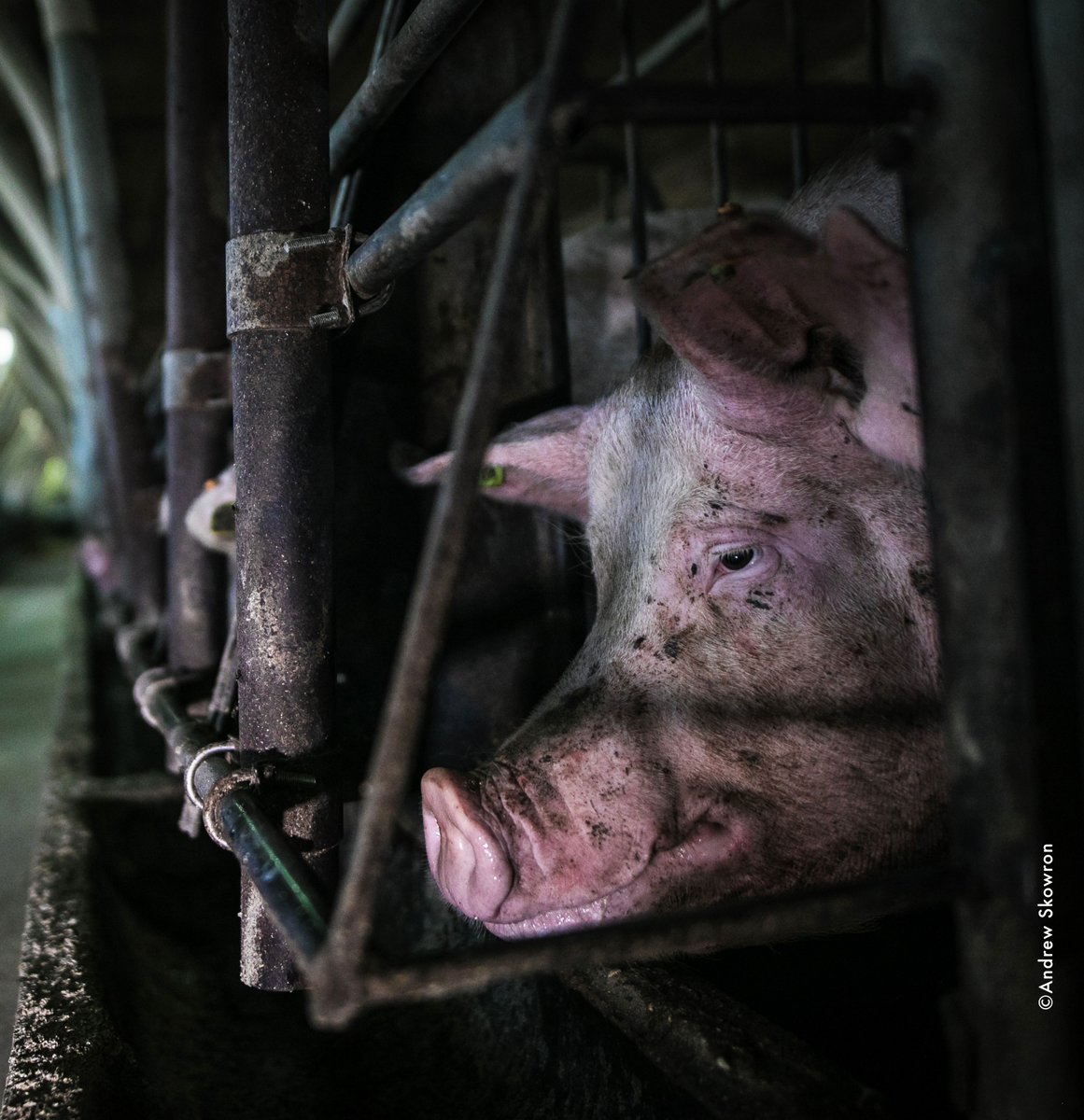
Behind these bars is an animal who can feel.
Pigs are intelligent, social and sentient. Yet factory farming can restrict some of their most basic natural behaviours.
They deserve better lives. 🐷
#EndFactoryFarming#AnimalWelfare
Pigs feel pain, fear, stress and comfort.
Yet factory farming can confine them in systems that severely restrict their movement and natural behaviours.
They are sentient animals. Their welfare matters. They deserve better. 🐷
#EndFactoryFarming#AnimalWelfare
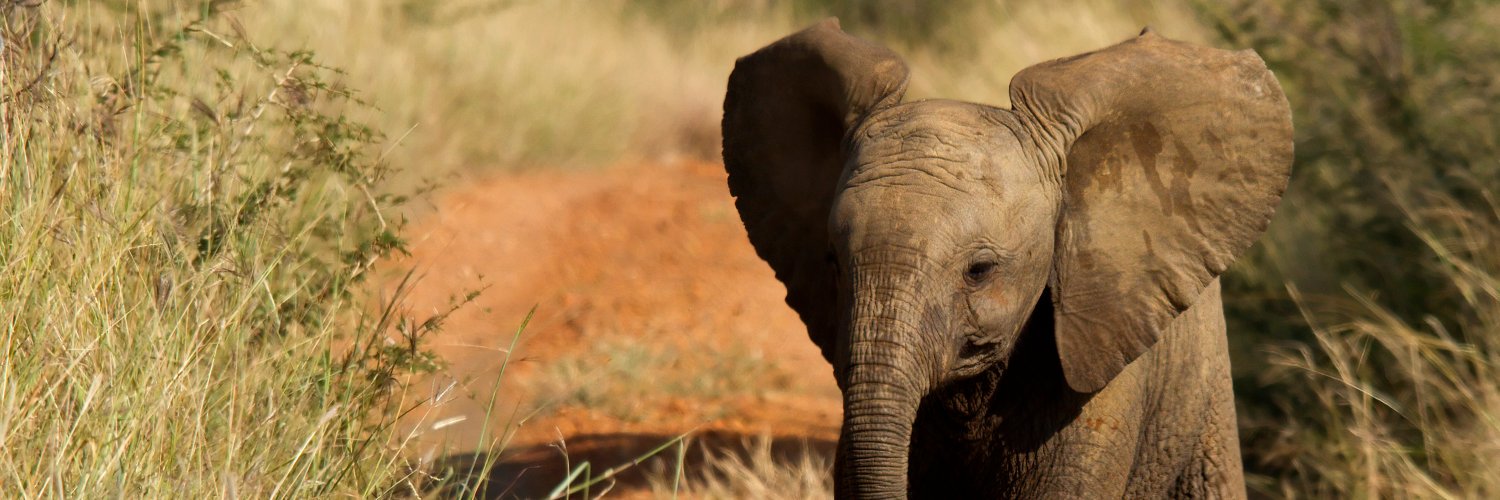
Every elephant calf deserves the freedom to run, explore, grow and stay close to its herd. 🐘🌿
Being wild shouldn’t be a privilege.
Let’s keep them wild.
#KeepThemWild#WildlifeNotProfit#ProtectElephants
Pangolins belong in the wild, not in the wildlife trade.
Yet they continue to be trafficked for their scales and meat.
Wild animals should never be commodities for profit.
It’s time to end wildlife exploitation.
#ProtectPangolins#WildlifeNotProfit
Pigs are intelligent, social and sentient animals.
Yet factory farming can confine them in conditions that restrict movement and natural behaviours.
Farmed animals deserve better. It's time to transform our food systems.
#EndFactoryFarming#AnimalWelfare
Five years later, thousands of lions are still waiting.
In 2021, South Africa committed to phasing out its commercial captive lion industry.
This #WorldLionDay, together with Blood Lions, we're calling for action. No more delays.
Keep lions wild.
#WildOverCaptive
Lions are wild animals. 🦁
They should not be bred in captivity.
They are not entertainers.
They are not products.
This #WorldLionDay, let's protect lions from commercial exploitation and keep them where they belong, wild and free.
#WildOverCaptive#WildlifeNotProfit
This isn't where a pangolin belongs.
The world's most trafficked wild mammal deserves a life in the wild, not behind bars.
It's time to end wildlife trafficking.
#ProtectPangolins#WildlifeNotProfit#EndWildlifeTrade
Most people never see what wildlife exploitation looks like.
When cruelty goes unseen, it continues.
Every wild animal deserves to be free.
#KeepThemWild#WildlifeNotProfit#AnimalWelfare
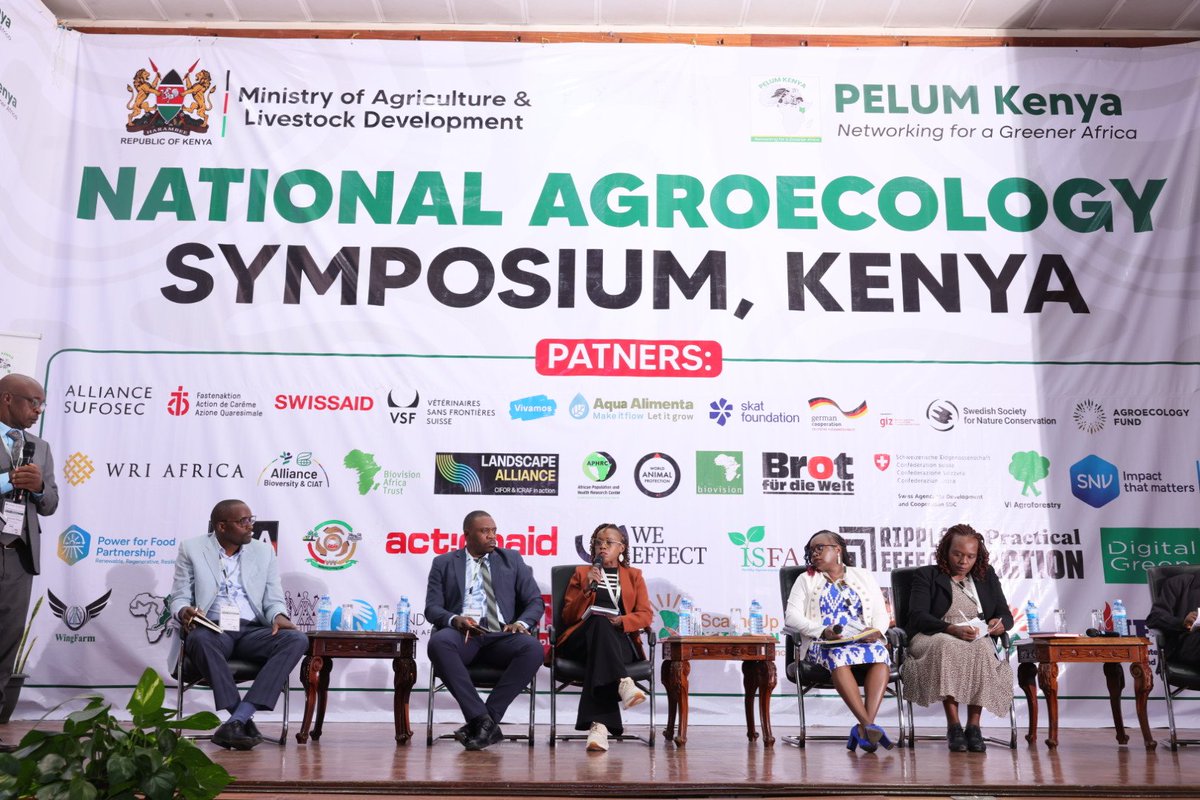
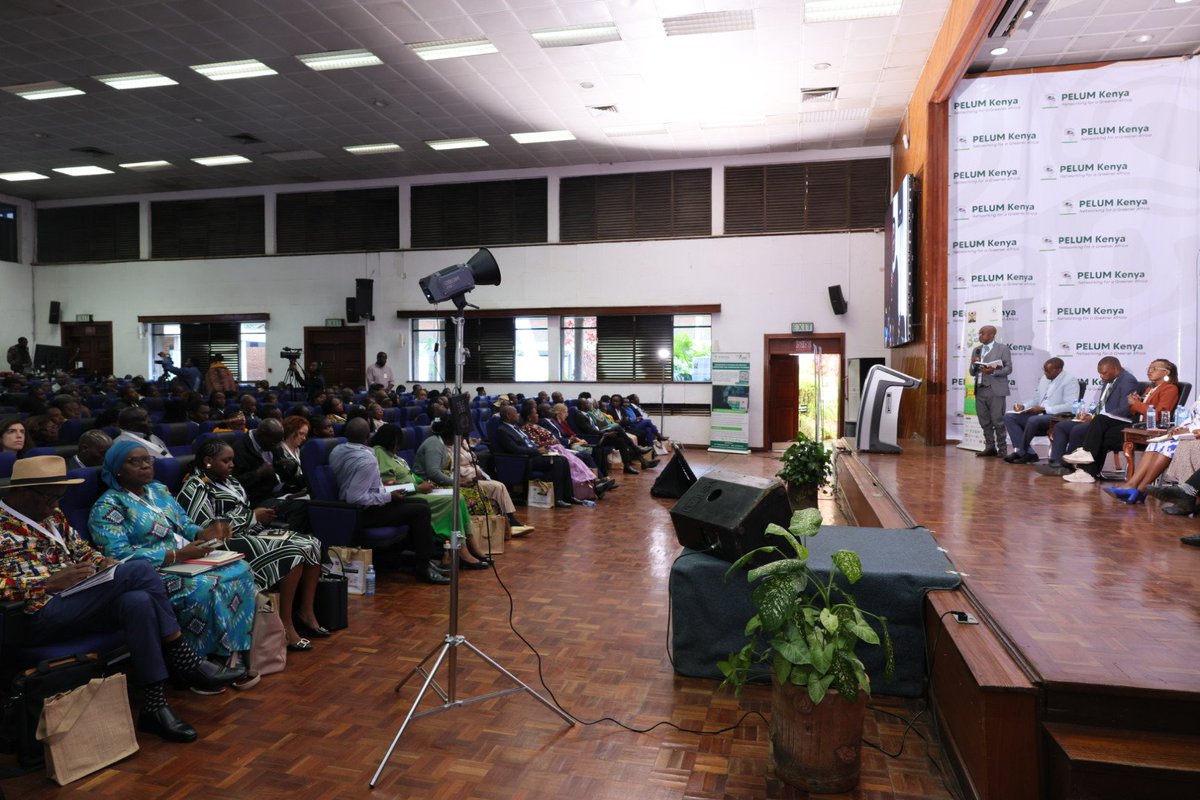
Animal welfare must be part of the conversation on the future of food.
At the Third National Agroecology Symposium, we highlighted the importance of integrating animal welfare into agroecology and One Health discussions.
#Agroecology#OneHealth#AnimalWelfare
Food systems that work for people should also work for animals.
We're at the Third National Agroecology Symposium hosted by PELUM, championing the integration of animal welfare into agroecology and One Health discussions.
#Agroecology#OneHealth#AnimalWelfare
Some lessons can only be learned in the wild. 🐘
An elephant belongs with its herd, learning, exploring, and growing where nature intended.
Let's keep wildlife where it belongs.
#WildlifeNotProfit#KeepThemWild
African grey parrots belong in the wild, not in cages and homes.
These remarkably intelligent birds spend their lives flying with their flocks, communicating, and raising their young in the wild. Yet many are still taken from their natural habitats to supply the pet trade.
Wild animals are not pets.
#ProtectParrots #AfricanGreyParrots #EndWildlifeTrade #WildlifeNotProfit
A reminder of what wildlife trafficking takes away.
Behind every trafficked pangolin is a wild animal that should have been roaming forests, not ending up in the illegal wildlife trade.
Pangolins are the world's most trafficked wild mammals. They are killed for their scales and meat, despite there being no scientific evidence that their scales have medicinal value.
Wild animals are worth more alive than trafficked.
Every pangolin deserves a future in the wild.
#ProtectPangolins #EndWildlifeTrade #WildlifeNotProfit #AnimalWelfare #Biodiversity
The future of food isn't about producing more at any cost.
It's about producing food in ways that respect animals, support farmers, and protect our planet.
More humane farming.
Less factory farming.
#JustFoodTransition#AnimalWelfare#StopFactoryFarming