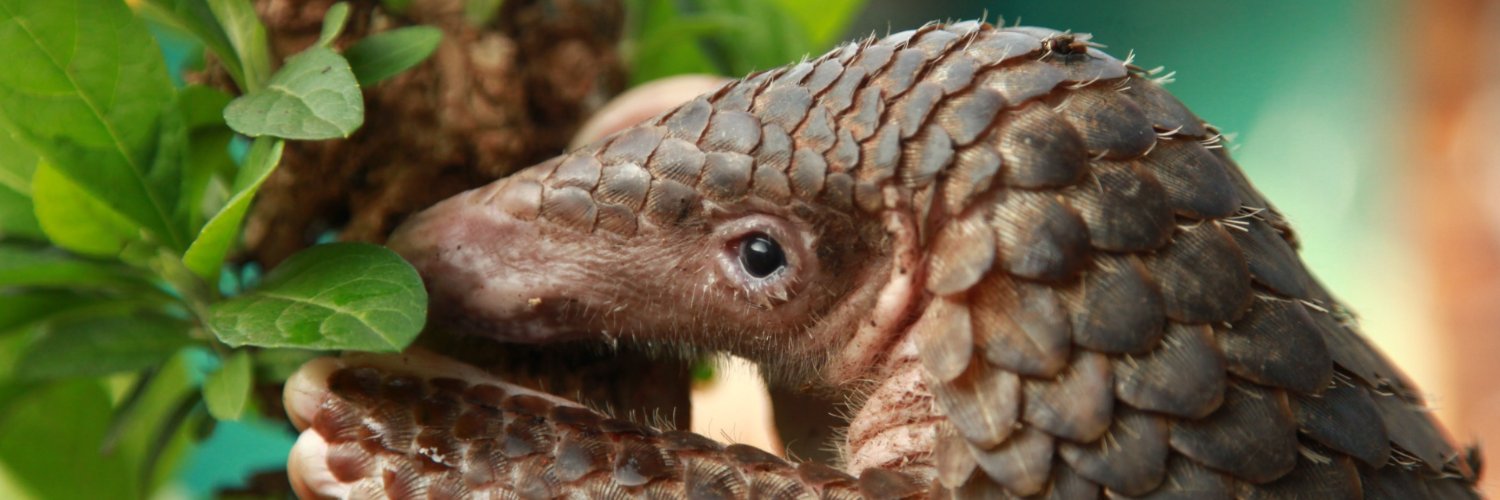
Anteaters are under threat, and every successful rescue and release can make a big difference.
Manduvi has been returned to the wild after rehabilitation, giving him a second chance to live freely where he belongs.
Your support helps make this possible 🧡
South Africa is home to the largest population of captive‑bred lions in the world. An estimated 8,000 to 12,000 lions are held in captivity across more than 300 enclosures.
Bred for cub petting, trophy hunting and the bone trade, thousands are still trapped in a system built on exploitation. We need urgent action to end it.
One year on, Mannie’s transformation at The Lions Foundation in South Africa has been incredible 🦁
After careful assessment, plans to introduce him to other lions were paused to protect his wellbeing.
Now, the focus is on finding the right companion for his future.
Help support his journey 🧡
The habitat of the Mato Grosso titi monkey, also known as the Zogue‑Zogue, is being lost to industrial farming that puts production ahead of wildlife.
As forests are cleared, groups become isolated, leading to inbreeding and declining survival.
They also help regenerate forests by dispersing seeds. As their numbers fall, the forests begin to change.
Protecting wildlife means protecting the habitats they sustain.
The embrace of python mothers gives their young the best conditions to face the world. They protect them from predators and teach them everything they need to survive.
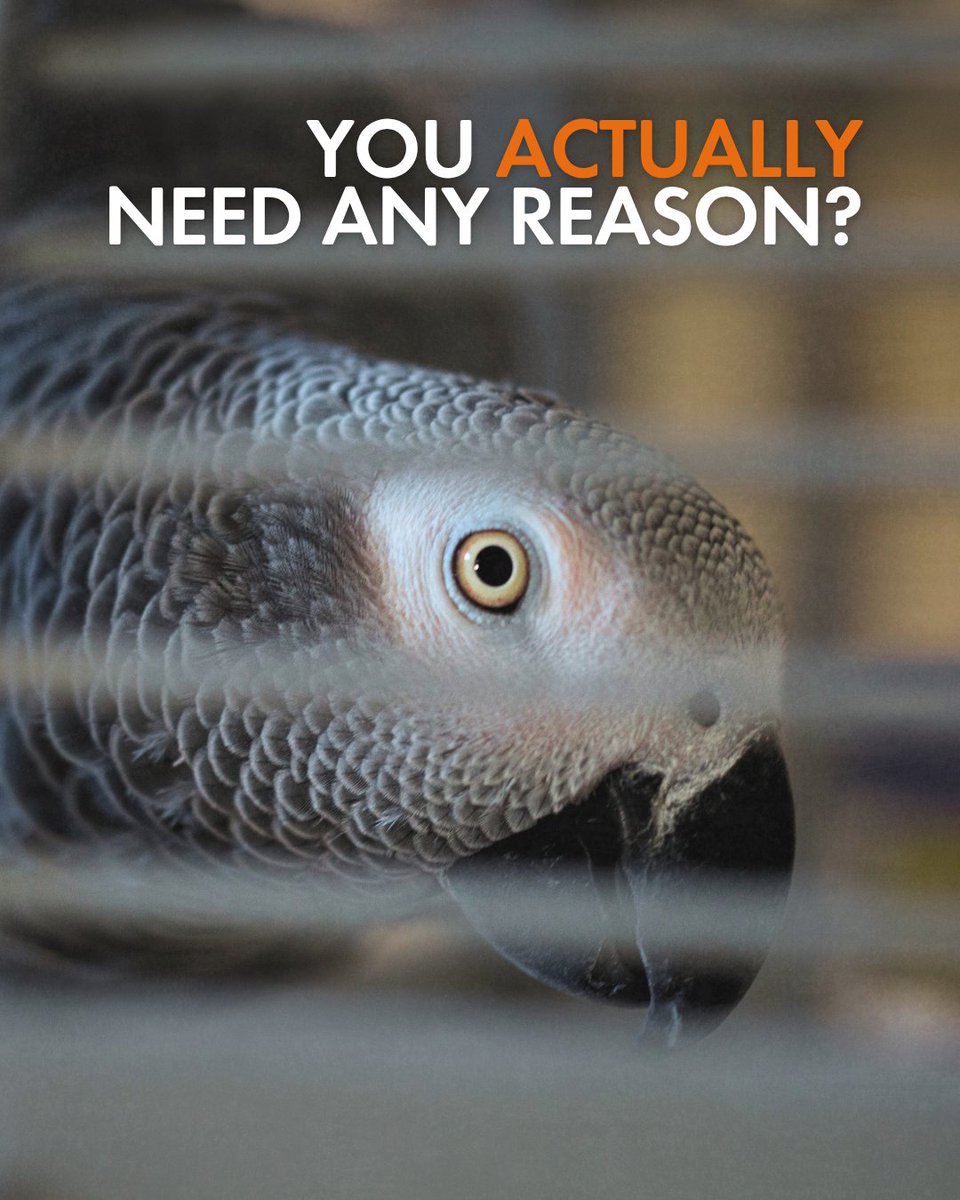
You don’t need more reasons, but if you still hesitate, here are three facts you cannot ignore:
1. In captivity they always suffer. Even if they look “happy”, what you see is constant stress.
2. Keeping a wild animal at home increases the risk of zoonotic diseases that can spread to humans.
3. Buying them fuels commercial breeding, causing suffering and putting entire ecosystems at risk.