Huawei has made another statement regarding the Mate 90 series chip tech, which may draw level with the 3nm process technology. The company stated this at the 2026 Phoenix Bay Area Finance Forum and Financial Summit held in Shenzhen today.
https://t.co/evdE5RT4Z7
News regarding Huawei suggests that the company is planning to launch two entry-level smartphone series in a year, and the Enjoy 100 could be a part of this plan! A new input revealed the OEM is working on another pocket-friendly handset.
https://t.co/tzL78Q88pj
Huawei Pura 90 series was in rumors for breaking the Mate's monopoly in 3D Face Recognition capability this year. But it seems that's not going to happen anytime soon. Perhaps the flagship lineup will continue featuring a single punch hole layout.
https://t.co/lNihDPHnLk
Anthropic - an American AI company, is on the verge of facing a Huawei-like US ban. The US has announced a few regulations against the artificial intelligence startup, calling it a major supply chain risk to security - just like HUAWEI!
https://t.co/KakTI197cl
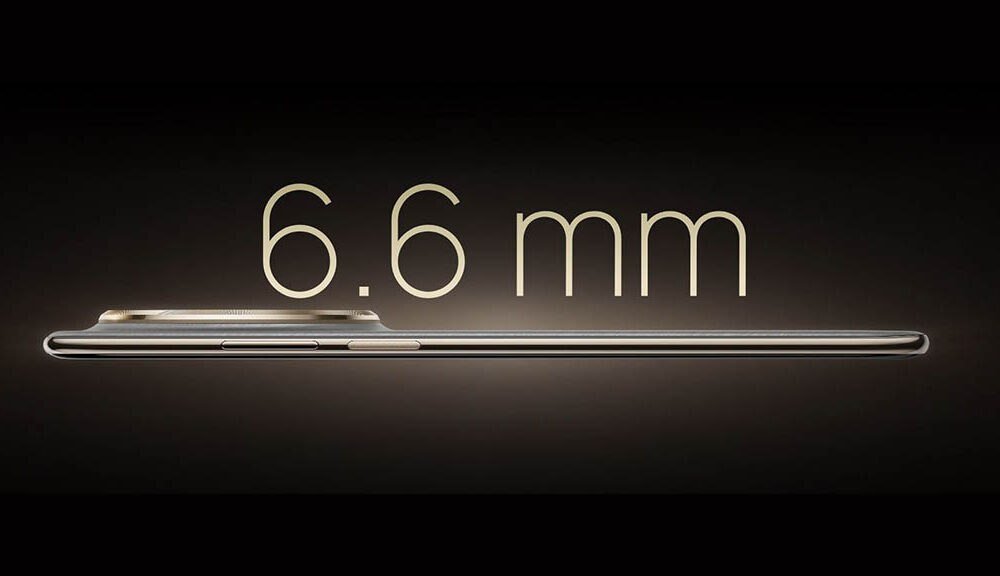
Yu Chengdong, Huawei's executive director, showcased Huawei Mate 70 Air, a new 6.6mm phone with a 7-inch screen, 6500mAh battery, quad camera system, dual-Kirin chip, and more
Apple to Introduce Variable Aperture Camera in 2026 iPhone
Apple will equip next year’s iPhone 18 series, set for release in the fall of 2026, with a variable aperture camera — a first for the iPhone lineup. This technology allows the aperture to adjust the amount of light entering the lens, letting users control brightness and depth of field for different photographic effects.
According to industry sources on October 15, Apple has finalized its plan to include a variable aperture system in the iPhone 18 series and has begun commercializing related parts and modules. Specifically, the feature will appear in the main camera of the high-end “Pro” and “Pro Max” models.
Traditionally, iPhone Pro models feature three cameras — wide (main), ultra-wide, and telephoto (folded zoom). Apple plans to apply the variable aperture mechanism to the main wide-angle camera.
A variable aperture adjusts the amount of light reaching the image sensor through the lens. In dark environments, the aperture opens wider to capture more light, while in bright settings, it narrows to prevent overexposure.
With this feature, users can create photos with the desired aesthetic — for example, sharply focused subjects with blurred backgrounds, similar to what’s possible with DSLR cameras.
Apple’s decision appears to be aimed at differentiating camera performance. As the smartphone market becomes saturated and overall quality levels rise, the company is introducing the variable aperture — a feature not previously offered on iPhones — to stand out.
The main camera module featuring the variable aperture will reportedly be manufactured by LG Innotek and Foxconn, while the actuator, a key component that adjusts the aperture, will be produced by Luxshare ICT and Sunny Optical in China.
An industry insider said, “Apple selected Sunny Optical as one of its variable aperture actuator suppliers and officially added the company to its supply chain last year.”
Given Apple’s strong influence on the smartphone market, its adoption of variable aperture technology could prompt Samsung Electronics and other manufacturers to reintroduce or expand the use of such systems.
Samsung previously implemented variable aperture technology in the Galaxy S9 and S10 models (2018–2019), but later dropped it from 2020 onward due to increased camera thickness and higher production costs, opting instead for software-based exposure correction.
Another industry source noted, “The smartphone camera megapixel race has reached technical saturation. Apple’s adoption of variable aperture could spark a new wave of competition focused on distinctive and functional camera innovations.”
$AAPL