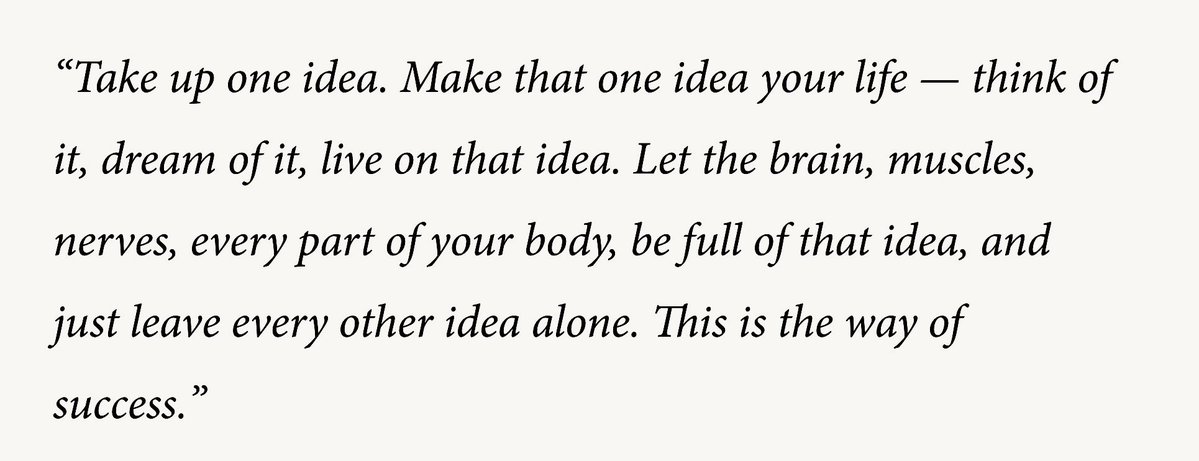
Major cheat code in life: Understanding you can reinvent yourself at any time. New habits, new standards, new friend group, new career, etc. There's no rule that says you have to stay the person you've always been. You're allowed to decide... "I'm done being this version of me."
My therapist told me:
“When a person grows up feeling unseen, they learn to love by over-giving. They pour into everyone else, hoping that, one day, someone will finally pour back into them. So they become the care taker. The fixer. The one who shows up, even when no one shows up for them.”
And the hardest part? Deep down, they're not trying to be strong. They're just waiting for someone to do for them what they've spent their whole life doing for everyone else.
Coffee is one of the only drinks with strong evidence that benefits the liver. Here's what decades of research actually says about how to drink it right:
Coffee genuinely lowers liver disease risk.
Meta-analyses show regular drinkers have about 35% lower risk of significant liver fibrosis and nearly 50% lower risk of liver cancer compared with non-drinkers.
Aim for 2–3 cups a day, minimum.
The effect is dose-dependent. The Hepatology socities such as AASLD and EASL says 3 or more cups daily is reasonable for liver benefit, if you tolerate it.
Caffeinated works better than decaf.
But decaf still helps.
Caffeine blocks adenosine receptors that drive liver scarring. Decaf lowers chronic liver disease risk too, just by a smaller margin (UK Biobank, n=494,585).
The target dose: ~300 mg caffeine/day, or 3 cups.
Fibrosis protection kicks in around the 75th percentile of intake, roughly 308 mg caffeine, or 2.25 cup equivalents, per day - the AASLD 2023 advises 3+ cups for liver benefit.
What a "cup" actually means
One standard cup = 240 ml (8 oz), not a 60 ml tiny Indian "cup." A 240 ml filter coffee has ~95–165 mg caffeine. A single espresso shot (30 ml) has only ~60–75 mg.
Coffee-to-water ratio: 1:15 to 1:17.
For filter/drip/pour-over: 15 g of ground coffee to 250 ml water. This is the standard brewing ratio and gives clean extraction of chlorogenic acids and caffeine.
Choose medium roast, not dark.
Medium roast has significantly higher chlorogenic acid (CGAs) content than dark roast. Dark roasting thermally degrades CGAs, the main antioxidant doing liver work.
Arabica beats Robusta.
Arabica beans are richer in CGAs and polyphenols, the antioxidants doing most of the liver-protective work.
A note here:
Arabica for polyphenols, Robusta for caffeine.
Arabica (1.5% caffeine) has more CGAs and polyphenols. Robusta (2.7% caffeine) has more caffeine but a cruder phenolic profile. A 70:30 Arabica-Robusta blend is a reasonable compromise.
Water temperature: 92–96°C.
Just off a rolling boil. Too hot (>96°C) burns the grounds and extracts bitter compounds; too cool (<90°C) under-extracts CGAs and caffeine.
Grind size matters.
Medium grind (table-salt texture) for filter/drip. Coarse for French press. Fine for espresso. Brew time: 3–4 minutes for pour-over, 4 minutes for French press, 25–30 seconds for espresso.
Filtered coffee is the safest daily choice.
Paper filters trap cafestol and kahweol, naturally present plant diterpenes that raise LDL cholesterol if consumed daily in large amounts. Pour-over (V60, Kalita, Melitta) or drip machines with paper filters give you CGAs and caffeine without the cholesterol penalty.
Espresso and French press: fine, but not unlimited.
They retain more polyphenols but also more diterpenes (so more chances of increased lipids). Great occasionally; don't make them your 5-cups-a-day default if you have high cholesterol or heart disease.
South Indian filter coffee: acceptable, with caveats. The metal filter does not remove diterpenes as well as paper, so limit to 1–2 cups/day if you have dyslipidemia. The decoction itself is rich in CGAs. Use less sugar. Skip condensed milk.
BUT ULTIMATE: Drink it black. Or close to it.
Sugar, syrups, flavored creamers and whipped cream cancel the liver benefit, especially if you already have fatty liver, diabetes, or obesity. Skim milk or unsweetened plant milk is fine.
Instant coffee: still works.
UK Biobank (n=494,585) showed instant coffee drinkers had similar reductions in chronic liver disease as ground coffee drinkers. Not as potent, but far better than no coffee.
Cold brew: underrated for the liver.
Medium roast + coarse grind + 6–7 hours at room temperature extracts CGAs and caffeine efficiently with lower bitterness. pH and CGA content are comparable to hot brew.
Timing.
Spread across the day. one at breakfast, one mid-morning, one early afternoon. Stop by 2 pm if you have insomnia.
It helps across almost every major liver disease.
Evidence supports benefit in fatty liver (MASLD), alcohol-related liver disease, hepatitis B and C, cirrhosis, and liver cancer.
The mechanism isn't magic, it's chemistry.
Chlorogenic acid cuts oxidative stress and liver fat. Caffeine inhibits stellate cell activation (that promotes scarring or fibrosis). Melanoidins and polyphenols reduce inflammation.
Who should go easy.
Pregnancy, children, those with uncontrolled heart rate and rhythmn issues (arrhythmias), panic disorder, or insomnia.
And no, coffee does not undo a bad diet or bad choice - such as alcohol, herbal supplement or that Ayurvedic "liver tonic."
Sources: Modi et al., Hepatology 2010; Kennedy et al., BMC Public Health 2021 (UK Biobank); Fuller & Rao, Sci Rep 2017; AASLD MASLD Clinical Care Pathway 2023; EASL 2016 CPG, Frontiers in Nutrition 2026 (Italian coffee cohort).
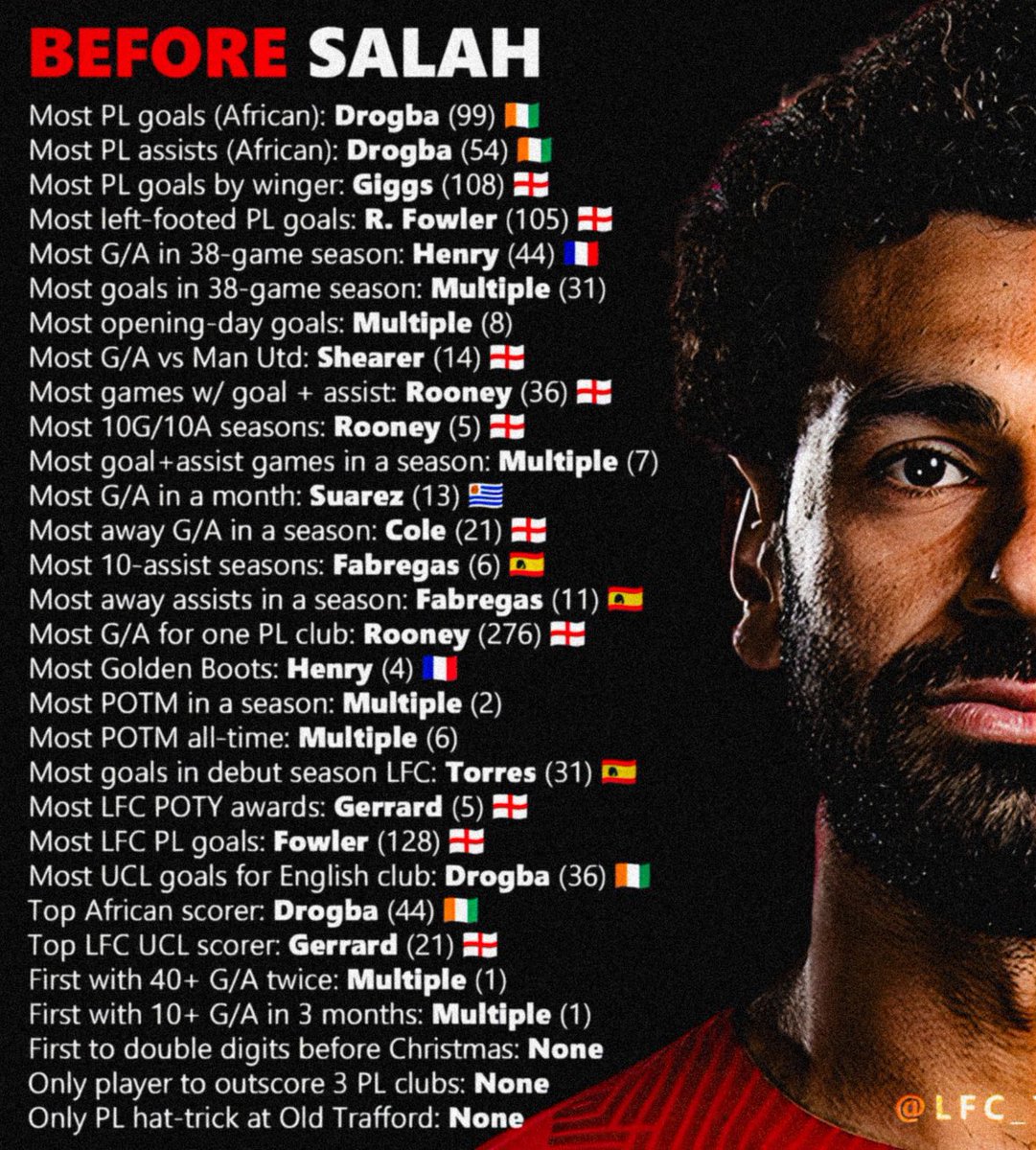
Genuinely one of my favourite videos ever, those lads gave everything to get us over the line, setting records along the way. A truly magnificent side, a magnificent manager, just the absolute best and I loved them all
Life doesn’t warn you before it hits.
No signal.
No countdown.
Just impact.
And in that moment, your response decides your direction.
“Why me?”
Feels natural.
Feels justified.
But it anchors you to the problem.
It loops you into blame, comparison, and helplessness.
“What now?” is a different mindset.
It interrupts the spiral.
It shifts you from victim to participant.
You stop arguing with reality and start working with it.
The event is often out of your control.
But your response is where your power lives.
One question keeps you stuck.
The other builds resilience.
So when life blindsides you again and it will,
don’t obsess about why it happened.
Ask what you are going to do next.
#wisdom
A good apology has three parts:
“I am sorry.”
“It is my fault.”
“What can I do to make it right?”
Most people stop at the first.
Some reach the second.
Few mean the third.
Because the third isn’t about words.
It is about effort.
That is where most apologies fail.
They try to end the discomfort,
not repair the damage.
If nothing changes,
“sorry” becomes repetition, not accountability.
Real apologies should be like:
“You won’t have to go through that again.”
That is what people are really wanting.
#wisdom
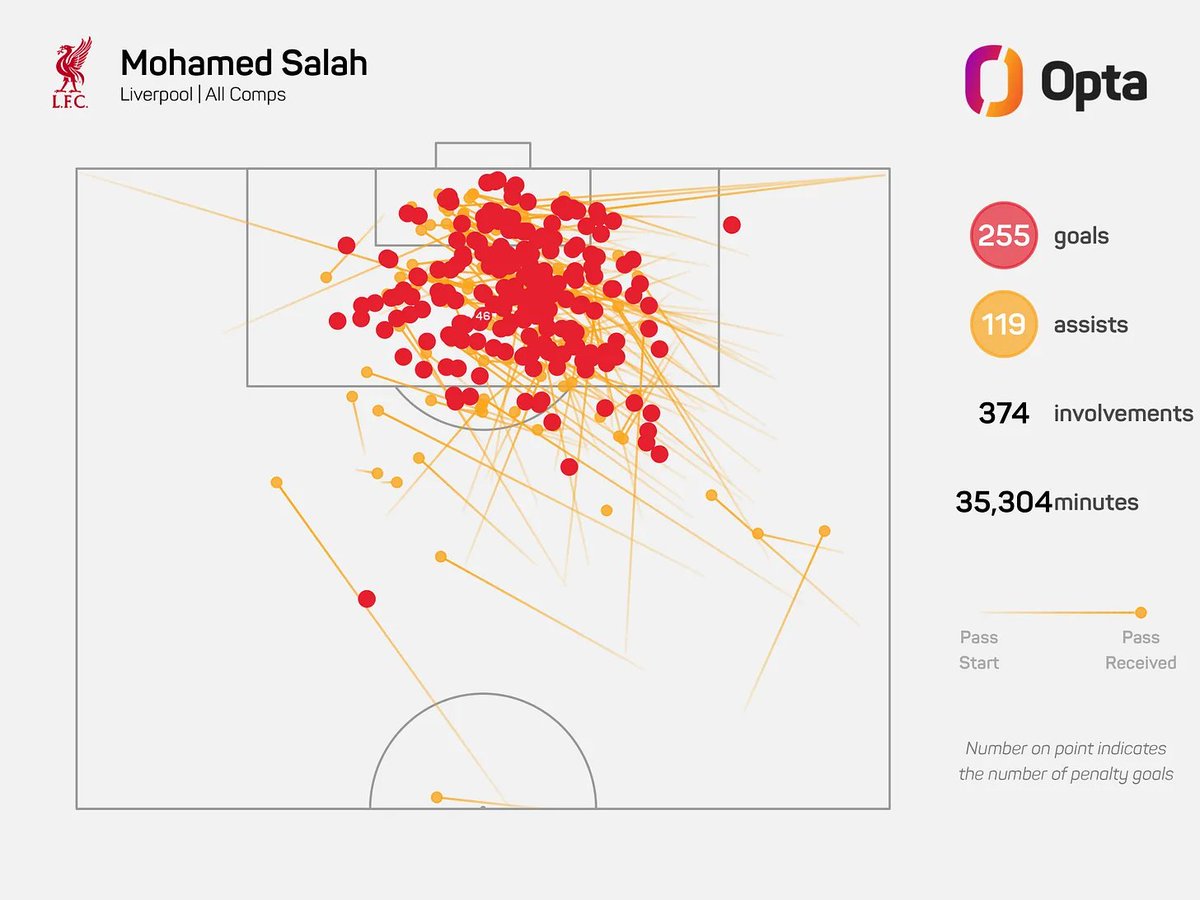
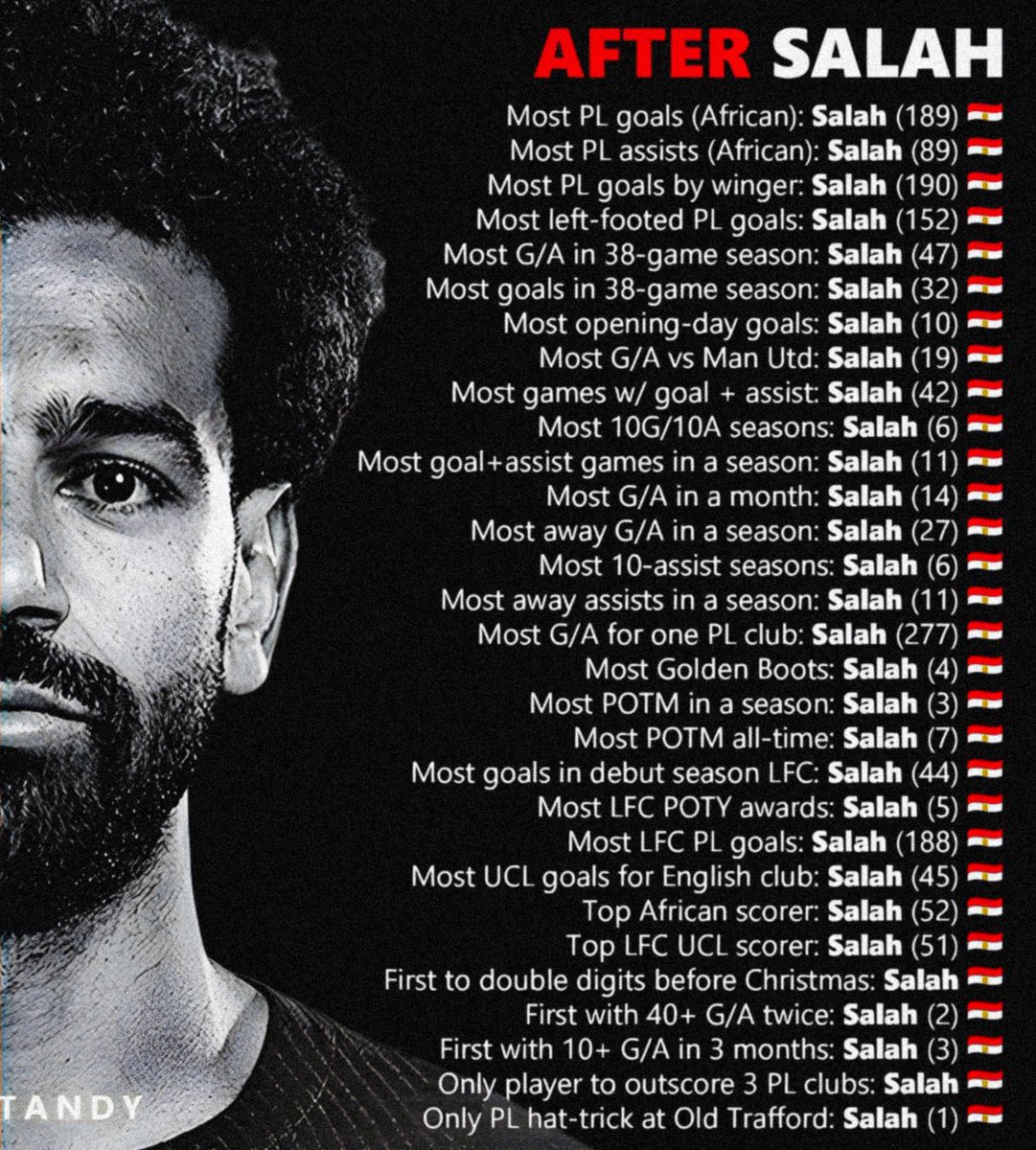
Thank you, Mo.
I began working for Opta in August 2017 - the same month Salah made his Liverpool debut.
Goals, assists, wins, records - it's been an honour to document it all. Available in this free 2,700+ words and over 30 tables on the Egyptian King.
https://t.co/KHESberzI5
Forgiveness is the lifeblood of marriage.
Every marriage is made up of two imperfect people.
Regardless of how compatible you are with your spouse, you will offend, disappointed or hurt each other frequently, sometimes multiple times in a single day.
Be a good forgiver.