We are recruiting Evidence Advocates
Evidence Advocates will have opportunities to deepen their understanding of research evidence, connect with colleagues across the region, engage directly with the EEF and Research Schools Network, and contribute to evidence-informed practice.
Inclusive Excellence Conference
Thought-provoking keynotes and practical workshops to support inclusive, high-quality teaching for every pupil. Topics include adaptive teaching, effective TA deployment, and flexible grouping.
Don't miss it! https://t.co/7az319TgQ1
Who's ready to #GoAllIn2026 and see how reading in all its forms can unlock more of what you love? As lead delivery partner for the National Year of Reading, we’re calling on you – your communities and schools, businesses, authors and friends - to join us! https://t.co/VOt8eQGiYe
A good read of some of the most interesting educational research (mainly US based) from 2025 from @edutopia:
‘The 10 most significant education studies of 2025’
https://t.co/QfUM68EnDo
Your baby understands more than you might think. And this is especially true when it comes to language.
I’ve written extensively over the years about the gulf between receptive language (that which we understand) and expressive language (that which we can speak), but I’m not sure I’ve ever seen any better illustration than this fantastic video, shared with me by @PMArslanagic.
In it, her 10-month-old daughter - whose current expressive language is limited mostly to “dada” - correctly identifies 8 African animals, none of which are yet a part of her spoken vocabulary.
It’s an amazing illustration of the order in which we acquire language (receptive before expressive) and a powerful reminder that our little ones are taking in the world more extensively than we sometime give them credit for. (This can cut both ways, incidentally, so never assume they aren’t taking in adult content/discussions just because they’re too little. Once that expressive language catches up you might be surprised to discover just how extensive their adult vocabulary can be. 😃).
And kudos to grandma, who enabled this - not by drilling our hero on animal names, but by narrating their joint playtimes. Just fantastic!
The schools and early years offer for the National Year of Reading has been released. The links to the @Literacy_Trust videos are below.
EYFS: https://t.co/bjLmSrOQ3j
Primary: https://t.co/y8v2JsCmTY
Secondary: https://t.co/bYPw4VVEcM
Please share widely.
Just made a few tweaks to my overview for a weekly picturebook assembly which focuses on empathy, inclusion and diversity. Please feel free to use and adapt. The link is on my Padlet, along with lots of other resources: https://t.co/JBuWKFDAhP #edutwitter
Over 70 children's literature award shortlists to follow in the UK and worldwide.
Awards are a great way to find quality new children's and YA books that you might have missed.
https://t.co/BKv01vCeET
#teaching#readingforpleasure
Reading is pupils' passport to the rest of their lives, unlocking all that school has to offer.
Our Schools White Paper will ensure children leave school ready for work and ready for life. There's no better place to start than with reading.
https://t.co/wXkflmglKg
Read this if you are a parent👇
We’re rolling out Best Start Family Hubs across England through our Plan for Change.
Family hubs can help with registering your child’s birth and breastfeeding support to nutrition advice and activities for your little one’s development.
📢 Meet Host #3: Natalie Wexler is back!
Author of Beyond the Science of Reading, she’s diving into how writing boosts thinking + learning.
“We’ll take the science of learning beyond reading into writing.”
🎧 Episode 1 drops June 24: https://t.co/TqDgwQy1r1
#KnowledgeMatters
Parents often ask me about the best way to engage infants in lap reading - noting, at the very earliest stages, that their babies aren’t always real attentive to books.
It’s important, first and foremost, to note that infant attention spans are very short. So know that it’s okay to start small… reading for just a minute or two at a time.
But there are also ways you can optimize your chances of a successful experience.
One trick is to literally turn things around, as illustrated by this great video from justjessfood on IG, who (with the assistance of a supportive pillow) has turned lap reading into a face-to-face social experience.
There’s nothing your baby loves more than your face… as evidenced by this sweet little guy who arguably takes more delight in mom’s expressive reading than in a view of the book itself. And that’s just fine!
He’s still accruing all the language benefits as they bond. And talk about an appreciative audience!
Next time you read with your baby try configuring the situation so that they can see both you and the book. You may find it makes a big difference.
📢 NEW: Our #ReadingRights report with Waterstones @UKLaureate Frank Cottrell-Boyce is out now!
It shares 5 focus areas that will turn the tide on reading inequality and unveils plans for our City of Stories place-based pilot:
https://t.co/Jmkx5GSH0m @ace_national#ACESupported
📣We are thrilled to announce the:
⭐️Longlist for The Little Rebels Award for Radical Children’s Fiction 2025⭐️
That’s 13 books for readers aged 0-12 which centre issues of social justice with empathy, urgency and, very often, joy🩵🩷🧡
#LittleRebelsAwardLonglist2025
Do you work in Secondary? Or know anyone who does who is on the hunt for some GREAT resources to support reading? Check out the newly published guidance & short courses from @educationgovuk:
https://t.co/ac5EKy62bz
#reading#secondary
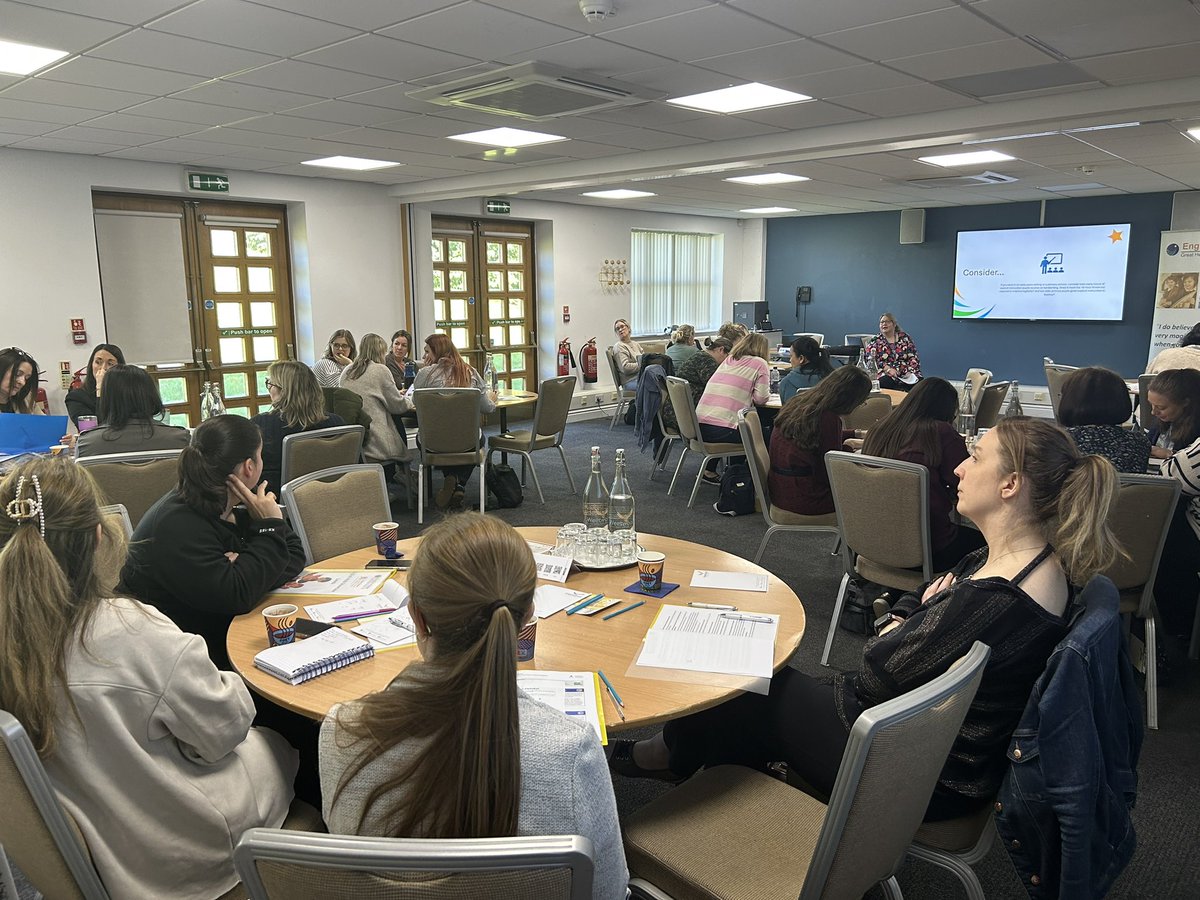
We are really enjoying our Primary English Showcase in Leeds today - with 19 schools joining us, there have been some fabulous discussions, questions & networking!
Talking #writing with @VilliersLianne, #earlylanguage and #rfp with @MrHarri5 & fluency with Jess @GREATHEIGHTSRS