Early Childhood Researcher | Making early learning meaningful (and fun!) through play. I’m passionate about making early ed. research accessible to all
@Google will soon release AI Mode, and as a tester I use it to help me brainstorm preschool lessons plans. All I have to do is ask a question and then AI mode delivers lesson ideas and provides links to support its suggestions. Super easy!
#AI#Education#EarlyAccess
@dreamisra If your toddler asks for Siberian tiger sounds then it’s victory lap time! Questions like that are proof you’re creating a home thats all about curiosity. Keep roaring! 🐯
Have you ever bought clothes right off the rack that almost fit… but not quite? Sleeves too long, shoulders too tight, or just a bit awkward. It’s wearable, sure, but it always feels a bit wonky.
Teaching young children, especially those with learning differences, can feel similar if we rely too heavily on standardized methods. One-size-fits-all strategies can lead to missed connections or frustration; the learning experience might “cover” basics but often leaves important gaps.
But when we tailor our instruction carefully, observing each child closely, understanding their unique interests, and personalizing our interactions, the fit becomes much closer - if not perfect. Suddenly learning feels intuitive and comfortable for the child, like clothing made precisely for them.
Imagine the joy and confidence children feel when their educational experiences reflect exactly who they are and what they need. It’s transformative, not just educationally, but emotionally!
What’s true for clothes is true for early childhood education: individualized always fits best. @NAEYC #EarlyEducation 🧵
Teachers can support children with ASD by fostering turn-taking skills through observation, tailored environments, and engaging interactions. Learn more about creating high-quality early learning programs in the 2024 Winter Issue of Young Children!
https://t.co/k8Bx6DUg2E
Block play isn’t just stacking toys; it’s planting seeds for early math and science skills to bloom! Just like gardening, it requires nurturing, with caregivers gently guiding children’s exploration. Tip: Ask your child questions as they build; our emotional connection boosts their confidence and deepens learning. #ECE 🌱”
✨🌱🧠Block Fest 2025 @MCOE_ECE Together, raising awareness of early math and science learning by offering hands-on block play experiences to families with young children. Parents, ECE educators, and the community joined the “socks & blocks” fun! #QualityTime#ECE#Family
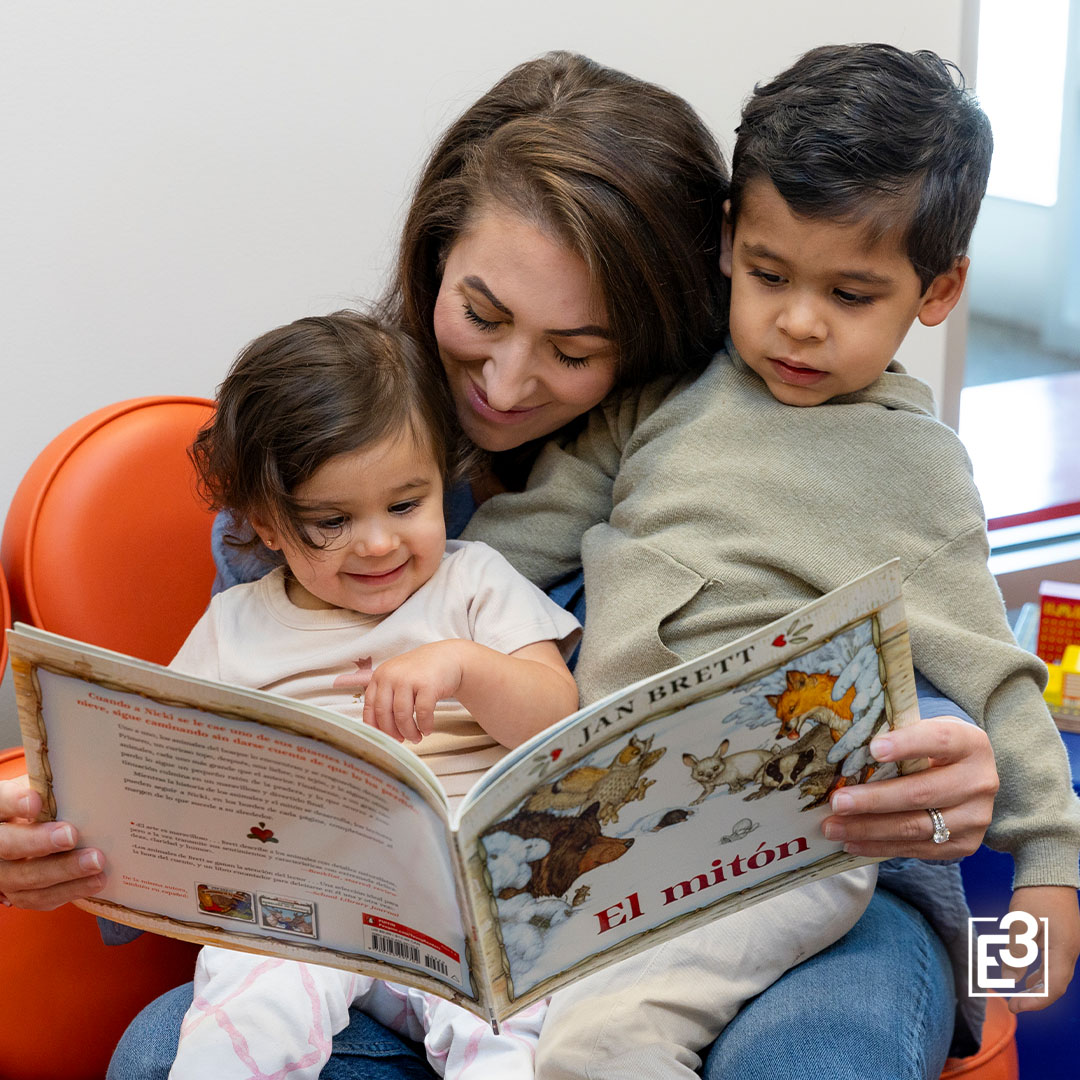
Kids absorb passion like sponges; when adults cherish reading, children discover books are gateways to wonder, curiosity, and joy—and they’ll link those moments with feeling loved. So let’s keep modeling it, one bedtime story at a time. It works wonders! 🛌 #EarlyLearning#ECE
How do we create the next generation of READERS? We model it. Read books, limit screen time, and talk about the book you read. Together, we can make reading cool again.
#earlyeducation#earlylearning#earlyed#TakeAction4Kids
Feelings aren’t easy for preschoolers to express in words alone; these emotion bottles turn abstract emotions into something kids can literally grasp. So powerful when play becomes a path to self expression, self confidence and emotional literacy! #ECE 🫙
Check out these emotions sensory bottles at our preschool science center! Each bottle represents a different feeling, giving kids a hands-on, visual way to explore and talk about their emotions. It’s a fun, tactile tool for building self-awareness!
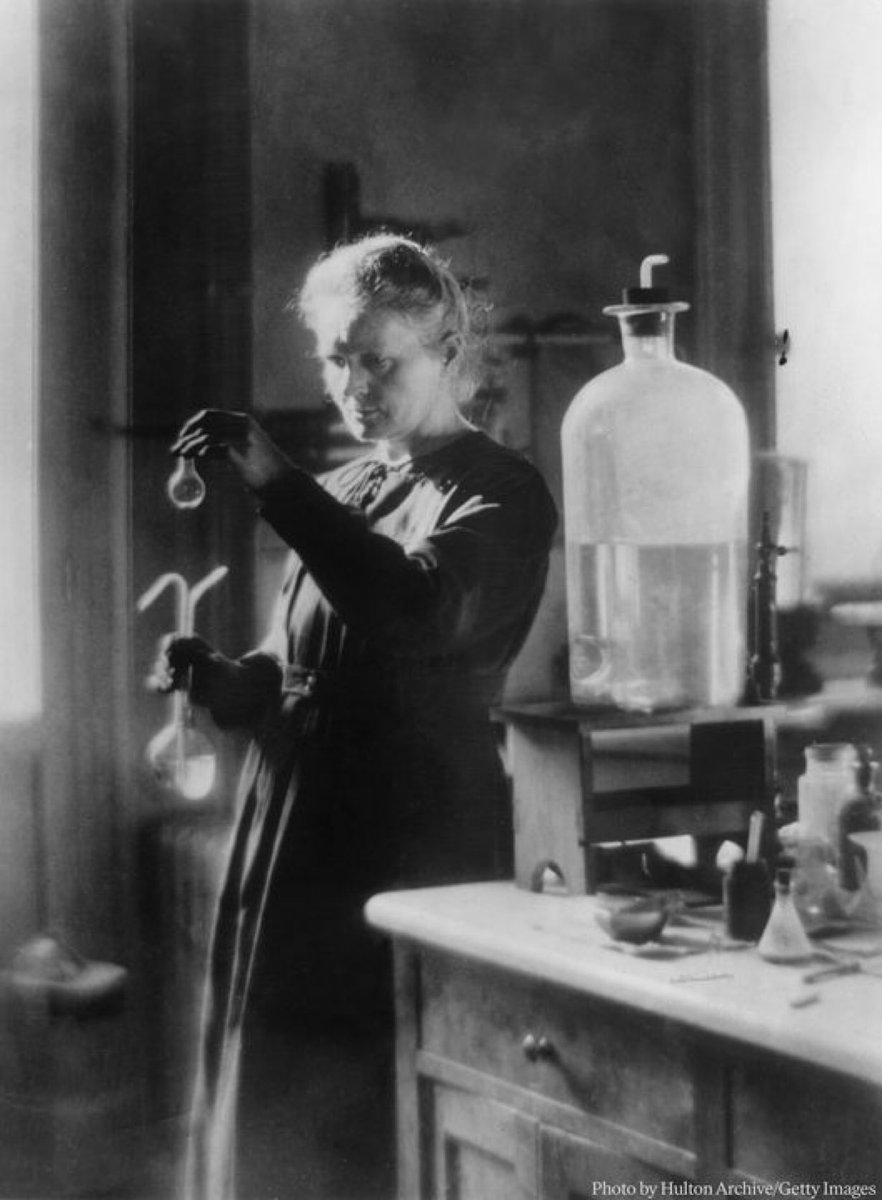
The first woman to be awarded a Nobel Prize, the first individual to be awarded two Nobel Prizes and still today the only individual with two Nobel Prizes in two different scientific categories: Marie Skłodowska Curie.
Happy international women’s day
Wow! As someone who regularly observes classrooms, I can confidently say this setup is amazing! It ticks so many boxes: clearly defined roles, purposeful structure, and meaningful social interactions. It’s a perfect example of research-backed practice—supporting language growth, social skills, and teamwork. Who else loves a play-based classroom? 🪄
Our dramatic play area has transformed into a school bus and classroom! One child can drive the bus, others choose seats (1–4), then “arrive” at school where one student is the teacher and the others gather on the carpet. We have books, number cards, and letter cards for them
Exactly! “Serve and return” isn’t just playful interaction; it’s literally wiring your baby’s brain. Every smile, babble, or moment of eye contact strengthens neural pathways—connecting neurons and shaping a foundation for language, social skills, and emotional growth.
Want to light up your baby’s brain? Think “serve and return.” 🎾
Much like a tennis match, serve and return entails back and forth interaction during which adult and child trade conversational (and other expressive) turns.
This mother/son duo, shared by emma_carlee on TT, provides a fantastic example.
Shown here at 12-weeks-old, our hero “serves” by reaching out for his mother’s attention - making sustained eye contact, smiling, and babbling.
His mom meanwhile, “returns” - responding his cues and vocalizations before (importantly) pausing to allow time for her little guy to contribute his half of the “conversation.”
As the two participate in this mutual exchange, neural connections are being strengthened that support the development of baby’s communication and social skills.
More than just your physical presence, your baby needs your undivided attention - so be mindful of screen time and other distractions and engage your little one face-to-face as much as possible. The dividends will be huge.
And yes, he has the best hair ever.
Oh I love this book! Diverse picture books like this are both mirrors and windows: they help kids see their own stories celebrated and introduce them to experiences beyond their own. When young children see themselves on the page empathy, validation and confidence follow! 📚
Been reading a big stack of picture books this weekend and absolutely love 2022 @bernettefor@HolidayHouseBks Uncle John’s City Garden and see so many cross-curricular uses for preschool and well into upper elementary! https://t.co/jEQwX4qU7F
You bet it does! I was a preschool teacher too before becoming a dad too! Teaching showed me just how much kids benefit from seeing men and women working happily and respecting each other. It also deeply influenced my parenting style too, especially understanding that kids learn best through play, patience, and giving them extra time to respond
@DanWuori Exactly! Serve and return transforms everyday interactions into powerful opportunities for brain growth—responsive attention now shapes stronger communication later. ��
This highlights that self-awareness is innate. Even before toddlers fully grasp who they are, offering them simple choices, like which toy to hold or what snack they’d prefer, can nurture early feelings of agency. Giving even the youngest kids small opportunities to choose for themselves helps build confidence, self-expression, and a sense of independence that will serve them well throughout their lives! #EarlyEd #EarlyChildhood
At the heart of children’s social and emotional development is self-awareness – a growing sense of who they are as individuals.
Over the next several weeks I’ll be partnering with @earlychildhood (the UK’s Royal Foundation Centre on Early Childhood) to explore children’s social and emotional development in celebration of the Centre’s newest publication, The Shaping Us Framework (a link to which you can find in the first reply below).
For infants, knowing oneself – the first of six skill clusters identified in the Framework – is a skill developed from square one. Which is to say that, as newborns, we are not yet equipped with the self-awareness necessary to understand ourselves as independent beings.
Indeed, it is not until 6-9 months of age that we begin to realize that we are separate from our caregivers.
How we come to understand ourselves is, in part, a reflection on how we are responded to from our earliest moments.
Speaking of reflections, did you know that it’s not until 15-18 months that infants recognize that the reflection in a mirror is actually them?
Check out this lovely video example, shared to TT by talinfakhoorian, in which her son finds delight in interacting with the hilarious new “friend” he’s found in the mirror.
As he grows, his sense of self will develop in important new ways.
In the next post in this series, I’ll talk about the emergence of agency and the importance of allowing your toddler to make appropriate choices of their own.
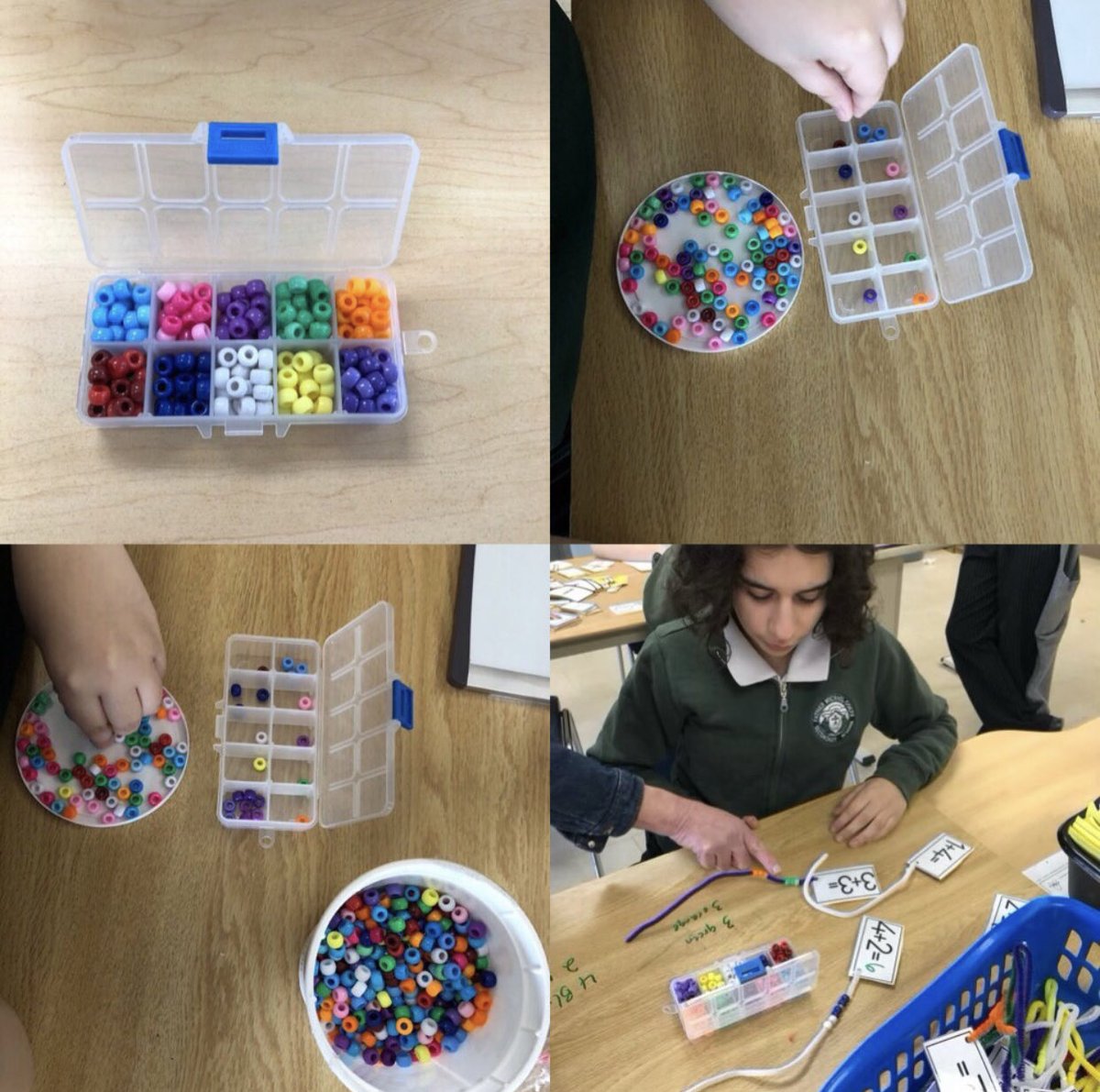
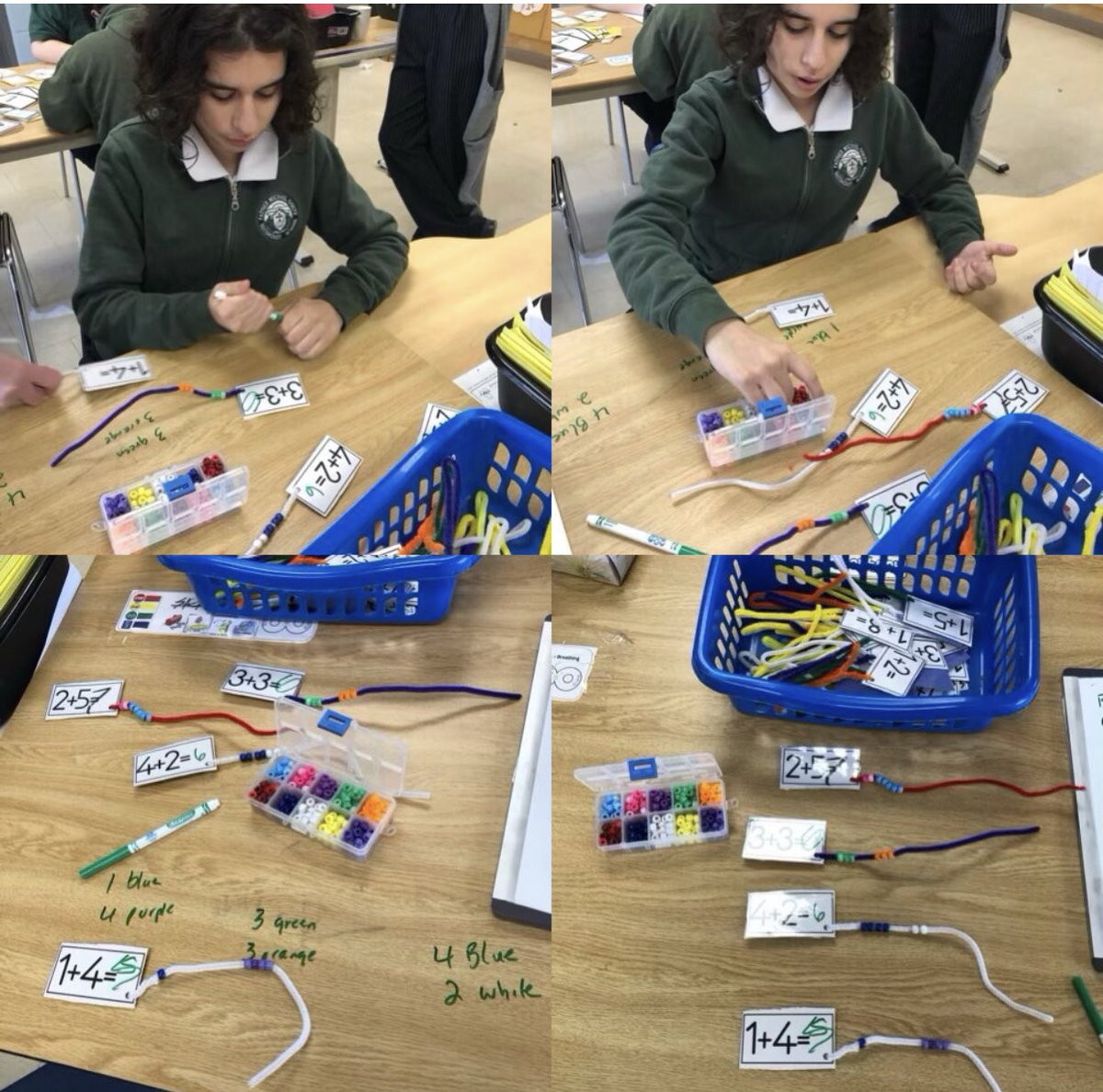
Activities like sorting and adding beads naturally weave math into playful group moments, helping kids explore abstract ideas through concrete fun. Preschool teachers can use activities like these to turn math into a stress-free (and fun!) part of the day; simple games can plant little math seeds that grow while kids play! #MathPlay #EarlyEd
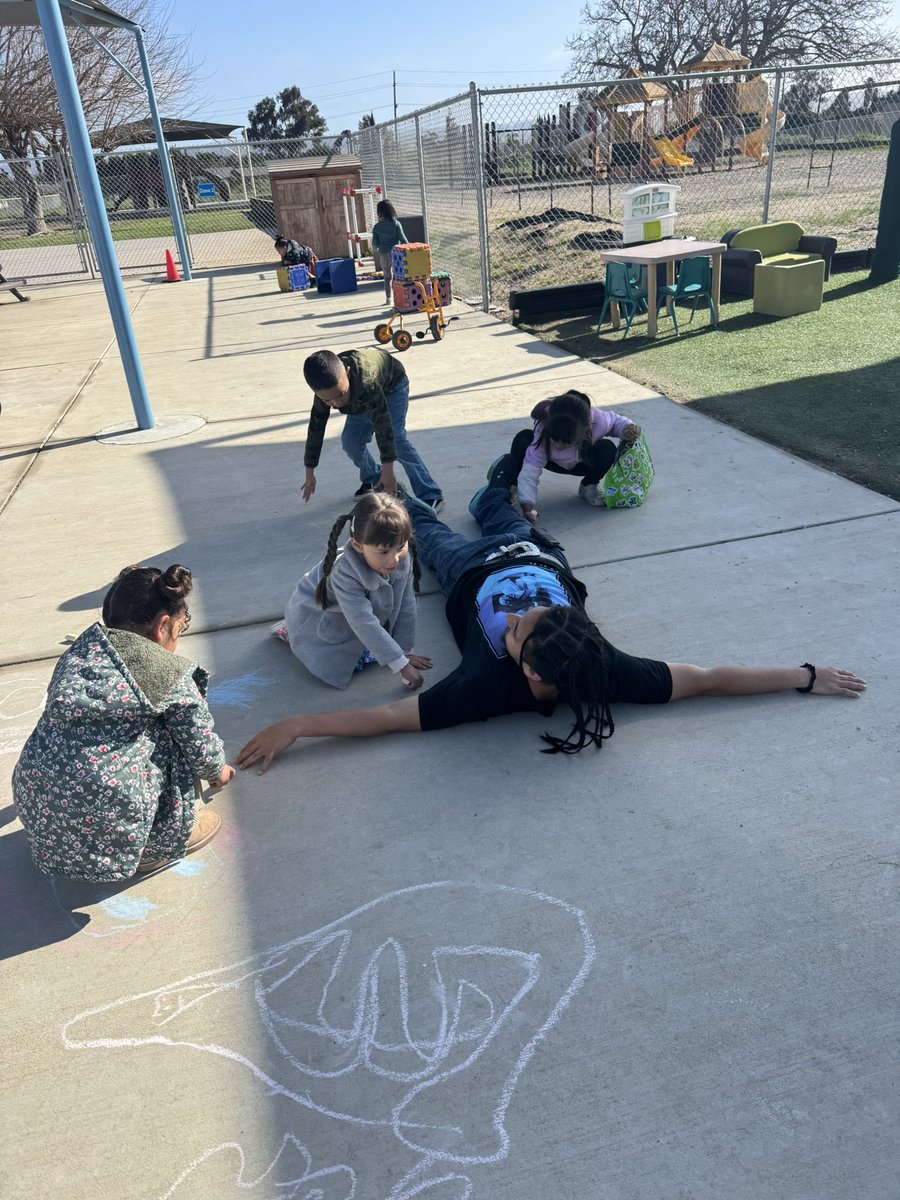
Love this! Chalk play is perfect for embedding nature into early learning. Kids become little scientists when imagination meets the outdoors, turning shadows into sneaky science lessons about sunlight, shapes, and movement!
Turn a sunny day into a creative adventure! Grab some chalk and trace shadows or draw fun people on the sidewalk. Watch their imaginations come to life!
Woo! Overcoming adversity isn’t just challenges; it’s turning your struggle into a superpower. Your journey from language challenges to authoring ‘Math Play’ beautifully demonstrates how personal hurdles can become gifts we pass on to young learners. So well done!
Moving to the US🇺🇸 from Colombia🇨🇴 as a teenager presented many challenges. Learning English was definitely one of them! After years of work and dedication, I have contributed to two books and have published my very own Math Play🙏🥰
#MathPlay🧮 #CodeBreaker🦾 #ITeachMath#MTBoS