Endlich konnte ich FSD in Deutschland testen. Wir sind fast eine Stunde durch Dörfer, über Landstraßen und Autobahnen gefahren. Alles lief perfekt. @PSchnieder, wann retten wir Leben in Deutschland?🇩🇪
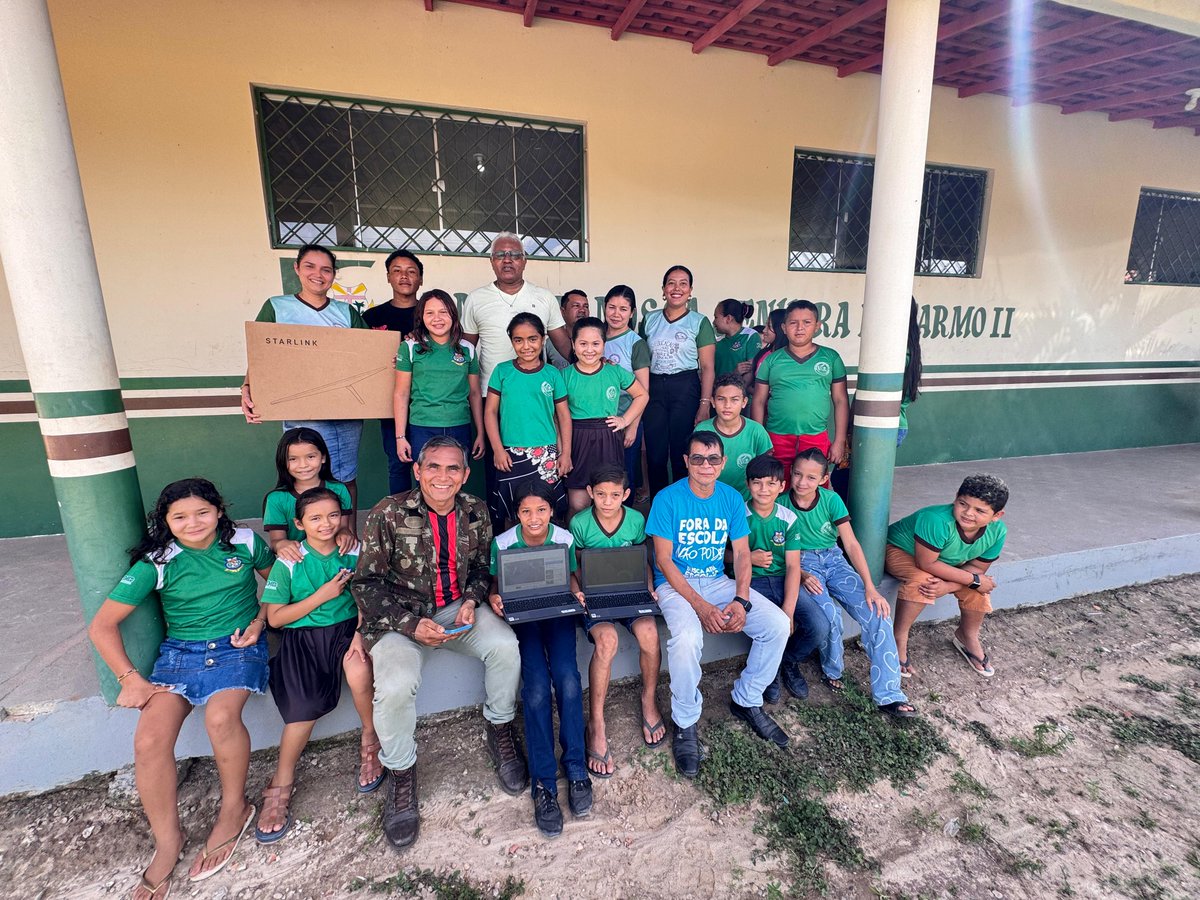
Starlink, in collaboration with Brazilian non-profit Redes do Futuro, is connecting 140 schools across Brazil’s remote Amazon region to reliable high-speed internet.
More than 14,000 students now have access to online learning tools, unlocking a world of possibility and potential 🛰️❤️
Jason Calacanis on SpaceX's Unknown Origin Story: Elon Wanted to Back Up the Biosphere in Space!
@Jason:
“Most people don't remember this, but when @elonmusk was starting SpaceX, the original idea when he was running around with Adeo and they were looking at some rockets and getting carriage from Russian rockets was to back up the biosphere.”
“And he came back from that trip and I remember talking to him about it and he said, ‘I think I just have to make my own rockets because that's actually where the problem is, and it would be easier just to make my own rocket to back up the biosphere.’
And he wanted to put geo-domes, like geodesic domes in space, with all the plants, wildlife, and creatures. What incredible vision.
And then there was the necessity of actually getting that up into space, and that's the unknown origin story.”
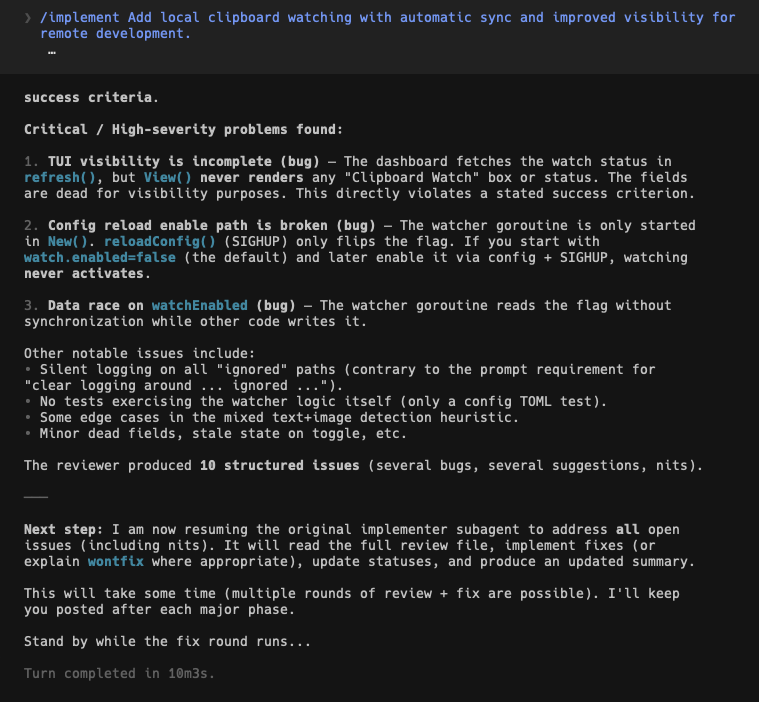
Okay, looks like /implement is the way to get Grok Build to run longer, just had my first 10 minute run 💪
What's really neat is it's super critical of itself, essentially finds its own bugs, and then puts together subagents to address all the open issues.
The best feature of @xai Grok Build right now is how it handles subagents and personas.
Most people still treat the model like one very smart intern that has to do everything at once. Grok Build took a different route: it gives you actual typed workers with defined roles and real restrictions.
There are three main subagent types you can spawn:
• general-purpose → full capabilities. Can read, write, run commands, and spawn other agents.
• explore → deliberately read-only. Fast and safe when you just need to dig through a codebase without risk.
• plan → also read-only, but optimized for high-reasoning architectural thinking. It comes back with structured plans and points out critical files.
The fact that two of the three are read-only by design is intentional. You don’t want your researcher or your architect accidentally modifying code while it’s still exploring or thinking.
On top of the types, you have personas:
Personas like implementer, reviewer, security-auditor, or design-doc-writer carry actual contracts. The implementer knows it’s supposed to receive a review file and produce a summary file. The reviewer knows the exact structure it has to use for bugs, suggestions, and nits.
This changes the game. Instead of one model trying (and usually failing) to be good at research, implementation, review, and security at the same time, you get real specialization and isolation.
The primitive is still early, but it already feels meaningfully different from most “multi-agent” setups I’ve tried.
I’ll post the second thread about what /implement actually does with these pieces.