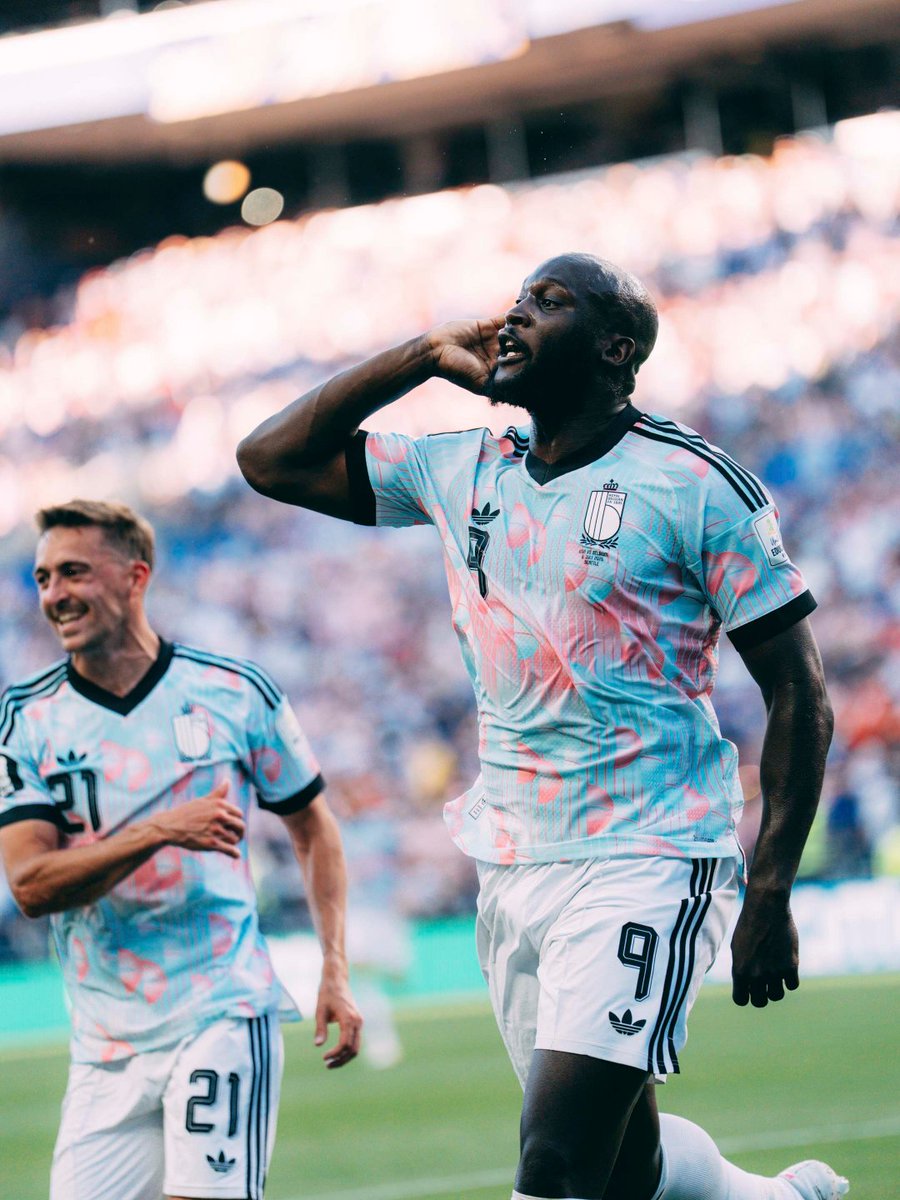
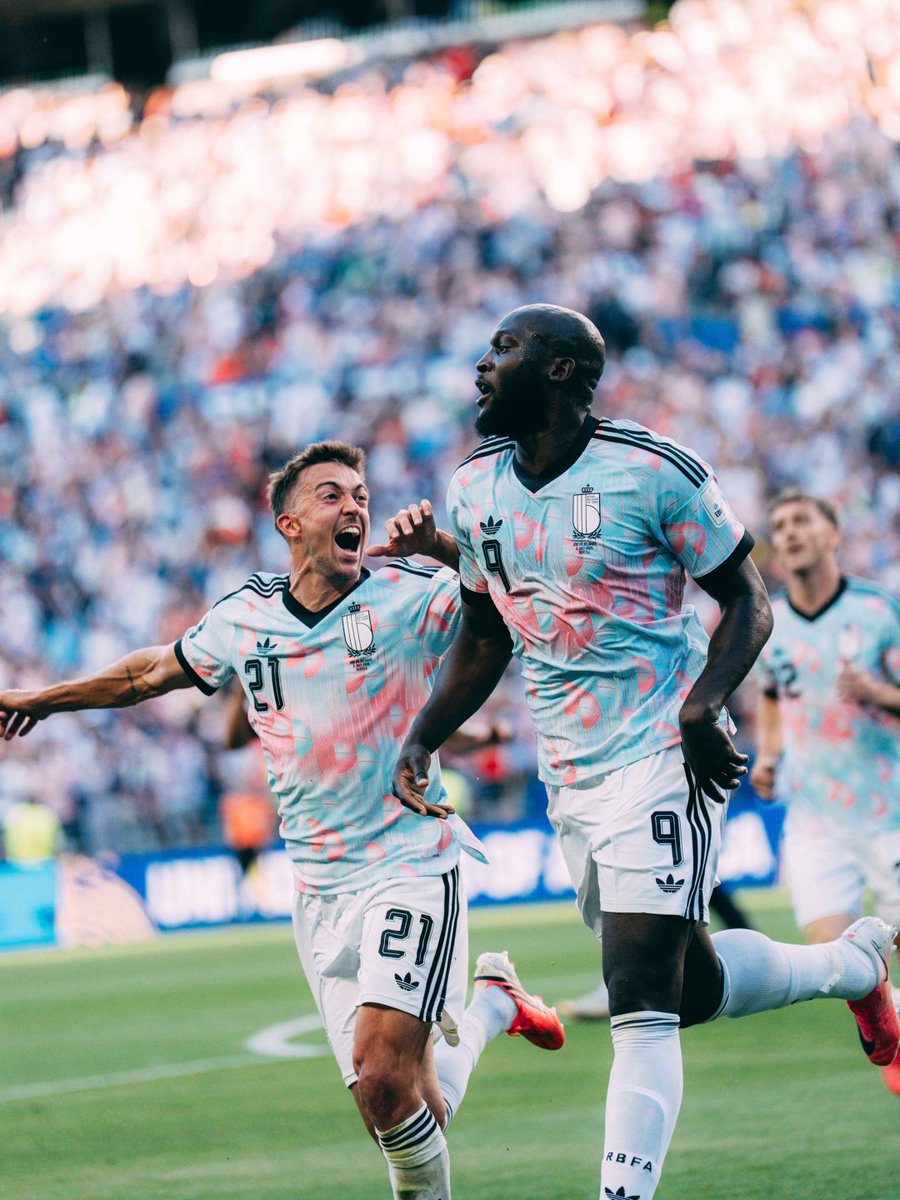
We are officially in World Cup month. Please leave your xG charts, pressing percentages, and defensive metrics in the club season. International tournament football is strictly decided by pure vibes, individual brilliance, tactical survival, and a random goalkeeper turning into prime Lev Yashin for two weeks. Enjoy the entertainment and put the spreadsheets away.
The best, and most enduring, encapsulation of the Arsenal identity is not a race, a trophy, or even a style of play. You will find it in a quiet statue at the Emirates: a boy in 1945, kicking a ball under the manager's car outside Highbury, retrieving it, and being offered a job for nothing more than his enthusiasm. Ken Friar stayed seventy years: messenger, secretary, managing director, life president. He was recognised before he had proved anything, and he never left. That is the club's deepest pattern. It sees people not as they are, but as they could become. Recognition, offered first, becomes loyalty that outlasts everyone.
The idea that Arsenal became a cultural phenomenon because it signed Black players is too simplistic.
Like much of London, Arsenal positioned itself as a club that extended belonging towards the margins. Not racial margins alone, but the margins of football's imagination.
Kanu arrived after heart surgery that could have ended his career. Bergkamp arrived carrying the weight of a disappointing spell at Inter. Henry arrived as a talented but unsettled player still searching for his place. Kolo Touré was potential before proof. Arteta arrived as a midfielder many thought was entering decline, only to be entrusted with the captaincy. Wenger himself was a foreign manager challenging the assumptions of English football.
The pattern was not diversity for its own sake. It was recognition before validation.
Arsenal repeatedly seemed willing to see people not simply as they were, but as they could become. It trusted before consensus arrived. It built a reputation for offering a second chance, a fresh start, or a path to fulfilment where others saw limitation, uncertainty, or decline.
That is why former players, injured players, and out-of-contract players so often found their way back to Arsenal. The club developed a reputation for treating people as more than their immediate utility.
Representation matters. But recognition creates loyalty.
People did not just see players who looked like them. They saw an institution that appeared willing to enlarge its definition of who belonged.
Captain on the day when Arsenal ended their 8-year trophy drought. Manager when Arsenal ended their 22-year league title drought. A special figure in the history of Arsenal Football Club
After almost seven years at this club, it’s hard to put into words what this moment means to me.
I arrived at this club when I was 18 years old. Far from home, barely speaking the language, trying to adapt to a completely new culture, new life and chasing a dream that felt so big at the time.
I didn’t know exactly what the future would hold, but I knew I wanted to give everything for this club.
We didn’t just build a team, we built a family, an identity, and something the fans could believe in again. To see this club back where it belongs is one of the proudest moments of my career.
I want to thank my family, thank everyone at the club, the staff, my teammates, and every person working behind the scenes. Most importantly, thank you to the fans. Your support, patience and love throughout these years never went unnoticed. You stayed with us through the difficult moments, and this title belongs to you as much as anyone.
This club changed my life. I will always be grateful for the privilege of wearing this shirt.
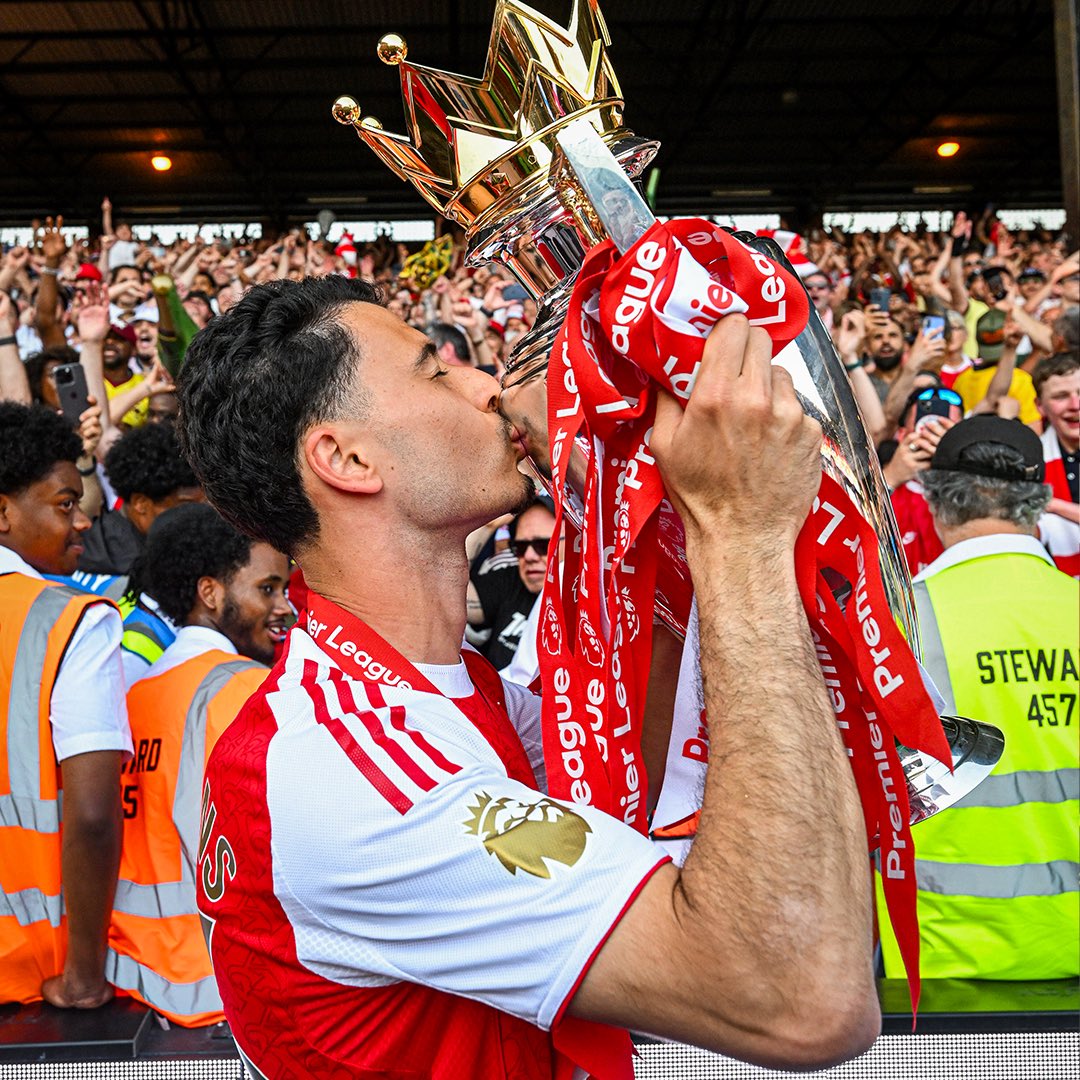
PREMIER LEAGUE CHAMPIONS 🏆