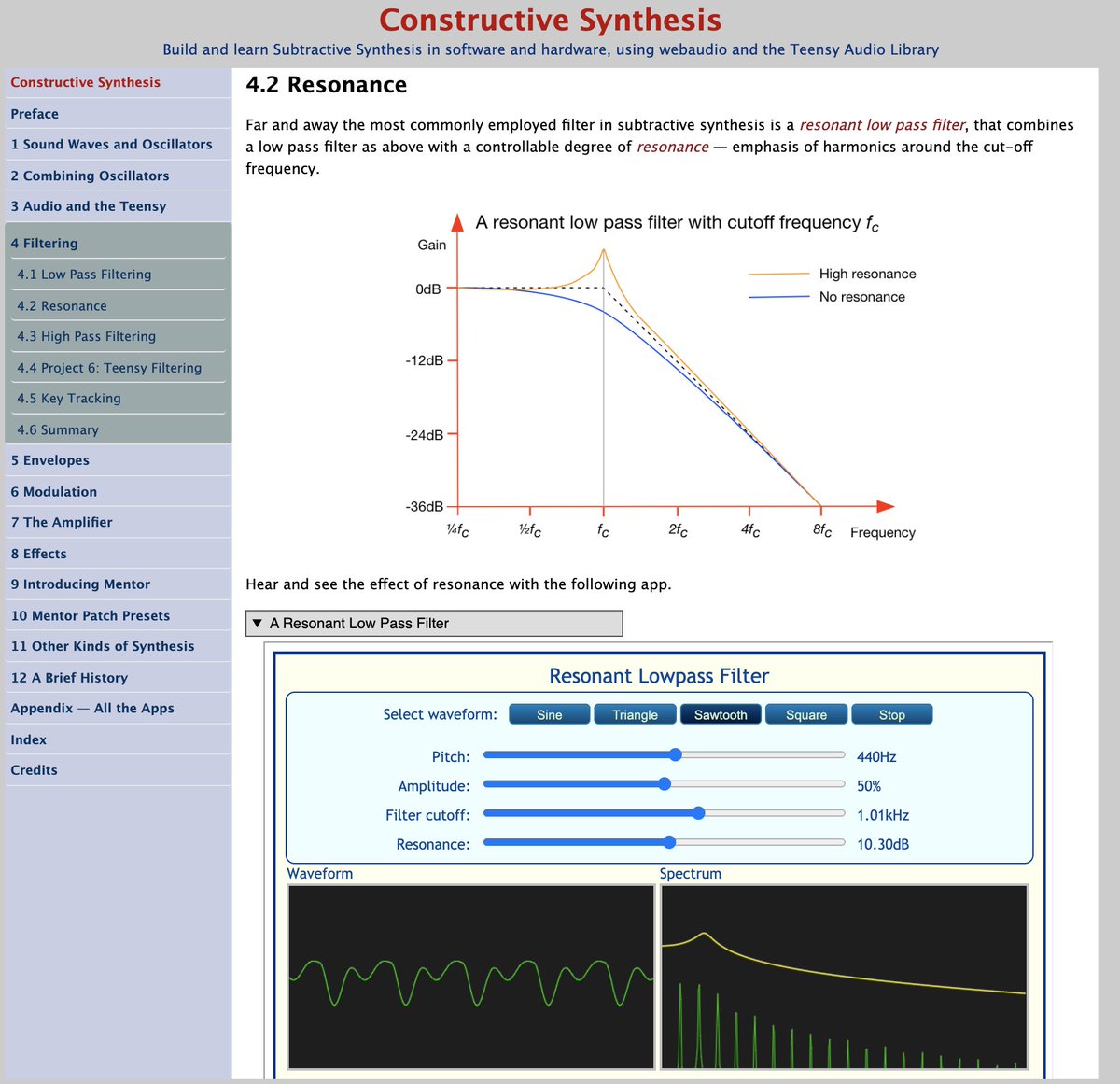
A little different from my usual maths learning apps, but also kind of similar - learn how a synthesiser works, and how to build one in hardware and software!
https://t.co/CtAtUiVfA5
@1rebelnohorse@LRxword@dontattempt @JT_words If it improves the reading, then absolutely! I'm a solver rather than a setter, and I'm much happier accepting slightly dodgy cryptic meanings than contrived and poorly reading clues.
@mburnsmath Also Notakto - players use the same symbol, and the goal can be either to make or avoid making a line of length n.
I made an online version here: https://t.co/YBB0oCreNB
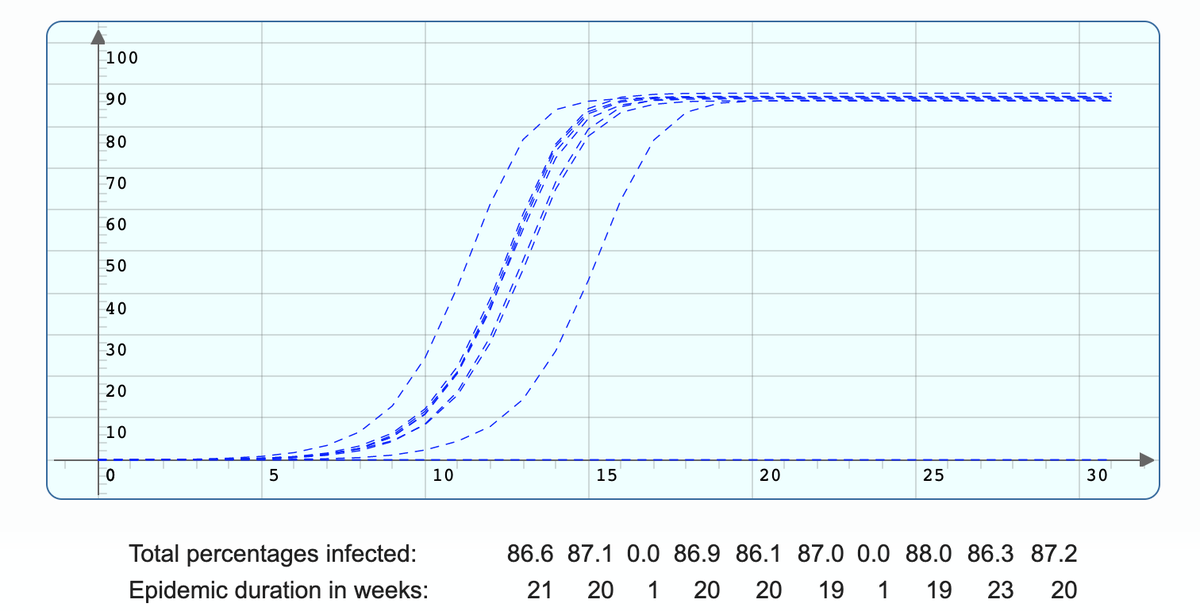
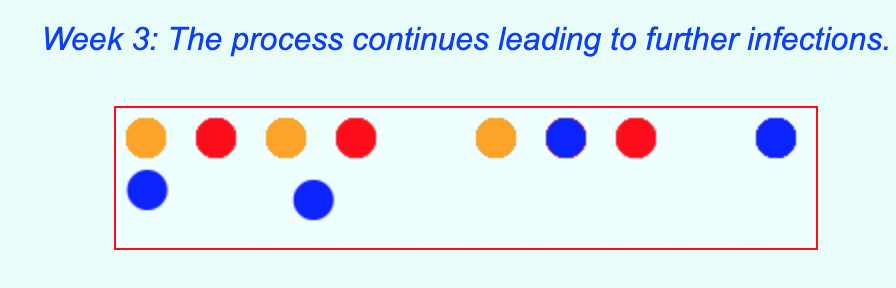
Build up a mathematical understanding of infection transmission with the "Contagion" app (https://t.co/wUpRA4XMga) at the Mathenaeum (https://t.co/gjbIR8Fm1E).
Build up a mathematical understanding of infection transmission with the "Contagion" app (https://t.co/wUpRA4XMga) at the Mathenaeum (https://t.co/gjbIR8Fm1E).
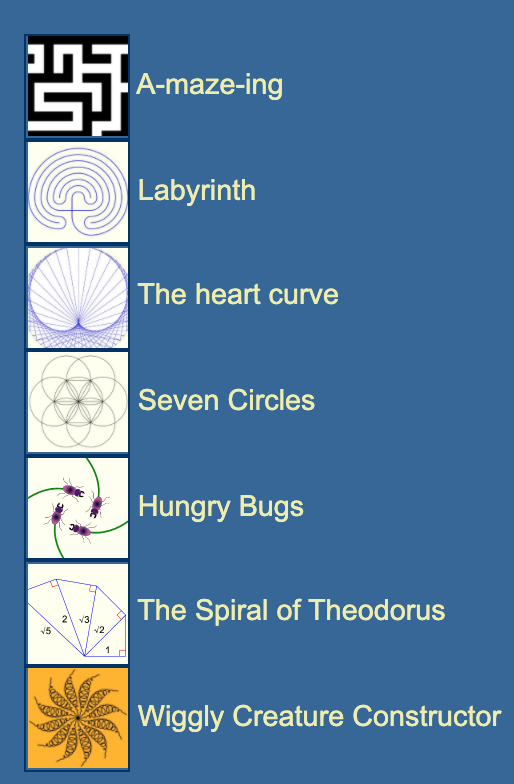
I reckon it's a good time for students to try some of the guided mathematical art activities here https://t.co/0iPSwfO6vF at The Mathenaeum (https://t.co/X4NoEBuMXQ).
Fun, creative, and can do on screen or on paper or both.
We need to use the coronavirus situation to encourage mathematical thinking in students, and to illustrate the importance of quantitative modelling generally.
With a few questions as a scaffold, activities like this can help build fun and informative online lessons.
Hope this story, and the many like it, get the attention they deserve.
I taught maths for 25 years, but I won't go back to the classroom. Here's why https://t.co/rs5ySUcXoE via @ABCNews
@LRxword I've got no issue with obscure words in cryptics - you've still got the clue to work them out in pieces. But DH's clues are often contrived and only rarely read well. Tuesday is a bit of waste of time.