🇬🇷 Historic Milestone as First Female Volunteers Join the Hellenic Army
A total of 72 women reported for duty at the Army Training Centre in Lamia, becoming the first female volunteers to join the Hellenic Army under Greece’s new voluntary service initiative.
The recruits will undergo basic military training before taking their oath on June 26. Greek military officials described the move as a significant step in the modernization of the Armed Forces and the expanding role of women in national defense.
Source: Skaigr-LamiaReport
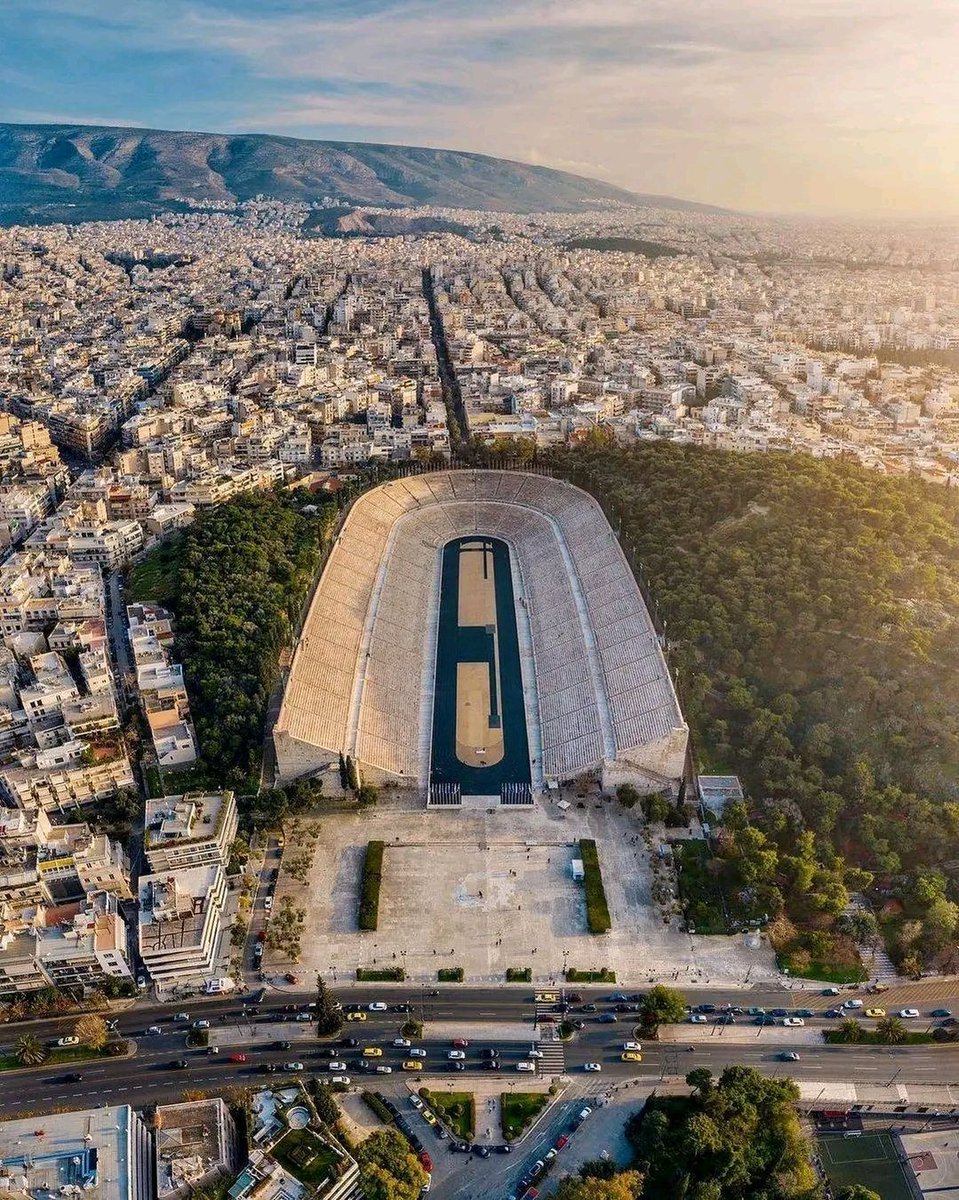
Athens, Greece. 💙🇬🇷💚
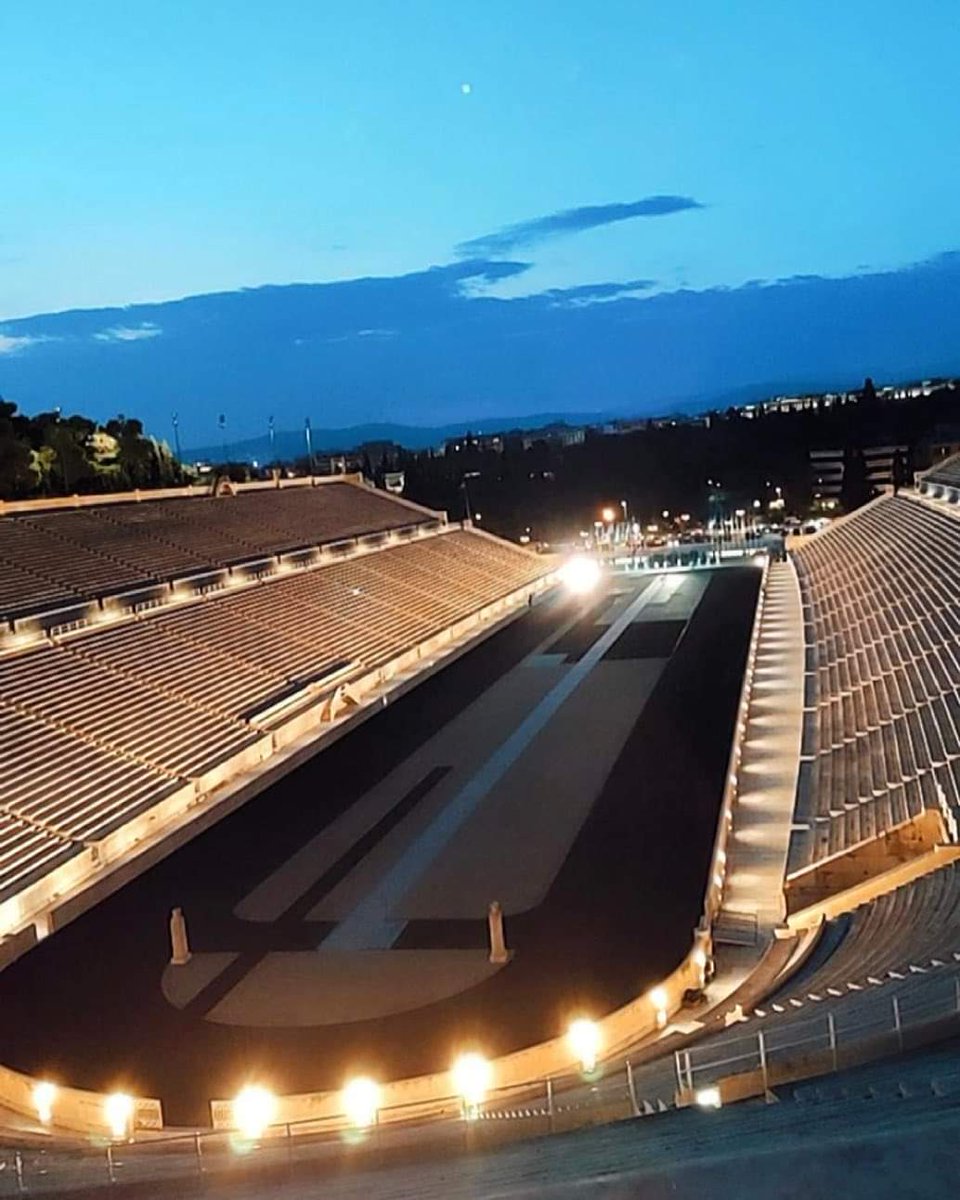
The Panathenaic Stadium is the only stadium in the world built entirely of marble! It is commonly called Kallimarmaro which means Beautiful Marble.
Hippos like Fritz have dichromatic vision, which means that they see in two colors. They also have a set of built-in goggles: a clear membrane covers their eyes for protection while still allowing them to see when underwater.
Turns out it takes a while to send good quality video back from Mars. Or something like that. I don't know, I'm not a scientist.
But I do know LEAP OF FAITH has arrived
Part 1: https://t.co/3UOrqLQ0rO
Part 2:
https://t.co/3tuh9GoNa2
WHO TOOK THE LEAP? FIND OUT NOW!
🔸 May 29 - Saint Ipomoni 👑 🔸
Yesterday, we also commemorated Saint Ipomoni, formerly Empress Helen Dragaš Palaiologos. She was the mother of Constantine XI Palaiologos, the last Byzantine Emperor who perished on this day in 1453 during the Fall of Constantinople. Helen Dragaš was the daughter of Constantine Dragaš, one of the many leaders of the large Serbian kingdom of Stefan Dusan. She also had several holy ancestors, including Stefan Nemanja, also known as St Symeon the Myrrh-gusher, the Serbian king and founder of the Hilandar Monastery on Mt Athos.
At age 19, Helen married the future Byzantine Emperor Manuel Il Palaiologos who reigned from 1391 to 1425. As Empress, she was known for her piety, humility, chastity and bravery. She loved her people, and even as the empire crumbled around her, she consoled them with her prayers, meekness and wise words. Blessed with 8 children, including the legendary Emperor Constantine XI, Helen raised them in the fear of God, and often took them to visit the monasteries which she loved dearly.
In 1425, her husband ceded the throne to his eldest son John VIII, and became a monk with the name Matthew at the Pantocrator Monastery in Constantinople. After the death of her husband, Helen went to the Monastery of St Martha where she also embarked on her own ascetic life as a nun, taking the name Ipomoni (“patience”) - a virtue she was already known for. The former empress humbly undertook all her jobs in the monastery with the other nuns, and also helped establish a home for the poor and elderly called “The Hope of the Hopeless”.
In Constantinople, she was associated with the Holy Monastery of the Honorable Forerunner of Petra where the holy relic of St Patapios the Wonderworker was kept, whom she had a special reverence for. St Ipomoni reposed on March 13th 1450, three years before Constantinople fell to the Turks. Her holy skull is kept at the Monastery of her beloved St Patapios in Loutraki, Greece. In 1449, her son Constantine XI Palaiologos became Emperor, and after refusing to flee the city when the Ottomans were poised to besiege it, he led a final charge in May 29 1453 where he died a martyr’s death.