A shout out to @LatrinaCockrell and the @FultonCoSchools@FCSPLLD department for the first non-instructional leaders networking fair. A highlight was a panel of area superintendents and district leaders that offered concrete and actionable career advice. “Lead up” with intention!
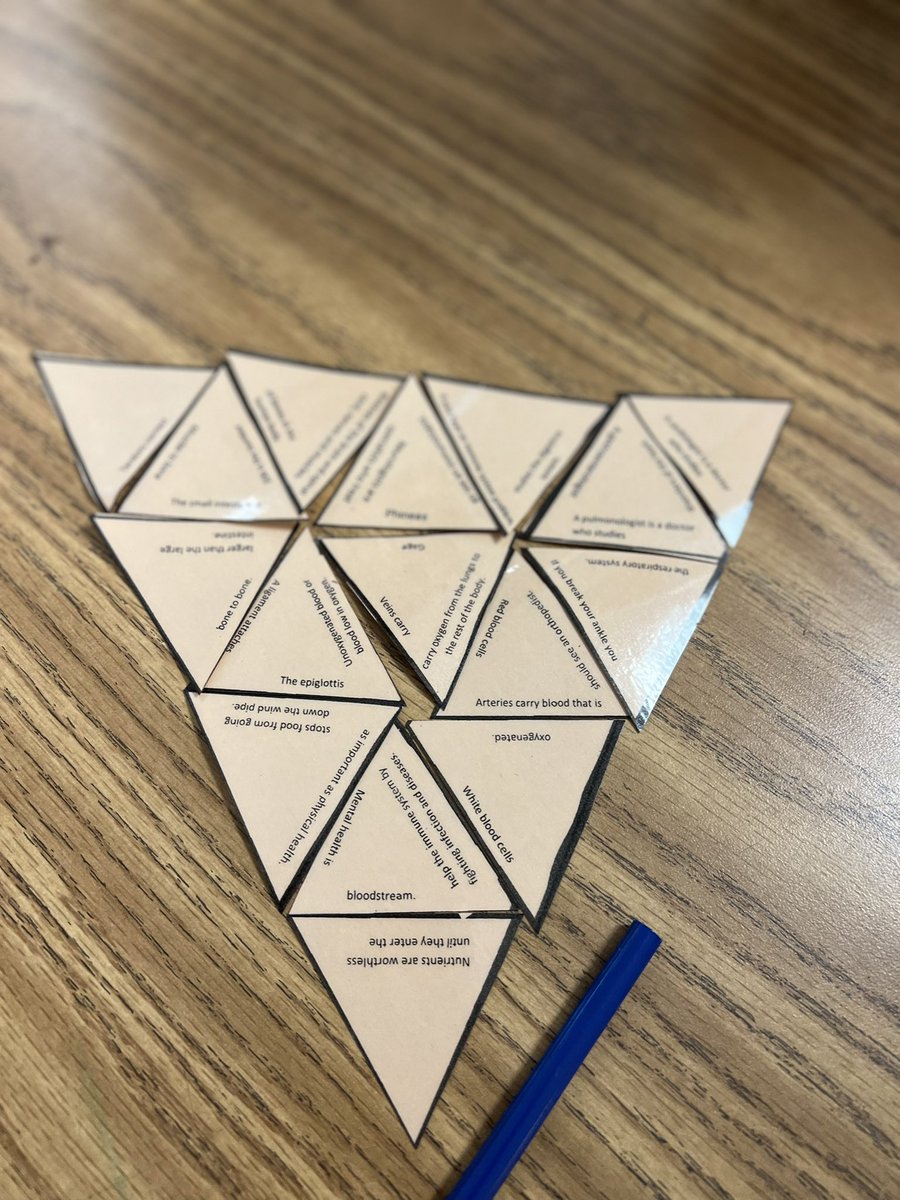
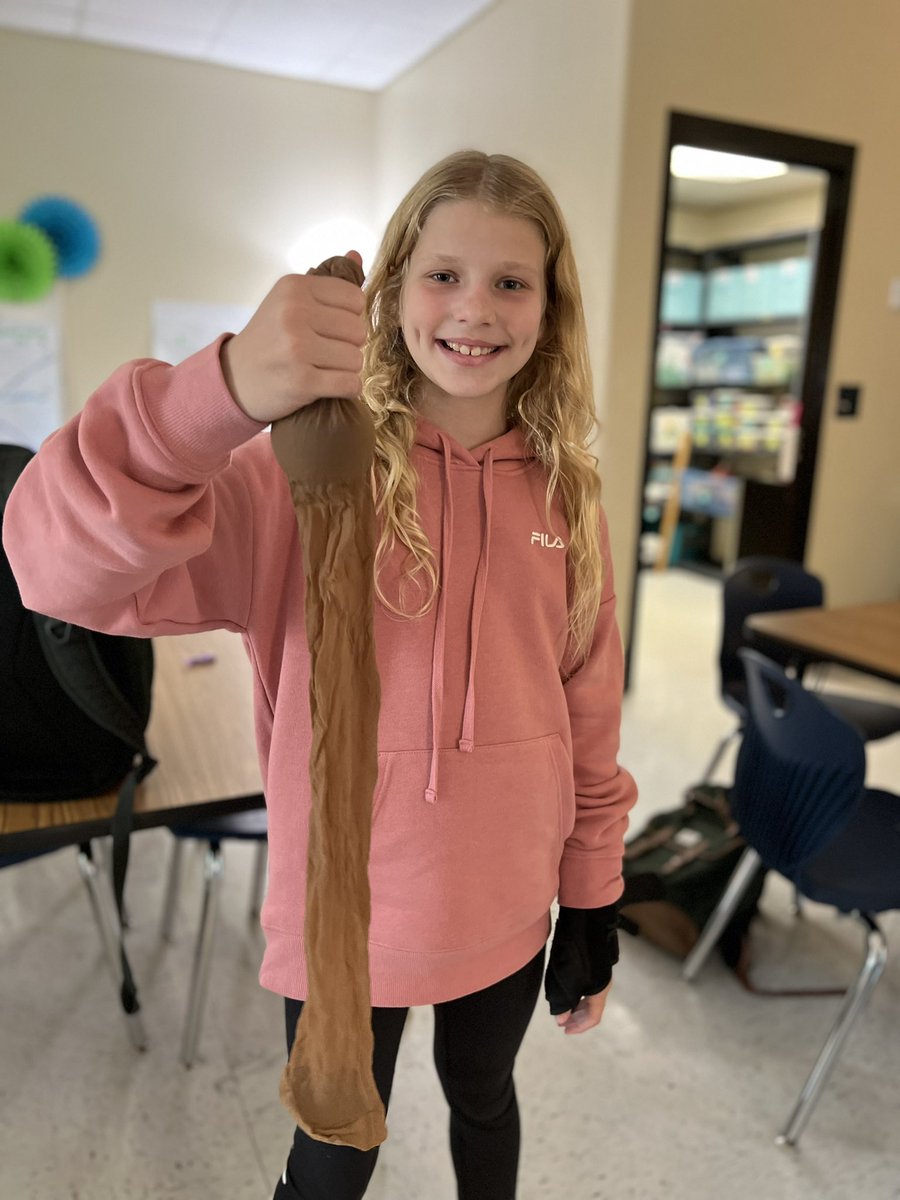
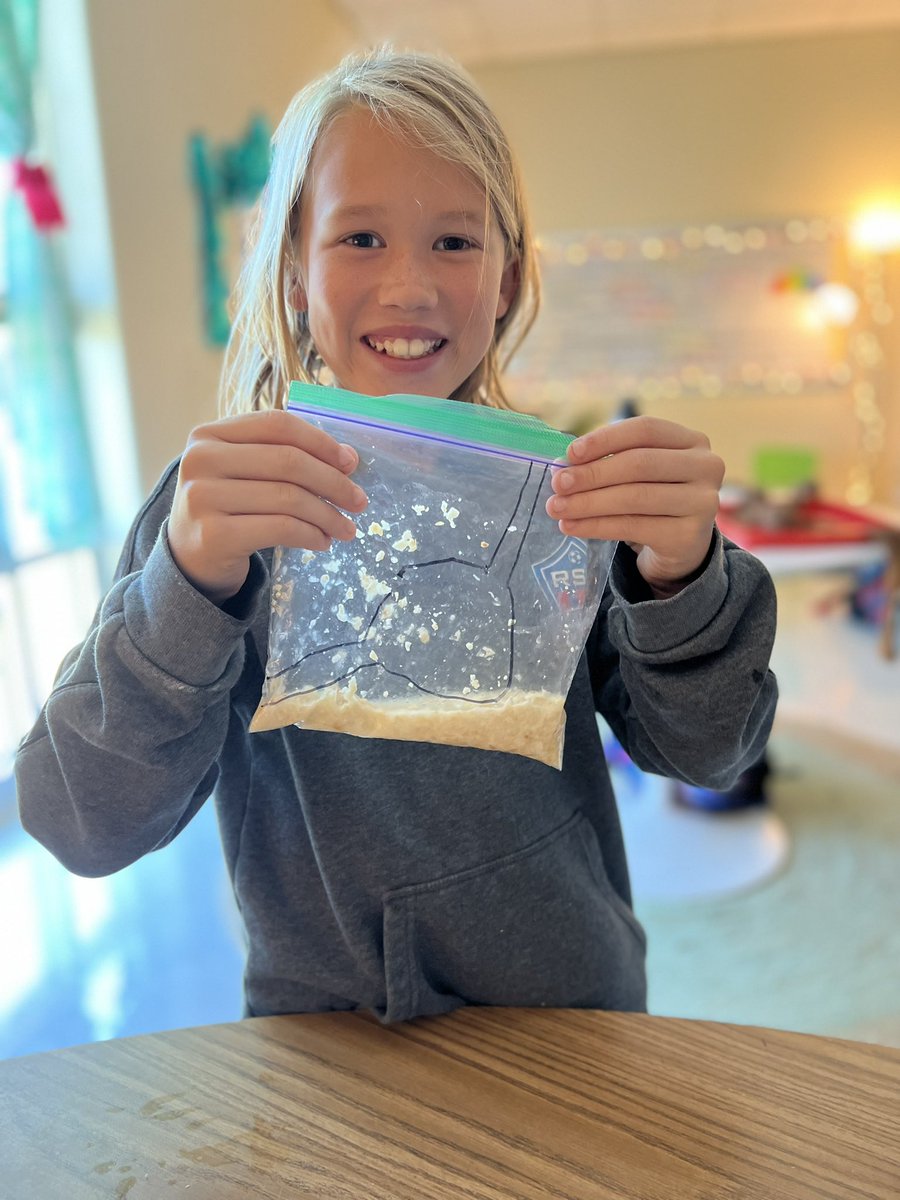
Digestion exploration stations! To introduce the digestive system, students made chyme-in-a-bag, listened to the rumbling sounds in their large intestine, and modeled muscle movement of the esophagus. @andylallison
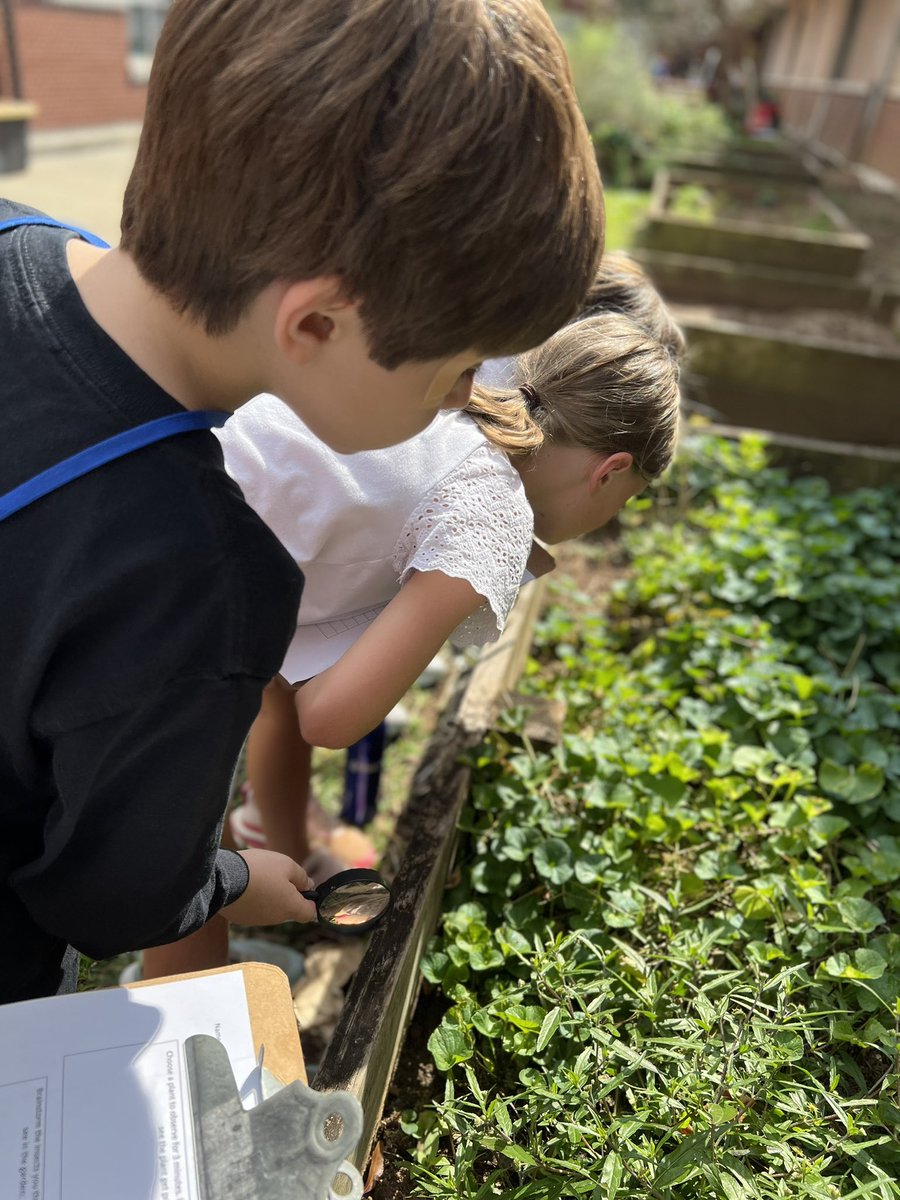
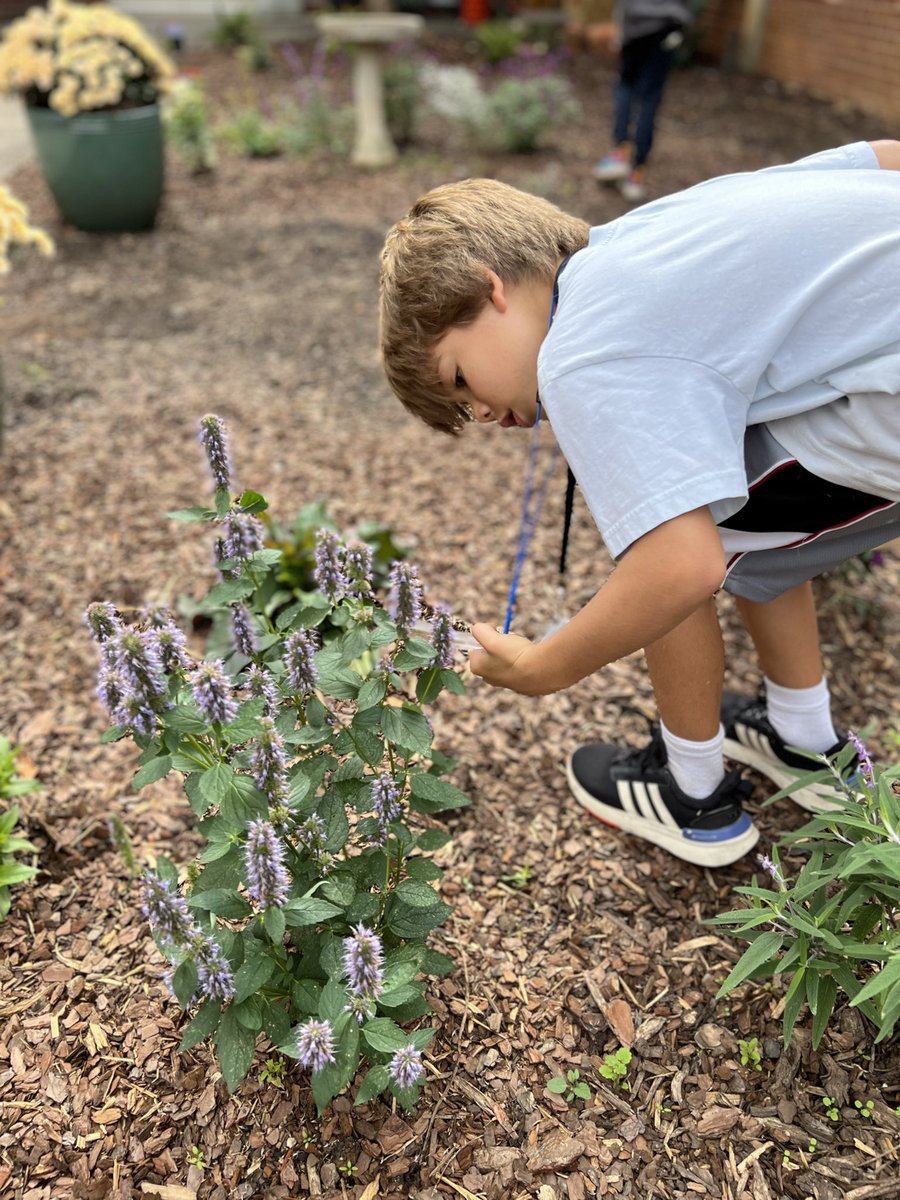
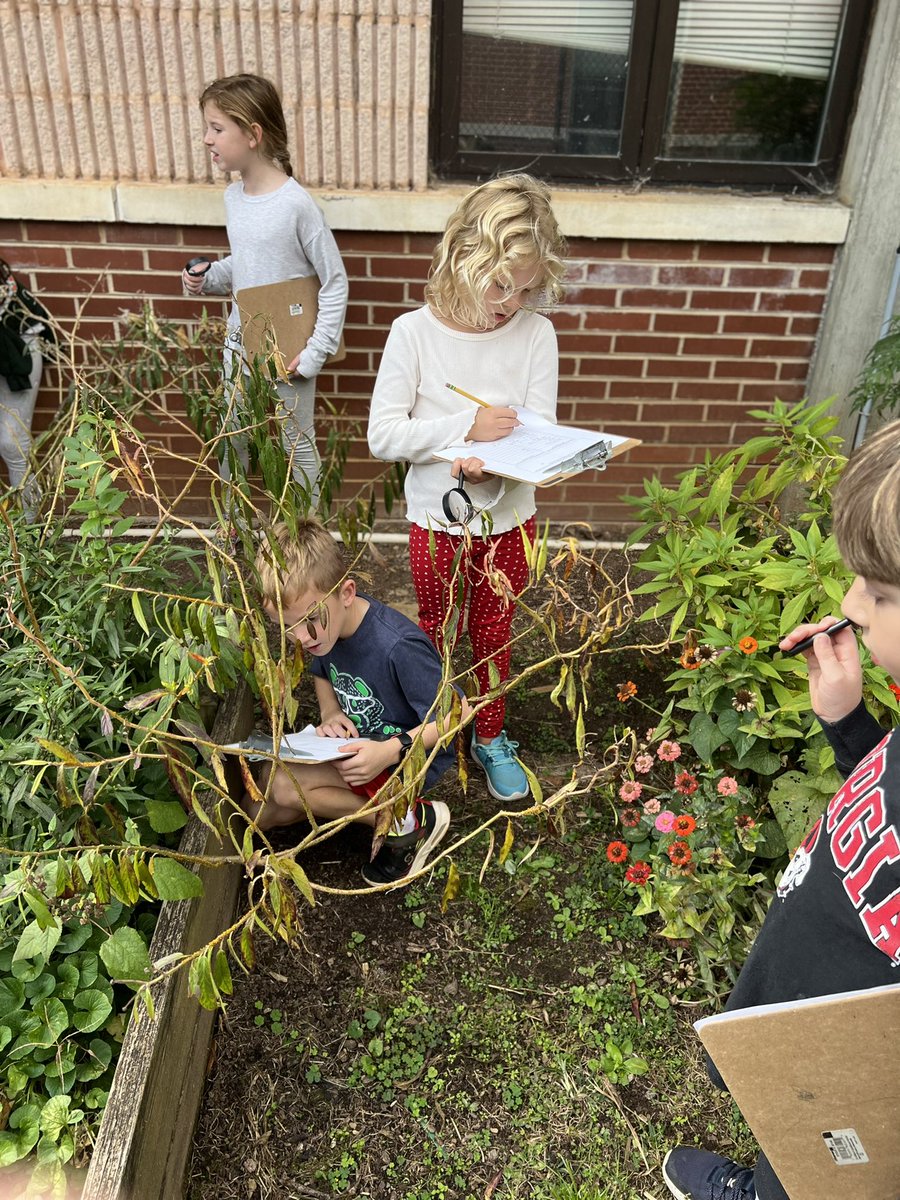
These RNE entomologists recorded data about their observations of insects in our school garden. We watched 🐝 pollinate flowers by buzzing from plant to plant. Outdoor lessons are the BEST! @RNEprincipal
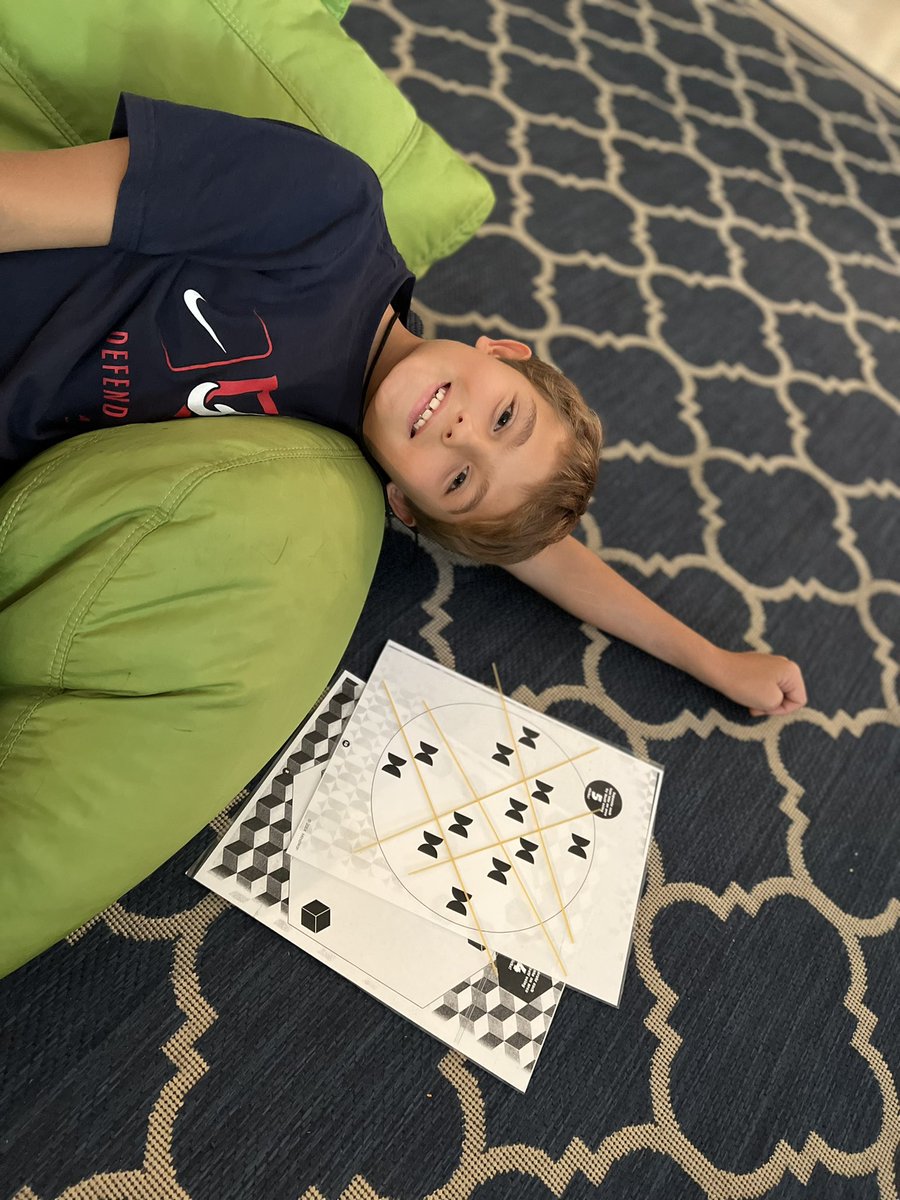
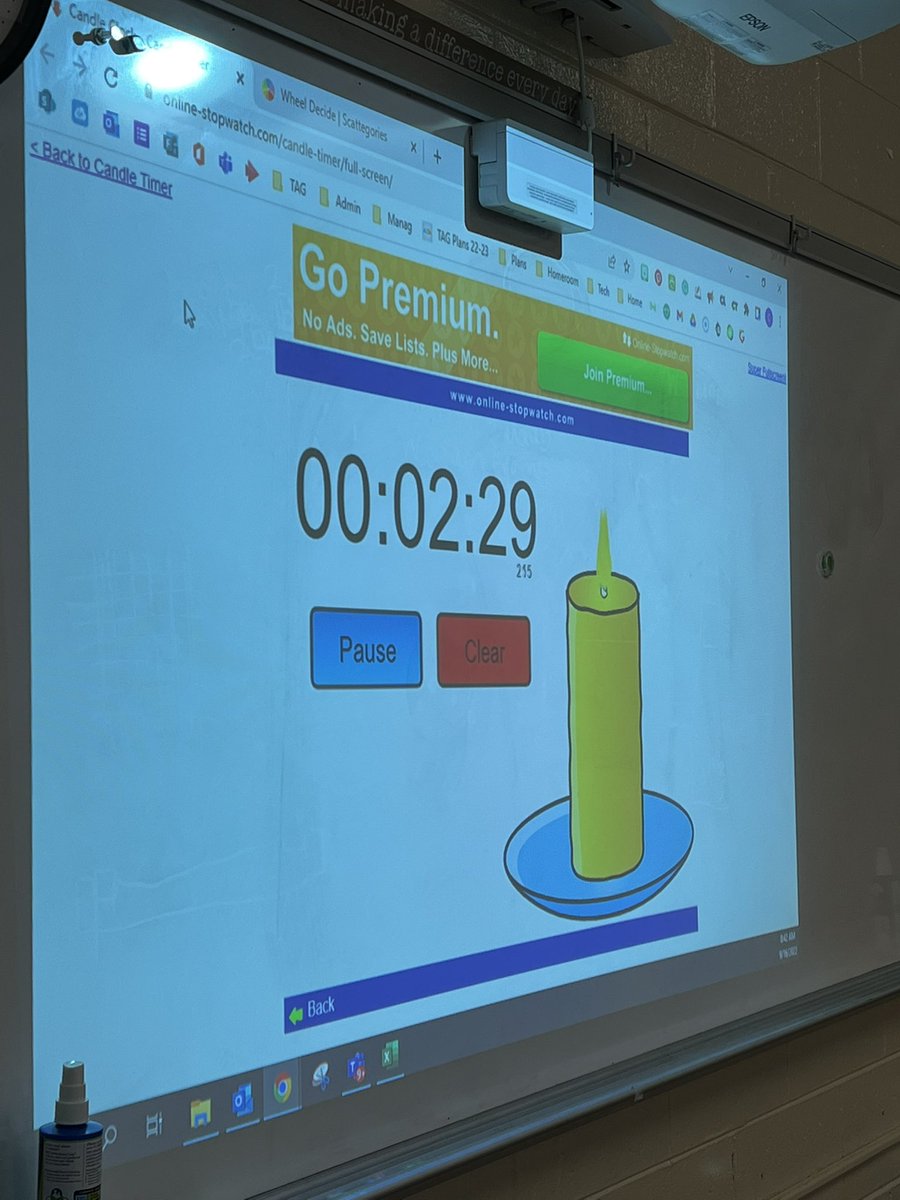
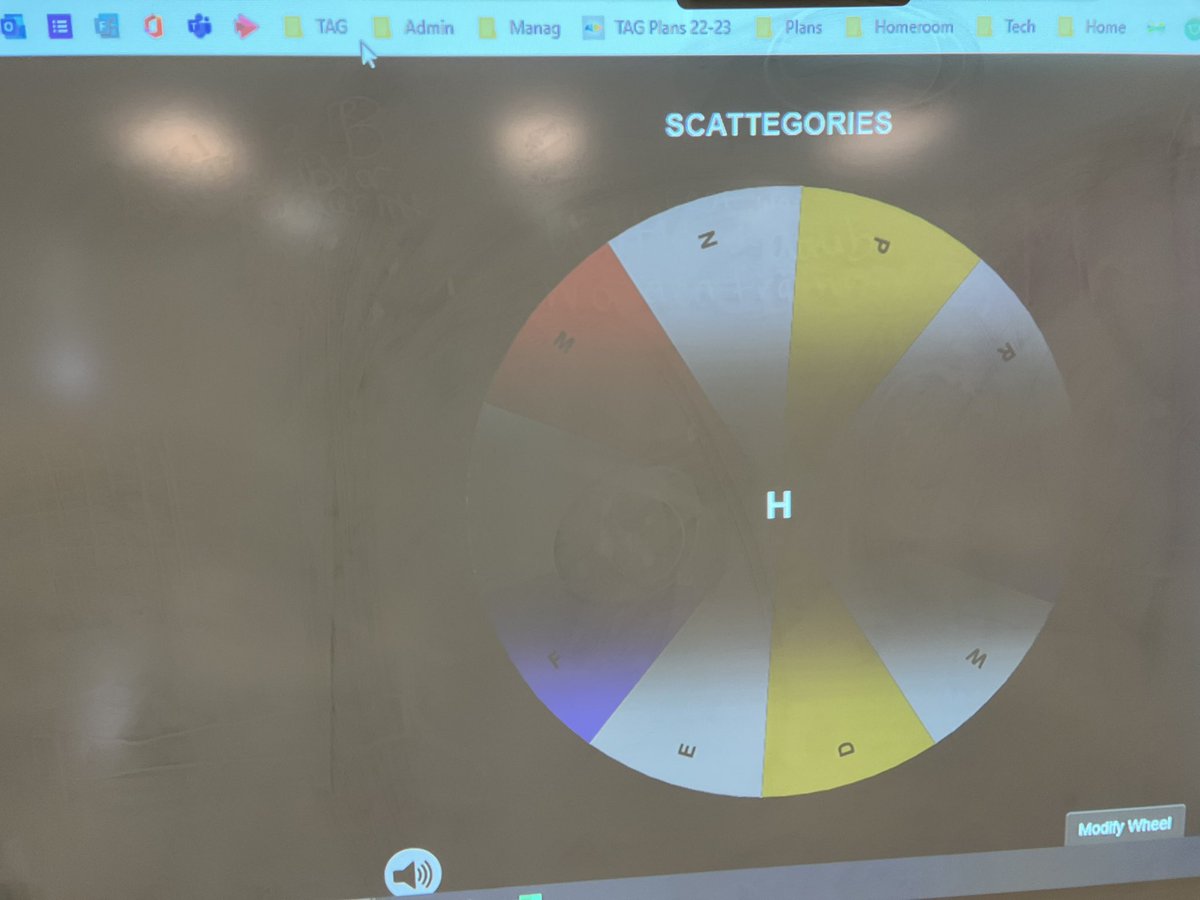
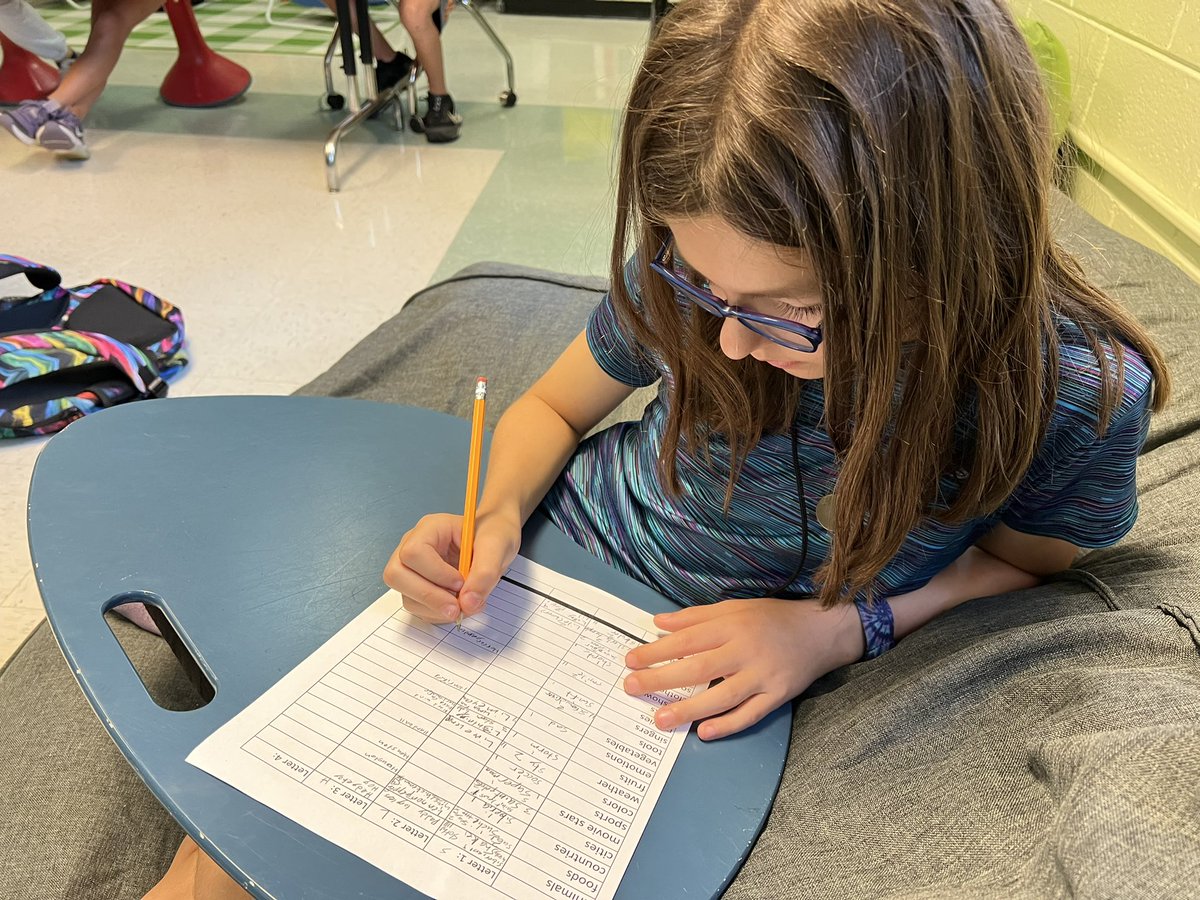
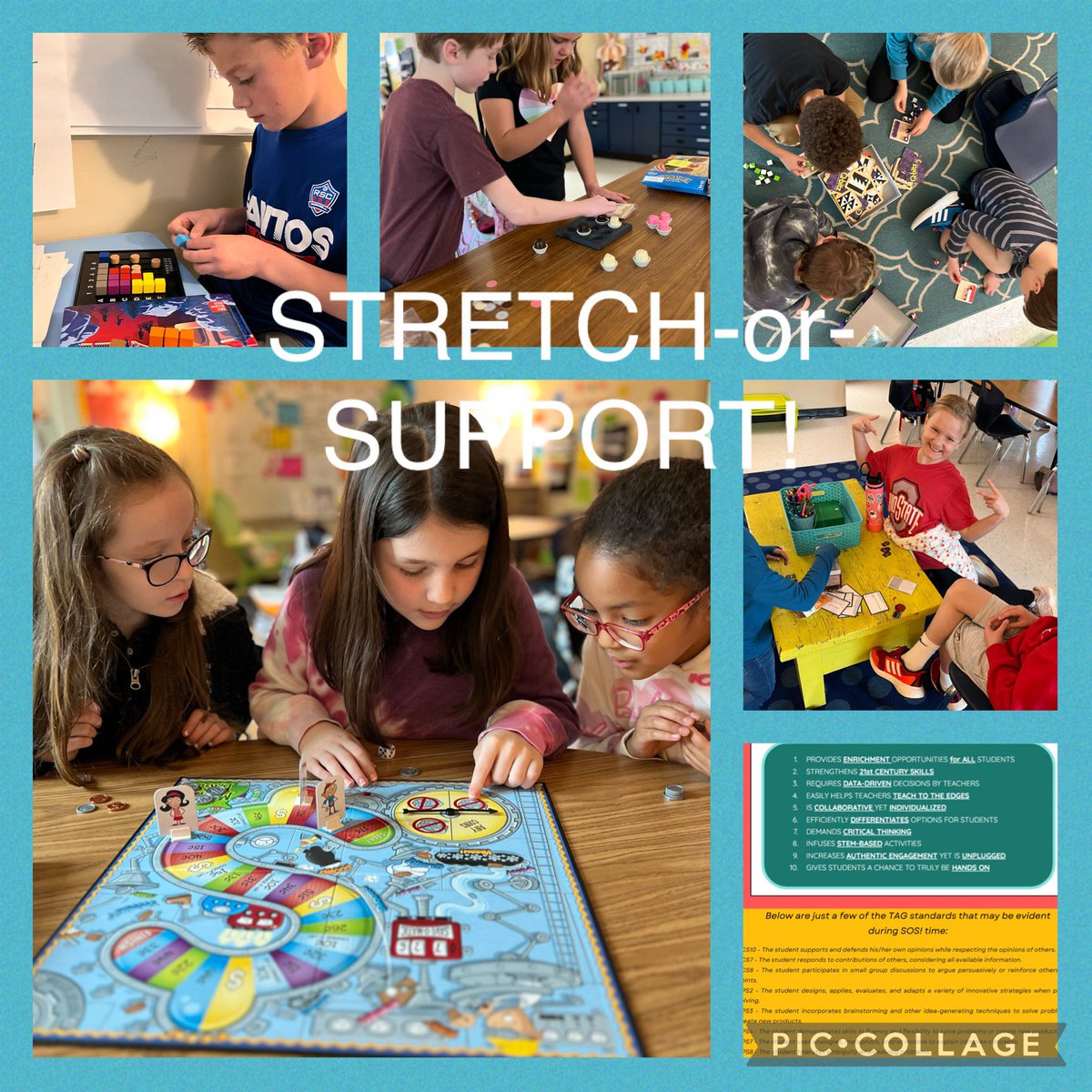
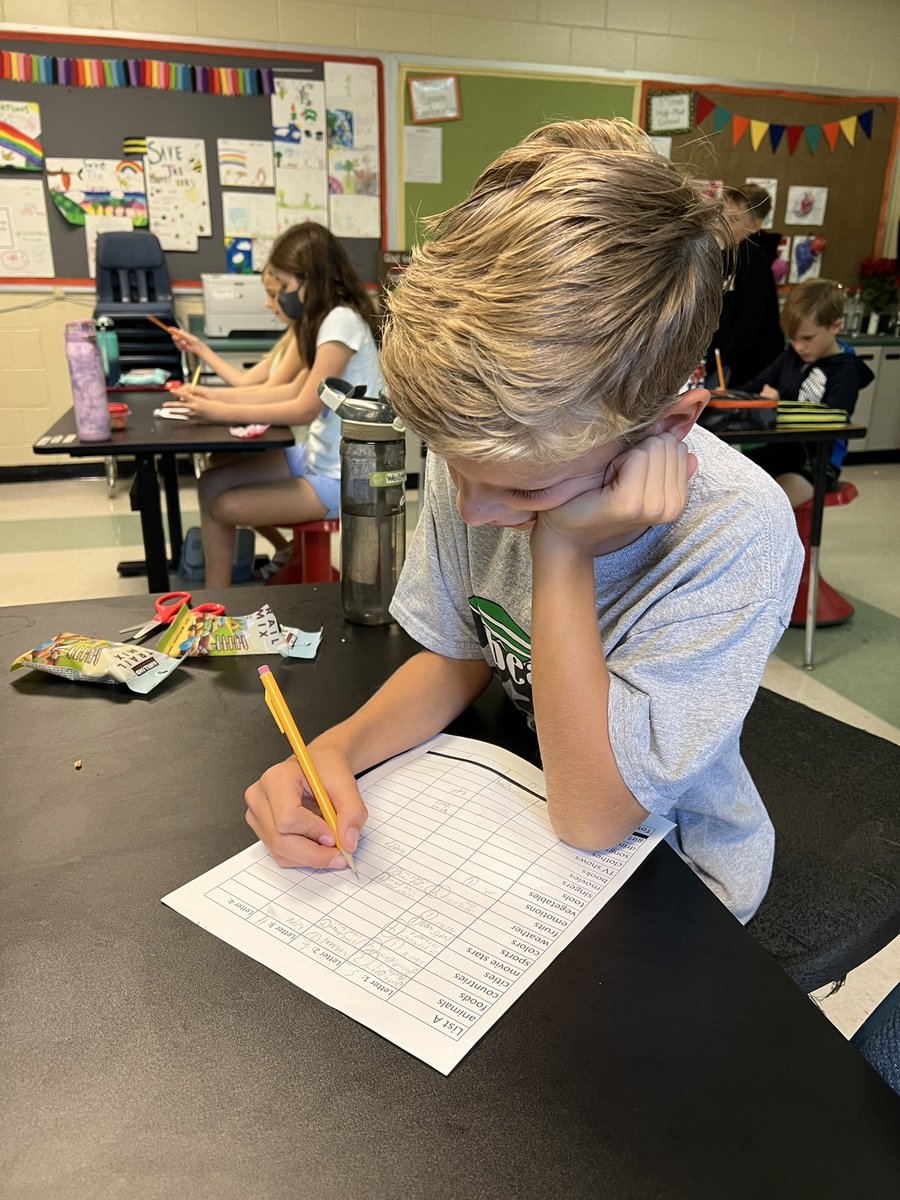
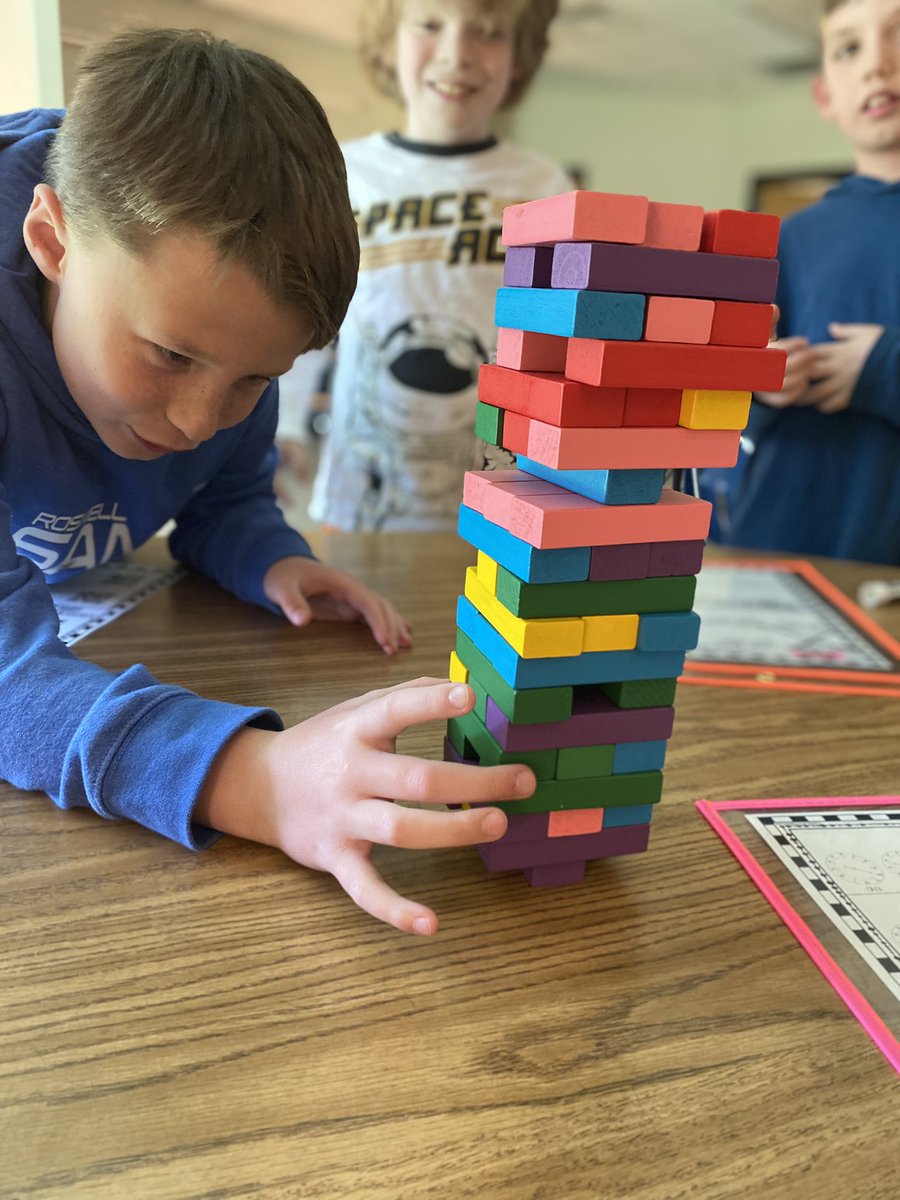
Scattergories is the perfect way to kick off our TAG day! We’re working our “creativity muscle” by increasing our fluency AND originality! @andylallison@RNEprincipal
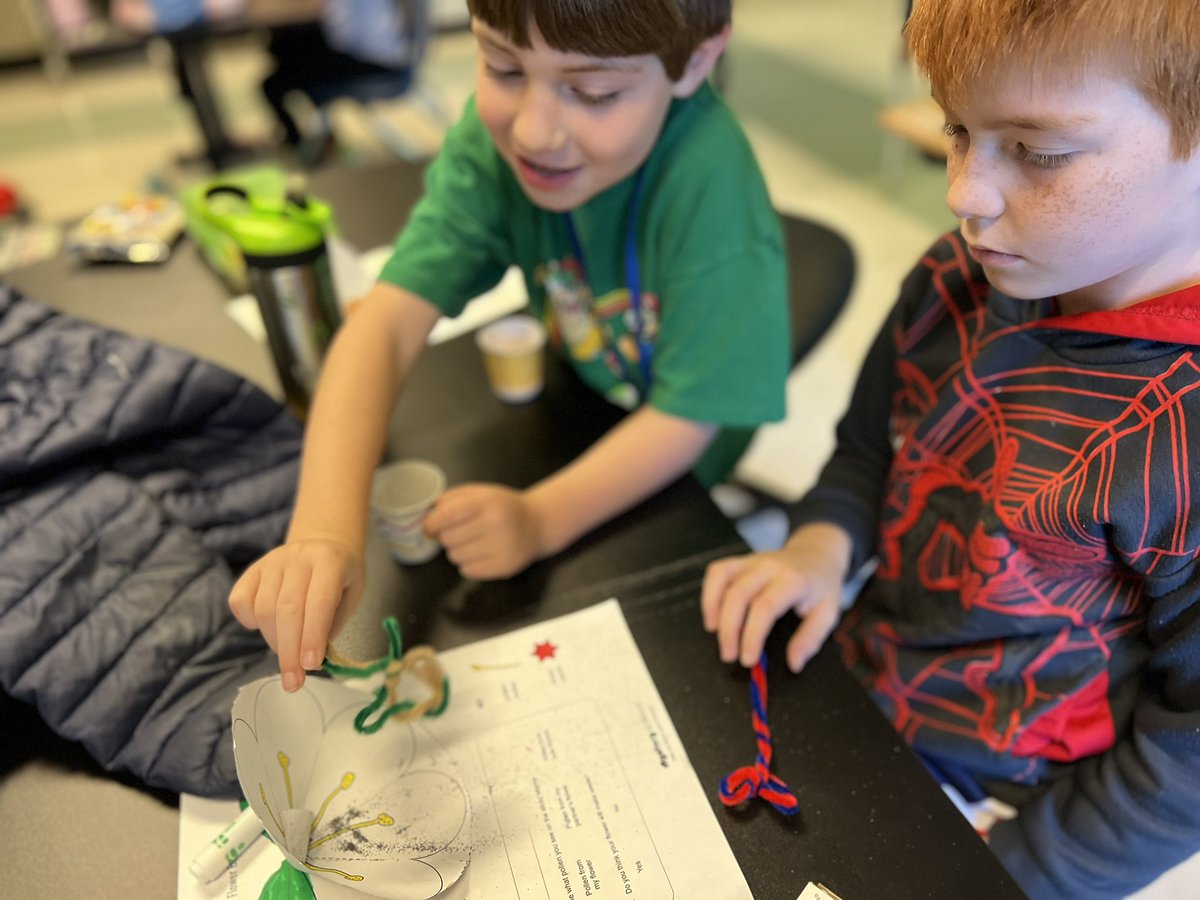
Our 2nd graders took a virtual field trip to a butterfly conservatory and demonstrated with @MysterySci how 🐝 and 🦋 help with pollination. @RNEprincipal
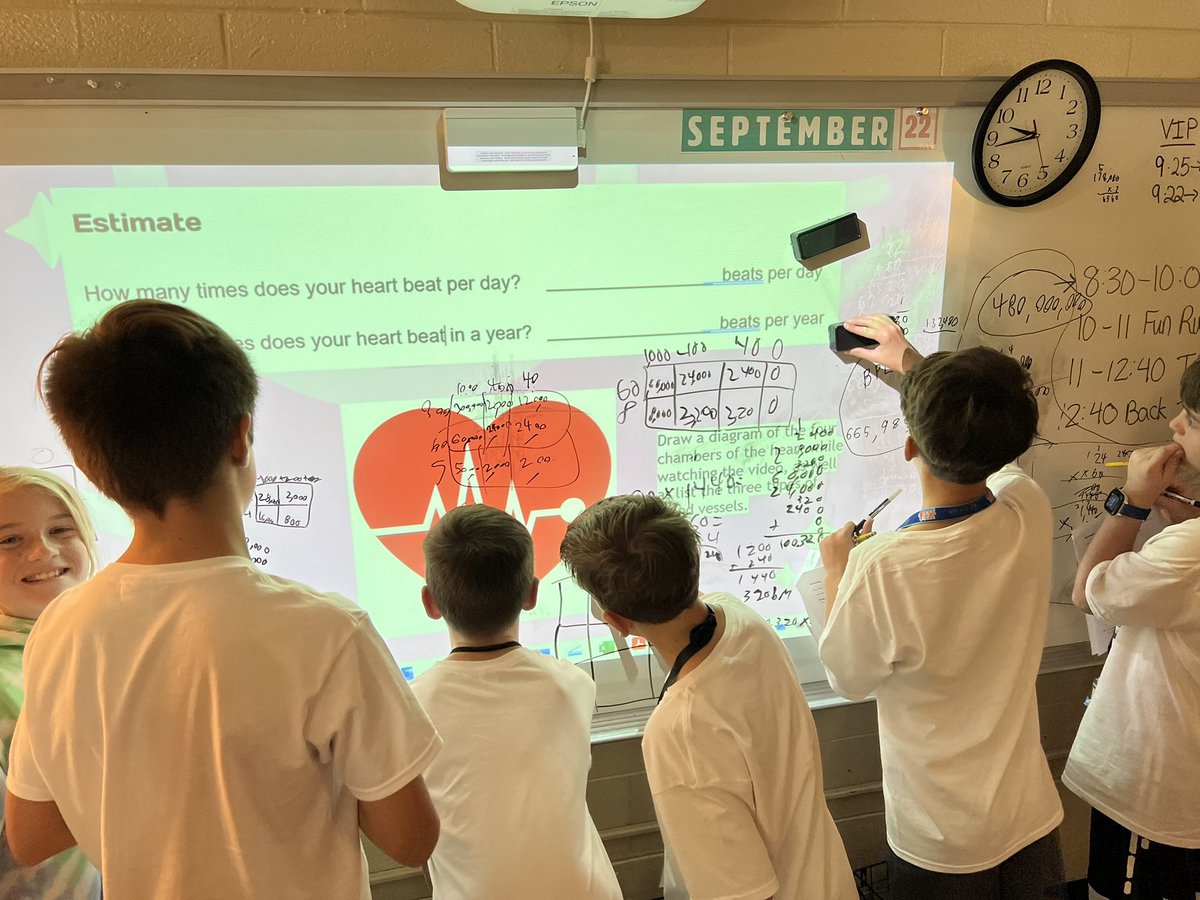
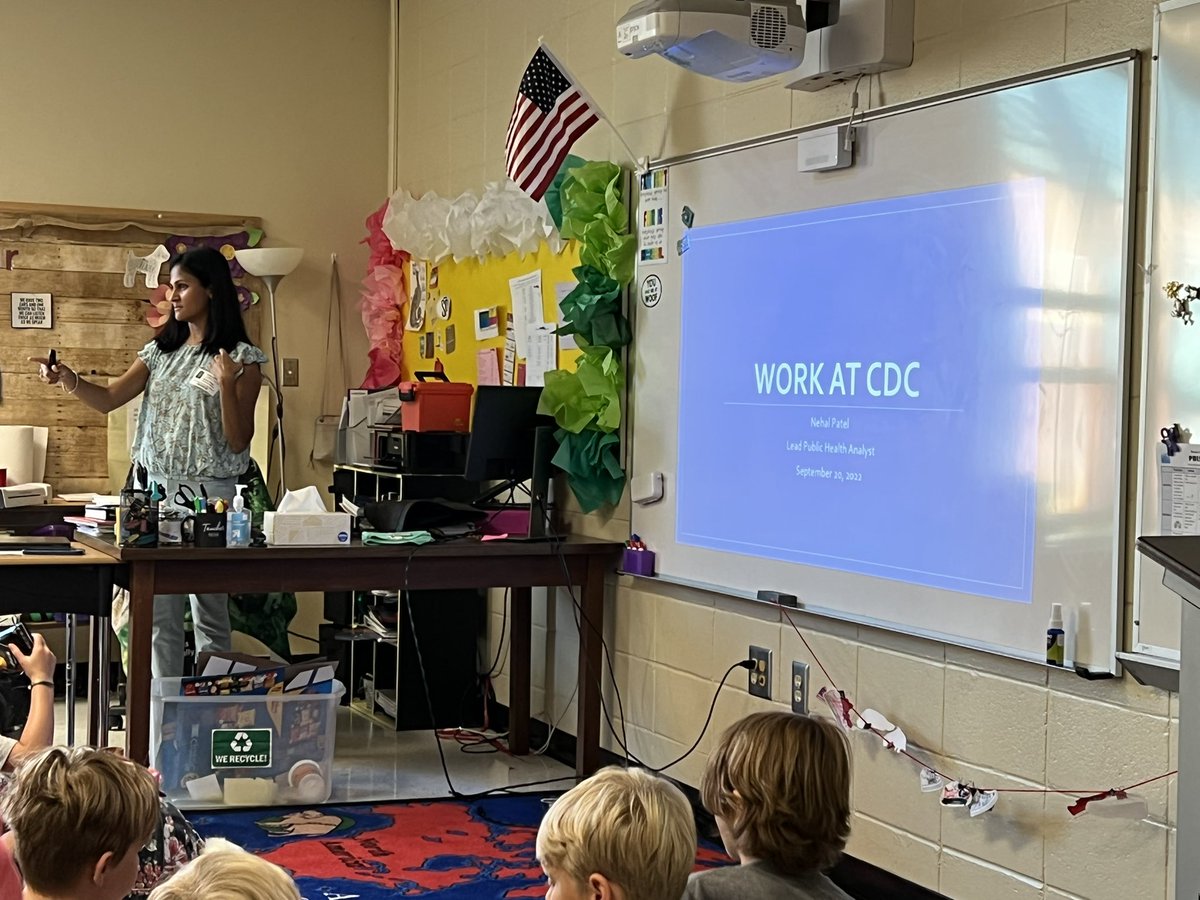
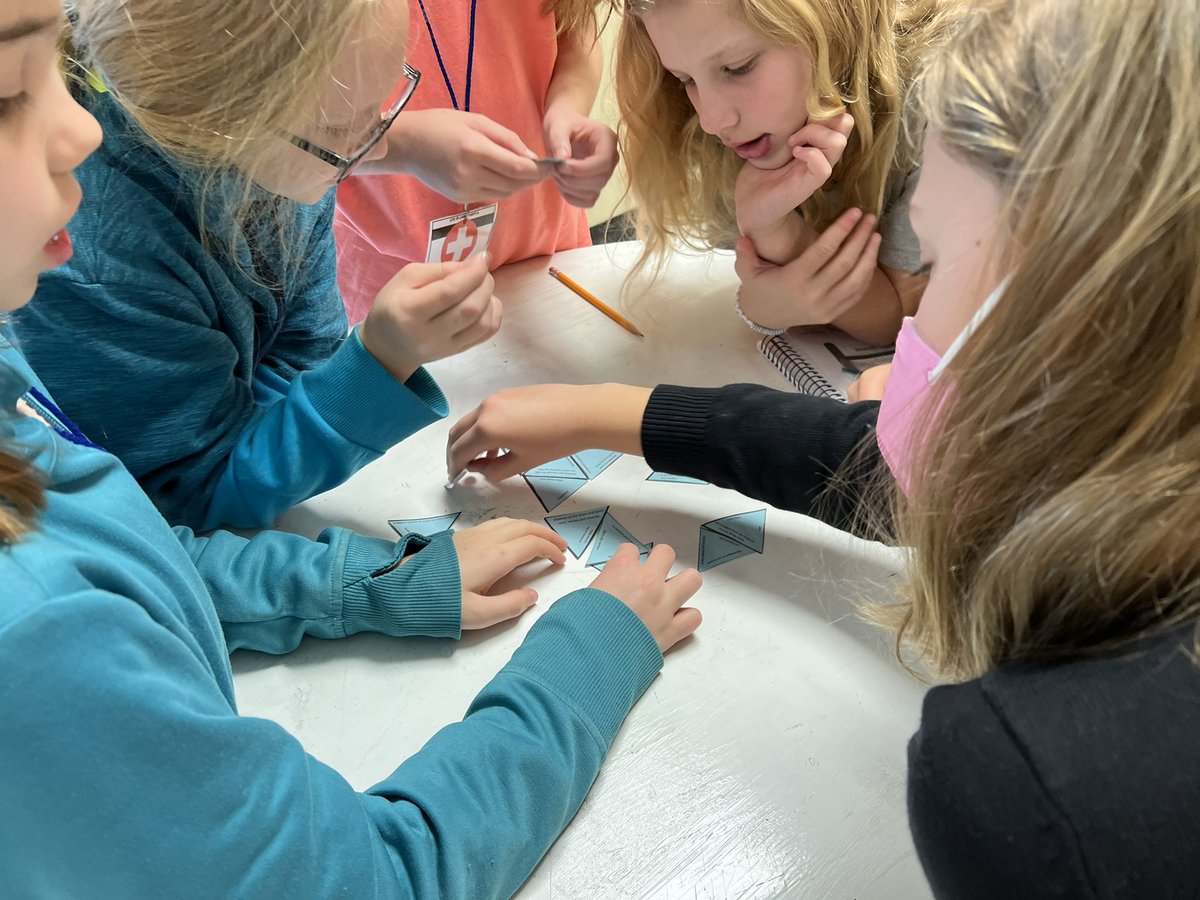
@SweetAppleES 5th graders love our parents coming to teach about their career. In our Mini-Medics Unit, we’ve had an ER doctor, pediatric psychologist, and CDC statistician visit our class. @andylallison@MrsAlhadeff
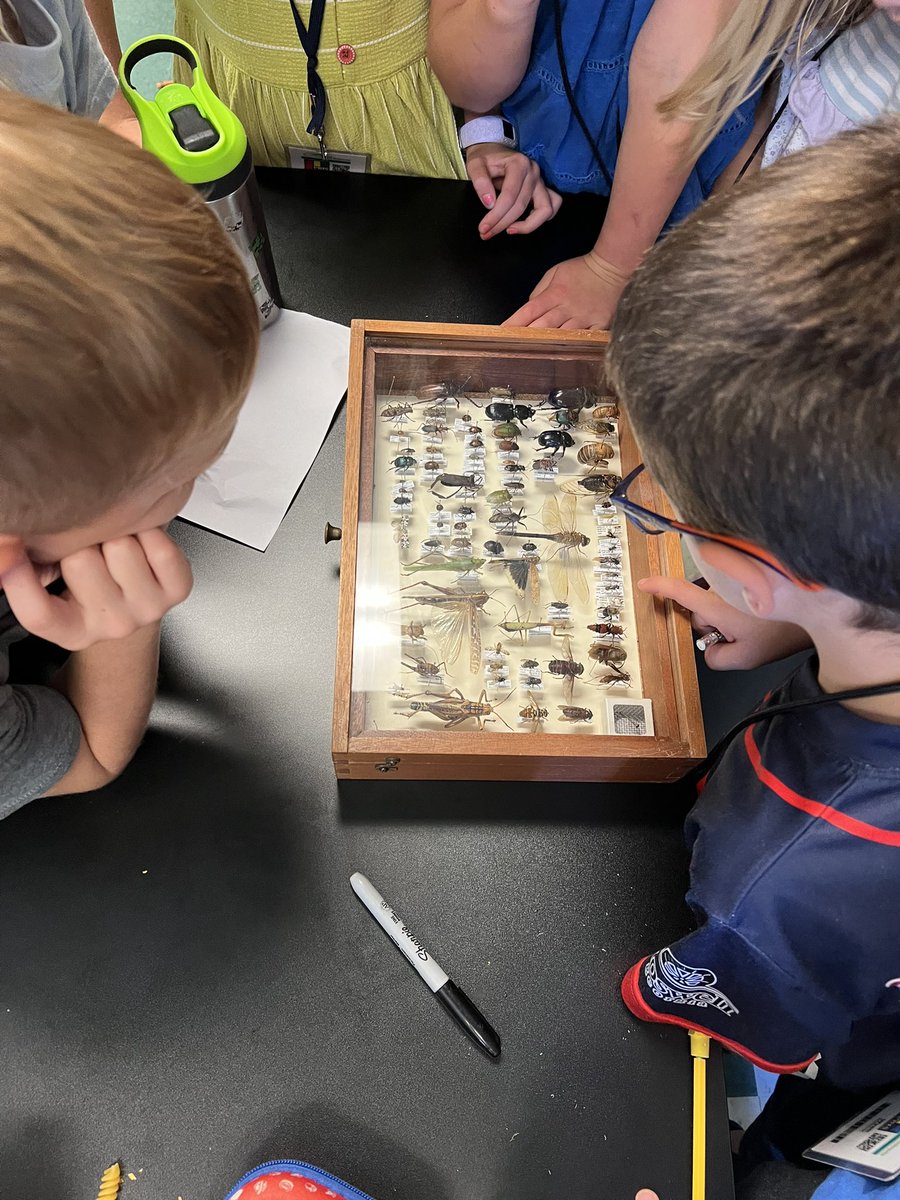
RNE second graders loved learning from a @universityofga entomologist during our TAG unit on insects. The insect collection he brought was a hit! @RNEprincipal
5th grade TAG students learning about the musculoskeletal system built a prosthetic hand to explore the connection between bones, muscles, and tendons. @andylallison@MrsAlhadeff
RNE 5th grade TAG students learning about disorders of the nervous system used the design thinking process to build and test a football helmet that reduces head injuries. @RNEprincipal#enrichment#designthinking#collaboration
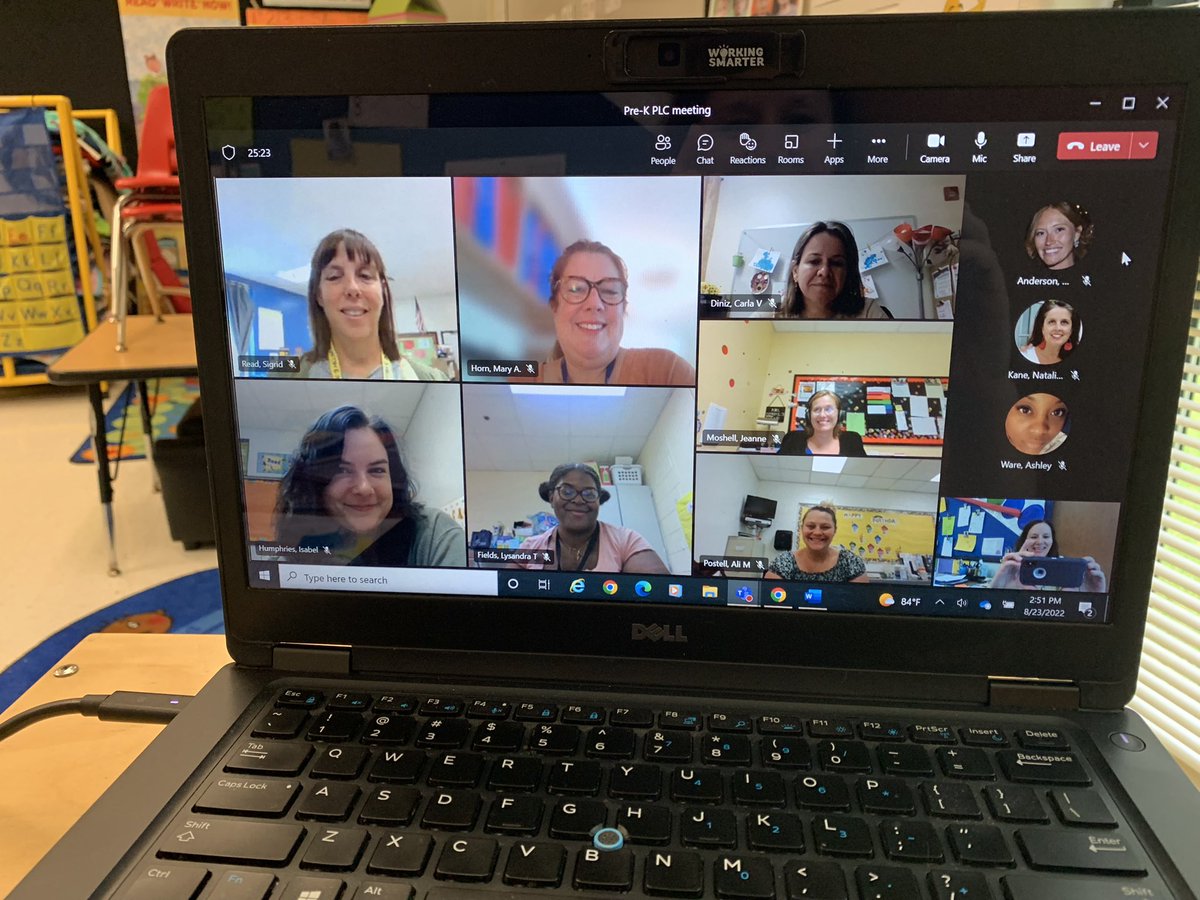
FABULOUS first Pre-K PLC meeting of the year! I am so excited to dig into this important work! Thankful for the leadership of @FCS_PreK@cervasioforever@brookescharf
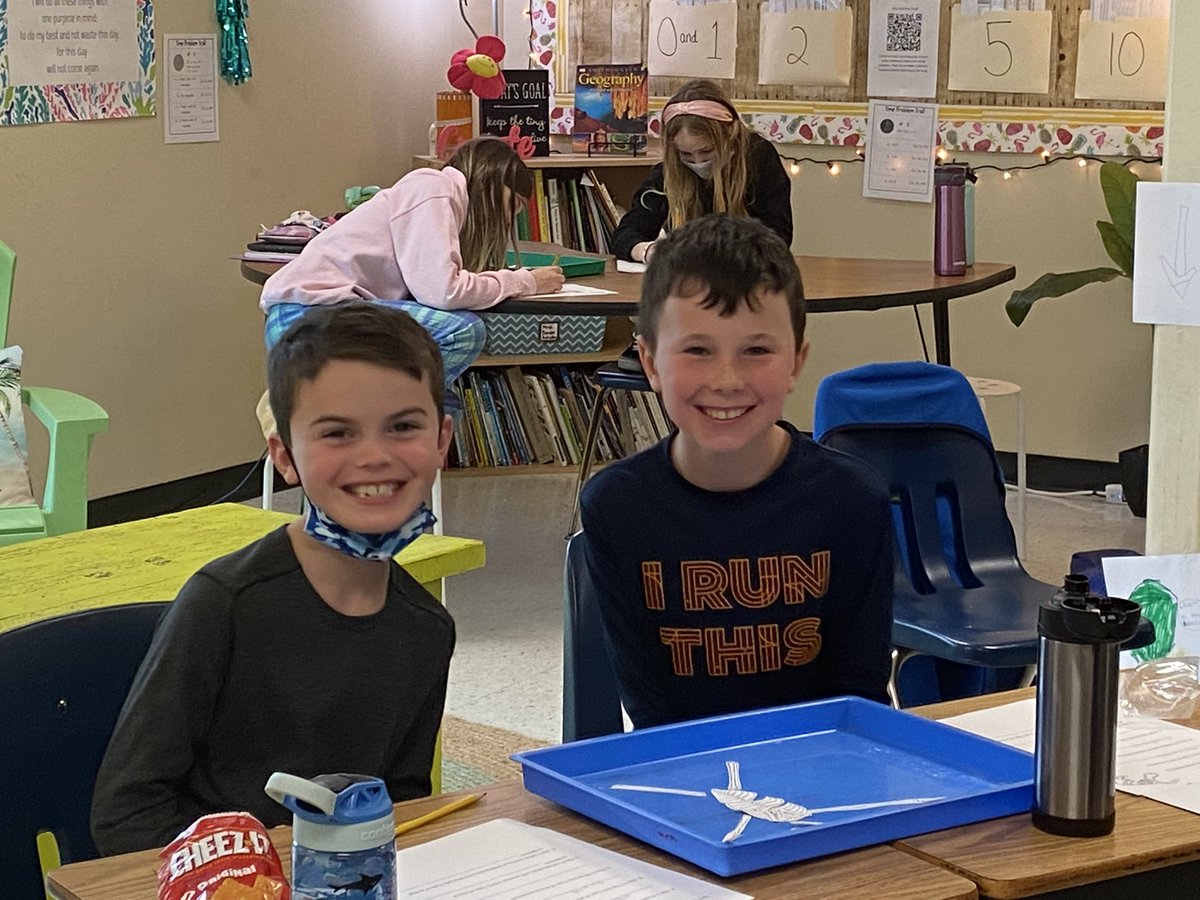
These @SweetAppleES paleontologists “dug up” dinosaur bones and made predictions about what animal it could be. As we found more bones, we practiced the important skill of adjusting our hypothesis as we get more information.