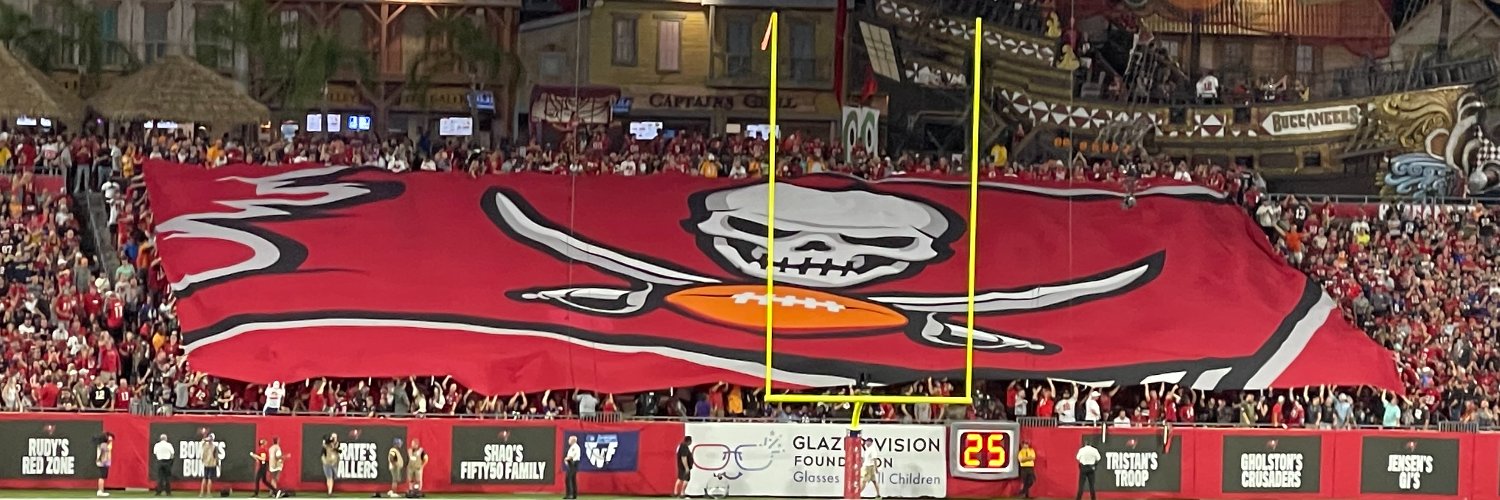
Ted Hurst is my FAVORITE sleeper in this years WR class. Small school, BIG potential. I see some Larry Fitzgerald in his film 🫣 Bucs fans should be excited for this one #nfldraft#wearethekrewe
Google is slowly turning into a lead generation platform (even more than now).
And if you're a home service business, this changes everything about how you should be thinking about marketing over the next few years.
Here's what I mean.
Google has been removing features from organic search results and moving them behind paid placements. The biggest one most people noticed is the call button disappearing from 80% of Map Pack results on mobile. A feature that used to let customers tap and call you directly from search results is now mostly gone for home service businesses.
Plumbing has a 2.2% call button rate. Roofing is 1.1%. Damage restoration is near 0%.
But Local Services Ads still have the call button. Google Ads still have click-to-call extensions. The feature didn't go away. It just moved behind a paywall.
And it's not just the call button. Booking buttons, messaging features, and prominent placement in search results are all increasingly tied to paid products.
The organic Map Pack used to be a conversion tool where someone could find you and contact you in one step. Now it's becoming a discovery tool where they find you, click into your profile, read your reviews, visit your website, and then maybe call. More steps means more friction means fewer conversions from organic.
Google's incentive here is pretty straightforward.
They make money when you pay for ads. They don't make money when someone finds you organically and calls you for free. So they're making the free path harder and the paid path easier.
This doesn't mean organic SEO is dying. But it does mean two things are happening at the same time.
First, Google Ads are going to become more important for home service businesses, not less. As Google keeps stripping conversion features from organic results and reserving them for paid placements, the gap between what a paid listing can do and what an organic listing can do is going to keep getting wider. Businesses that aren't running at least some paid search alongside their SEO are going to feel that gap more and more each year.
The cost per click will keep going up too. Google knows they're making paid search more necessary, and they'll price accordingly. Which means the businesses with strong organic foundations will be able to spend less on ads and still compete. The ones with no organic presence will be stuck paying whatever Google decides to charge.
Second, and this is in my opinion the bigger shift, AI search engines are going to keep growing as an alternative.
Every time Google makes the free search experience worse to push people toward ads, some percentage of users are going to look for a better answer somewhere else. That somewhere else is increasingly ChatGPT, Claude, Grok, and whatever comes next.
When someone asks ChatGPT "who's the best plumber in Phoenix" there are no ads in that response (yet). Just a recommendation based on what the model has learned about that business from press mentions, reviews, directories, and web content.
The worse Google makes organic search, the more attractive AI search becomes as an alternative. And AI search usage is already growing fast. It's still early but the trajectory is pretty clearly up.
This is why I keep talking about AI search visibility for home service businesses. It's not just a "nice bonus" on top of Google rankings. It's becoming a hedge against Google making organic search less and less valuable over time.
The businesses that will be in the best position over the next 3 to 5 years are the ones building on three channels at the same time:
> A strong organic Google presence so you're not fully dependent on ads
> A strategic paid search budget that takes advantage of the features Google is reserving for advertisers
> AI search visibility through press releases, citations, listicle content, and brand mentions so you show up when people search outside of Google entirely
It is 100% worth optimizing for all three.
Average lead-to-close cycle: 4.6 days.
When your pipeline is organized and your follow-ups don't fall through the cracks — that's what's possible. StackedJobs shows you where every deal stands, every day.