Early Years/KS1 Teacher of 17 years.
Currently teaching mixed Year 1/2 class.
Seesaw Ambassador.
Phonics and reading lead.
Love books, days out and Lorcana.
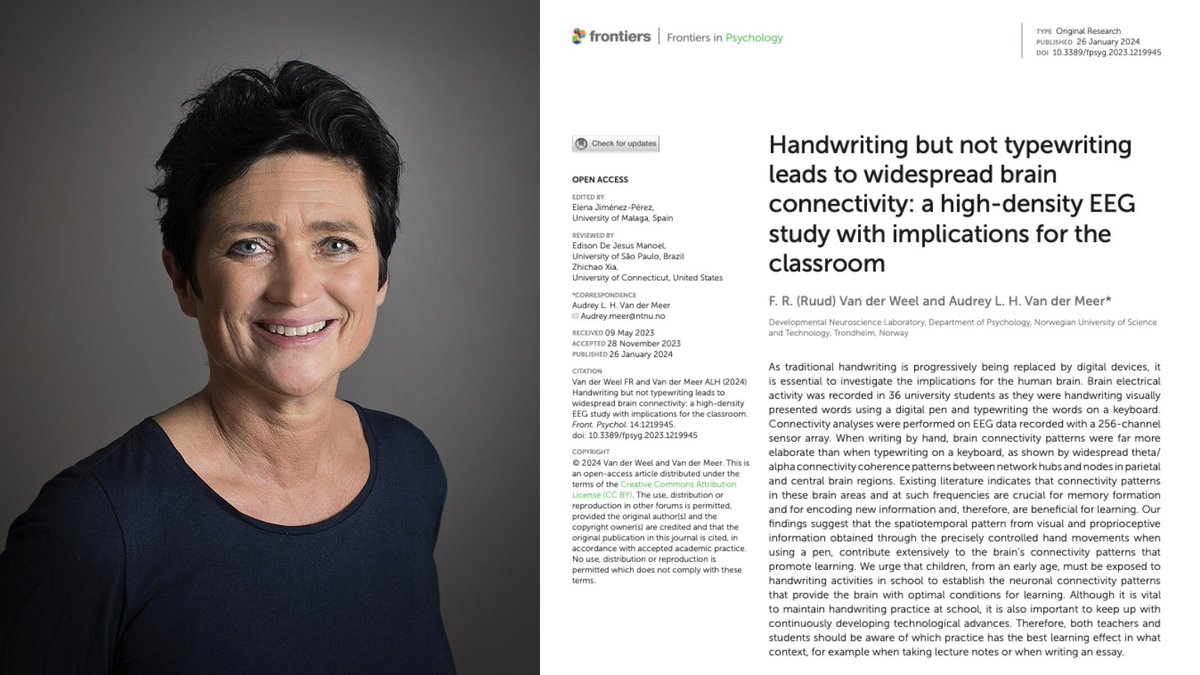
A Norwegian neuroscientist spent 20 years proving that the act of writing by hand changes the human brain in ways typing physically cannot, and almost nobody outside her field has read the paper.
Her name is Audrey van der Meer.
She runs a brain research lab in Trondheim, and the paper that closed the argument was published in 2024 in a journal called Frontiers in Psychology. The finding is brutal enough that it should have changed every classroom on Earth.
The experiment was simple. She recruited 36 university students and put each one in a cap with 256 sensors pressed against their scalp to record brain activity. Words flashed on a screen one at a time.
Sometimes the students wrote the word by hand on a touchscreen using a digital pen, and sometimes they typed the same word on a keyboard. Every neural response was recorded for the full five seconds the word stayed on screen.
Then her team looked at the part of the data most researchers had ignored for years, which is how different parts of the brain were communicating with each other during the task.
When the students wrote by hand, the brain lit up everywhere at once.
The regions responsible for memory, sensory integration, and the encoding of new information were all firing together in a coordinated pattern that spread across the entire cortex. The whole network was awake and connected.
When the same students typed the same word, that pattern collapsed almost completely.
Most of the brain went quiet, and the connections between regions that had been alive seconds earlier were nowhere to be found on the EEG.
Same word, same brain, same person, and two completely different neurological events.
The reason turned out to be something nobody had really paid attention to before her work. Writing by hand is not one motion but a sequence of thousands of tiny micro-movements coordinated with your eyes in real time, where each letter is a different shape that requires the brain to solve a slightly different spatial problem.
Your fingers, wrist, vision, and the parts of your brain that track position in space are all working together to produce one letter, then the next, then the next.
Typing throws all of that away. Every key on a keyboard requires the exact same finger motion regardless of which letter you are pressing, which means the brain has almost nothing to integrate and almost no problem to solve.
Van der Meer said it plainly in her interviews.
Pressing the same key with the same finger over and over does not stimulate the brain in any meaningful way, and she pointed out something that should scare every parent who handed their kid an iPad.
Children who learn to read and write on tablets often cannot tell letters like b and d apart, because they have never physically felt with their bodies what it takes to actually produce those letters on a page.
A decade before her, two researchers at Princeton ran the same fight using a completely different method and ended up at the same answer. Pam Mueller and Daniel Oppenheimer tested 327 students across three experiments, where half took notes on laptops with the internet disabled and half took notes by hand, before testing everyone on what they actually understood from the lectures they had watched.
The handwriting group won by a wide margin on every question that required real understanding rather than surface recall.
The reason was hiding in the transcripts of what the two groups had actually written down.
The laptop students typed almost word for word, capturing more total content but processing almost none of it as they went, while the handwriting students physically could not write fast enough to transcribe a lecture in real time, which forced them to listen carefully, decide what actually mattered, and put it in their own words on the page.
That single act of choosing what to keep was the learning itself, and the keyboard had quietly skipped the choosing and skipped the learning along with it.
Two studies. Two countries. Same answer.
Handwriting makes the brain work. Typing lets it coast.
Every note you have ever typed instead of written went into your brain through a thinner pipe. Every meeting, every book highlight, every idea you captured on your phone instead of on paper was processed at half depth.
You did not forget those things because your memory is bad. You forgot them because typing never woke the part of the brain that would have made them stick.
The fix is the thing your grandmother already knew.
Pick up a pen. Write the thing down. The slower road is the faster one.
💡 NEW POST 💡
'Reading clusters to build language'
“Why are books so beneficial? Sentences are longer, words and phrases are more sophisticated, and ideas and concepts are more elaborate. It aids focus, thinking, and language building.”
https://t.co/a9UPmezU6S
I’ve put a load of my most popular files together in a Dropbox folder. Let me know if you’d like the link. Can I also ask that you share this post pretty please 🙏 (as it seems the only way to get anything seen nowadays!). 😊
@asda@AsdaServiceTeam 2 payments taken over £100+ each without the click and collect order going through. Complain, said it would be sorted. No responses after 2 emails and several phonecalls to service desk which get cut off. Day 5. Anyone else?
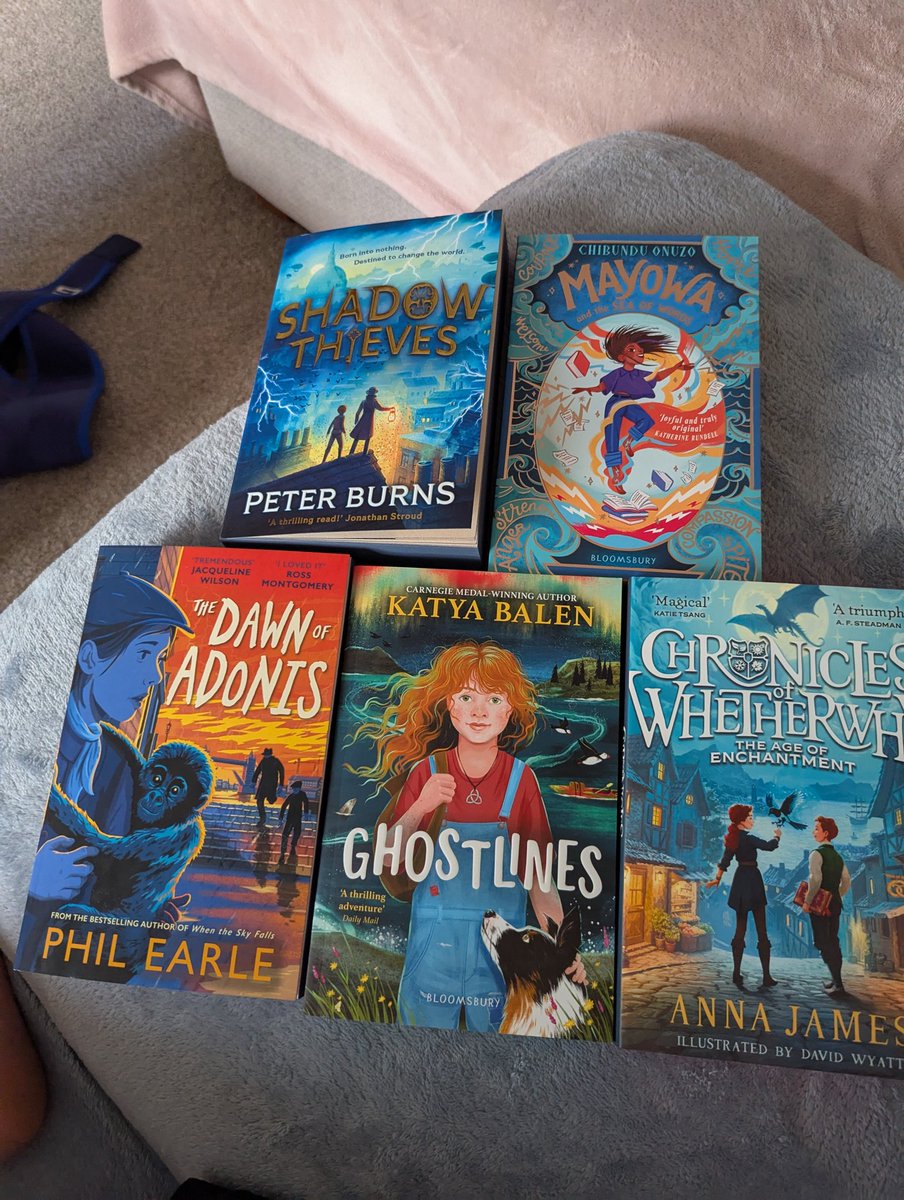
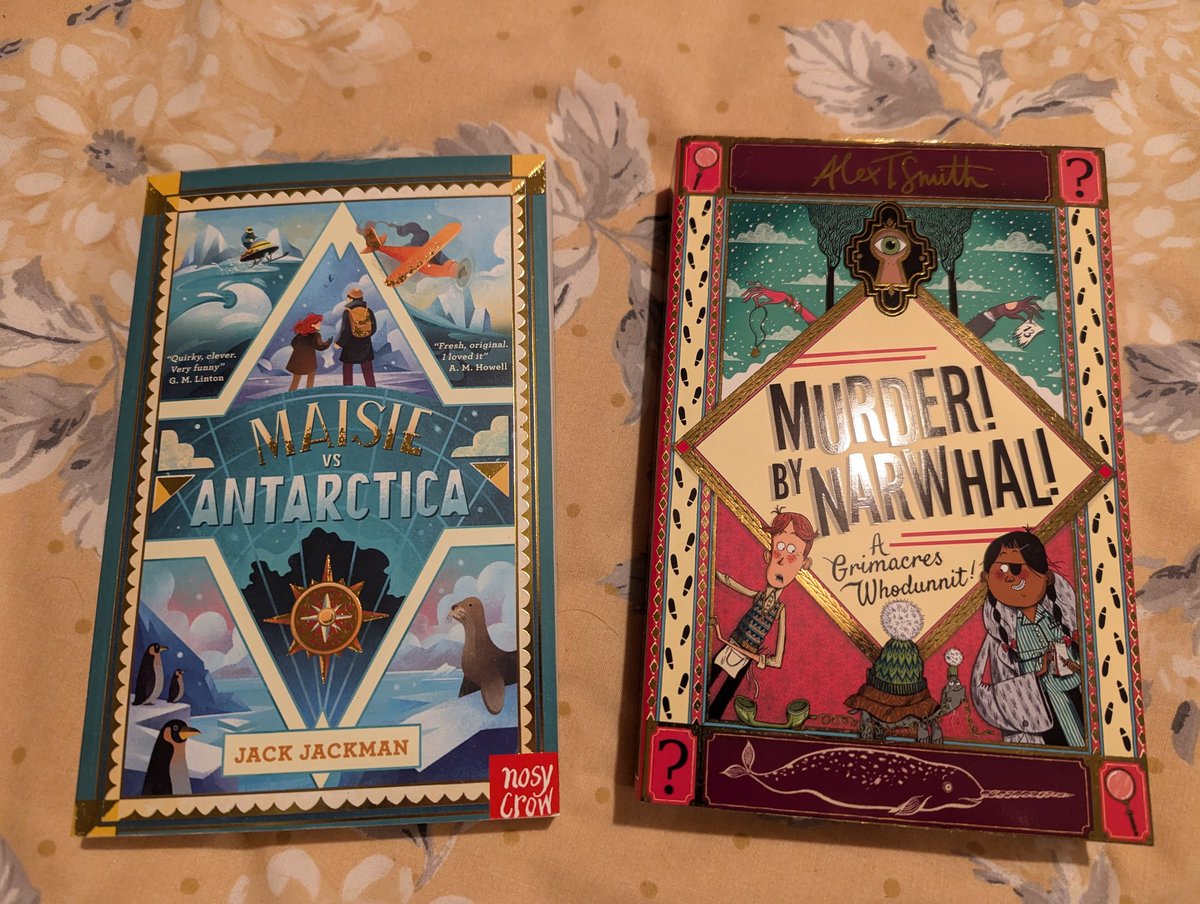
My birthday last weekend and a book voucher has meant 5 new books! I've felt a little bit of a lull lately over new books but I have the excitement back. When you can't choose, you choose them all!
@philearle@acaseforbooks#reading#books#BooksMakeGreatGifts
🌟 GIVEAWAY TIME! 🌟
To celebrate the upcoming release of my book, All Brains Are Wonderful, I’m giving away one copy!
🏆 To enter:
🔁 Retweet this tweet
🧠 For an extra entry, reply with a brain emoji!
✨ Winners will be chosen on publication day, 3rd February. Good luck! 🎉
#AllBrainsAreWonderful
@SpaldingPriAcad First weekend of our reading challenge and it's been busy! Well done to all involved, can't wait to discuss what everyone has been reading! 📚
It is that time for a pep talk to all the wonderful staff as we head back to school to remind you, that you’ve got this and you’ll never truly appreciate the impact you have doing the job you do!
As promised:
✨Cinderella Stouthearted DLPC Giveaway✨#Lorcana
Paying it forward after meeting so many great people at Toronto DLC!
To Enter:
✅ Make sure you’ve followed for Lorcana, TCG, and creator content
❤️➡️ Like and share the post to get the word out
Giveaway will end when I get back from PAX this Sunday @ midnight
My 14yo decided to host a 24hr bookathon with her friends!! It was peaceful all day and night (even though they didn't sleep) and even when the timer was paused for dinner - they all discussed books 📚 This was a beautiful parenting moment #reading#readathon#books#bookworms
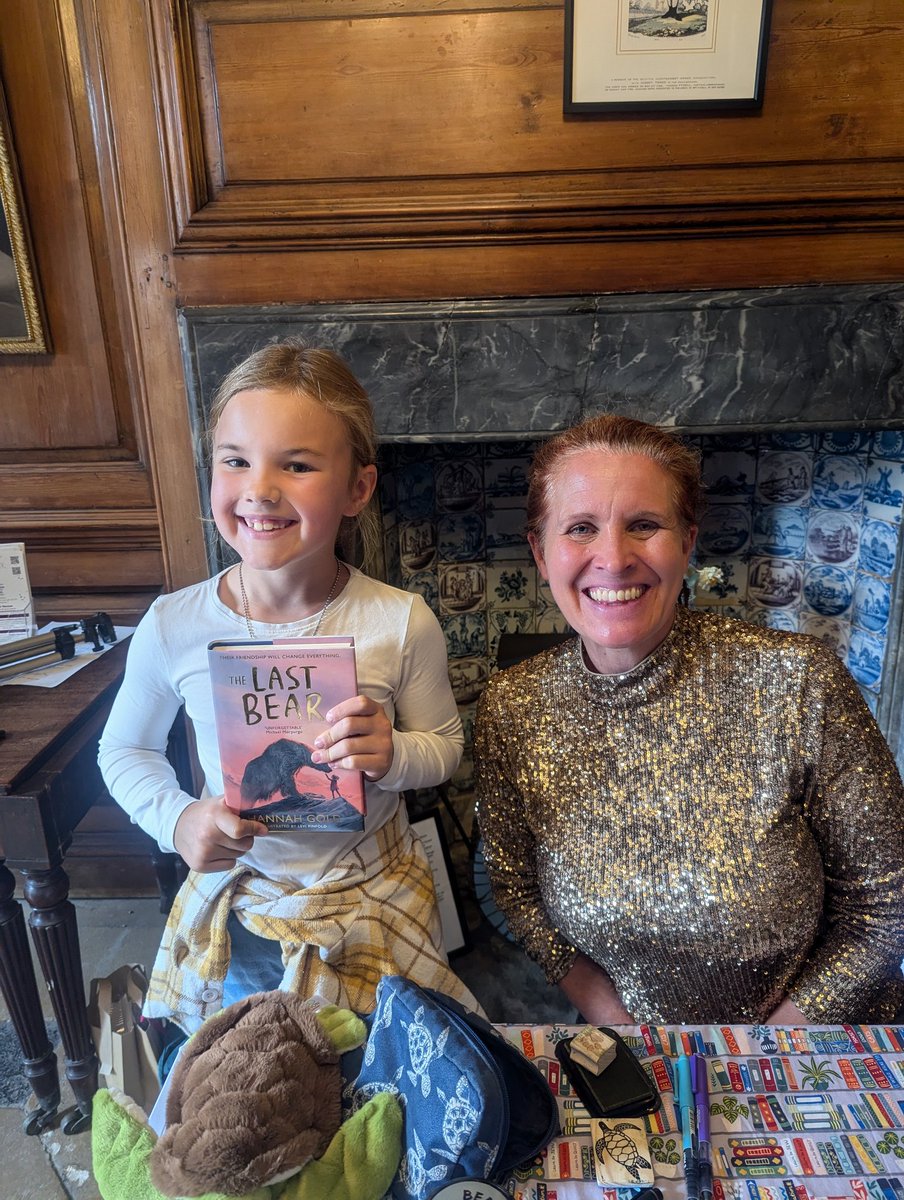
@OnjaliRauf A lovely morning listening to Onjali - a brilliant speaker, I was captivated. We all already love her books and have read them all but did manage to get one we hadn't seen before. Great first day of our summer holiday 🌞Thanks @WaterstonesLinc for organising
📅FOUR WEEKENDS TO GO...
It's just four more weeks until the UK's biggest kids' books festival so if you haven't bought your tickets yet then you need to know two things:
1. You can check out our galactic 10th birthday party programme here https://t.co/NYg3wvpyvB
2. HURRY!