Today, I met with young people from the countries of the Carpathian Eight. They are currently in Ukraine, in our Ivano-Frankivsk region. This is very important because the Carpathian Initiative is about the future and development, and that means young people above all. And we are designing our integration projects, including the C8, with the future of young Ukrainians in mind.
We discussed Ukraine’s relations with the countries of the Carpathian macro-region and the importance of unity among us, as well as the conditions for returning home from abroad and housing support programs. I expect the Cabinet of Ministers to step up communication about all the government programs that offer favorable terms for buying a home. We need to fight to keep our young people in Ukraine while encouraging people from other countries to come here and help us rebuild and create. Thank you for the conversation!
Today, the All-Ukrainian Hand-to-Hand Combat Cup brought together 127 athletes from eleven institutions, including military formations, law enforcement agencies, and emergency services. This is an important tournament and an important sport – one that helps improve the skills of everyone who defends our country, our people, and our values.
And it is especially important that this year, for the first time, there are competitions for veterans and warriors who were wounded. All of this is proof that this Cup is not just a sporting competition. It is about something more: the strength of character, the ability to rise again and keep moving forward, the resilience and will of Ukrainians that help us live and fight. I thank everyone who took part.
Today, we have already seen the second successful deployment of a new Ukrainian interceptor drone by the Security Service of Ukraine. SSU military counterintelligence personnel successfully struck a Russian Geran-5 jet-powered drone.
I thank the SSU warriors for their precision. Glory to Ukraine!
Happy 79th birthday, @usairforce! Today we celebrate the brave men & women who fly & fight for our country. Your service & sacrifice help secure our freedom.
World champion AND world silver on the same podium 🥇🥈🌊🇮🇱
Israeli windsurfer Tamar Steinberg is the 2026 World Champion, with Olympic medalist Sharon Kantor right beside her taking silver at the World Championships in the UK!
And Daniela Peleg finished an impressive fourth in the world. What a championship for Israeli windsurfing! 🏆
#windsurfing #sailing #watersports #womeninsports #teamisrael
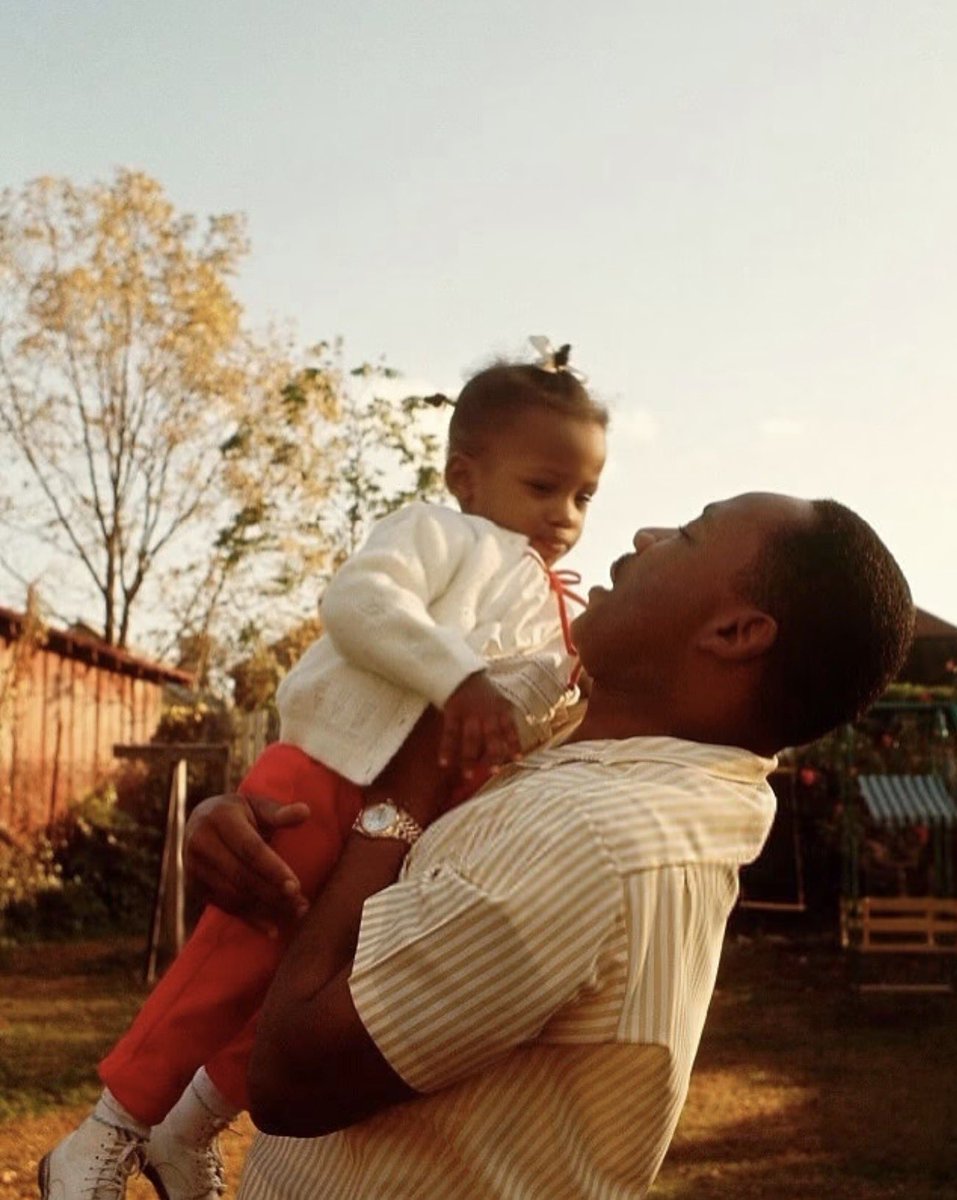
🗣️ “Unhoused, Not Unhuman” - Dropping on Next Monday, September 28th 📅 . With guest, Dr. Terence Lester, and host, Christian Scott.
Housing status should never determine human value. This episode of The King Center’s ReThink podcast challenges us to rethink how we see, speak about, and respond to people experiencing homelessness.
Rethink the Labels — Examine how language can reinforce stereotypes and shape perception.
See the Person — Look beyond housing status to recognize the whole human being.
Challenge the Conditions — Explore how we can move beyond judgment to understand and address the realities that contribute to homelessness.
#ReThink #Podcast #TheKingCenter #Homelessness #MLK #Dignity #Empathy #BelovedCommunity
Sign up for #TheKingCenter’s #Nonviolence365 Masterclass.—an immersive, self-paced online learning experience designed for personal, cultural, and societal transformation.
Through this course, you’ll gain:
1. An introduction to Dr. #MartinLutherKingJr’s philosophy and methodology of Nonviolence.
2. Practical guidelines for applying nonviolent principles to everyday challenges.
3. Insights on how to contribute to creating the Beloved Community.
4. Lessons about the nonviolent campaigns of the Civil Rights Movement, including #Selma, #Montgomery, #Birmingham and #OperationBreadbasket.
5. A foundational strategy for social justice and systemic change, and more.
Learn more and enroll today: https://t.co/f7TWA2PlJd
#NV365 #Nonviolence #StrategiesForChange #SoulForce #MLK #CorettaScottKing
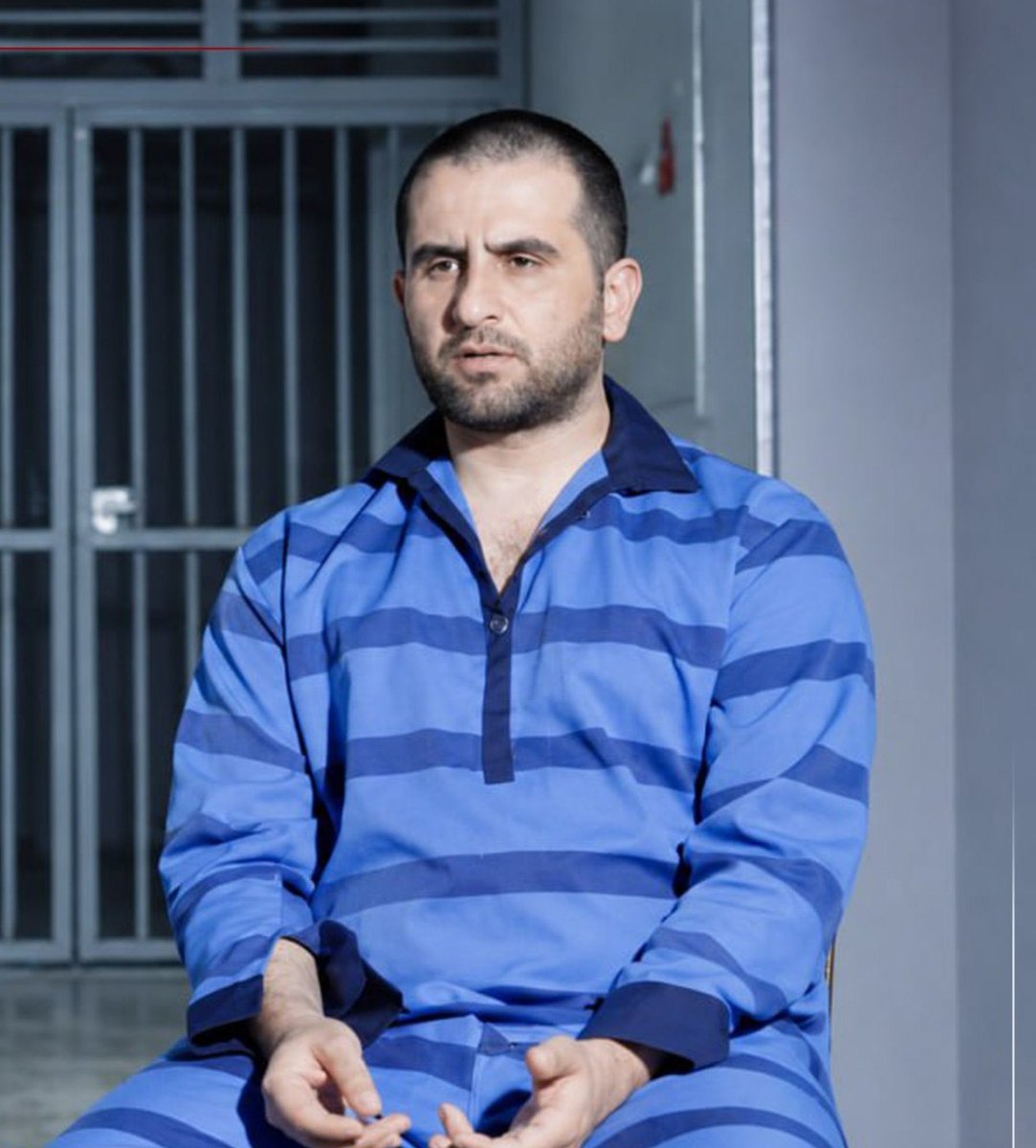
The Islamic Republic just executed Hossein Padaran for "spying for Israel."
No lawyer. No public indictment. No announced execution date. His family never heard a word.
From arrest to the gallows, no one heard from this human being.
This regime doesn't execute spies. It executes people in the dark.
💔
Nobody gave Iranian women their freedom. They took it back. So that is why the regime hired these undercover police to crack down on women!
Recently on Christiane Amanpour's video, I heard it again: the reformist government allowed its people to light candles for the victims of September 11.
Today some in the West repeat the same false narrative about Iranian people. They say; Look, the government is changing. They allow women to show their hair, they give permission to women to run marathons without hijab!
Let me be clear: Nobody gave Iranian people anything. Iranians were never “given” these freedoms. Women of Iran have continued walking unveiled despite arrests, intimidation and pressure. The Islamic Republic has not abolished compulsory hijab.
This week, the Islamic Republic staged its massive Janfada mobilization. Authorities claim more than 300,000 people participated and over 600,000 volunteers registered for military training alongside the Basij and Revolutionary Guard. They are in charge of harassing unveiled women in the streets. That is the real face of this "reform."
So when I see a woman without hijab, I do not see permission from the government. I see someone who broke through the wall herself. I see a society that changed from below, because ordinary Iranians refused to wait for permission to be free.
#WomanLifeFreedom
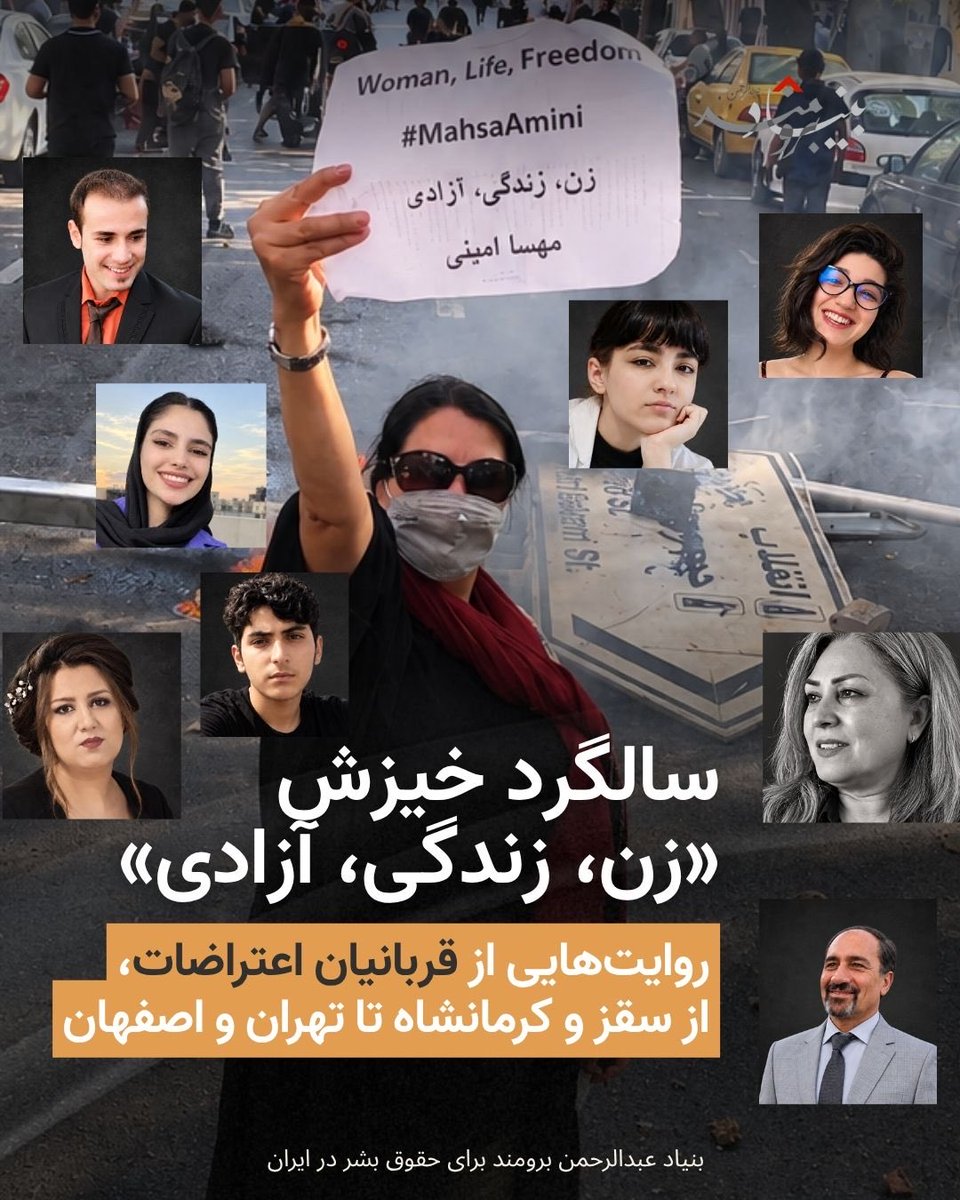
🔴 سالكرد خیزش «زن، زندكى، آزادى»
روايتهايى از قربانيان اعتراضات، از سقز و كرمانشاه تا تهران و اصفهان
🔸این نامها تنها چند نمونه از صدها نفری هستند که در اعتراضات «زن، زندگی، آزادی» کشته شدند.
Ukraine has officially addressed the governments of all countries where networks of Russian cultural centres known as “Russian Houses” operate, calling on them to recognise the threat they pose to national security and take steps to restrict their activities and close them down entirely.
“I shall also carry with me the hope that my country will never cease to view [my errors] with indulgence and that, after forty-five years of my life dedicated to its service with an upright zeal, the faults of incompetent abilities will be consigned to oblivion, as myself must soon be to the mansions of rest.” - George Washington’s farewell address, 1796.
On September 16, 1796, about ten weeks before the presidential electors were to cast their votes in the 1796 election, Tobias Lear made a surprise visit to David Claypoole, a newspaper publisher in Philadelphia. Lear informed Claypoole that Washington wanted to see him, and the two men traveled straight to the executive mansion.
It was there, alone with Washington, that Claypoole learned that Washington planned to leave the presidency—and he wanted to publish his address in Claypoole’s American Daily Advertiser in three days’ time.
Intending for the address to speak for itself, Washington left Philadelphia in his coach and headed for Mount Vernon as a shocked nation absorbed the momentous news.
Learn more about the Farewell Address: https://t.co/KaRbIC4vs2











![MountVernon's tweet photo. “I shall also carry with me the hope that my country will never cease to view [my errors] with indulgence and that, after forty-five years of my life dedicated to its service with an upright zeal, the faults of incompetent abilities will be consigned to oblivion, as myself must soon be to the mansions of rest.” - George Washington’s farewell address, 1796.
On September 16, 1796, about ten weeks before the presidential electors were to cast their votes in the 1796 election, Tobias Lear made a surprise visit to David Claypoole, a newspaper publisher in Philadelphia. Lear informed Claypoole that Washington wanted to see him, and the two men traveled straight to the executive mansion.
It was there, alone with Washington, that Claypoole learned that Washington planned to leave the presidency—and he wanted to publish his address in Claypoole’s American Daily Advertiser in three days’ time.
Intending for the address to speak for itself, Washington left Philadelphia in his coach and headed for Mount Vernon as a shocked nation absorbed the momentous news.
Learn more about the Farewell Address: https://t.co/KaRbIC4vs2](https://pbs.twimg.com/media/HSnkLueWcAAhAcH.jpg)


