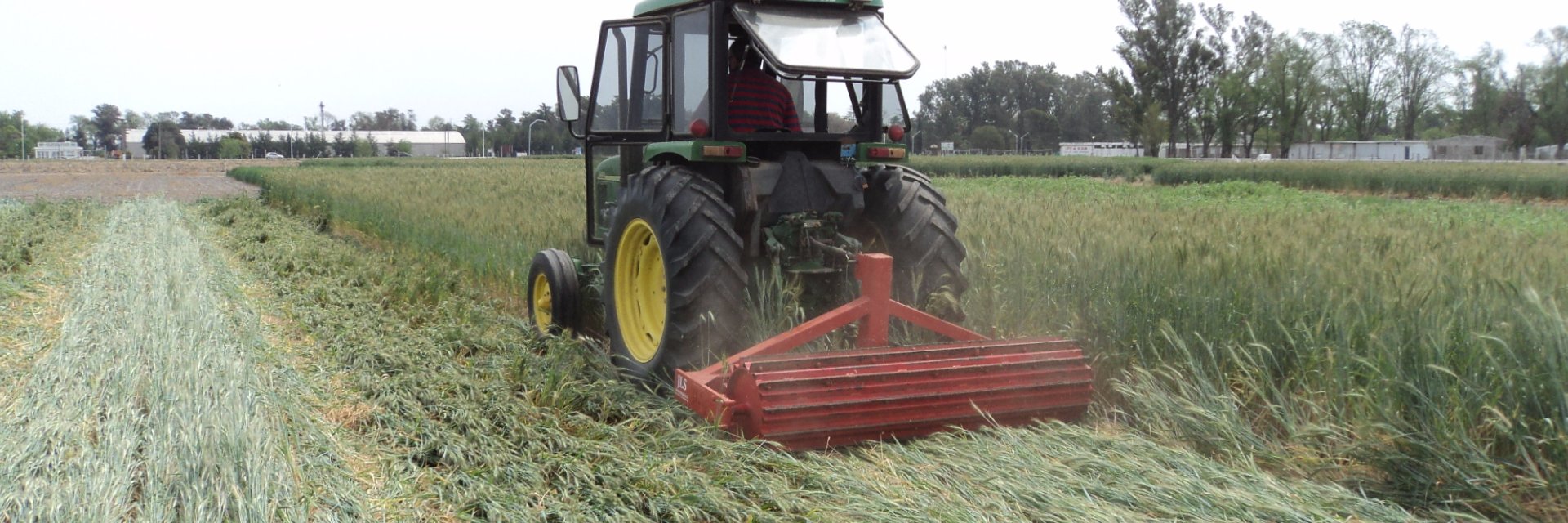
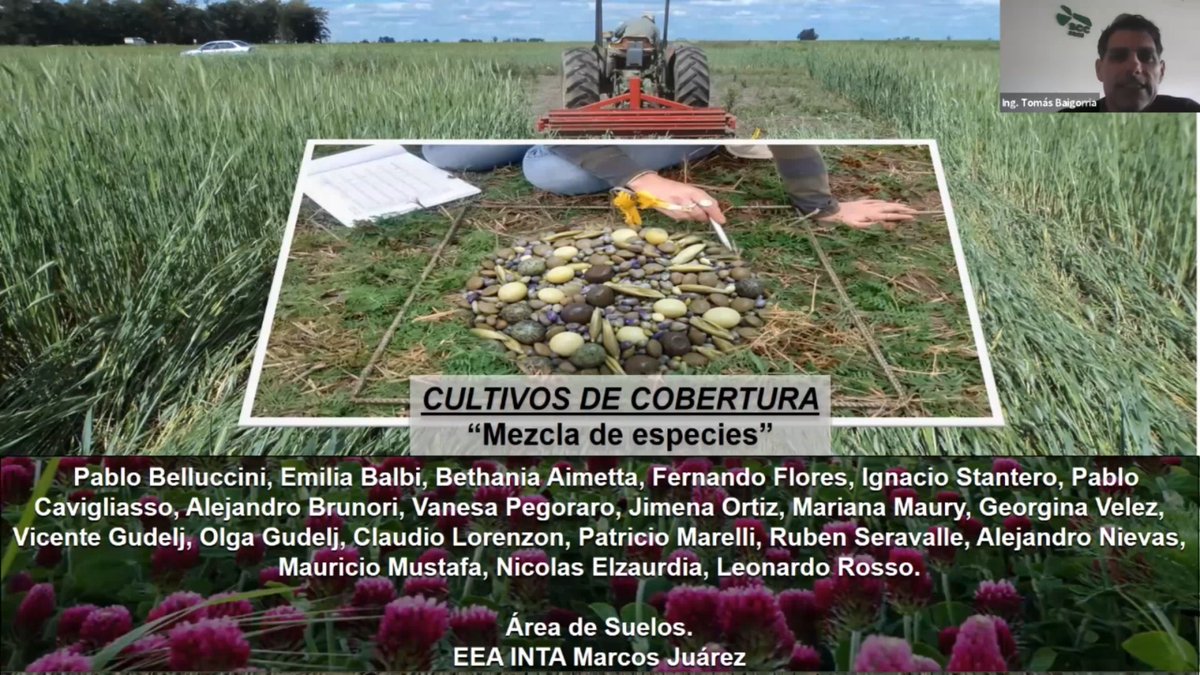
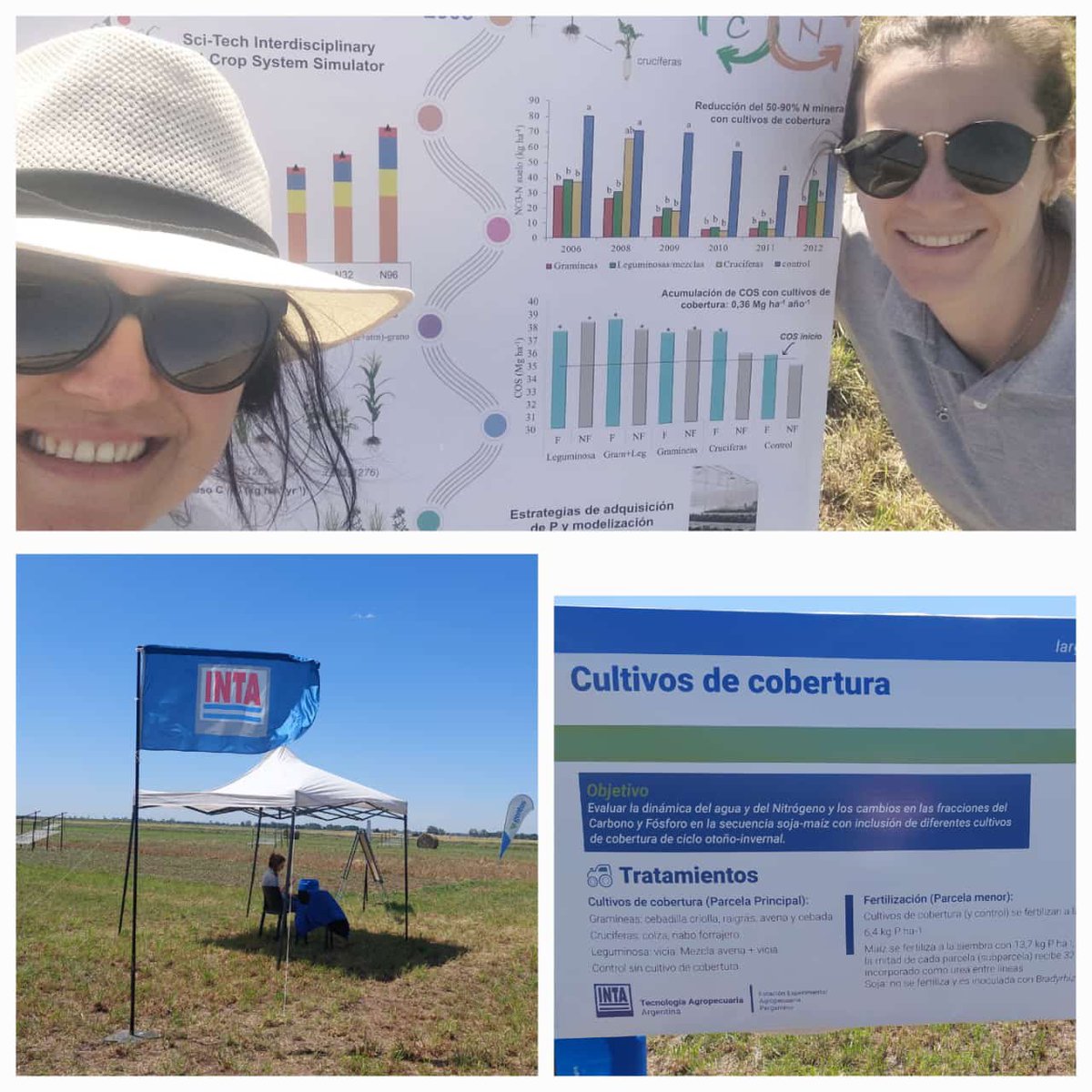
El Ing. Agr. Tomás Baigorria nos brinda una charla donde aborda la combinación de vicia en mezcla con gramínea, alternativas en diferentes ambientes, el aumento de biomasa , densidad de siembra, control de malezas, etc.
CHARLA COMPLETA : https://t.co/SvBoHlBHLL
Join us next week (February 10-14) for Cover Crop Webinar Week! Every day 12-1pm CST we will have a different speaker cover a range of cover crop management topics. Register to receive a zoom link: https://t.co/YXZsIxKEg2
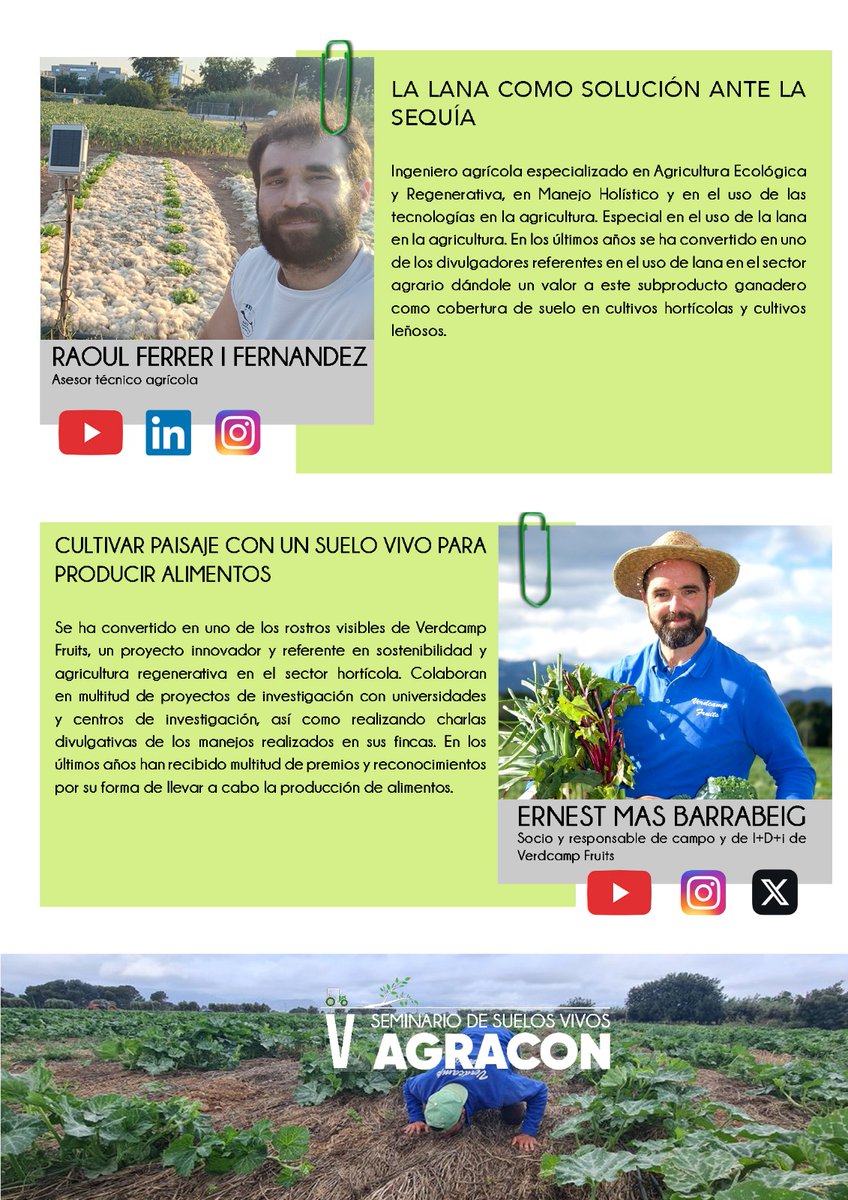
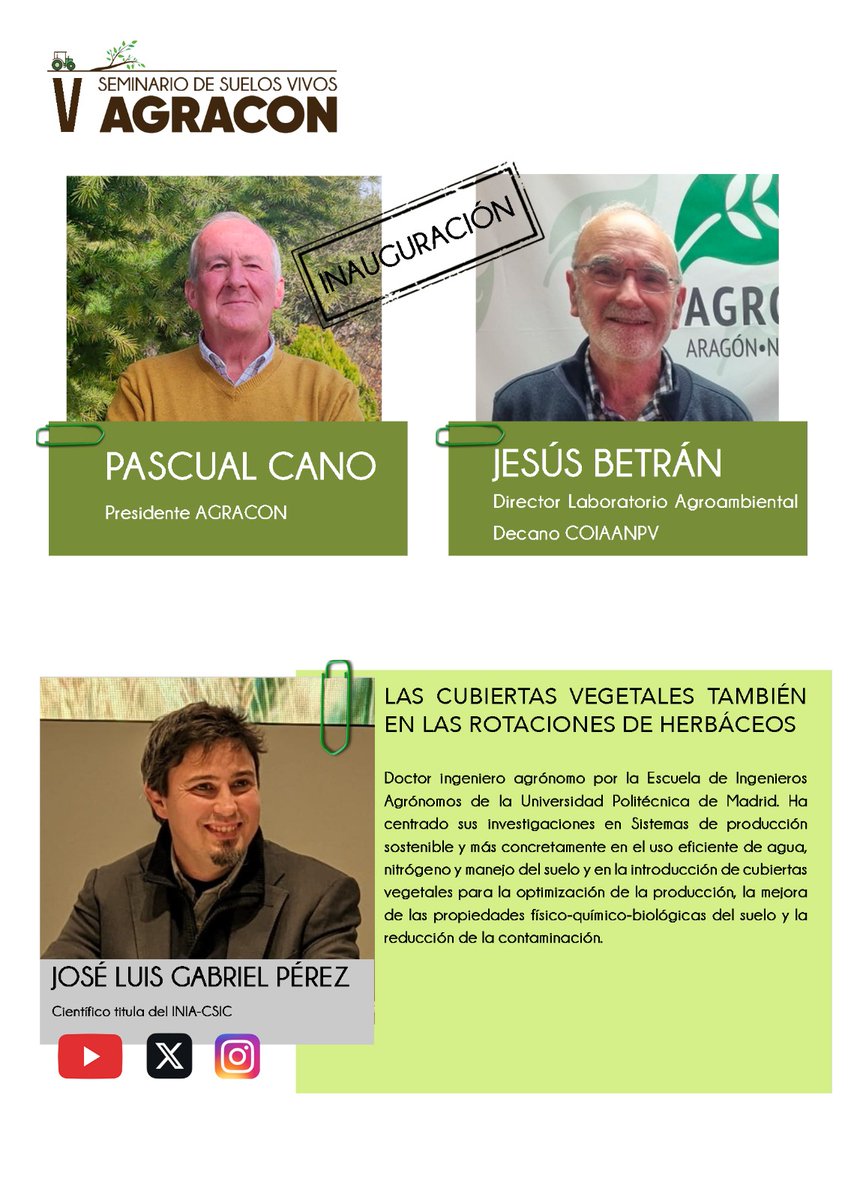
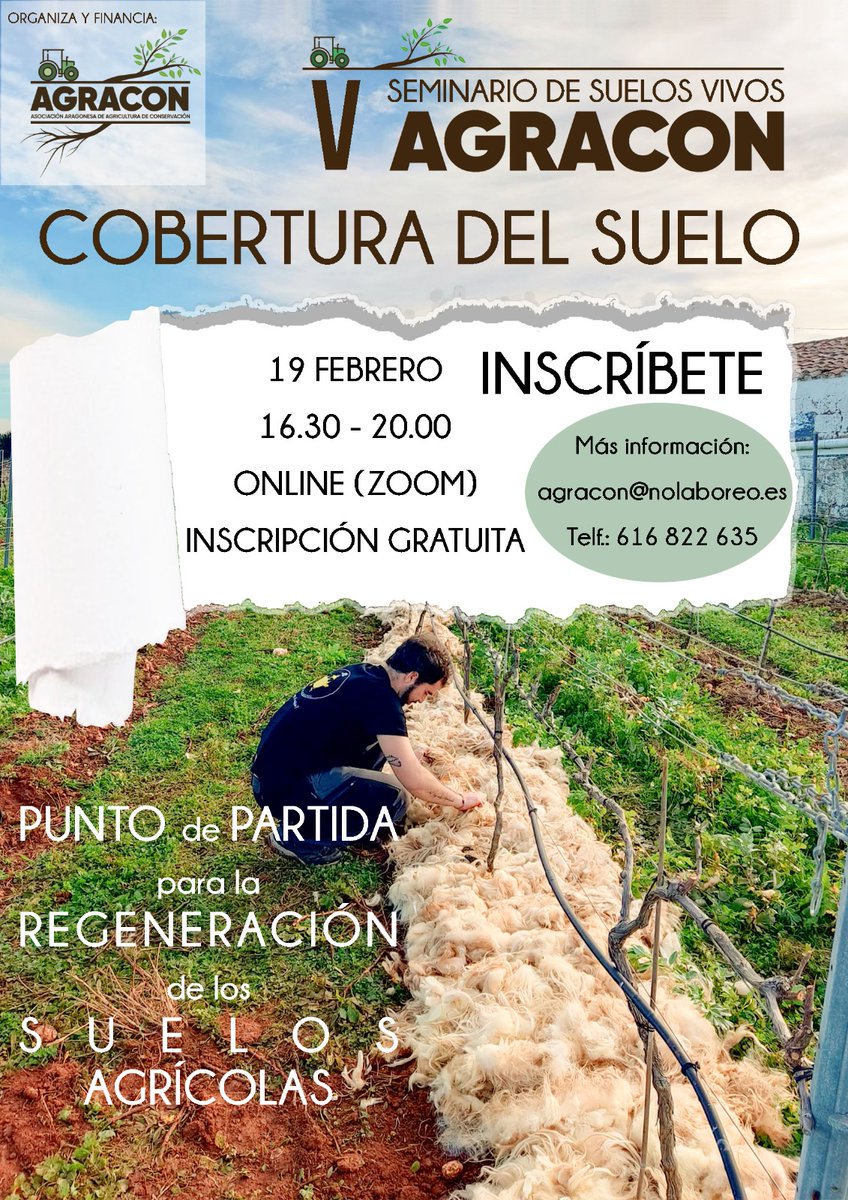
Ya estamos de vuelta con una nueva edición del Seminario Suelos Vivos.🪱🌱.
En esta V edición contaremos con 3 ponentes de primer nivel,@jlgabriel12 ,Raoul Ferrer y @verdcampfruits nos hablarán de la cobertura del suelo.
Inscripciones 👇👇 https://t.co/TmtV4vQn8q
Cereal Rye as an Integrated Tool for Giant Ragweed Management!
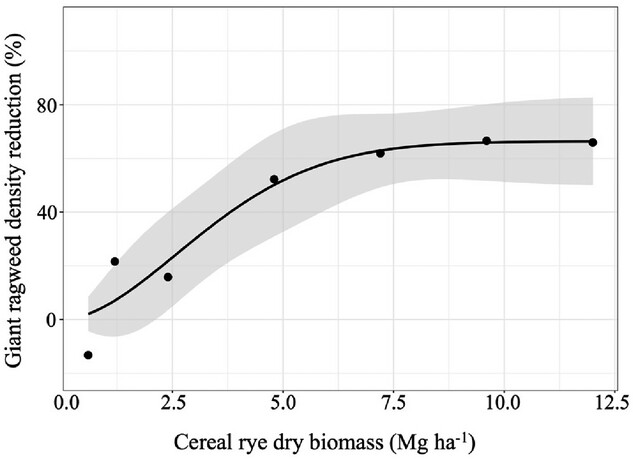
Recently published work in @AGEjournal by #WiscWeeds Graduate Research Assistant @gchudzik1 documented that 3.8 and 4.8 Mg/ha of cereal rye #covercrop biomass reduced giant #ragweed (Ambrosia trifida) biomass and density by 50%, respectively, compared to the no-cover crop biomass treatment. Cereal rye biomass alone provided up to 66% density and biomass suppression of new giant ragweed cohorts 42 days after study establishment.
While Guilherme Chudzik's research focused on giant ragweed cohorts that emerged after study establishment (May 30), it is essential to note that some plants will establish before that date, especially when cereal rye biomass is insufficient for suppression, and such plants need to be properly managed during cereal rye termination, particularly if they are glyphosate-resistant, given that glyphosate is the most commonly adopted strategy for cereal rye termination.
In conclusion, increasing cereal rye cover crop biomass levels was effective for suppressing giant ragweed establishment and growth, with >3.8 Mg/ha (= ~3,400 lbs/acre or ~30-inch tall cereal rye) providing >50% reduction in giant ragweed biomass and density. Such levels of cereal rye biomass have also been shown to provide effective biomass suppression (>50%) of #waterhemp (Amaranthus tuberculatus) according to previous work led by former #WiscWeeds graduate research assistant @JoseJr_Nunes.
Citation: Chudzik, G., Nunes, J. J., Arneson, N. J., Stoltenberg, D. E., & Werle, R. (2025). Cereal rye biomass effects on giant ragweed suppression inform management decisions. Agrosystems, Geosciences & Environment, 8, e70023. https://t.co/gWcT3zKJCr
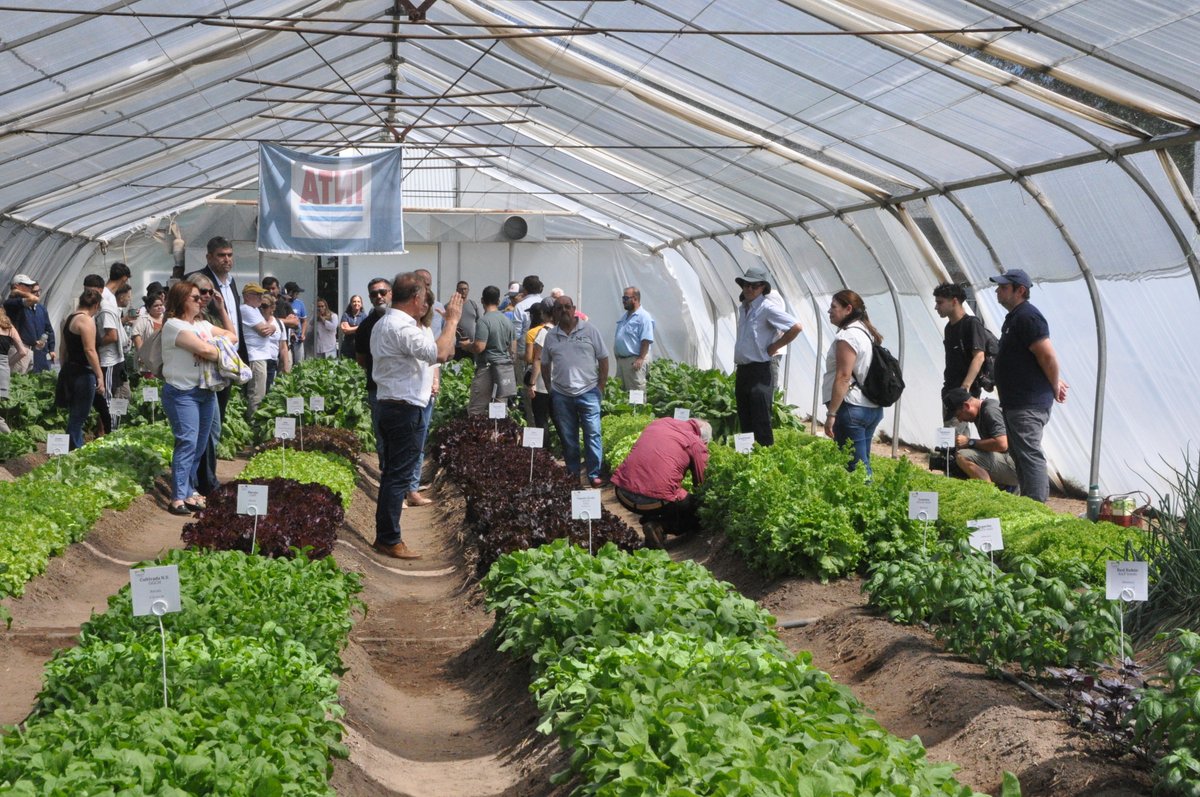
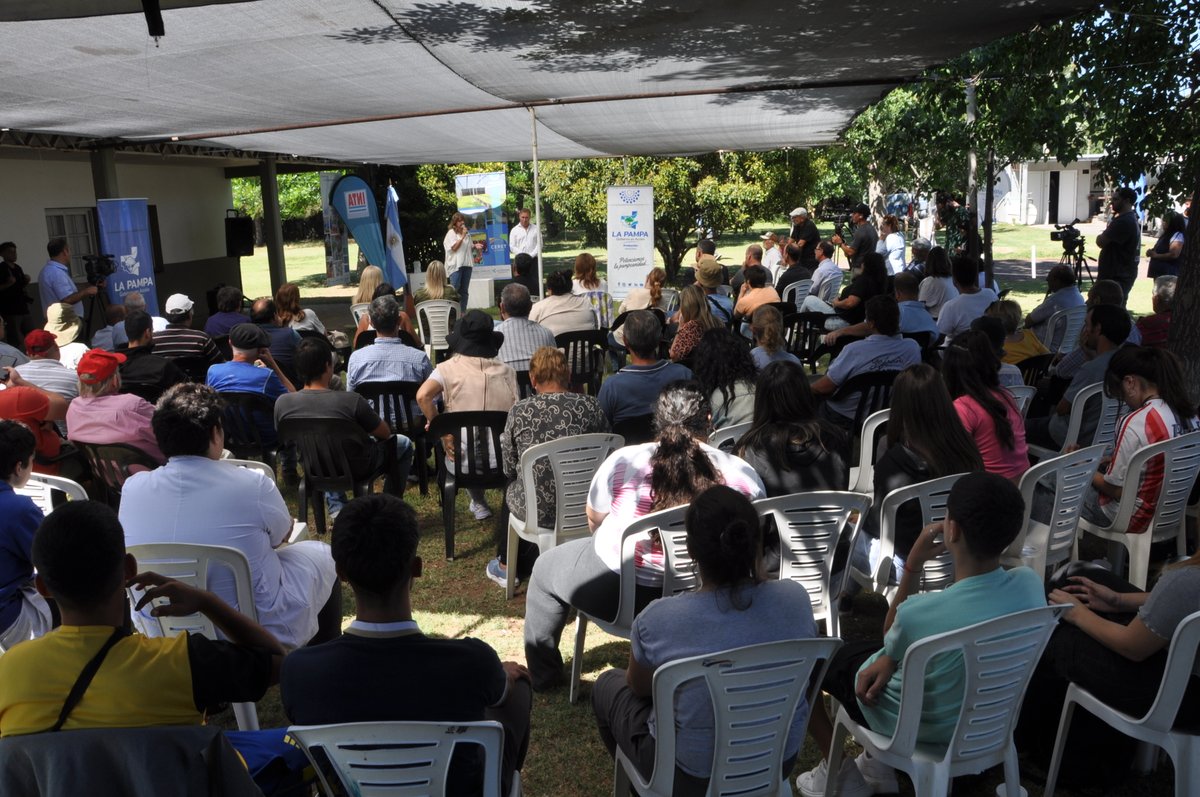
👏📣Se está desarrollando la Jornada Hortícola Anual 2024 🥬🍅🥕
✅ El evento es organizado por el Ceret, la Agencia INTA General Pico y otras instituciones
✅ Concurrieron productores hortícolas, estudiantes, docentes y profesionales del área
#intageneralpico#horticultura
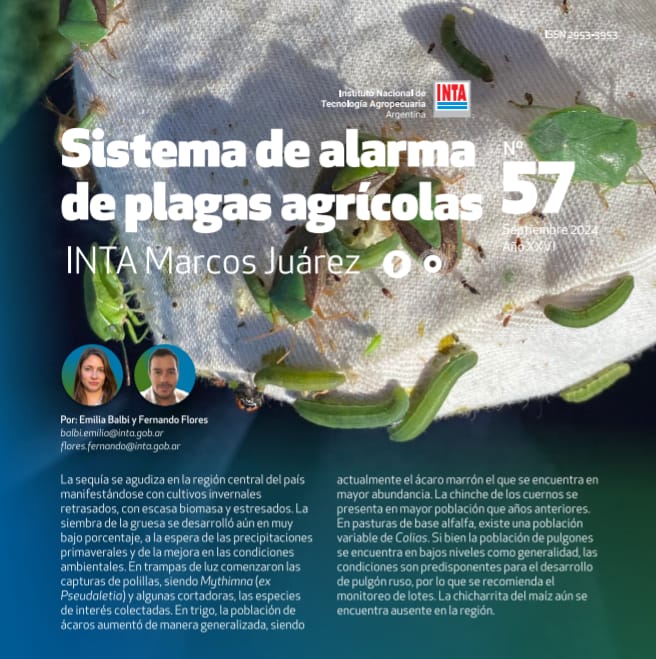
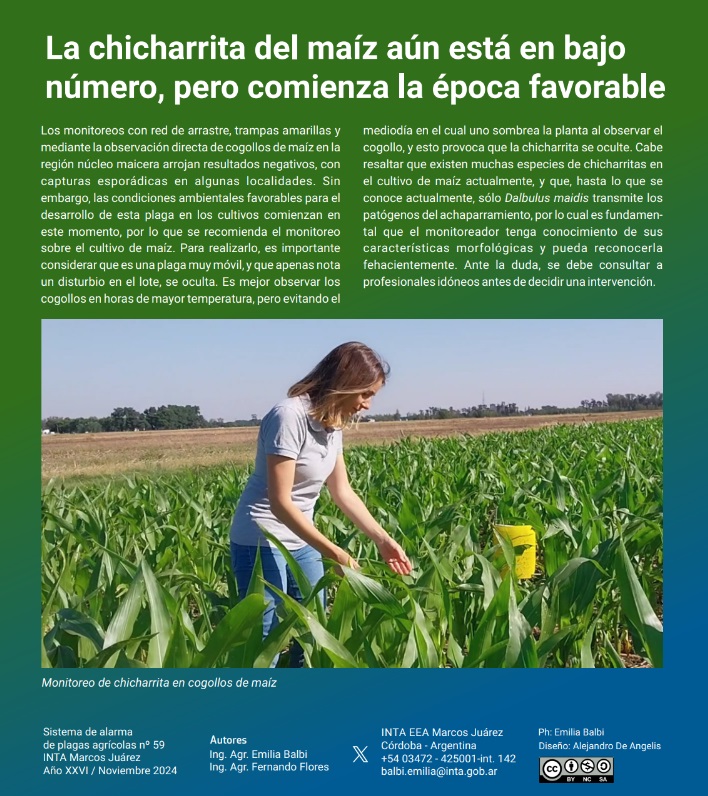
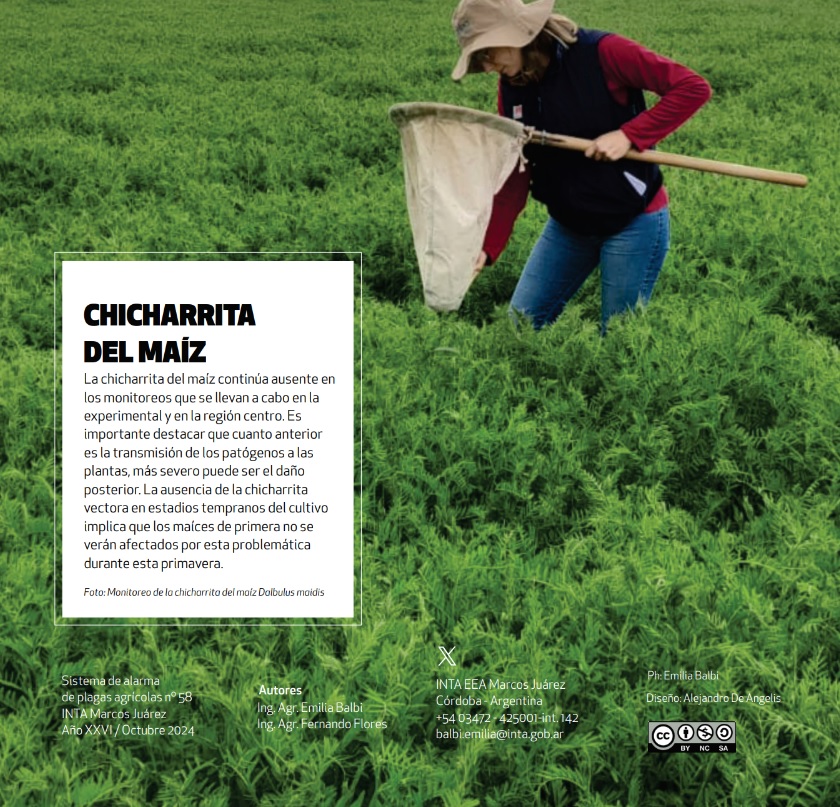
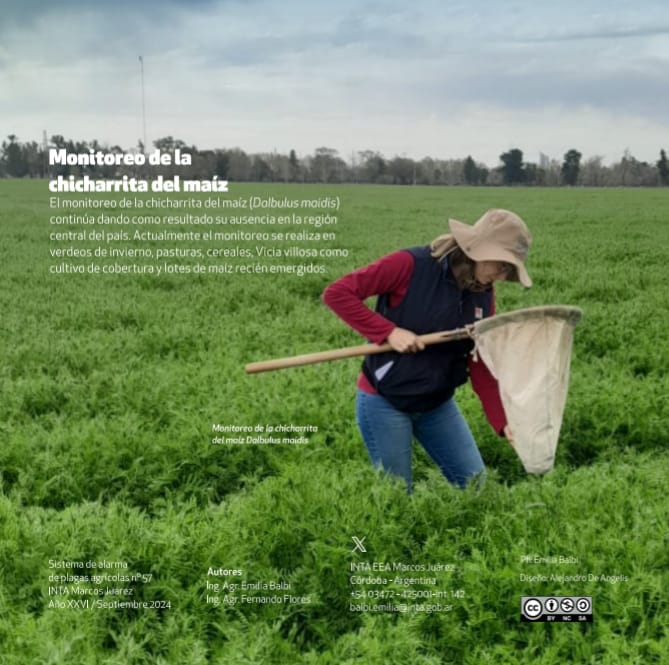
📷La entomóloga de INTA Marcos Juárez, Emilia Balbi habló sobre novedades y perspectivas a futuro sobre el achaparramiento de maíz.
📷MIRÁ EL VIDEO COMPLETO EN : https://t.co/hrCMJ4Jwnk
@INTAMsJuarez@emilia_balbi
https://t.co/QYo7KguQGW
‼️¡ATENTOS PROFESIONALES Y PRODUCTORES!
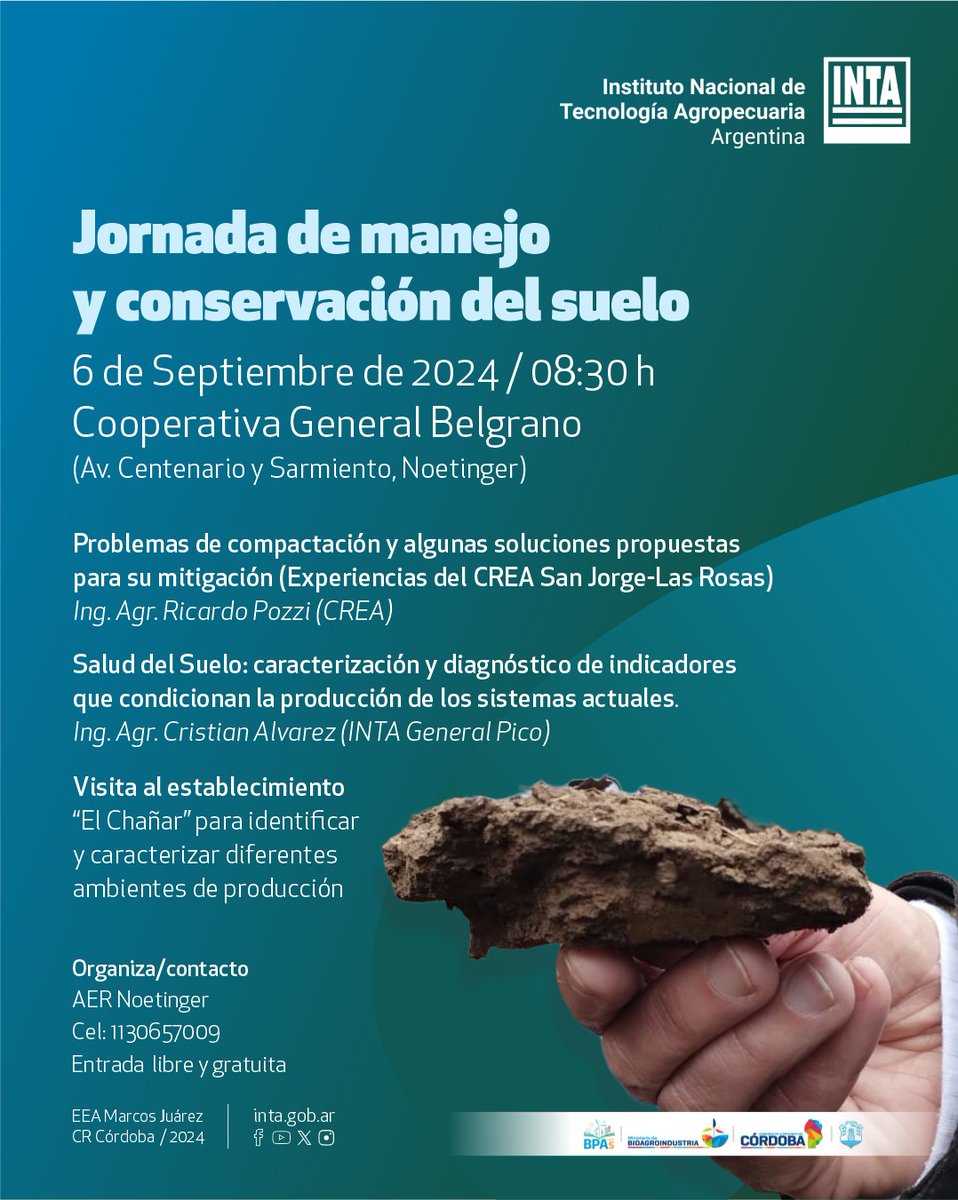
✅JORNADA DE MANEJO Y CONSERVACIÓN DEL SUELO
👉Día: Viernes 6 de septiembre
👉Lugar: Cooperativa General Belgrano (Av. Centenario y Sarmiento, Noetinger)
👉Hora: 8:30 hs.
✅ENTRADA LIBRE Y GRATUITA
#intamarcosjuarez#suelos
Faltan dos dias. 4ta Jornada en Gestión Ambiental de Feedlots. Charlas, paradas a campo y disertación del especialista uruguayo Dr. Alejandro La Manna. https://t.co/FoB9MbbeL2
#AgendaINTA
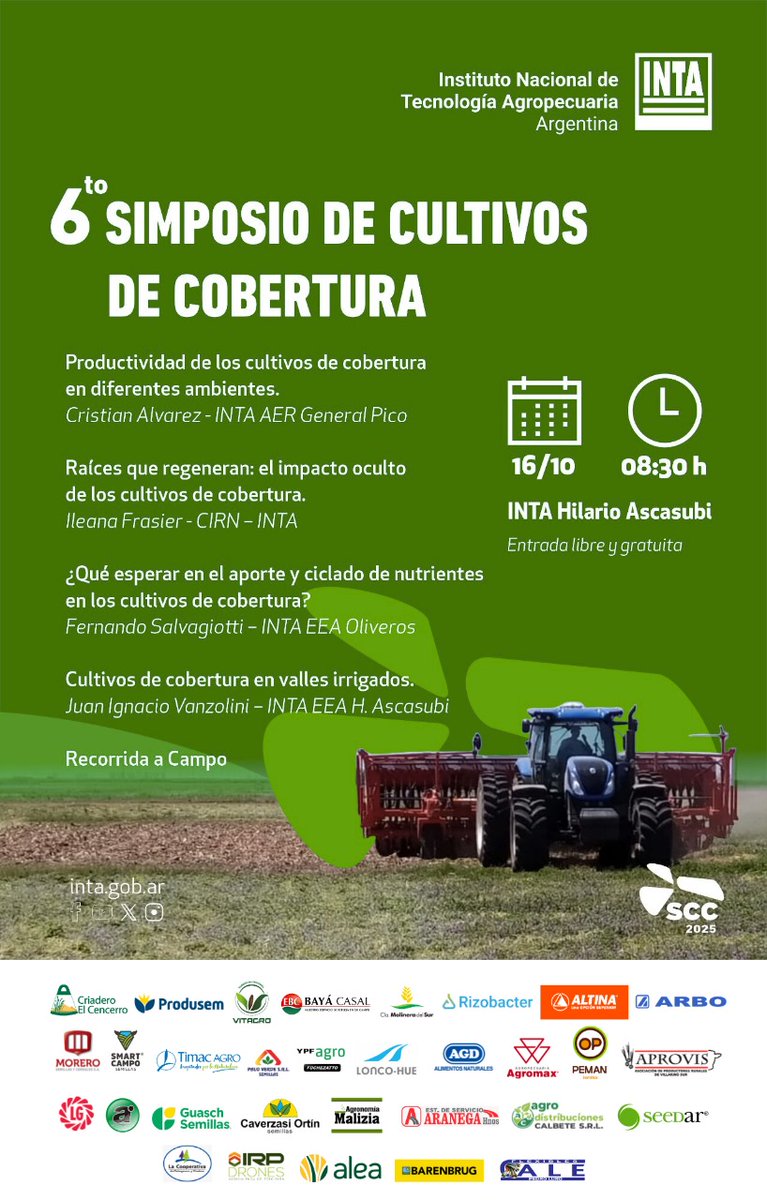
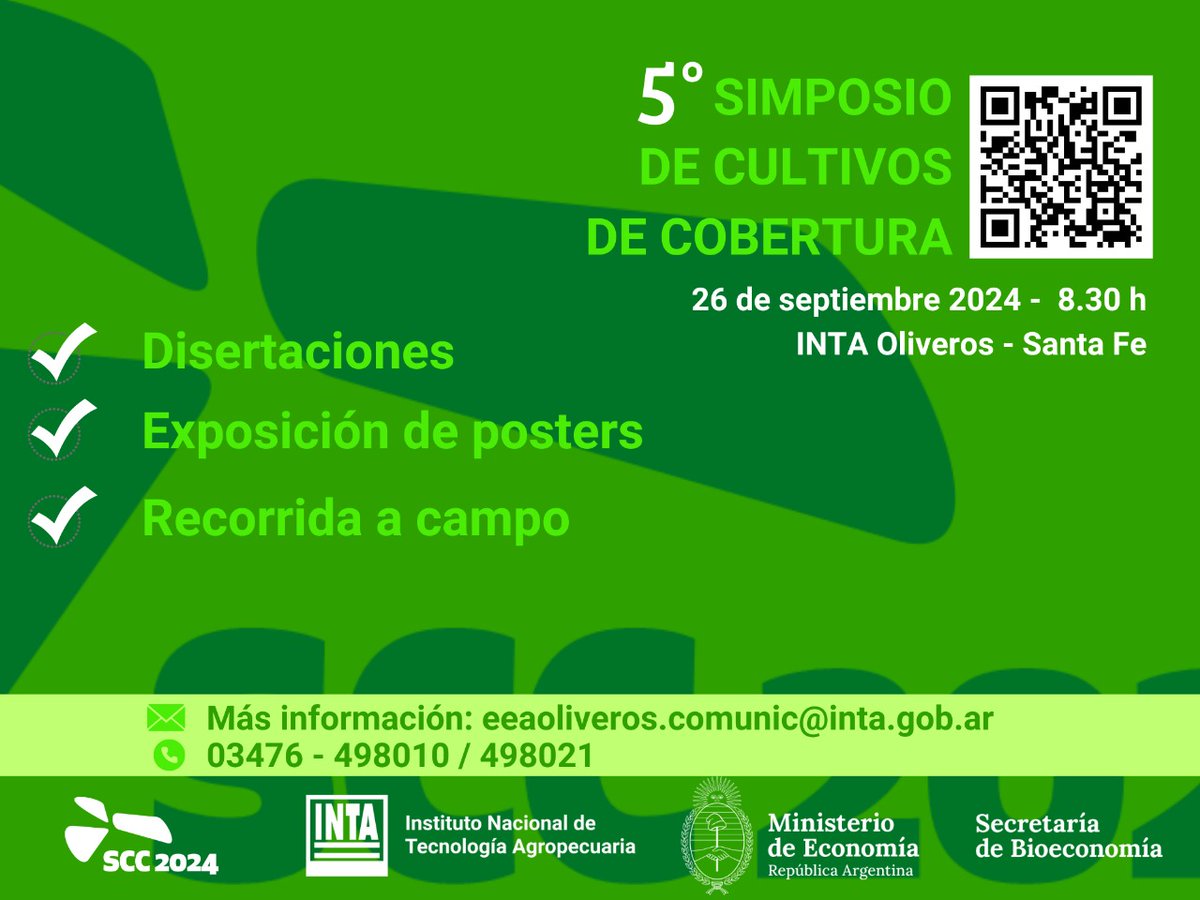
¡COMENZÒ LA CUENTA REGRESIVA PARA EL 5º SIMPOSIO DE CULTIVOS DE COBERTURA!
¿Cuando?: 26 de septiembre 2024 a las 8.30 h en INTA Oliveros (https://t.co/tDtAva9UI4)
Inscripción en: https://t.co/8P5CXF5EYd
Más información:
[email protected]