Enjoyed @GlasgowPedagogy ’s session on #metacognition today! Looking forward to sharing what I learned with colleagues and empowering our young people in their #learning. 😊
@AnnaGrantENG How have you gotten on with this? I still have my tables in rows but I find the year groups most affected by covid aren’t confident doing group work/discussions. Any challenges or improvements?
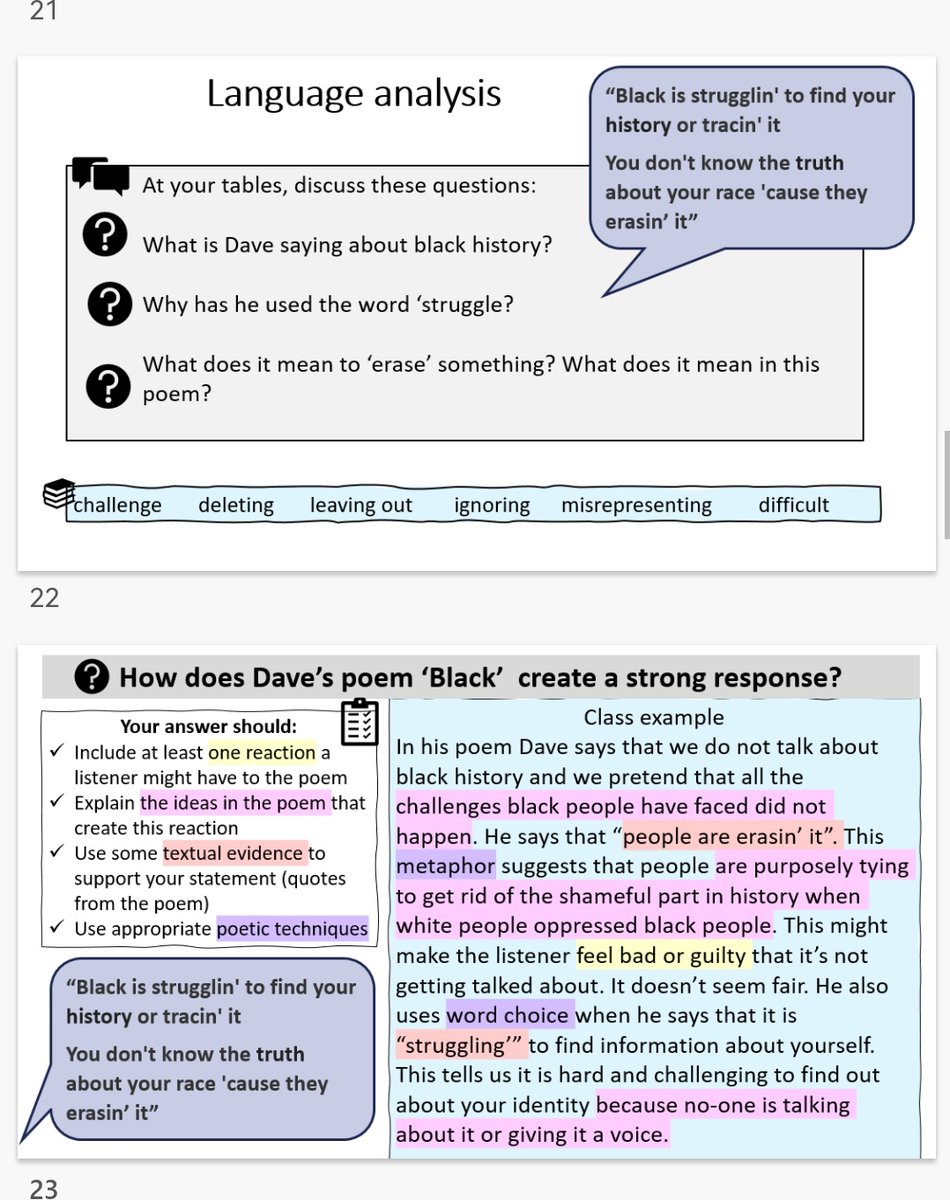
S2 are responding so well to this unit on Poetry of Protest and Empowerment. We are championing black writers and black voices, developing analysis skills.
These conversations are can be challenging but are important. Read on to see their writing 🤯
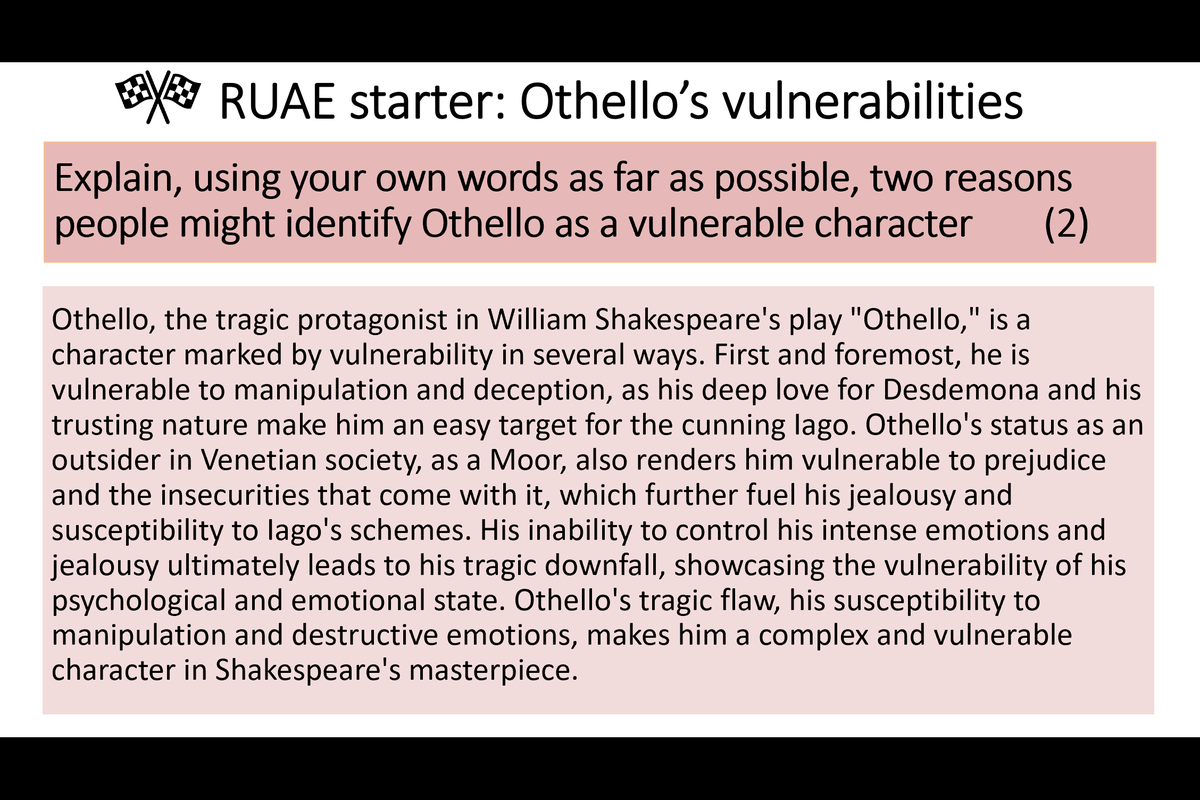
Just re-iterating my deep love for ChatGPT generating my CEtext-based RUAE starters. A time-saving way to make the separate components of the SQA courses more cohesive, a great method to revise central ideas and an opportunity to steal helpful vocabulary. Winner.
Club Bogha-Froise air ais an ath-sheachdain! 😊🏳️🌈🏳️⚧️ 🌈 🦄 Chuir mi postairean timcheall na sgoile le còd QR airson na beachdan agaibh fhaighinn. #LGBTQ#Gaidhlig#Canva@SGGArdsgoil
Want to tell stories that hit psychologically?
I asked Ai to reveal the traits of a dynamic protagonist - grounded in Maslow's 7 Hierarchy of Needs
Here are the 7 levers ChatGPT told me to pull:
1/ Empathy:
• A protagonist capable of empathizing with others is generally more likable
• Most often portrayed by showing kindness to others, expressing understanding, or making sacrifices for the greater good
2/ Resilience:
• Protagonists must face setbacks throughout their journey to showcase their perseverance and determination
• Audiences appreciate a hero who refuses to give up, even when things seem impossible
3/ Internal Struggles:
• Flawed characters are more realistic and memorable than perfect ones
• Inner conflict delivers a specific emotional or moral dilemma, such as choosing between personal desire and moral duty
4/ Adaptability:
• A good protagonist must adapt to new situations and challenges
• This trait allows the character to evolve in response to story events
5/ Courage:
• This doesn't necessarily mean that the protagonist is fearless, but rather that they're willing to confront their fears or face danger to achieve their goals
6/ Decision-Making:
• While protagonists are often reactive at first, they typically become more proactive as the narrative progresses
• They usually take responsibility for their actions and their consequences, forcing them to make impossible choices
7/ Relatability:
• Protagonists often have backstories that resonate with audiences on a personal level
• This helps readers and viewers invest in the character and the outcome of their journey
By giving your protagonist these traits, you’ll touch on the deep human needs and feelings that Maslow talked about, making your story connect with audiences
I’m delighted to be able to tell you that I’ve been appointed by @natlibscot to be their ‘Gàidhlig Storymaker in Residence’ over the next year there and at @nlskelvinhall ! I’m so excited to have been offered this role, and can’t wait to get started! https://t.co/JDC8WI1c13
When you ask people to name a book that changed their lives, they almost always name a children's book. And they always remember, with the intensity of a religious experience, the feeling they had when they were reading it. Those books go so deep, they become part of us forever.
As a small child, I was bullied constantly because of my love of nature - in particular, birds - I talked constantly of my fascination and was jeered at and…beaten up. Well, I’m glad I didn’t let the bullies win and I get the opportunity to do what I truly LOVE 💚🎉