As #COVID19 was raging and the government finalised plans to lockdown the country, I moved down to Abuja. It was a scary late night journey but I had to. The story of how fast I had to move would come later.
There is a certain buzz that fills the air as Muslims approach the end of the fasting season. This year’s fasting came on the heels of the just-concluded Lenten season by Christians — another fasting season.
For the uninformed, the Ramadan fast which runs its course through a month is between dawn, the time which Muslims eat Sahur and sunset, for Iftar, when the fast is broken. This period of fasting daily takes more than 12 hours.
Due to the long hours of fasting, it is usual that those fasting begin to crave certain type of foods and this commonly leads to the temptation to break the fast with processed and packaged foods.
In many cases, fried foods, mainly akara, is eaten alongside pap or custard. For those who work and are too tired to prepare what to eat during Iftar, they are easily gravitated towards eating processed foods.
Many of these foods contain unhealthy fat— industrially produced trans fatty acids— in large quantities that ultimately harm the body system.
Trans fat is unhealthy fat that increases the bad cholesterol and decreases the good cholesterol. Trans fat occur in two states. The first is the natural form (or ruminant trans fat) which is found in meat and dairy products.
They form naturally when bacteria in animals’ stomachs digest grass. They have no impact on the health, so they are of no cause for concern. Many have said its level of impact is based on moderate consumption of meat and dairy, but the general consensus is that naturally occurring trans fat is not harmful.
However, artificial trans fat, also referred to as industrially produced trans fat is unhealthy and harmful.
According to the World Health Organisation in a 2018 document, “Industrially-produced trans fats are contained in hardened vegetable fats, such as margarine and ghee, and are often present in snack food, baked foods, and fried foods.
“Manufacturers often use them as they have a longer shelf life than other fats.”
The temptation to break one’s fast with highly-flavoured, brightly-coloured and crunchy processed and fried foods is high and this is generally a bad idea not only because overfeeding on food with high level of fat will make the body malnourished, they are also risk factors for cardiovascular diseases.
Experts say the major organs of the body rest during fast. Temitope Aguda, a trained Food Scientist and Co-founder, Omoge Veggies, insists that “As you fast, major organs, kidney and liver are resting from processing foods.
“This is particularly good for the body. Eating trans fatty food after this period is taking several steps backwards.”
Other dangers associated with consumption of trans fat after a day’s fast include body shock and diarrhoea, bloating and the possibility of choking on food consumed.
When bloating happens, the body will not be able to take in needed nutrient which will hamper the body system for the next day’s fast.
“After the day’s fast, one is supposed to introduce food to the body as gradually as possible. Warm water first as this wakes the digestive system and rehydrates the organs as they come alive.
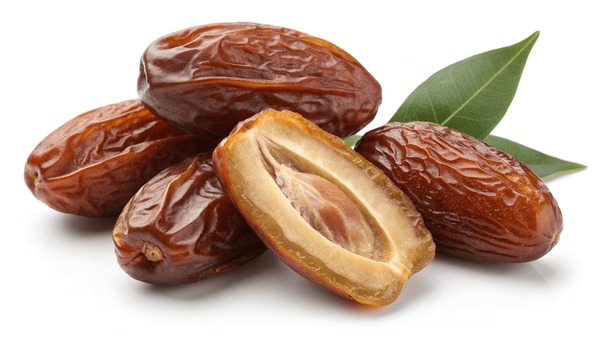
“This is then followed with consumption of fruit— eaten as whole or blended,” Temitope concluded.
As the month of Ramadan spans between 29 and 30 days, it is essential that the body gets all the nutrients that it can within the shortest period before the following day’s fast.
Akinyooye Sharafadeen, an advocate for a trans fat-free Nigeria and a farmer insists that the Prophet also admonished Muslims to consume fruits and water as they break their fast as it will replace nutrients lost and strengthen them for the next day.
Dr. Patricia Ukegbu suggested that those fasting should limit their fat, sugar, and salt intake. Those who fast should drink enough water and balance the calories they consume with the calories they expend.
The National Secretary General, Nutrition Society of Nigeria also said people fasting should eat a well-balanced and adequate diet during Ramadan.
Contents like this hits hard.
Almost 20yrs ago, standing in front of screening committee of my school for prefect-ship, a teacher asked me : “all your classmates wants you to be head boy but your records say you don’t pay school fees on time, we can’t be sending our Senior Prefect home”.
My answer was clear : “school fees issue is beyond me and I’d tell my dad if something can be done, as for me and what I can control, I will give my all if given the chance”.
I emerged and Old Soldier wore his super hero cape to fix things.
God bless our parents.
The most underrated act of kindness is simply letting people be. Let them mispronounce a word, talk too much about a show they love, or get excited about something you don't quite understand. Everyone has something that lights them up, let them shine, even if it's not your thing.
Your business idea may sound perfect to you and your team, to the point where you focus only on how you think it should work instead of what it truly takes for it to work. The GoKada story is a powerful reminder of how government policy can shape or shake a brand.
This is my first thought in the #BrandShots series. I look forward to sharing more soon.
Enjoy.
Most of the processed and packaged foods we buy and consume are preserved with a lot of salt and injurious to health if consumed in excess. Embrace the habit of eating fresh foods from the farm.
#SaltReduction#Healthydiets