'De verwachting is dat de hoeveelheid sabotageacties blijft toenemen binnen Europa', schrijven AIVD, MIVD en NCTV in het laatste dreigingsbeeld. Nederland is volgens hen een potentieel 'targetland'.
https://t.co/joovJLewLB
@BertuzLuca@montezumachavez It's more than that.
GDPR could protect us from the AI act. That's why it's under assault
@mario_gug
https://t.co/fKULZeF53s
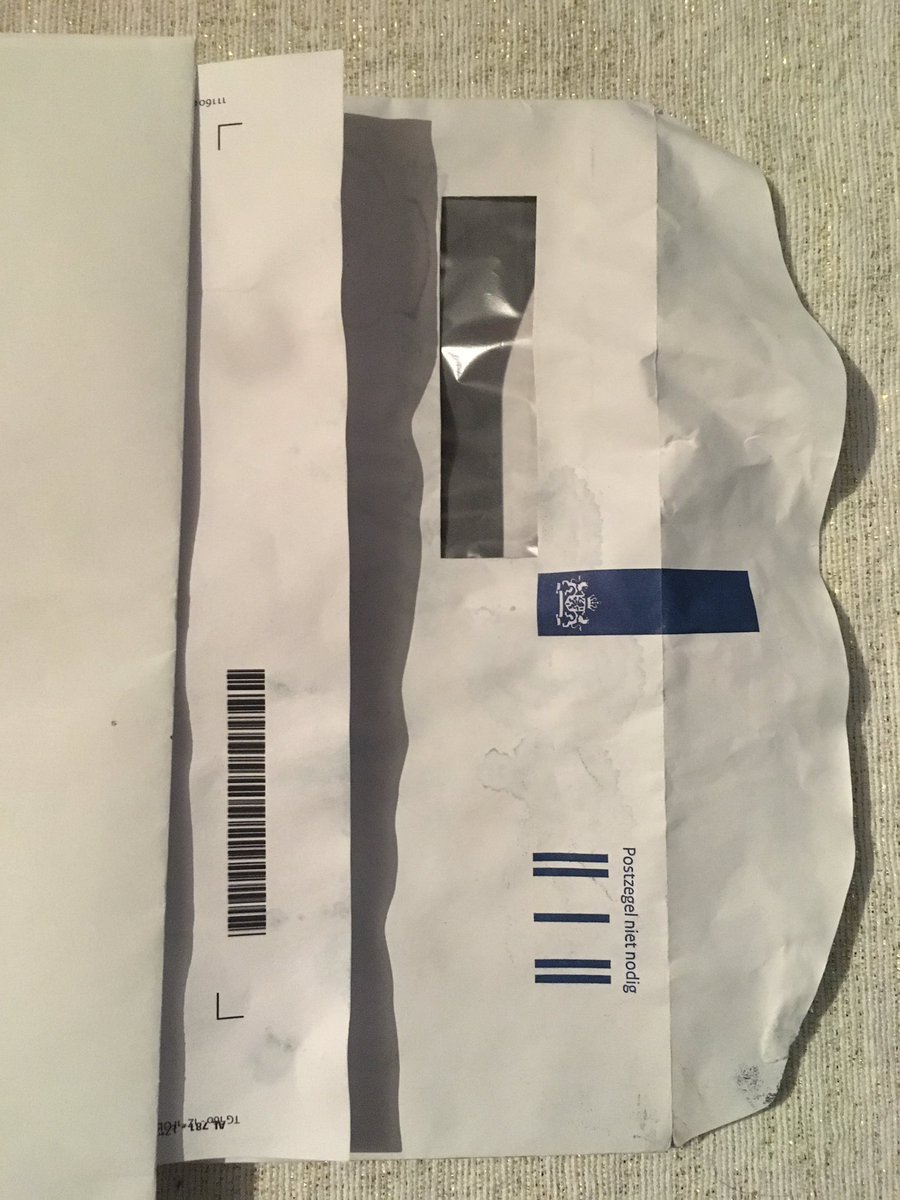
Beste @Belastingdienst heel attent dat je een makkelijk formulier krijgt om jullie in gebreke te stellen, chapeau! Maar hoe moet je de brief vouwen zodat de streepjescode in t venster zit? En als t toch lukt, ontvang je de brief weer zelf terug 🥲 #hoedan
🚨 BREAKING: The EU withdrew the AI Liability Directive. Make no mistake: this has NOTHING to do with legal arguments and everything to do with POLITICS. Here's what you need to know:
Yesterday, the EU announced that it had withdrawn the EU Liability Directive, stating: "No foreseeable agreement - the Commission will assess whether another proposal should be tabled or another type of approach should be chosen."
Make no mistake, this move has nothing to do with legal arguments and everything to do with POLITICS. Take a look at some of the declarations during the AI Summit this week in Paris:
- French President Macron said: "We will simplify ... It's very clear we have to resynchronise with the rest of the world."
- Henna Virkkunen (the EU "digital chief") promised the audience that the EU would simplify its rules and apply them in a "business-friendly way" [whatever that means from a legal perspective, especially when we are talking about reducing risk and protecting fundamental rights].
- U.S. Vice President JD Vance stated: “The Trump administration is troubled by reports that some foreign governments are considering tightening the screws on U.S. tech companies with international footprints. Now America cannot and will not accept that.”
Moreover, don't forget that on January 29, just a few days ago, the American Chamber of Commerce to the EU (AmCham EU) published a position paper in which they urged EU policymakers to withdraw the AI Liability Directive. Here's what they said:
"EU policymakers must withdraw the AI Liability Directive in order to avoid adding unnecessary complexity and uncertainty to Europe’s AI regulatory landscape. With the recently passed Product Liability Directive already expanding liability rules to AI, AmCham EU is joining the call with other industry associations in warning that additional, overlapping measures on AI would hinder innovation and disrupt established business practices. Policymakers should instead focus on regulatory simplification, in line with the Draghi Report on Competitiveness."
Therefore, the withdrawal of the AI Liability Directive is a POLITICAL move (it has nothing to do with legal discussions), and it signals that the EU is switching gears. The political tide is changing, and the new priority seems to be to "win" the AI race, whatever it takes.
As I wrote yesterday, everybody should lower their expectations regarding the EU AI Act and its enforcement. "Business-friendly" = little to no enforcement.
Regarding the legal implications, without the AI Liability Directive, the EU will have a MAJOR legal gap. A reminder that the EU AI Act DOES NOT COVER liability aspects.
👉 I'll write more about the topic in my newsletter today: to receive it in your email, join 52,000+ readers who SUBSCRIBE (link below).
Op zijn zestiende belandde Jason Bhugwandass in de gesloten jeugdzorg. Waar hij hulp en warmte zocht, kreeg hij een koude isolatiecel. Toen de deur van die cel weer openging, begon zijn missie: het sluiten van de zwaarste vorm van gesloten jeugdzorg. En dat is hem gelukt.
Hoor hoe, via de link: https://t.co/HIFxYijOhB
#zorg #jeugdzorg #gezondheid
America did not build New York. The Netherlands did.
America did not pay for New York. The Netherlands did.
America did not bring thousands of settlers to live in New York. The Netherlands did.
It is perfectly fair for the Netherlands to be raising questions about New York.
🇳🇱🇳🇱🇳🇱
De rechtszaak van weerapps als Buienradar en Weeronline tegen het KNMI - vandaag in Den Haag - werpt ook licht op het schimmige verdienmodel van zulke apps. ‘Gebruikers hebben geen idee hoe gedetailleerd de verzamelde informatie over hen is’:
https://t.co/gyYYRzSjjl











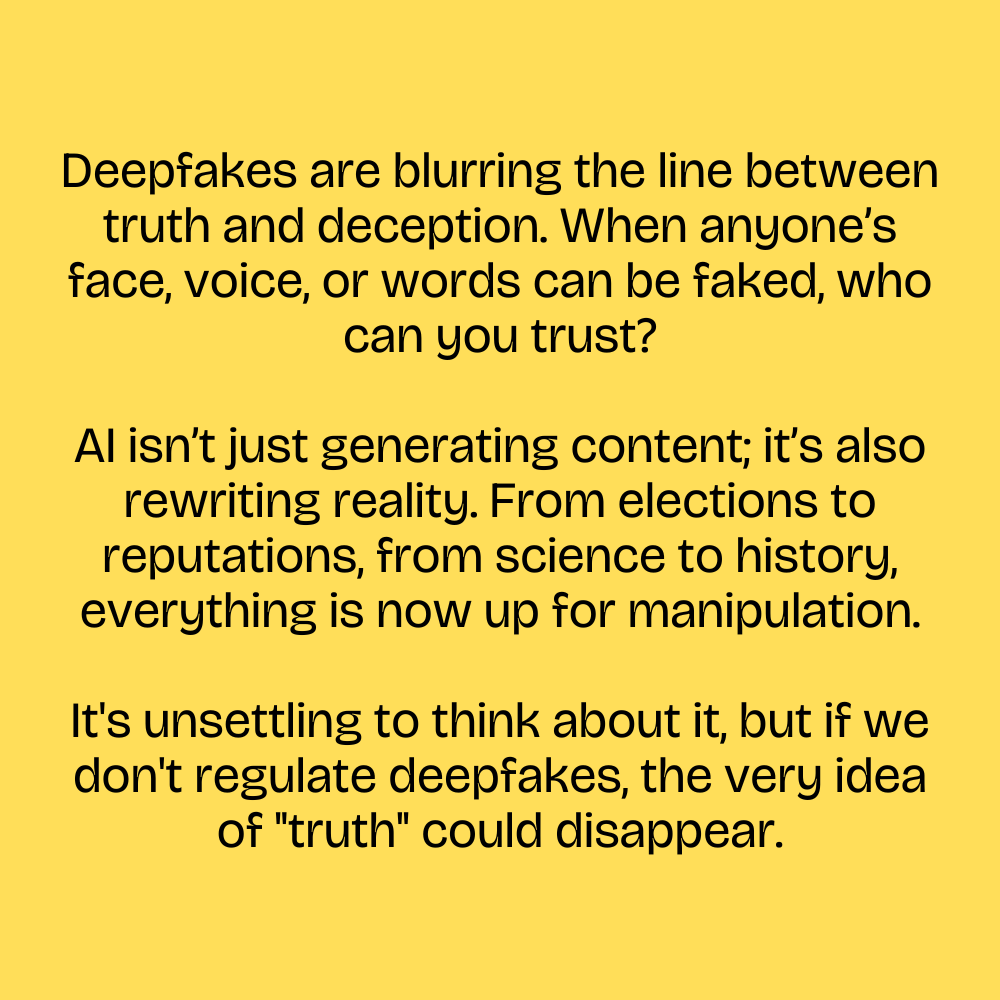
![LuizaJarovsky's tweet photo. 🚨 BREAKING: The EU withdrew the AI Liability Directive. Make no mistake: this has NOTHING to do with legal arguments and everything to do with POLITICS. Here's what you need to know:
Yesterday, the EU announced that it had withdrawn the EU Liability Directive, stating: "No foreseeable agreement - the Commission will assess whether another proposal should be tabled or another type of approach should be chosen."
Make no mistake, this move has nothing to do with legal arguments and everything to do with POLITICS. Take a look at some of the declarations during the AI Summit this week in Paris:
- French President Macron said: "We will simplify ... It's very clear we have to resynchronise with the rest of the world."
- Henna Virkkunen (the EU "digital chief") promised the audience that the EU would simplify its rules and apply them in a "business-friendly way" [whatever that means from a legal perspective, especially when we are talking about reducing risk and protecting fundamental rights].
- U.S. Vice President JD Vance stated: “The Trump administration is troubled by reports that some foreign governments are considering tightening the screws on U.S. tech companies with international footprints. Now America cannot and will not accept that.”
Moreover, don't forget that on January 29, just a few days ago, the American Chamber of Commerce to the EU (AmCham EU) published a position paper in which they urged EU policymakers to withdraw the AI Liability Directive. Here's what they said:
"EU policymakers must withdraw the AI Liability Directive in order to avoid adding unnecessary complexity and uncertainty to Europe’s AI regulatory landscape. With the recently passed Product Liability Directive already expanding liability rules to AI, AmCham EU is joining the call with other industry associations in warning that additional, overlapping measures on AI would hinder innovation and disrupt established business practices. Policymakers should instead focus on regulatory simplification, in line with the Draghi Report on Competitiveness."
Therefore, the withdrawal of the AI Liability Directive is a POLITICAL move (it has nothing to do with legal discussions), and it signals that the EU is switching gears. The political tide is changing, and the new priority seems to be to "win" the AI race, whatever it takes.
As I wrote yesterday, everybody should lower their expectations regarding the EU AI Act and its enforcement. "Business-friendly" = little to no enforcement.
Regarding the legal implications, without the AI Liability Directive, the EU will have a MAJOR legal gap. A reminder that the EU AI Act DOES NOT COVER liability aspects.
👉 I'll write more about the topic in my newsletter today: to receive it in your email, join 52,000+ readers who SUBSCRIBE (link below).](https://pbs.twimg.com/media/GjlFSNoWIAAOzc4.png)




