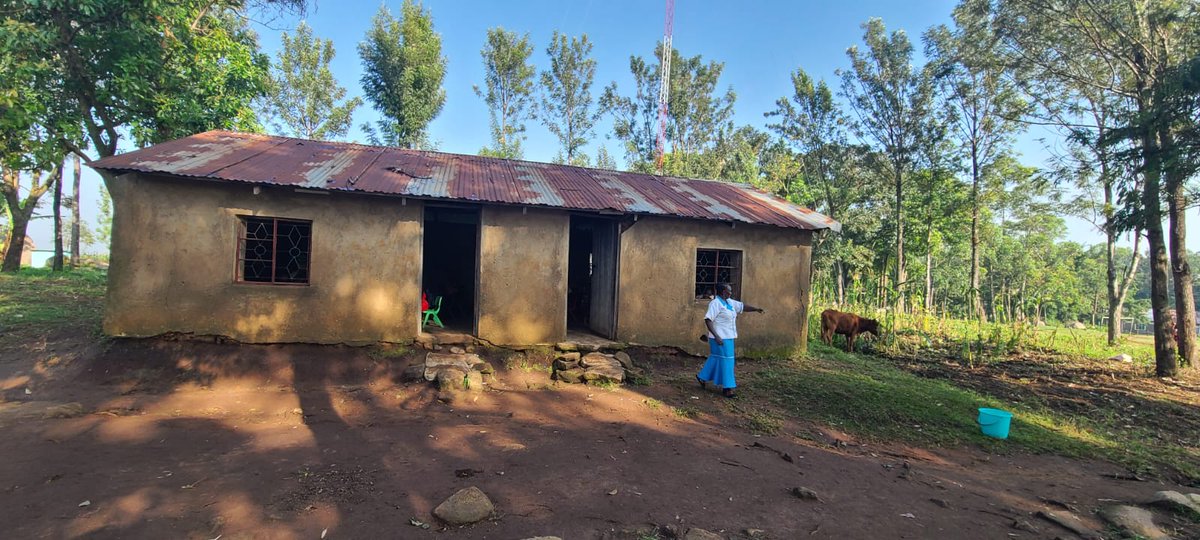
Should county officials continue approving budgets for new education infrastructure projects before completing existing stalled projects, and who should be held accountable when taxpayers continue funding projects that fail to deliver services to citizens. #MaskaniKakamega #FixECDEFixTVETs
Can the County Government provide a ward-by-ward timeline for the completion and operationalisation of all stalled ECDE and TVET projects, and will it commit to publishing regular progress reports so that citizens can monitor implementation and hold leaders accountable? #FixECDEFixTVETs #MaskaniKakamega
In cases where funds were disbursed but projects remain incomplete, what mechanisms exist to recover public money, prevent wastage, and investigate possible corruption, procurement irregularities, or collusion between contractors and county officials?
#FixECDEFixTVETs #MaskaniKakamega
Why does Kakamega County continue to budget for new education infrastructure projects when several previously funded ECDE and TVET projects remain incomplete, and does this practice represent prudent use of public resources?
#FixECDEFixTVETs#MaskaniKakamega
Who should be held accountable for stalled ECDE and TVET projects in Kakamega County contractors, county officials, project managers, or political leaders and what specific disciplinary or legal actions have been taken against those responsible for project delays and abandoned works? #FixECDEFixTVETs
Millions of shillings have been allocated to ECDE and TVET infrastructure projects across Kakamega County. Can the County Government publicly account for every stalled project by disclosing the amount allocated, the amount spent, the percentage completed, and reasons why the project remains unfinished?#FixECDEFixTVETs #MaskaniKakamega
The Nangili ECDE Project in Kongoni Ward, Likuyani Sub-County, was initiated in 2022 with an allocation of KSh 4.5 million to improve access to quality early childhood education infrastructure for young learners in the area. The project was expected to provide a safe and conducive learning environment and was scheduled for completion in 2023.
However, despite the allocation of public funds and the importance of the project to the local community, Nangili ECDE remains stalled years after its expected completion date. The delay has denied learners access to the facilities they were promised and raised concerns about the implementation and oversight of education projects at the local level.
For parents, teachers, and learners, the stalled project represents more than an unfinished structure,it reflects missed opportunities for quality education and improved learning conditions. Communities continue to wait for the benefits that were envisioned when the project was launched.
As the project remains incomplete, important questions persist: What has caused the delay? How have the allocated resources been utilized? And what measures are being taken to ensure that Nangili ECDE is completed and delivers the educational benefits it was intended to provide?
#FixECDEFixTVETs
#MaskaniKakamega
Esumeya ECDE, located within Esumeya Primary School in Esumeya/Shinoyi/Shikomari Ward, Navakholo Sub-County, was envisioned as a vital investment in early childhood education, providing young learners with safe classrooms and a conducive environment to begin their educational journey. Like many ECDE projects across Kakamega County, it was intended to improve access to quality learning facilities and give children a strong foundation for their future.
However, years later, the project remains incomplete, denying learners the full benefits that were promised. While public resources continue to be allocated towards ECDE development, unfinished projects such as Esumeya ECDE raise concerns about implementation, project monitoring, and the pace at which critical education infrastructure is delivered.
The consequences of delayed completion extend beyond physical structures. Young learners continue to study in inadequate conditions, teachers face challenges in delivering quality education, and communities are left wondering when the promised investment will finally be realized.
As calls for accountability grow, the broader question remains: how can public institutions ensure that education projects are completed on time, resources are used effectively, and every child receives the learning environment they deserve?
#FixECDEFixTVETs
#MaskaniKakamega
The real story of Misimo ECDE begins with a promise to provide young children with a safe and conducive learning environment through the construction of modern Early Childhood Development Education facilities. The project was designed to include two classrooms, an office, two stores, four-door and two-door pit latrines, a kitchen shed, and the installation of a 5,000-litre water tank—critical infrastructure meant to improve access to quality early learning.
To make this vision a reality, KSh 4.5 million was allocated for the project, with the target being full completion. However, despite the allocation of public resources and continued budgetary provisions over subsequent financial years, the project remains unfinished. According to project records, Misimo ECDE has only reached 50% completion, with a contract sum of approximately KSh 4.5 million, yet learners continue to wait for the promised facilities.
Instead of accessing the modern classrooms and learning environment envisioned by the project, young children are forced to learn in inadequate and temporary structures that do not meet the standards expected for early childhood education. What was intended to be an investment in the future of the community has become another example of a stalled public project whose benefits remain out of reach.
Every year that the project remains incomplete is another year that children are denied the learning environment they were promised, despite public funds being budgeted and allocated. While the project remains stalled, young learners continue to bear the cost through overcrowded, unsafe, and inadequate learning spaces.
The situation raises important questions about project implementation, accountability, and the management of public resources meant to serve communities. If funds continue to be allocated, why is Misimo ECDE still stalled? Who is responsible for ensuring that young learners finally get the classrooms they were promised?
The #FixECDEFixTVETs Campaign is calling for transparency, accountability, and urgent completion of stalled ECDE and TVET infrastructure projects across Kakamega County. Every child deserves access to a safe and dignified learning environment, and every shilling allocated to education should translate into tangible results on the ground.
Where did the money go, and when will the promise to Misimo's young learners finally be fulfilled?
#FixECDEFixTVETs
#MaskaniKakamega
@Maskani254@kawive@nisisikenya@Kakamega_037 Contract abandonment at Lirhanda Mixed Primary ECDE points to weak enforcement of procurement obligations. Public contracts must be treated as binding commitments, with clear penalties for non-performance, including termination, blacklisting. #FixECDEFixTVETs#MaskaniKakamega
The Lirhanda Mixed Primary ECDE Centre in Murhanda Ward was initiated as part of efforts to strengthen Early Childhood Development Education (ECDE) infrastructure by improving access to quality and modern learning facilities for young children.
The project received an allocation of KSh 4.5 million under the county education infrastructure programme and was expected to support the construction and upgrading of ECDE learning spaces to create a conducive environment for learners.
However, since its commencement in 2023, the project has experienced significant delays, with reports indicating that the contractor “alihiepa,” leaving the works incomplete. Despite the allocation of public funds, the intended infrastructure has not been fully delivered, resulting in a stalled project that has left learners, teachers, and parents without the improved facilities that were promised.
The continued stagnation of the Lirhanda Mixed Primary ECDE Centre raises serious concerns about project implementation, contractor accountability, and the efficient use of public resources. While the demand for quality ECDE facilities remains high, the incomplete project highlights the persistent gap between budget allocation and actual delivery of services on the ground.
As delays continue, the broader question remains: how can communities strengthen oversight mechanisms to ensure that public funds for education infrastructure translate into completed, functional projects that directly benefit learners and improve learning outcomes?#FixECDEFixTVETs
#MaskaniKakamega
@Maskani254@kawive@nisisikenya Accountability lies with contractors, county procurement teams, implementing departments, and political leadership. Each is responsible for delivery, oversight, and safeguarding public resources. #MaskaniKakamega#FixECDEFixTVETs
@Maskani254@kawive@nisisikenya While there may be instances where new projects are justified due to urgent needs, sound public financial management requires governments to prioritise the completion of ongoing projects before committing significant resources to new ones
#FixECDEFixTVETs#MaskaniKakamega
@Maskani254@kawive@nisisikenya Public resources must be protected. Where wrongdoing is proven, enforcement of procurement, public finance, and anti-corruption laws is essential to safeguard taxpayer funds and restore public trust. #MaskaniKakamega#FixECDEFixTVETs
@Maskani254@kawive@nisisikenya No accountability framework should allow a cycle of starting projects without finishing them. There should be strict project completion requirements, with clear consequences for officials and contractors who fail to deliver on agreed timelines. #FixECDEFixTVETs#MaskaniKakamega
@Maskani254@kawive@Kakamega_037 Structured timelines and periodic reporting shift accountability from reactive explanations to proactive delivery management,it ensures that infrastructure plans translate into functional learning spaces within realistic and monitored schedules. #FixECDEFixTVETs#MaskaniKakamega