I don't understand why people don't just lock in on YouTube
My faceless YouTube channels make me $120,000+/month (long form only)
YouTube is not luck. It's a formula.
Let me send you a free course on exactly how to launch a Faceless YouTube Channel now & you could be making $11,000/month in January 2026.
To get: -
1. Follow (So I can DM you )
2. Like & Retweet (MUST)
3. Reply " YT " Must follow me to get DM.
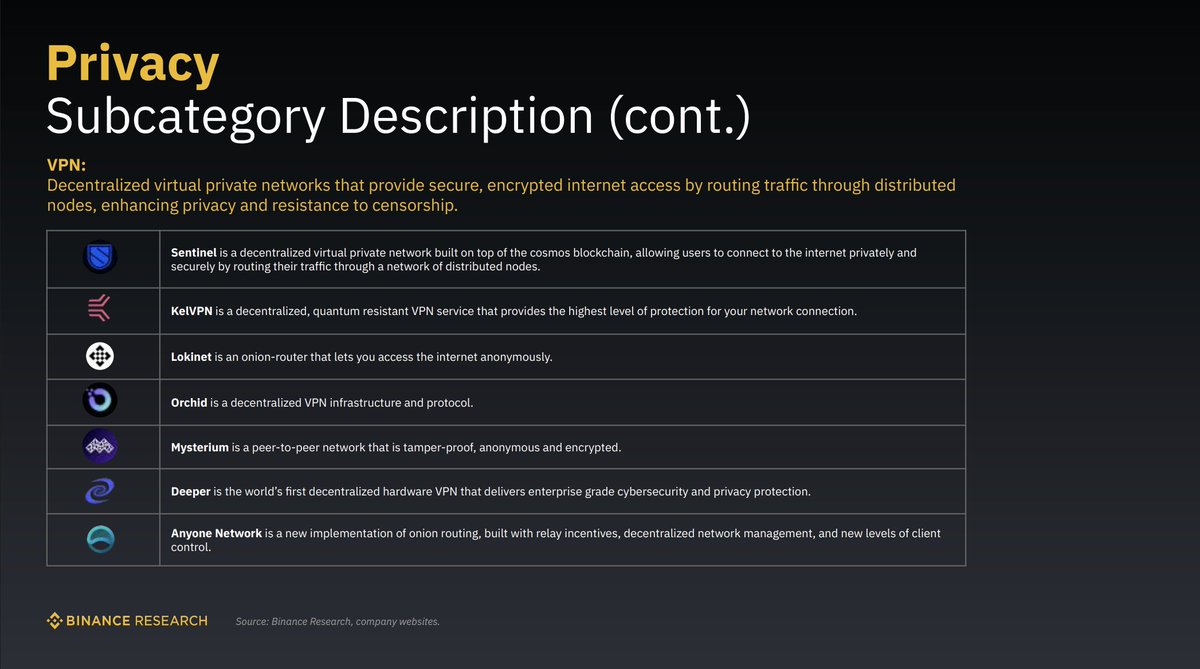
The latest @binance quarterly Industry Map highlights the growing importance of privacy, and the top projects within it.
Pleased to see the Anyone Network featured and being evaluated by @BinanceResearch.
🔹 https://t.co/XdcLmMLGls
Simple ecosystem. Powerful economics 💪
Users contribute → DePIN aggregates → Companies consume → $GHX facilitates
Every transaction strengthens the network:
▫️ Users earn for idle GPU time
▫️ Companies save 20x on compute costs
▫️ $GHX captures value from real revenue
No farming schemes. No empty promises. Just supply meeting demand through decentralized infrastructure.
This is what utility looks like 🎯
It’s time for another Dione MegaSpaces.
The team goes live to unpack what’s been built, what’s launching next, and where the ecosystem is headed.
Real updates. Real progress.
🎙 Join the conversation:
https://t.co/QCgfvghoUX
Bridging RWAs deserves clean rails and deep liquidity.
Carbon credits and $DIONE earn trust on Odyssey, then find depth where order flow sits; Ethereum and Solana. The bridge should carry both: provenance and books.
Odyssey anchors the asset. ETH/SOL provide reach.
Flow is lean and auditable:
lock on Odyssey → attest → mint 1:1 on the destination → emit receipts tying both chains.
Caps and circuit breakers keep early markets disciplined. Redemptions mirror the path.
Result: carbon credits keep verifiable origin, $DIONE taps bigger pools, spreads tighten, routing improves. Energy proofs stay on Odyssey, so the climate signal stays intact.
Pick the first venue: Uniswap v3 (ETH) or Orca/Raydium (SOL).
Build on Dione.
ARC Community, exciting update on the vARC upgrade: Superbridge has approved the token upgrade, and we're now configuring the tool for vARC token updates on the Base chain. This will enable seamless transitions to the unified $ARC utility token, providing access to ARC's AI solutions and services. The tool will be released very soon — stay tuned in our channels for the latest announcements!
Taraxa's co-founder Steven Pu (@reedvoid)'s op-ed just published on @Cointelegraph, on how Layer-2s are rapidly eroding crypto's trust and specifically destroying Ethereum.
Web3 builders, you need to insist on decentralization at the infrastructure layer, like what Taraxa has always insisted on since the beginning, and will continue to do so going forward.
If not decentralized, why be in crypto at all?
https://t.co/2mytNvUqBl
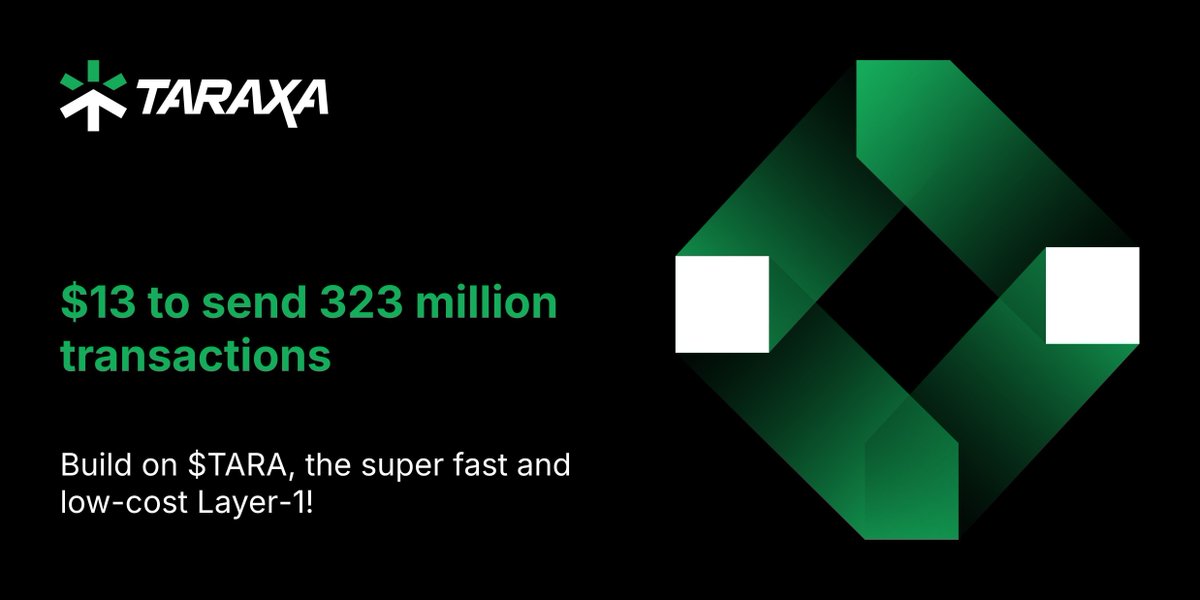
In the 30 days ending in August 26, 2025, there were 323 million transactions processed on the Taraxa mainnet, spending a total of 6.86 trillion gas, all in total cost...
$13.22
13 bucks, for 323 million transactions. I call that a bargain!
Build on $TARA, the super fast and low-cost Layer-1!
Carbon markets are about to get volatile.
EUA sits in the €70–73 band, but policy is the real driver. CBAM’s fiscal phase starts Jan 2026, right after COP30 this November, two events that pull demand forward and tighten the curve.
That tension means volatility. Compliance buyers hedge earlier, funds reprice carry, and the spread between contracts starts to swing harder than the headline price.
This is where @AmaraeXchange comes in.
Instead of punting direction, traders can stage basis positions: long Dec-25, short Dec-26 EUA. The carry sits around 40–70 bps. Unified margin nets both legs, giving wider distance to liquidation and tighter capital use.
Here’s the kicker: carbon markets aren’t just about spot price. They’re about the structure between policy dates. Trade the curve, not just the print.
Carbon is becoming an asset class shaped by law as much as supply. With Amara, you can pre-position into that policy cycle before the volatility breaks.
Trade carbon markets, build on clean infra.
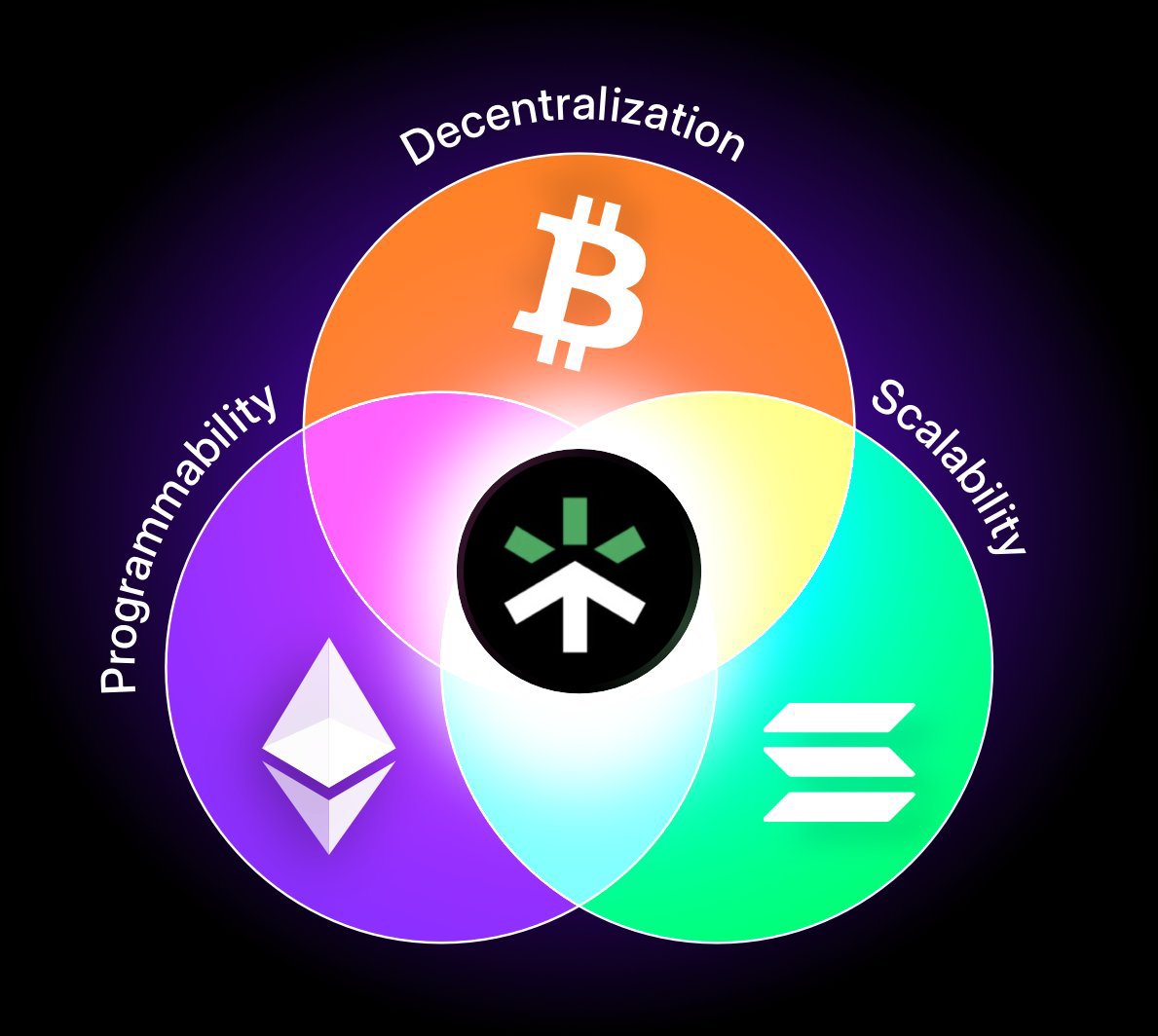
How well does Taraxa stack up against mainstream web3 infrastructure?
Extremely well.
But don't take our word for it, check out the scalability rankings from @chainspect_app. Taraxa makes an excellent showing across all the metrics that matter.
Build on $TARA, it just makes sense.
At Taraxa, we believe a reliable, secure, and fast L1 network doesn't need to be expensive. Unlike other L1 networks, we're kind to our users and devs.
Build on $TARA, the L1 network with the lowest fees in the world.