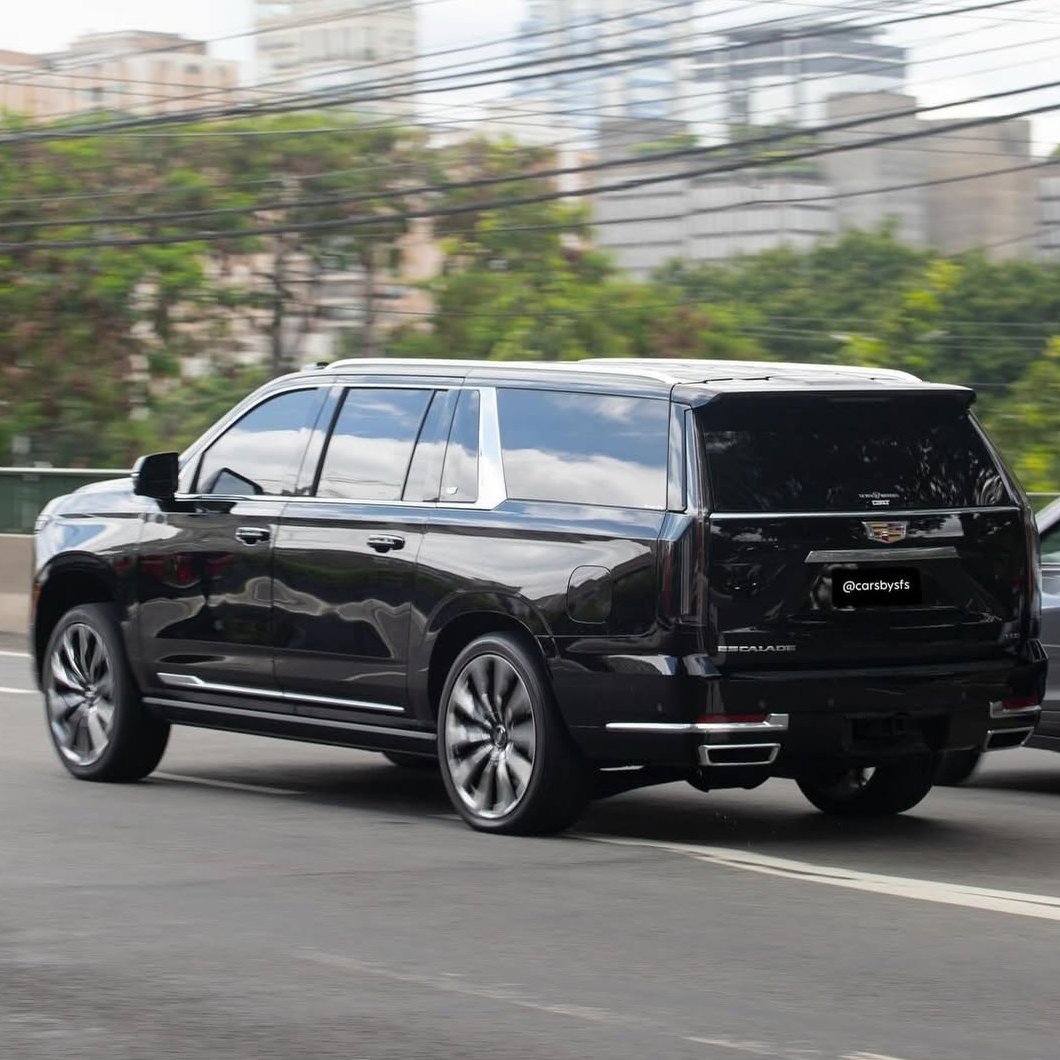
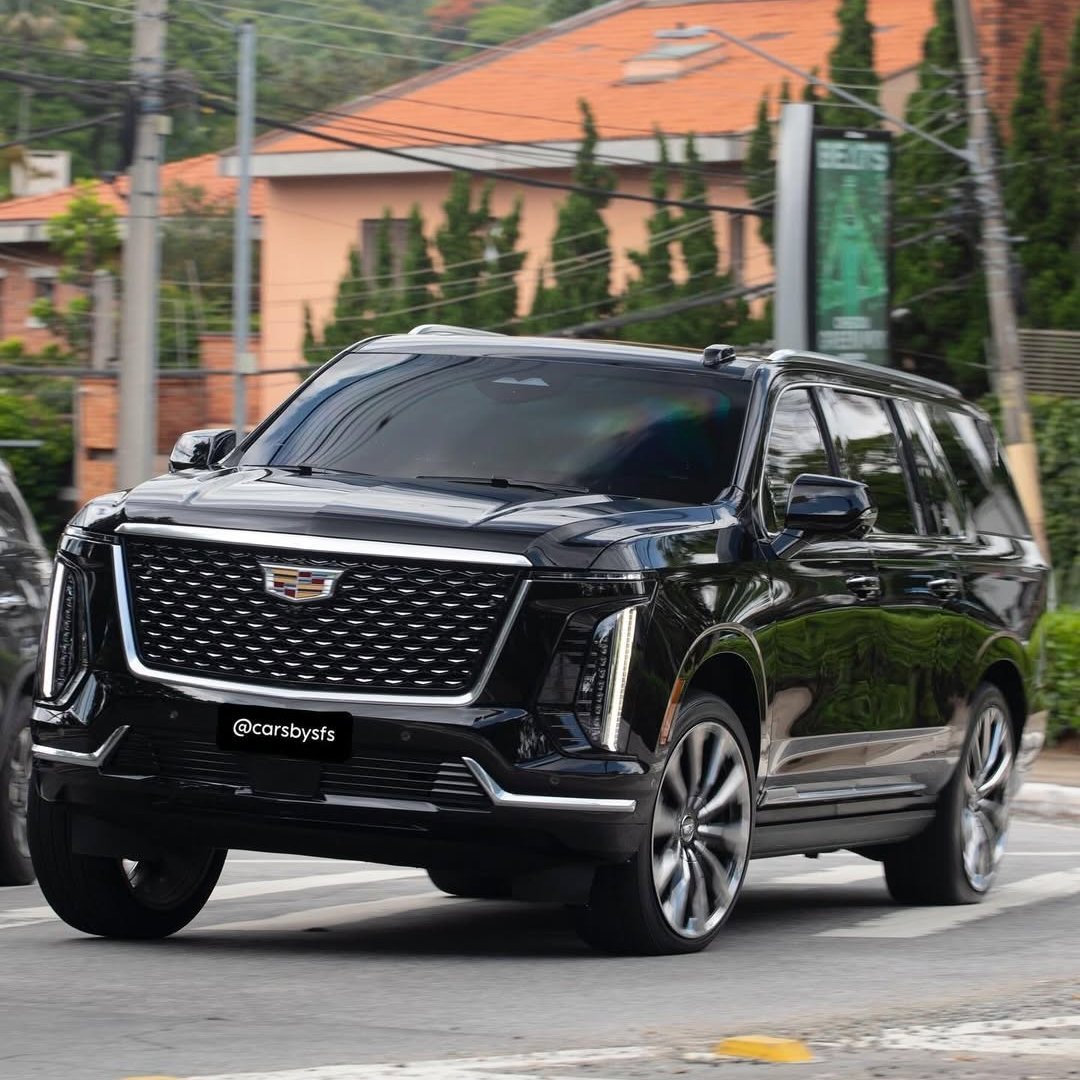
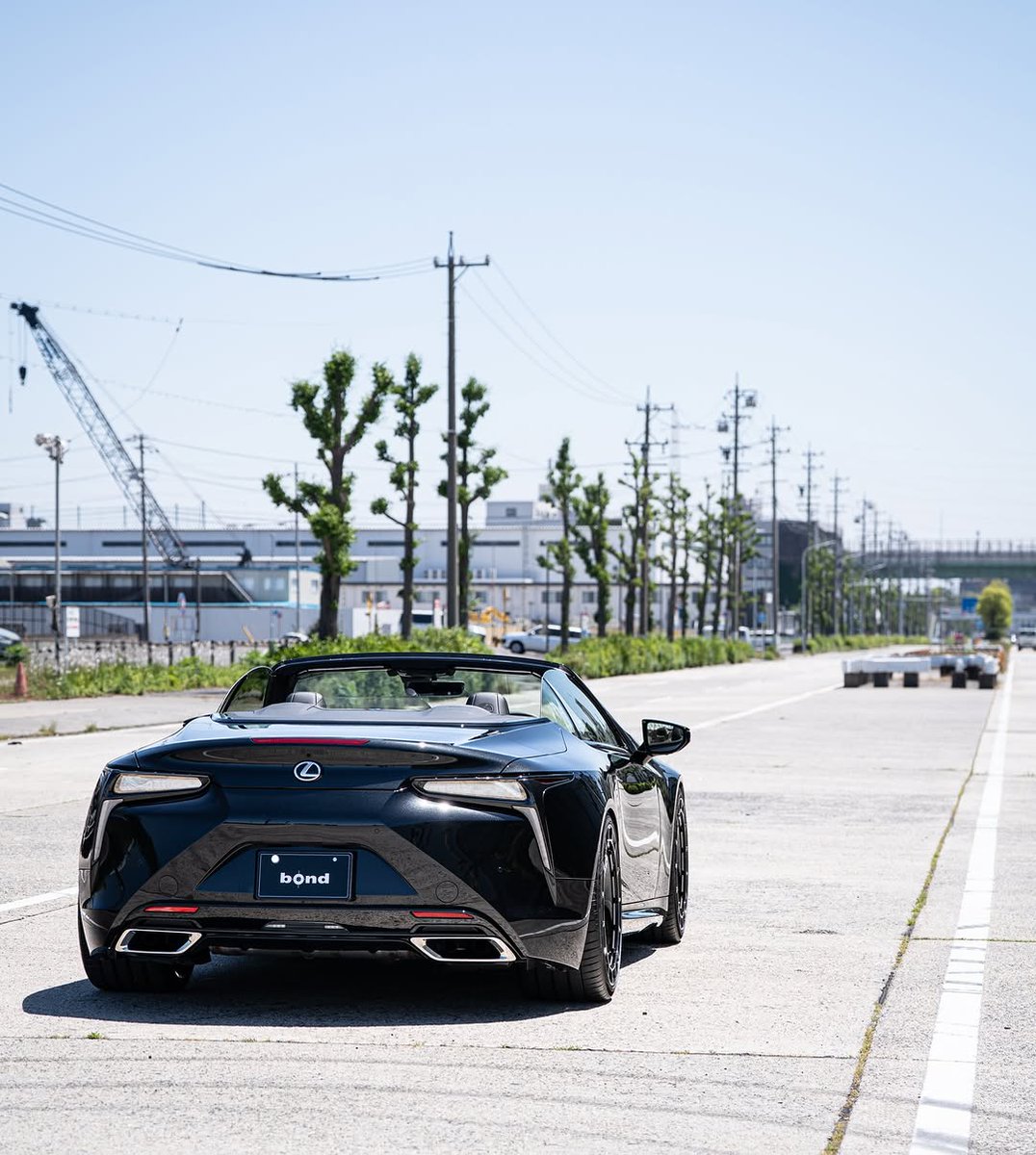
Almost none of the boats in that photo are owned by a person. Each one belongs to a company that exists only to hold the boat, registered on a tiny island, with a stranger’s name on the paperwork. That is how you keep a 300-foot yacht in public and your own name out of it.
This is completely legal, and it is the normal way these boats are owned. Once a yacht passes about 100 feet, it is almost always wrapped inside one of these companies. The boat is easy to see. Tracing it back to the person who paid for it is the hard part, and that is the whole point.
When someone says these owners are not on any rich list, they are right, and the reason is dull. Forbes only ranks money it can prove. Their 2026 list has a record 3,428 billionaires worth $20.1 trillion between them, and an army of reporters digs through company filings, court records, and leaks to pin down every number. But a fortune tucked away the way these boats are cannot be proven, so it never reaches the page. As far as the rankings know, that fortune does not exist.
The owners do stay hidden. The money itself, though, has been counted, down to a number. A Berkeley economist named Gabriel Zucman worked out a neat trick: money in hiding leaves a gap in a country’s books, like a missing puzzle piece, and you can measure that gap. Using his method, the charity Oxfam reported this April that $13.25 trillion is sitting offshore, in accounts overseas built for secrecy. That is more than the whole world economy makes in a month. Around $3.55 trillion of it never gets taxed at all, more than the entire economy of France. The very richest people, about one in a thousand, hold roughly 80 percent of that untaxed pile. On its own, it is worth more than everything owned by the poorer half of the planet, all 4.1 billion of them.
For one weekend a year, all of that floats into a single harbor. As of early June, trackers counted 106 yachts packed inside Monaco’s main port and another 180 anchored just off the coast for the Grand Prix. One of them, a 400-foot giant called Kismet, costs 3 million euros a week just to rent.
Europe actually tried to lift the lid on who owns what. In 2018 it forced member countries to publish a public list of the real people behind each company, and reporters quickly began naming owners who had stayed out of sight. Then in November 2022 the EU’s top court closed that public access again, ruling it invaded the owners’ privacy. The lists still exist. Now you need a special reason and official permission to look.
The money is no great mystery, and the pool it sits in has been measured down to the trillion. The only thing still missing is a name to put on each boat.
3 x 500m² metal greenhouses constructed in Chegutu. The farmer is now ready to plant. For all your expertly designed and constructed farm structures call or WhatsApp on 0713070633.