School of Hard Knocks interviewed Indomie’s CEO who is Indonesian. He said they also own Dano, Kellogg’s, Hypo, Lush, Guinness & Malt. Their biggest competitor is Nestlé, which owns Maggi. He came to Nigeria for a holiday, and they now generate $2B in revenue. 😳
No longer lungu, no sako: no nook, no alley. We will reach every corner, every street, and every home. We are closer to the people, we hear you, we understand you, and we will carry everyone along. Nobody will be left behind. One Chanchaga, One Voice, One Future. #PDP#Chanchaga
The rush to own a house in Nigeria has never been driven strictly by investment logic. Historically, it has been driven by uncertainty, by the fear that once the breadwinner’s income dips, or once he dies, his dependants may be left exposed. That is the context in which Nigerians rush to own property. Those who can afford more even go as far as building houses for rent, because even when it is not the most profitable economic venture, it is the only form of hedging most Nigerians know or trust.
At the heart of this mindset is also the awareness that there is no welfare system strong enough to protect one’s dependants. So breadwinners do what they feel they must do.
This same instinct plays out across the country, even in public service. Officeholders rush to divert public resources entrusted to them in order to acquire property for themselves, aware that the “opportunity” may not return, and that there is no reliable welfare system to cushion them when the income stops. In fact, their families and friends are often the first to remind them of this. In the end, personal financial security is prioritised over public welfare, and this is partly why we are where we are: a country with one of the widest inequality gaps on the planet.
Those who argue against the wisdom of spending one’s savings to build a house are often speaking from a different reality. Some have lived abroad, where the desperation of the struggling class to own property is not always considered a smart move. Others are financially informed enough to know there are better investment options than dumping all one’s money into property while denying oneself a decent life. But Nigeria is a breadwinner’s nightmare. Every day, you live with the fear that your dependants may not be able to afford the next rent if your income, or your existence, stops.
Where I draw the line is in building a mansion that nobody in your family can maintain after you are gone. I have seen this happen in Abuja, where families had to sell a large family house just to buy a smaller, more manageable one to live in.
So, perhaps both sides of the argument can agree on where to draw the line. Owning a house in Nigeria is not a black-and-white matter. It is not always the smartest investment, but it is often the most emotionally and socially understandable one.
Even birds never complain about their sustenance they simply fly, strive and place their trust in Allah.
When will we do the same?
They have no savings, no long-term plans… yet Allah provides for them.
Shouldn’t our trust in Allah be even stronger?
Ralph Nwosu
The man who prevented Nigeria from drifting towards a one-party state. He rejected personal gratification to preserve our multi-party democracy.
History will forever be kind to you, sir.
#ADCCONVENTION2026
From the gutters of Flea Bottom to the heroism of Summerhall, Ser Duncan the Tall proves knighthood is forged in grit, not gold. 🪙
He wasn’t the most polished fighter, but his unwavering honor made him a legend. Hearing his history narrated gives me chills. 🔥
He may not have been the best duelist, but he was certainly the truest knight. 💥
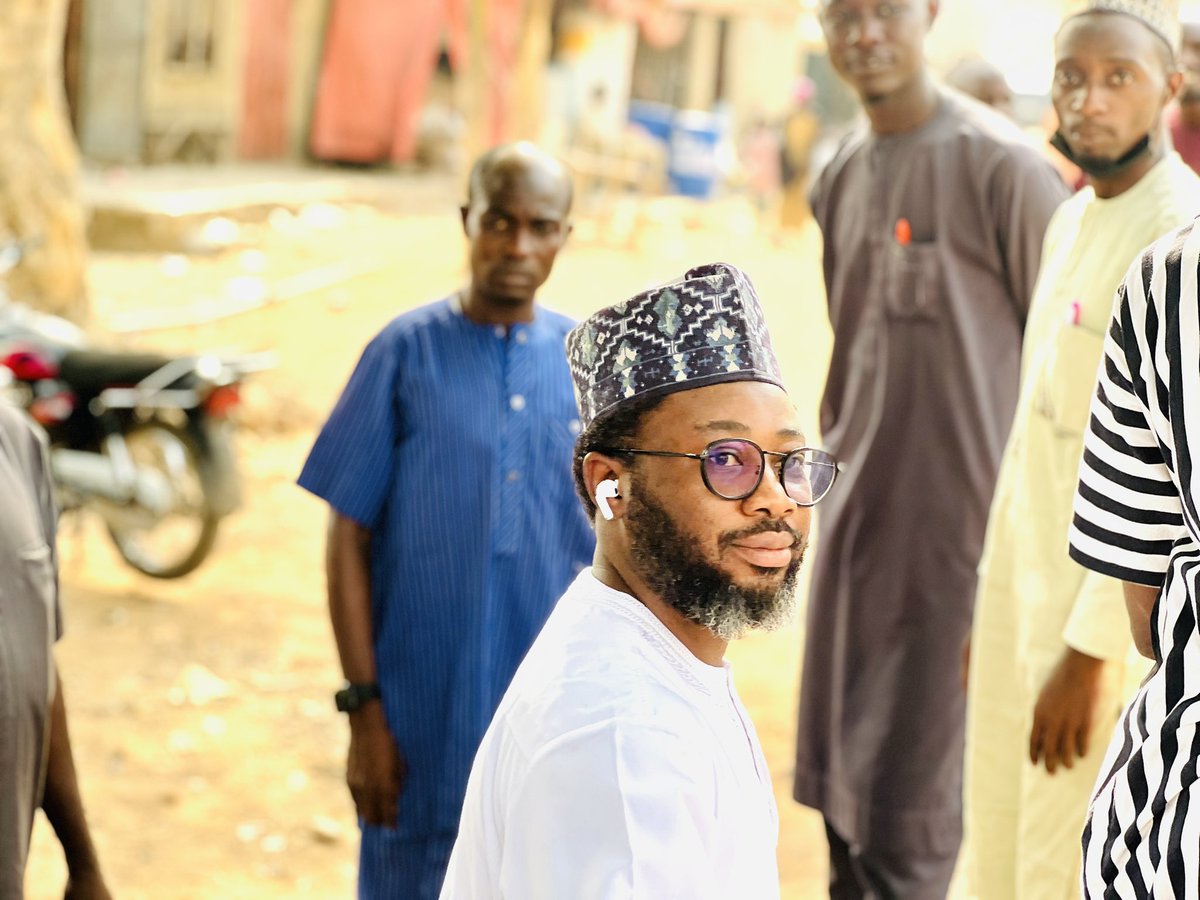
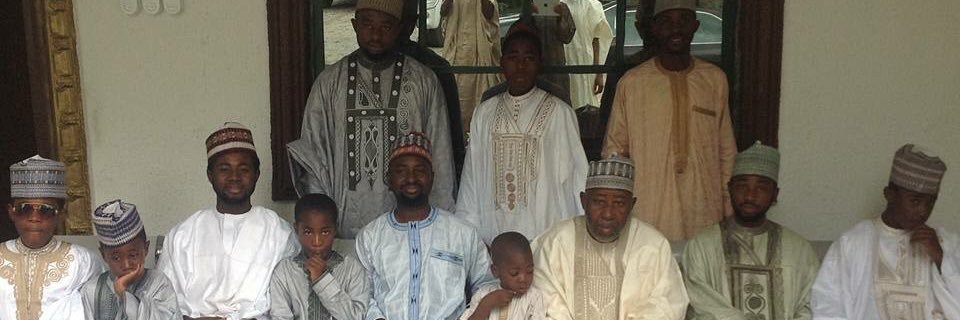
Pharm. Mohammed Abdulkadir Abugi, in his preparations to contest for the Federal House of Representatives, Chanchaga Constituency, paid a courtesy visit to the Emir of Minna, HRH Dr. Umar Faruq Bahago, to seek blessings and guidance.