🚨 New paper out! 🚨 New dataset by Simon Treu @PIK_Climate that can be used for impact attribution studies that quantify the contribution of sea level rise
New data description paper: Reconstruction of hourly coastal water levels and counterfactuals without sea level rise for impact attribution https://t.co/MpGBNsvR9Z
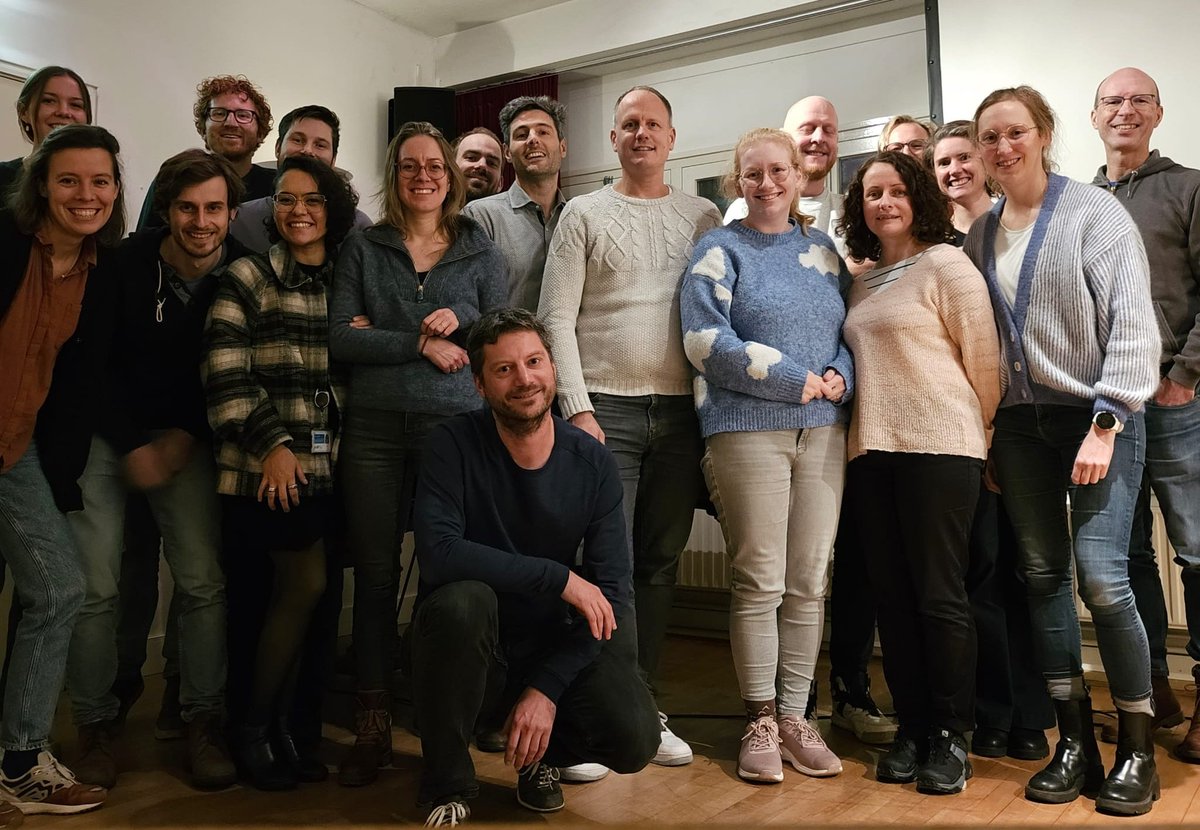
The 2023 @VU_IVM Water & Climate Risk dept staff away day! 🌟
Such a nice afternoon discussing with this group of lovely colleagues on work-life balance, teaching & PhD supervision. Sadly missing a few due to illness.
Great plans for 2024! Let's see if we can keep to them. 😊
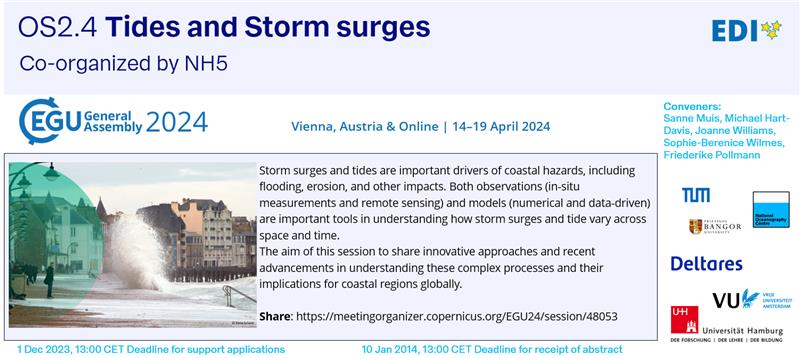
Please join us at our session at #EGU24 where we look for discussions on Ocean Tides and Storm Surges, two crucial processes! Anything from modelling to measurements and beyond is welcome! Hosted by @MuisSanne @JoWilliamsUK @SophieBWilmes Friederike Pollman @EuroGeosciences
Coastal flood risk is increasing due to sea-level rise, but how will storms change in future climates? In this new research, using high-res climate models, we investigate how storm surges may change in the future. Read the full paper here:
https://t.co/KhxaKkY2NL
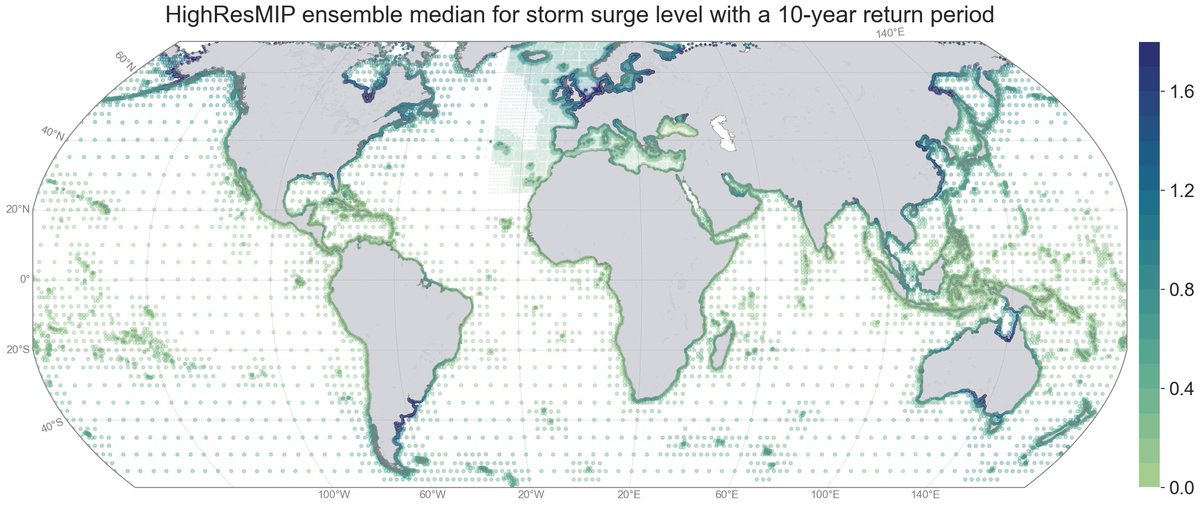
🌀 Excited to share that our latest research is published in @EarthsFutureEiC. Coastal flooding is increasing globally. Sea-level rise is a key factor, but changes in extremes could make things worse. Despite this, storm surge responses to a warmer climate are poorly understood
We investigate changes in storm surges from 1950 to 2050 using HighResMIP and GTSM. Median-ensemble shows changes up to 0.1 m (20%). Individual models show larger changes but have large spatial biases. Results are underscoring the need for further research.
🚨Vacancy alert 🚨We're looking for a motivated Ph.D. researcher to join our team at @deltares. The topic is climate and impact attribution of various hazard types such as floods and droughts. More detail can be found here: https://t.co/MUJn87eef7
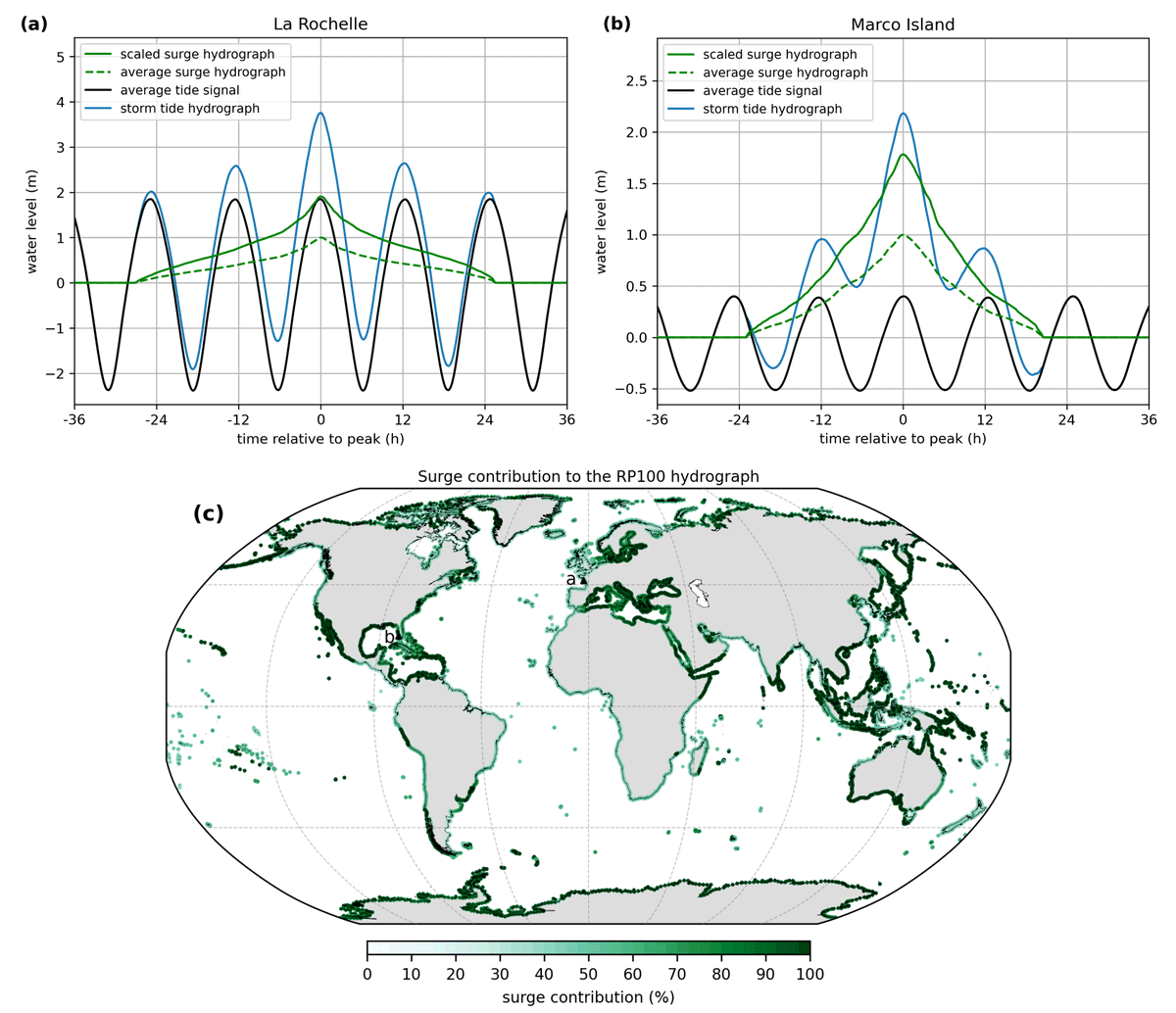
Code is openly available at GitHub (https://t.co/eqRYL40GTt). We also provide a global dataset of storm tide hydrographs based on @deltares Global Tide and Surge Model, which is available at the 4TU data repository (https://t.co/9Xzjxj1OyF). Go check it out!
🚨New research by Job Dullaart @VU_IVM, in which he presents the HGRAPHER method to generate coastal hydrographs that can be used for large-scale dynamic flood modelling (and to move away from the simple bath tub approach)
In the afternoon @IreneBenitoL is presenting her latest results on a stochastic coastal flood risk models for east Africa (17:20–17:30, Room 1.31/32), and we have a PICO on supporting impact-based forecasting in the Philippines (16:52–16:54, PICO4.13)
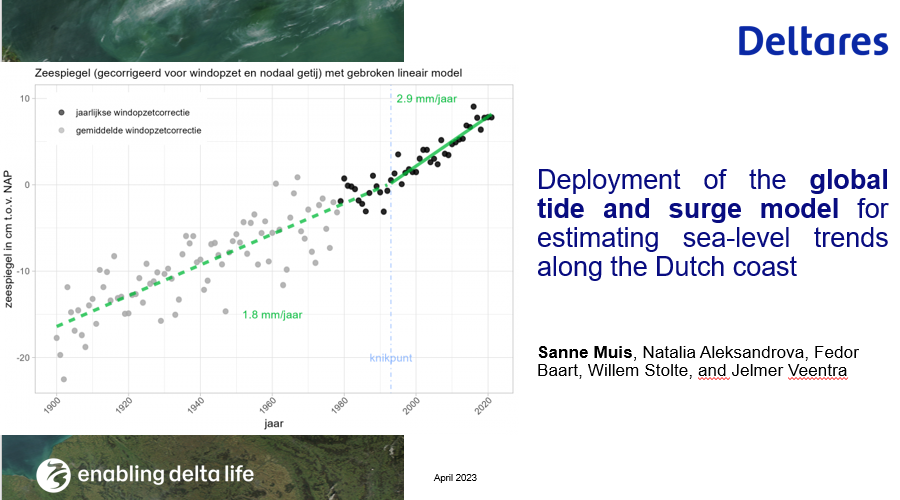
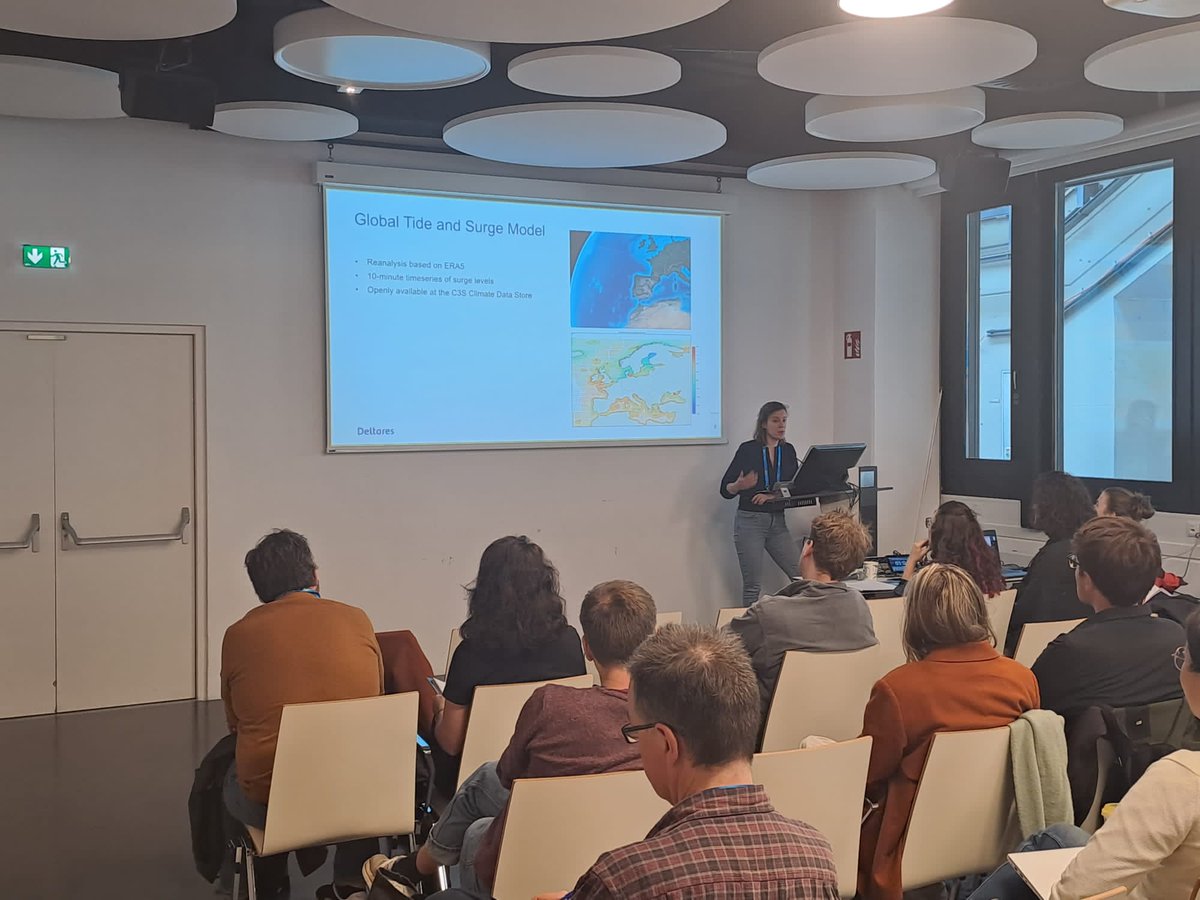
This morning I gave a talk at #EGU23 on the Dutch Sea Level Monitor. We used the Global Tide and Surge Model to remove the meteorological component of observed SLR to more robustly estimate the trend. Next step will be to extend the dataset backwards to 1950🌐
In the morning @fnurozkan of @tudelft is presenting her poster on improving the sea surface drag parameterization in GTSM (10:45–12:30, X4.59), aiming to improve the accuracy of storm surge simulations with GTSM
The #sealevel session at #EGU23 is about to start! Come to room 0.31/32 to check great talks by Lucia Pineau-Guillou, @MuisSanne, @HermansTHJ, @DewiLeBars, @KeizerIris, Ben Harrison, @DrVictorMS, Caroline van Calcar and Rémi Thiéblemont, and more after the break!
@JuliusOelsmann
IVM turned 50!
We are celebrating this exciting milestone with an anniversary conference where we reflect on IVM and the world's environmental past, present and future.
@VUamsterdam#Sustainability
Zeespiegelmonitor @deltares registreert het nu ook: aan NL kust versnelt de zeespiegelstijging. Weer een broodje aapverhaal van klimaatsceptici onderuit. 🌊
https://t.co/wGGvpoNQsL @volkskrant
Exciting new project in which we
will develop tools for improved forecasting and climate adaptation of flooding in coastal areas using the digital twins of #DestinationEarth. Looking forward to start working on this!