Last May, we launched our Gloves Off campaign, highlighting that gloves aren't always required, as clean hands can be just as effective a barrier against transmission.
Since then, over half a million non-sterile blue gloves have been saved from landfill! https://t.co/CWtnspZjsx
Great conversation with @odgersinterim exploring my lessons from supporting healthcare decarbonisation. I look forward to comparing notes with brilliant colleagues doing similar work in other sectors at this upcoming event
I'm delighted to be joining this panel sharing my learning from making healthcare provision more sustainable. It will be great to explore common challenges and differences across sectors with my co-panelists.
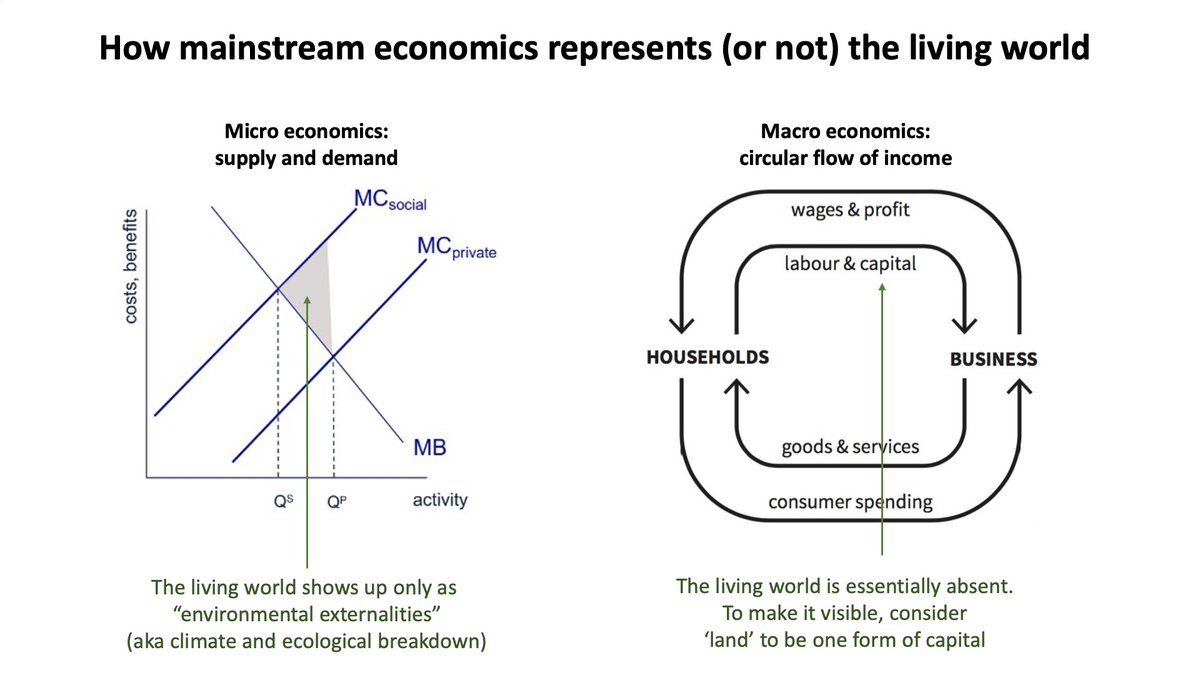
First, the problem: in mainstream economics, destruction of the living world is treated as an 'environmental externality'. As Daly wrote, ”we classify things as ‘external costs’ for no better reason than because we have made no provision for them in our economic theories”.
🚨 Don't miss our live written discussion on the connections between #healthequity & climate change, and the role businesses can play in addressing these issues, tomorrow at 11am EST / 3pm GMT.
Join the ongoing conversation for free ⤵️ https://t.co/01TEmzbZ8G
#ClimateJustice
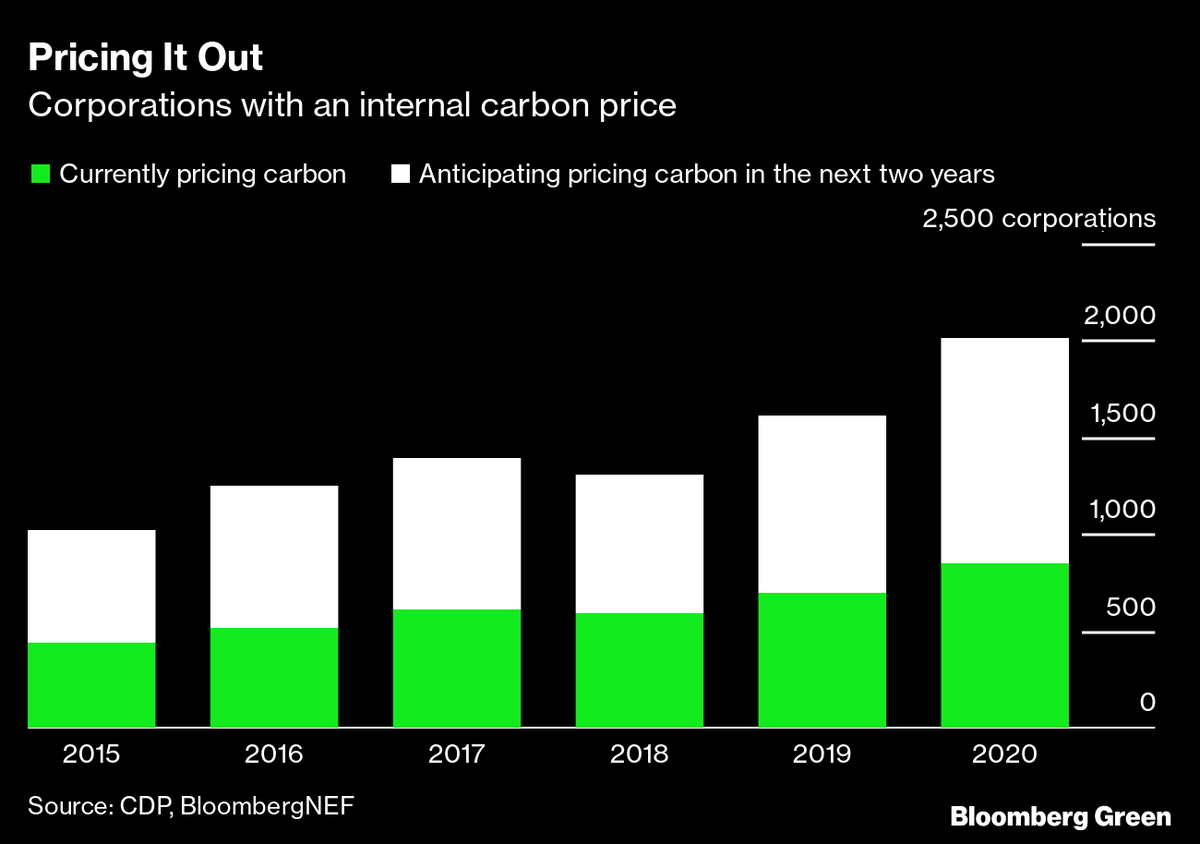
More than 2,000 companies now have, or will have, an internal carbon price. Momentum!
Also, these internal carbon prices range from (checks notes) $1 per ton to $760 per ton. https://t.co/vBP4LrdItW
Less than 20 years ago, the world was headed for a >4C warmer world by 2100. The amount of change that would occur under that much warming, that fast, was almost unimaginable and certainly unsurvivable for human civilization + a large percentage of the world's species. (thread)
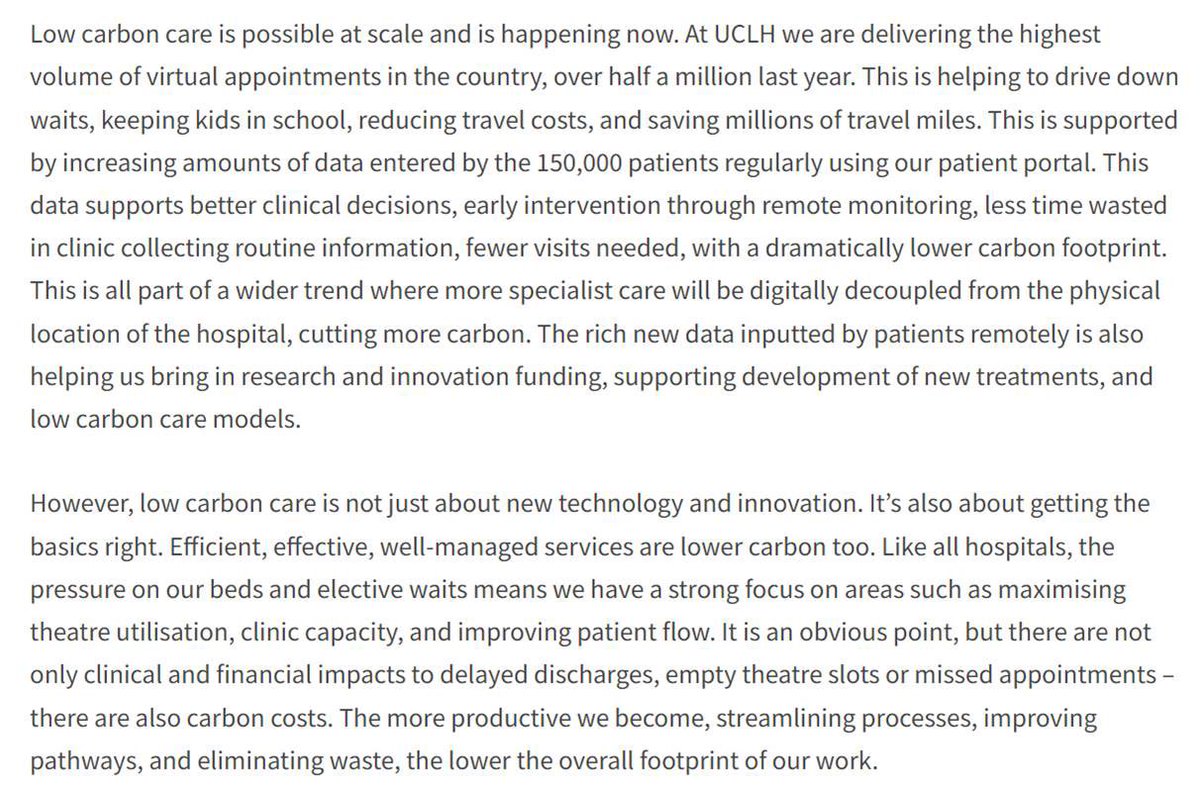
Great article here from the fantastic @LukeOShea1 on the case for rapid decarbonisation of the UK NHS- He articulately lays out the case for why the NHS cant afford to NOT decarbonise from a cost, clinical perspective and moral perspective
2/2 but not scare them into putting their heads in the sand. I encounter many examples of us not getting this right- either scaring people so much they give up hope or enabling people to get complacent. I would welcome thoughts on getting this balance right
1/2 We know much of what we need to do to mitigate (well at least limit) climate change and positive change is happening- but its much too slow. On the one hand we need to alert our politicians, businesses and the public (consumers) to the risks of not acting more quickly,
3/3 And yet actions to combat climate change including plant based diets, active transport and insulating our houses lead to better health and save us money now.
1/3 Powerful report from the Lancet Countdown-
Governments globally continue to subsidise the fossil fuel industry whilst the climate crisis contributes to millions of excess deaths globally.
@hugh_montgomery @UCLPartners@LukeOShea1@DrDominiqueAllw@Sorrel_Bickley
⚡ NEW REPORT ⚡
The Lancet Countdown 2022 Report warns that health is at the mercy of fossil fuels.
Read the 2022 assessment of the health impacts of climate change, and the health benefits of climate action: https://t.co/5AYfdGzvRg
#LancetClimate22
2/3 Climate change as we are seeing right now leads to diminishing food security, higher risks of infectious disease outbreaks, record extreme heat, drought, floods and more.
There is a reason why, globally, healthcare spend is allowed to grow. As well as health benefits it promotes economic growth and productivity. This is before one gets into a stable NHS being an essential component of thriving life science/tech sectors. https://t.co/X3LhcVqSqI
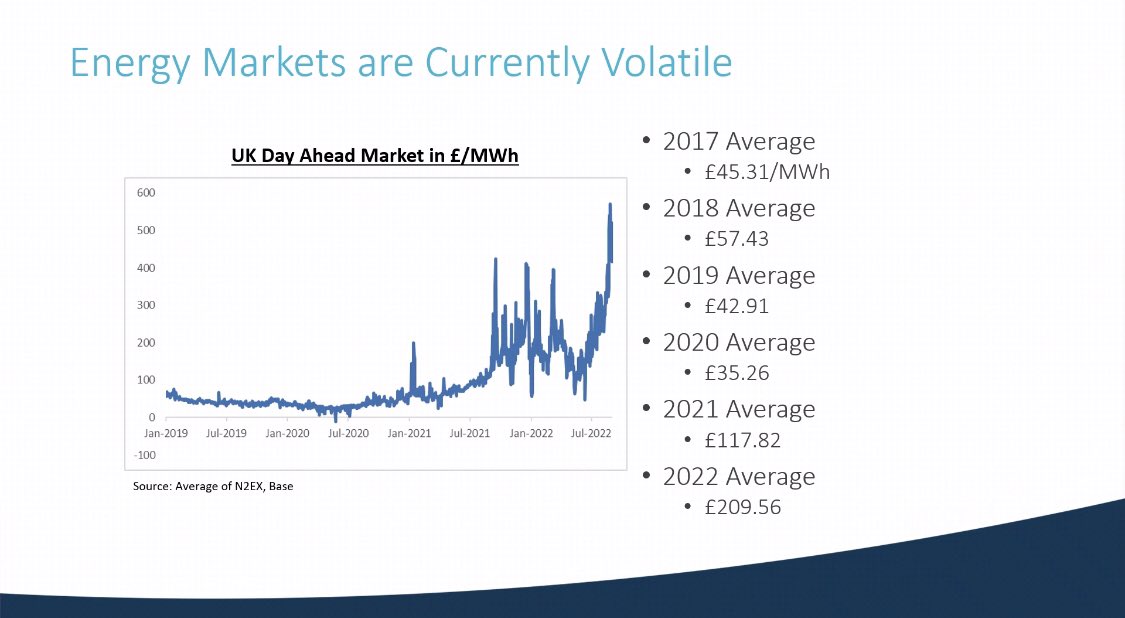
Energy💰 have ⬆️ exponentially for 🏥
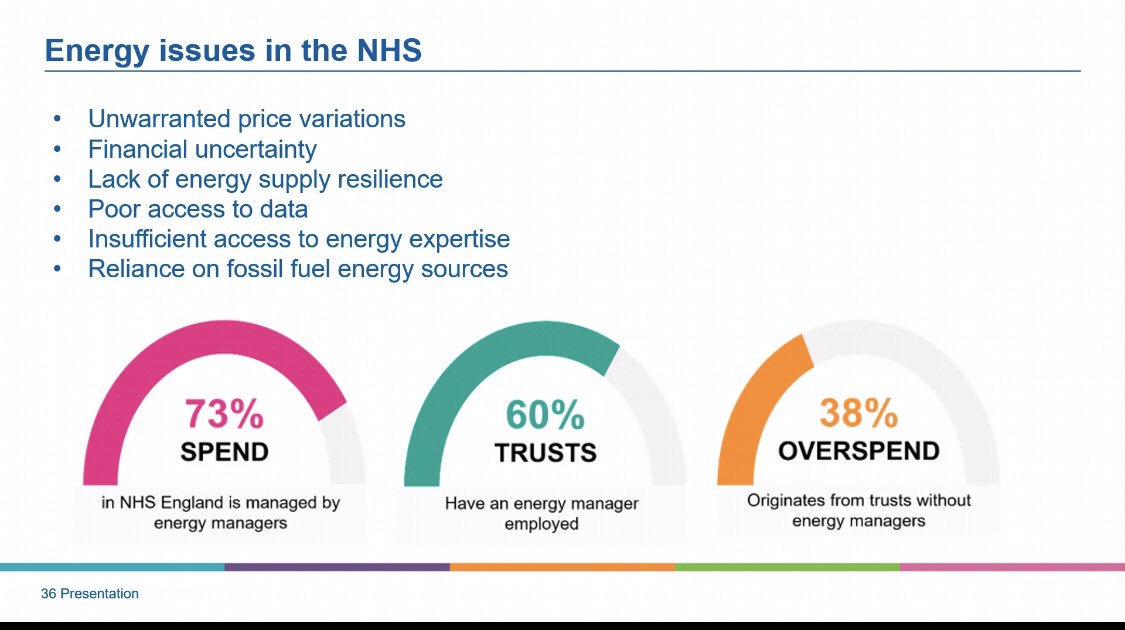
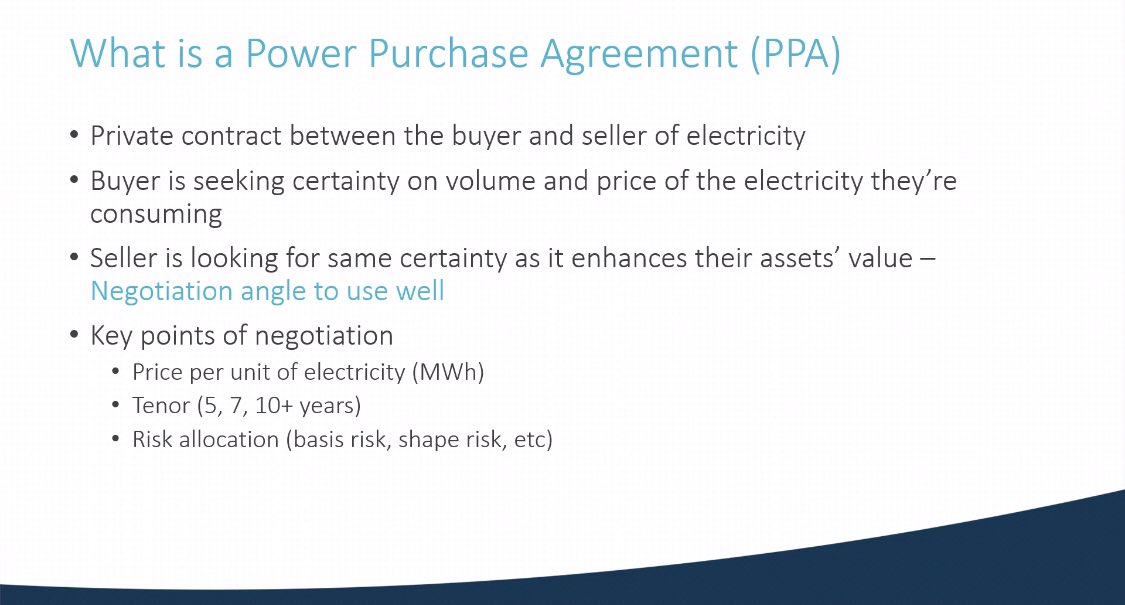
We have 40 NHS Trusts on @UCLPartners webinar talking energy crisis,inflation,climate AND solutions-Power Purchase Agreements PPAs for the NHS w less volatile 💰& 💯renewable & traceable energy
#UCLPCC#greenernhs
https://t.co/aDL7SQHuoA