Scientists have mapped Earth’s vast underground fungal networks for the first time, revealing a staggering 68 quadrillion miles of fungal threads that help regulate the climate.
A groundbreaking new study estimates that arbuscular mycorrhizal fungi form an underground network stretching roughly 110 quadrillion kilometers (68 quadrillion miles), equivalent to nearly a billion times the distance from Earth to the Sun. These microscopic fungal threads create symbiotic relationships with over 70% of land plants, exchanging nutrients and water for carbon while locking away massive amounts of CO₂ in the soil.
The research, led by the Society for the Protection of Underground Networks (SPUN), used machine learning models trained on data from more than 16,000 global soil cores, combined with high-resolution robotic imaging of fungal hyphae.
However, these critical networks face a serious threat from modern industrial agriculture. Fungal density in croplands is nearly 50% lower than in undisturbed ecosystems, largely due to tilling, chemical fertilizers, and fungicides. This loss reduces the soil’s ability to store carbon, weakens nutrient cycling, and increases chemical runoff.
The findings underscore the urgent need to protect these hidden ecosystems. Researchers plan to present the data at the upcoming UN desertification summit to push for global conservation benchmarks.
[Stewart, J. D., et al. (2026). Global density and biomass of arbuscular mycorrhizal fungal networks. Science. DOI: 10.1126/science.adu4373]
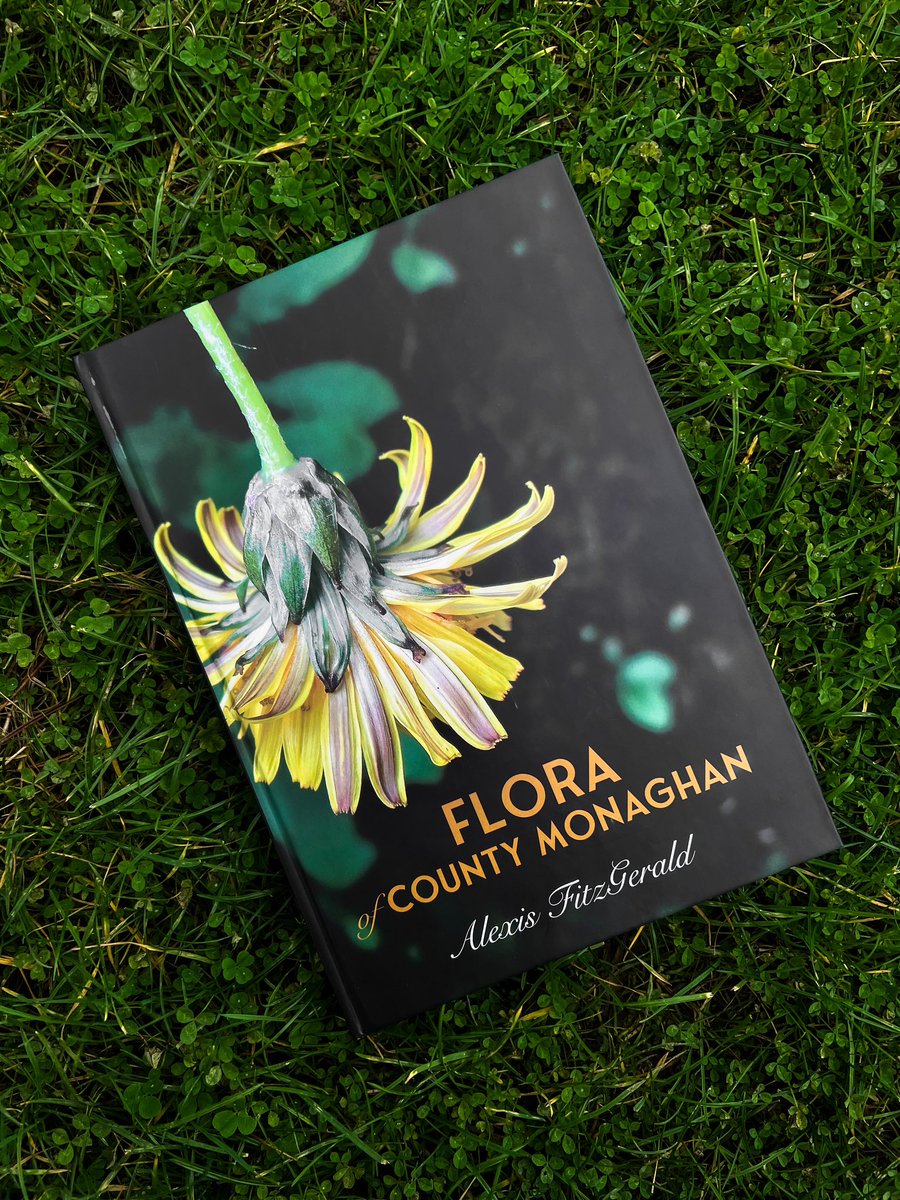
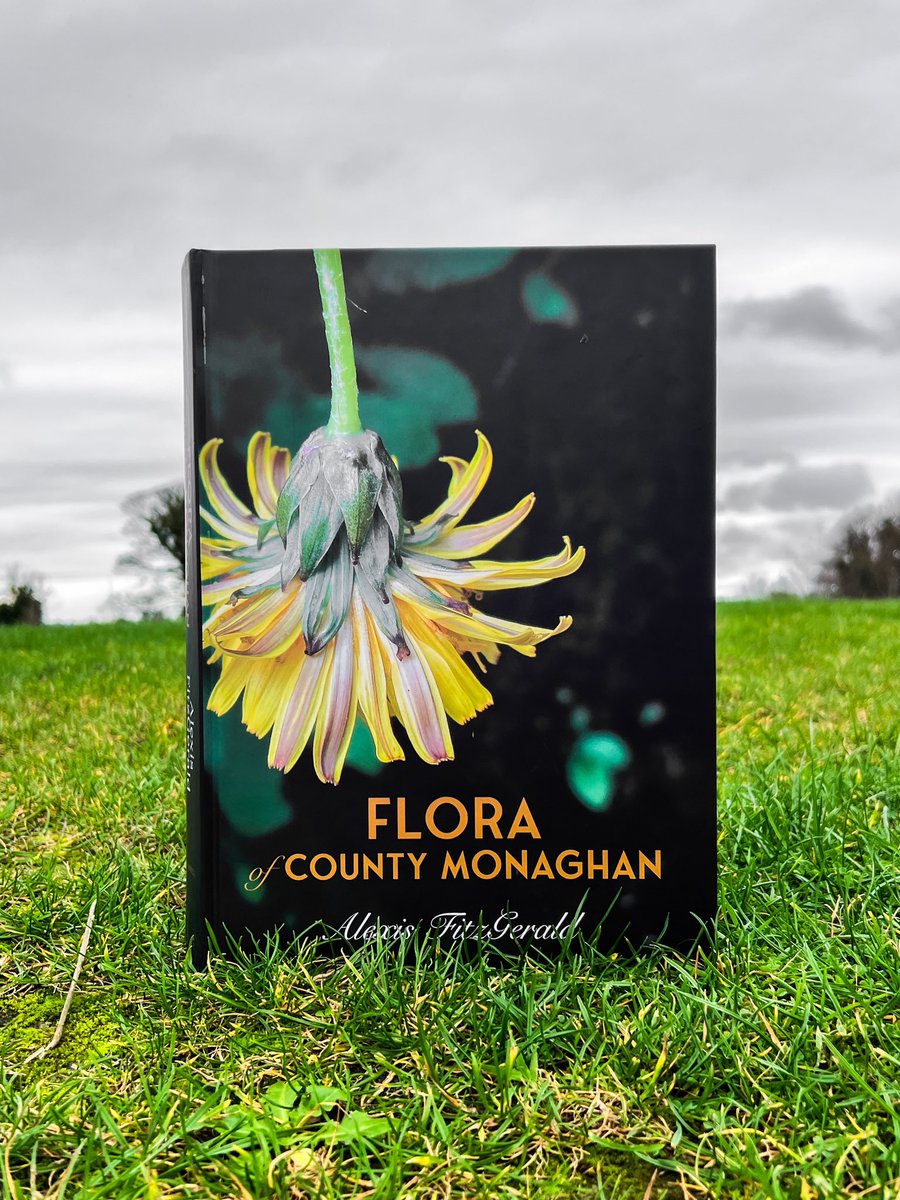
After almost 10 years of work, my first book has finally arrived, Flora of County Monaghan, published by Wordwell - with 310+ colour images and 7 intro chapters, there are over 1,200 species accounts included, all about the many plants that make or have made Monaghan their home
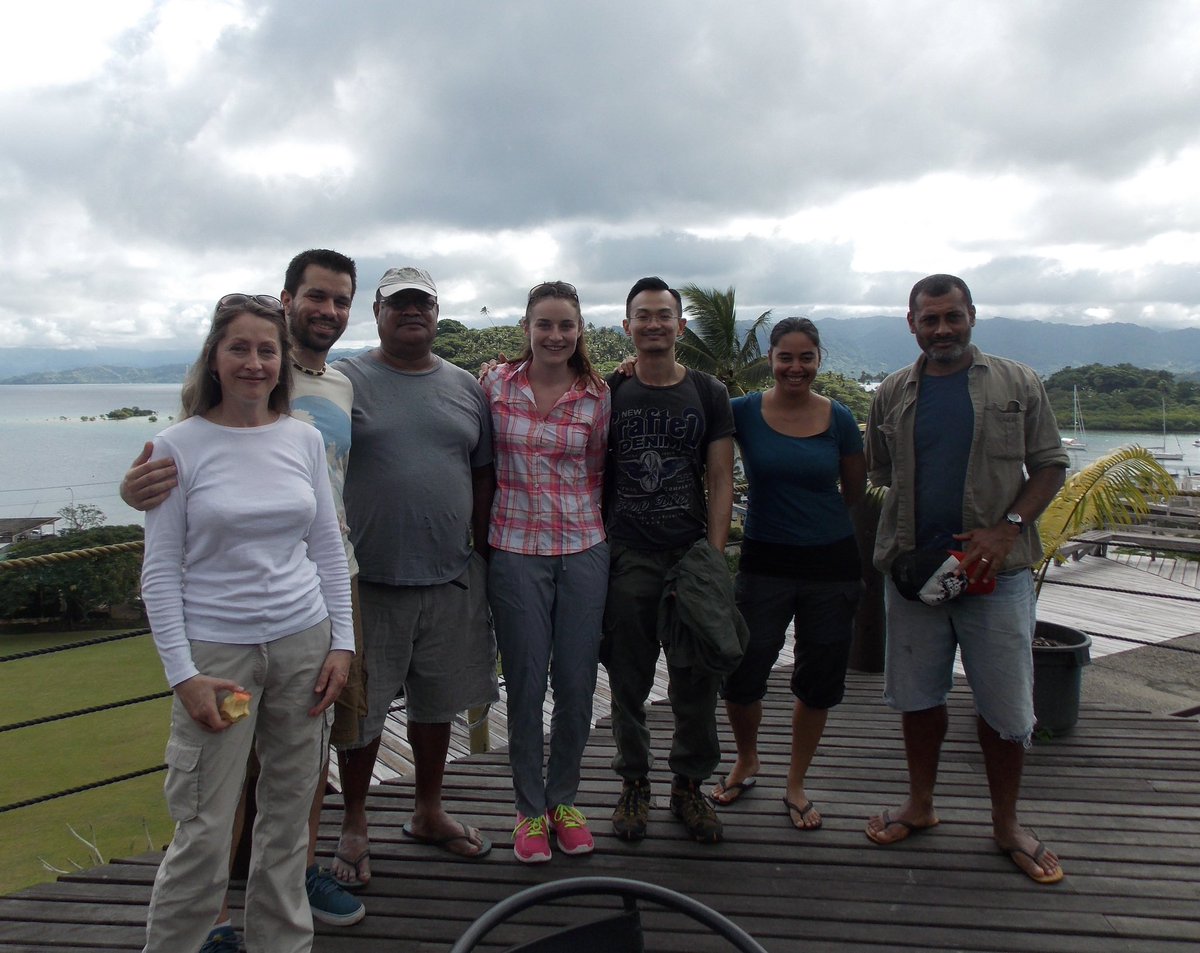
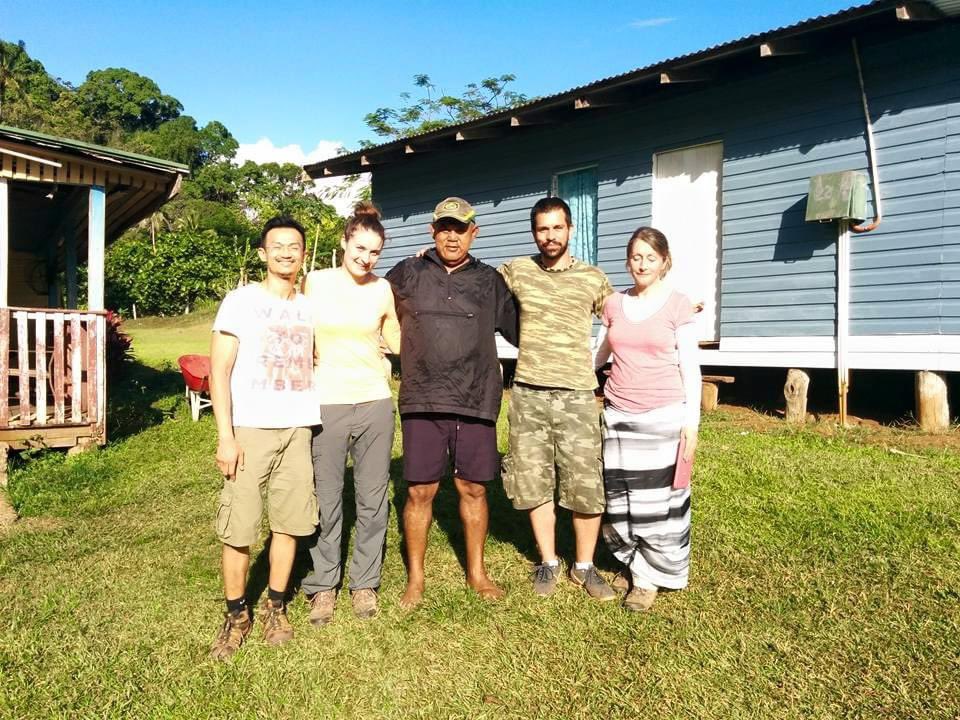
Our paper is the first to study the effect of rising CO2 on tree physiology in Fiji, a region vulnerable to climate change. We dedicate this work to the beautiful people and wonderful country of Fiji https://t.co/PY1qrlfDLJ @UniSouthPacific@DBNherbariumOPW@TCD_NatSci
Current issue of Biodiversity mag from @BioDataCentre has this gorgeous and informative image. If you have the space, why not plant a native hedgerow? Year-round food and shelter for our fauna friends.
Download from: https://t.co/Goj1PSDY3Q
New Editorial: "Synthetic moss" https://t.co/PgLPwu804b
Technological advances have demonstrated the possibility of chemical synthesis of a multicellular plant genome. What does this mean for humans and how should we prepare for this breakthrough?
Forget AI, here comes AM(oss).
Zostera marina (Eelgrass) is an increasingly rare site on the east coast of Ireland, but in parts of the west and south, you can sometimes find bucket-fulls washed up, such as here in West Cork - one of our few flowering plants adapted to a purely marine, saline aquatic life
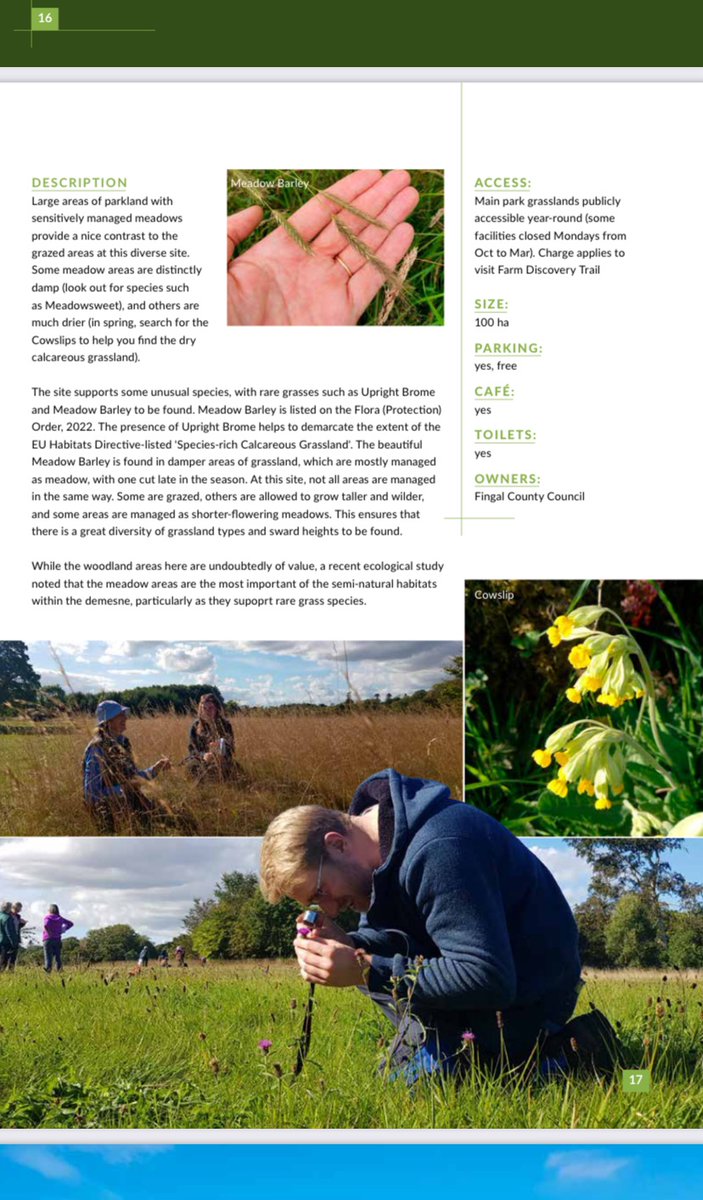
Somebody familiar has a cameo in the Newbridge Demesne account in this new ‘The Grasslands Trail’ document, which can be viewed for free here: https://t.co/hlYpjRPbcj @phoebeob1@murlong77 😁
Angiosperm flowers reached their highest morphological diversity early in their evolutionary history – a fascinating New Phytologist paper, with a press release: https://t.co/uAZUkJoZ5J
https://t.co/RoSYDdQmZE
PSA to universities:
When your PhD students can’t afford rent, groceries, healthcare, childcare and other essentials, something is very wrong.
We can’t expect students to succeed when they are struggling to cover basic living costs.
Provide more $ support and raise stipends now.
@OpenAcademics@ThePhDPlace@PhDVoice
#AcademicTwitter
#AcademicChatter
I’m looking forward to speaking tomorrow @NBGGlasnevinOPW about #trees in our past, present and future and what they tell us about climate change
& introducing our new Witness Tree Project @TCBotanicGarden
https://t.co/sxiQWfvOOe
Great paper:
https://t.co/mgqhrce0sD
Sounds like we're getting closer to reliably modelling drought impacts.
But the displayed P50 and HSM maps don't seem to be available for download. @NatureEcoEvo#OpenAccess#OpenScience










![Rainmaker1973's tweet photo. Scientists have mapped Earth’s vast underground fungal networks for the first time, revealing a staggering 68 quadrillion miles of fungal threads that help regulate the climate.
A groundbreaking new study estimates that arbuscular mycorrhizal fungi form an underground network stretching roughly 110 quadrillion kilometers (68 quadrillion miles), equivalent to nearly a billion times the distance from Earth to the Sun. These microscopic fungal threads create symbiotic relationships with over 70% of land plants, exchanging nutrients and water for carbon while locking away massive amounts of CO₂ in the soil.
The research, led by the Society for the Protection of Underground Networks (SPUN), used machine learning models trained on data from more than 16,000 global soil cores, combined with high-resolution robotic imaging of fungal hyphae.
However, these critical networks face a serious threat from modern industrial agriculture. Fungal density in croplands is nearly 50% lower than in undisturbed ecosystems, largely due to tilling, chemical fertilizers, and fungicides. This loss reduces the soil’s ability to store carbon, weakens nutrient cycling, and increases chemical runoff.
The findings underscore the urgent need to protect these hidden ecosystems. Researchers plan to present the data at the upcoming UN desertification summit to push for global conservation benchmarks.
[Stewart, J. D., et al. (2026). Global density and biomass of arbuscular mycorrhizal fungal networks. Science. DOI: 10.1126/science.adu4373]](https://pbs.twimg.com/media/HP1ePYsXcAA2-xK.jpg)