من نحن ؟
منظمة ثمر للبيئة والتنمية منظمة شبابية مستقلة وغير ربحية تأسست في دارفور وبنشتغل بإدارة شباب وشابات مؤمنين إنو التغيير ممكن ويبدأ من المجتمع .
شغلنا مركز على السلام، حماية البيئة، والتنمية المستدامة ،عشان نبني مجتمع أقوى وأكثر صمود .
#الشباب هم محور التغيير
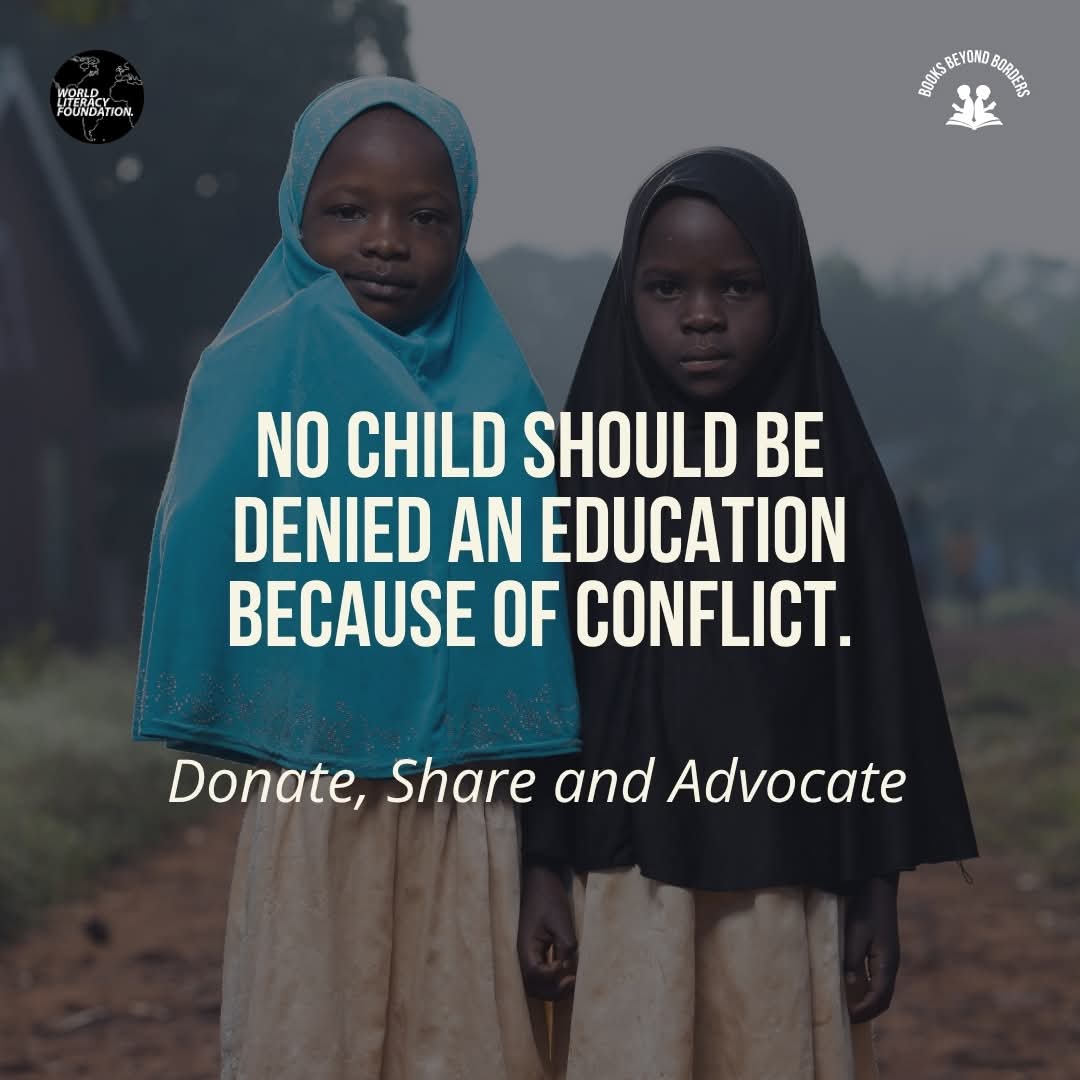
Every child deserves access to education, no matter their circumstances!
With your help, we can deliver literacy tools to children living in Internally Displaced Persons (IDP) camps.
Donate now: https://t.co/P5sjUdxrzY
#BooksBeyondBorders#WorldLiteracyFoundation#IDPCamps
Dear all,
I am happy to announce to you that I have been selected as an #Ambassador of the World Literacy Foundation (WLF).
I am joining the WLF Youth Ambassador Program 2025 on the worldwide mission to eradicate illiteracy.
#WLFAmbassador#WLFAmbassador
Applying that precedent, Sudan’s de facto authorities’ case is unlikely to succeed. Even if the Court finds that the RSF has committed genocide against the Masalit, establishing genocidal intent is extraordinarily difficult. Proving that the UAE knew of this intent, and provided support in a manner that contributed substantially to its realization, is even harder.
The materials submitted by Sudan’s illegitimate de facto authorities do not meet this legal threshold.
The Weaponization of Law
Sudan’s de facto authorities’ case illustrates the growing trend of using international legal forums not to pursue justice, but to advance political objectives. In this instance, the SAF seeks to delegitimize the RSF that it created—not by reckoning with its own legacy of violence, but by laundering its image through legal theater.
This is not a pursuit of justice. It is a calculated, cynical move in a broader geopolitical chess game. The SAF’s goal is to present itself to the international community as the legitimate sovereign, the responsible actor, and the victim of foreign meddling. It hopes to gain sympathy, recognition, and possibly military support—not for the sake of Sudan’s people, but to consolidate hold of its elites on power.
Fortunately, international law is not and could not be so easily manipulated. The fundamental principle of equity in common law: he who comes into equity must come with clean hands may not be formally codified in ICJ jurisprudence, but it resonates deeply with the spirit of justice. A military institution soaked in the blood of its own people cannot credibly stand as a petitioner before the world’s highest court.
Conclusion
The case of Sudan’s de facto authorities against the United Arab Emirates is a textbook example of legal hypocrisy. It underscores the perils of allowing deeply compromised actors to exploit international legal instruments for political gain. While the allegations of genocide against the Masalit warrant serious investigation, the messenger—Sudan’s military regime—fatally undermines the message.
In the end, the case is unlikely to survive jurisdictional scrutiny, let alone achieve a favorable ruling. It will also fail to serve its primary purpose: to create a narrative of victimhood, to mask the SAF’s own atrocities, and to distract from the urgent need for accountability across all sides of Sudan’s conflict.
True justice for Sudan’s people will not come from selective prosecutions or politically convenient accusations. It will come from a comprehensive, inclusive, and credible reckoning with the past—a reckoning that holds all perpetrators accountable, regardless of rank, affiliation, or diplomatic expediency.
* Nasredeen Abdulbari was a lecturer in the International and Comparative Law Department, University of Khartoum. He served as Sudan’s Minister of Justice from September 2019 through October 2021.
The Jurisdictional Wall: Article IX Reservation
The primary legal hurdle facing Sudan’s de facto authorities’ case is the ICJ’s jurisdiction—or more precisely, the lack thereof. The Genocide Convention grants the ICJ jurisdiction under Article IX for disputes “relating to the interpretation, application or fulfillment” of the Convention, but this clause is subject to reservations.
When the UAE acceded to the Convention, it entered a reservation excluding the Court’s jurisdiction under Article IX. This reservation is dispositive. The ICJ has consistently upheld such reservations as valid and binding. In cases such as Legality of Use of Force (Yugoslavia v. Spain and others) and DRC v. Rwanda, the Court declined jurisdiction where respondent states had made similar reservations—even in the face of grave allegations.
Sudan’s de facto authorities’ application acknowledges the UAE’s reservation, but fails to provide a persuasive legal basis for overcoming it. There is no special agreement between the parties, no compromissory clause in another treaty, and no alternative legal foundation cited. Sudan’s de facto authorities’ omission is telling, suggesting that the case is not designed to win in court, but to serve political optics.
The ICJ is likely to decline jurisdiction, potentially at the provisional measures stage. If so, Sudan’s de facto authorities’ case will be struck from the General List, ending what appears to be more a performative exercise than a genuine legal effort.
A Morally Bankrupt Accuser
The greatest paradox of this case is not legal, but moral. The SAF—an institution implicated in more atrocities than almost any other African army—now claims to be a champion of human rights and the protector of the Masalit people.
Let us recall that during the height of the Darfur genocide in 2003–2004, it was the SAF and its Janjaweed auxiliaries, led by Musa Hilal, who still receives support from the SAF today, that led the campaign of genocide and terror against the Masalit, Fur, and Zaghawa ethnic groups. Villages were razed (including that of my father) by SAF fighter jets. Civilians were executed, women raped, and millions of populations displaced—often under direct SAF supervision and aerial bombardment
In the Nuba Mountains, the SAF for forty years has launched indiscriminate air strikes, starved civilian populations, and targeted communities based on religion and ethnicity. In South Sudan, the SAF’s brutal counterinsurgency tactics killed or contributed to the killing of about three millions. Across Sudan’s peripheries, the SAF has long treated civilians not as citizens, but as enemies to be pacified or destroyed.
For such a force to now stand before the ICJ and speak the language of genocide and human rights is a grotesque distortion of justice. It is akin to an arsonist calling the fire department to report a blaze he himself ignited.
Genocide and State Responsibility: High Thresholds
Even if the jurisdictional barrier were somehow overcome—a scenario that is highly improbable—the substantive hurdles would remain formidable. Under international law, establishing genocide requires proof of specific intent (dolus specialis) to destroy, in whole or in part, a protected group. Complicity requires knowledge of this intent and assistance that has a substantial effect on the commission of the crime.
In Bosnia v. Serbia, the ICJ adopted a stringent standard of proof. The applicant had to demonstrate not only the commission of genocidal acts, but the specific intent behind them, and the accused state’s knowledge and role in facilitating those acts.
Sudan’s De Facto Authorities’ Case against the United Arab Emirates: The Hypocrisy of a Genocidal Institution
By Nasredeen Abdulbari*
On March 5, 2025, the de facto authorities of Sudan filed an application against the United Arab Emirates (UAE) before the International Court of Justice (ICJ), alleging that the UAE violated its obligations under the Genocide Convention by providing sustained military and financial support to the Rapid Support Forces (RSF). In the case, Sudan—de facto represented on the international stage by the Sudanese Armed Forces (SAF) or state institutions it illegitimately controls—claims that this support facilitated a campaign of genocide against the Masalit ethnic group in West Darfur. The UAE dismissed the filing as a publicity stunt and announced it would seek the immediate dismissal of the case, stating that the allegations “lack any legal or factual basis,” according to a statement from an Emirati official sent to Reuters.
While the case marks a notable invocation of international legal mechanisms, it is riddled with legal, political, and moral contradictions. Beyond the likely insurmountable jurisdictional hurdles, the case exposes the deeply cynical attempt by the SAF to rehabilitate its image by masquerading as a defender of human rights. The very institution that has presided over seven decades of mass killings, ethnic cleansing, genocides, and state-sanctioned terror now seeks to recast itself as a custodian of international law—a transformation that is both grotesque and politically motivated.
A Case Laden with Contradictions
Sudan’s de facto authorities’ application to the ICJ is significant in that it ostensibly seeks to engage an international legal mechanism rather than resort to the use of force—regardless of its military capabilities—as a means of addressing disputes in international relations. However, the identity of the applicant—an illegitimate military regime dominated by the SAF—renders the case morally bankrupt. It is difficult to imagine a more egregious example of hypocrisy: a genocidal institution invoking the Genocide Convention to advance its own political objectives.
This is the same SAF that orchestrated or facilitated genocides and mass atrocities in South Sudan, Darfur, the Nuba Mountains, and Blue Nile. It is the same institution that receives drones and other forms of military support from Iran and other countries and carries out atrocities in Darfur and other parts of Sudan. The same institution and state that dismissed international human rights mechanisms as biased and politicized now seek refuge in the very international legal order they have long despised and defied. The irony is staggering, and the political motivations are conspicuous.
The Legal Basis: Unprecedented but Weak
Sudan’s de facto authorities’ application rests on the accusation that the UAE knowingly and materially supported a genocidal campaign by the RSF against the Masalit people. The allegations include the provision of weapons, ammunition, drones, and financial transfers routed through intermediaries—even after credible documentation of atrocities had emerged. Sudan’s de facto authorities claim that such support constitutes a breach of the UAE’s obligations under the Genocide Convention, particularly its duty not to aid or abet the commission of genocide.
To bolster its case, Sudan’s illegitimate military authorities have submitted a range of evidence, including reports from international human rights organizations detailing atrocities by the RSF; satellite imagery documenting scorched-earth tactics and village destruction in Darfur; and witness testimonies describing targeted killings and ethnically motivated violence.
Sudan’s de facto authorities have also requested the indication of provisional measures, urging the Court to order the UAE to halt all support to the RSF, protect civilians—especially the Masalit—and preserve evidence of the alleged crimes.
الخاتمة
تشكل قضية سلطات الأمر الواقع السودانية ضد الإمارات العربية المتحدة مثالاً صارخاً على النفاق القانوني. وهي تسلط الضوء على مخاطر السماح لجهات ملوثة بماضيها أن تستغل أدوات القانون الدولي لتحقيق مكاسب سياسية. ورغم أن مزاعم الإبادة ضد المساليت تستحق التحقيق الجاد، إلا أن الجهة التي طرحتها، وهي النظام العسكري السوداني، تقوّض مصداقية الادعاءات من أساسها.
وفي نهاية المطاف، من غير المرجح أن تتجاوز القضية عقبة الاختصاص بنجاح، ناهيك عن أن تحقق حكماً لصالح سلطات الأمر الواقع السودانية. كما أنها ستفشل في تحقيق هدفها الأساسي: خلق رواية عن الضحايا، والتستر على فظائع القوات المسلحة، وصرف الأنظار عن الحاجة الملحة إلى المحاسبة الشاملة لجميع أطراف النزاع السوداني.
إن العدالة الحقيقية لشعوب السودان المضيمة لن تتحقق من خلال محاكمات انتقائية أو اتهامات انتقائية لأغراض سياسية. بل ستتحقق فقط من خلال عملية شاملة، جامعة، وذات مصداقية لمواجهة الماضي—عملية تُحاسب فيها كل الأطراف على جرائمها، بصرف النظر عن رتبهم، أو انتماءاتهم، أو الملاءمة الدبلوماسية.
نصرالدين عبدالباري محاضر سابق بقسم القانون الدولي والمقارن، وقد شغل منصب وزير العدل في السودان في الفترة من سبتمبر 2019 ألى أكتوبر 2021.
من المرجح أن ترفض المحكمة الدعوى لعدم الاختصاص، ربما في مرحلة التدابير المؤقتة. وإذا حدث ذلك، فستنتهي القضية بحذفها من قائمة المحكمة العامة، ما يكشف عن طابعها الاستعراضي أكثر من كونها محاولة قانونية جادة.
مدّعٍ عديم الأخلاق
المفارقة الأكبر في هذه القضية ليست قانونية، بل أخلاقية. إذ تزعم القوات المسلحة السودانية—المسؤولة عن عدد من الفظائع يفوق ما ارتكبته معظم الجيوش في إفريقيا—أنها مدافعة عن حقوق الإنسان وحامية لشعب المساليت.
دعونا نتذكر أنه خلال ذروة الإبادة الجماعية في دارفور بين عامي 2003 و2004، كانت القوات المسلحة السودانية وميليشيات الجنجويد المتحالفة معها بقيادة موسى هلال، الذي لا يزال يتلقى دعماً من القوات المسلحة حتى اليوم، هي التي قادت حملة القتل والإرهاب ضد المساليت والفور والزغاوة. وقد تم قصف القرى (بما في ذلك قرية والدي) من قبل طائرات القوات المسلحة الحربية، وتم إعدام المدنيين واغتصاب النساء وتشريد الملايين، غالباً تحت إشراف مباشر من القوات المسلحة أو عبر قصفها الجوي.
وفي جبال النوبة، ظلت القوات المسلحة السودانية على مدى أربعين عاماً تشن غارات جوية عشوائية، وجوّعت السكان المدنيين، واستهدفت المجتمعات على أساس ديني وإثني. وفي جنوب السودان، أدت حملاتها المضادة للتمرد إلى مقتل أو المساهمة في مقتل نحو ثلاثة ملايين إنسان. وفي هوامش السودان كافة، لطالما تعاملت القوات المسلحة مع المدنيين لا كمواطنين، بل كأعداء يجب إخضاعهم أو إبادتهم.
لذلك، فإن وقوف مثل هذه المؤسسة أمام المحكمة الدولية متحدثة بلغة حقوق الإنسان والإبادة الجماعية يُعد تشويهاً بشعاً للعدالة. إنه أشبه برجل أشعل الحريق بنفسه، ثم اتصل بالإطفاء طالباً النجدة.
الإبادة الجماعية ومسؤولية الدولة: معايير عالية للإثبات
حتى في حال تمكّن سلطات الأمر الواقع السودانية من تجاوز عقبة الاختصاص—وهو أمر غير محتمل—فإن الحواجز الموضوعية تبقى ضخمة. إذ يتطلب القانون الدولي إثبات وجود نية خاصة (dolus specialis) لتدمير جماعة محمية، كلياً أو جزئياً، لاعتبار الفعل إبادة جماعية. أما التواطؤ، فيستلزم إثبات علم الدولة بالنية، وتقديم دعم له تأثير كبير في تنفيذ الجريمة.
ففي قضية البوسنة ضد صربيا، اعتمدت المحكمة معياراً صارماً للإثبات. فقد كان على الدولة المدعية إثبات وقوع أفعال إبادة جماعية، ووجود النية الخاصة، ومعرفة الدولة المتهمة بهذه النية، ودورها في تسهيل تنفيذها.
وبالاستناد إلى هذا السوابق، فإن نجاح السودان في هذه القضية يبدو مستبعداً. حتى لو قررت المحكمة أن قوات الدعم السريع ارتكبت إبادة جماعية ضد المساليت، فإن إثبات النية الخاصة أمر بالغ الصعوبة. أما إثبات علم الإمارات بهذه النية، وأن دعمها المزعوم ساهم بشكل كبير في تنفيذ الجريمة، فذلك أمر أكثر صعوبة.
إن المواد التي قدمتها سلطات الأمر الواقع السودانية غير الشرعية لا ترقى إلى مستوى الإثبات القانوني المطلوب.
استخدام القانون كسلاح
تُظهر هذه القضية الاتجاه المتزايد نحو استخدام المنابر القانونية الدولية ليس لتحقيق العدالة، بل لتعزيز أهداف سياسية. ففي هذه الحالة، تسعى القوات المسلحة السودانية إلى نزع الشرعية عن قوات الدعم السريع، التي أنشأتها هي ذاتها—ليس من خلال الاعتراف بجرائمها هي، بل عبر غسل صورتها من خلال مسرحية قانونية.
هذا ليس سعياً من أجل العدالة، بل مناورة محسوبة ضمن لعبة شطرنج جيوسياسية أوسع. إذ تسعى القوات المسلحة إلى تقديم نفسها للمجتمع الدولي باعتبارها السلطة الشرعية، والفاعل المسؤول، وضحية التدخلات الخارجية. وتأمل في كسب التعاطف والاعتراف وربما الدعم العسكري—ليس من أجل شعوب السودان، بل لتعزيز قبضة نخبها على السلطة.
لحسن الحظ، فإن القانون الدولي لا يمكن التلاعب به بهذه البساطة. فالمبدأ الجوهري في القانون الإنجليزي: "من يطلب الإنصاف يجب أن يأتي بيد نظيفة" قد لا يكون منصوصاً عليه في أحكام محكمة العدل الدولية، لكنه يتناغم بعمق مع روح العدالة. فلا يمكن لمؤسسة عسكرية ملطخة بدماء مواطنيها أن تمثل المدّعي أمام أعلى محكمة في العالم.
سلطات الأمر الواقع السودانية ضد الإمارات العربية المتحدة: نفاق مؤسسة إبادة جماعية
بقلم نصرالدين عبدالباري
في الخامس من مارس 2025، تقدمت سلطات الأمر الواقع السودانية بطلب ضد دولة الإمارات العربية المتحدة أمام محكمة العدل الدولية، متهمةً إياها بانتهاك التزاماتها بموجب اتفاقية منع جريمة الإبادة الجماعية والمعاقبة عليها، وذلك من خلال تقديم دعم عسكري ومالي مستمر لقوات الدعم السريع. ويزعم السودان—الذي تمثله بحكم الأمر الواقع القوات المسلحة السودانية أو مؤسسات الدولة التي تسيطر عليها القوات المسلحة السودانية بصورة غير شرعية—أن هذا الدعم ساهم في حملة إبادة جماعية ضد إثنية المساليت في غرب دارفور.
ورغم أن هذه القضية تمثل سابقة بارزة في اللجوء إلى الآليات القانونية الدولية، إلا أنها مليئة بالتناقضات القانونية والسياسية والأخلاقية. فالإضافة إلى العوائق المتعلقة بالاختصاص، والتي يصعب تجاوزها، تكشف هذه القضية عن محاولة ساخرة بامتياز من قبل القوات المسلحة السودانية لتلميع صورتها من خلال التظاهر بأنها تدافع عن حقوق الإنسان. إن المؤسسة ذاتها التي أشرفت على سبعة عقود من القتل الجماعي والتطهير العرقي والإبادة الجماعية والإرهاب الذي ترعاه الدولة، تسعى اليوم إلى إعادة تقديم نفسها كحامية للقانون الدولي—وهو تحول فج ومغرض سياسياً.
قضية مليئة بالتناقضات
إن لجوء سلطات الأمر الواقع السودانية إلى محكمة العدل الدولية يحمل في طياته أهمية رمزية، حيث يشير ظاهرياً إلى رغبة في تسوية النزاعات عبر الوسائل القانونية الدولية بدلاً من استخدام القوة—بغض النظر عن عن القدرات العسكرية. لكن هوية الجهة التي رفعت القضية—نظام عسكري غير شرعي تهيمن عليه القوات المسلحة السودانية—تجعلها منعدمة القيمة من الناحية الأخلاقية. من الصعب تصور مثال أكثر فجاجة للنفاق: مؤسسة ارتكبت الإبادة الجماعية تلو الأخرى تتحدث الآن باسم ضحايا الإبادة.
هذه هي نفس القوات المسلحة السودانية التي ارتكبت أو ساهمت في ارتكاب فظائع جماعية في جنوب السودان ودارفور وجبال النوبة والنيل الأزرق. وهي ذات المؤسسة والدولة التي كانت ترفض آليات حقوق الإنسان الدولية بوصفها منحازة ومسيّسة، لكنها اليوم تلجأ إلى نفس النظام القانوني الدولي، الذي طالما ازدرته وانتهكته. إن التناقض صارخ والدوافع السياسية واضحة وضوح الشمس في رابعة النهار.
الأساس القانوني: غير مسبوق لكنه ضعيف
تستند الدعوى، التي رفعتها سلطات الأمر الواقع السودانية، إلى اتهام الإمارات بتقديم دعم مادي ومعنوي لحملة إبادة جماعية تزعم السلطات أن قوات الدعم السريع نفذتها ضد شعب المساليت. وتشمل الاتهامات تزويد القوات بالأسلحة والذخائر والطائرات المسيّرة وتحويلات مالية عبر وسطاء، وذلك رغم ظهور تقارير موثوقة توثق ارتكاب فظائع، وفقاً لزعم هذه السلطات. وتدعي سلطات الأمر الواقع السودانية أن هذا الدعم يشكل خرقاً لالتزامات الإمارات بموجب اتفاقية الإبادة الجماعية، لا سيما التزامها بعدم المساعدة أو التواطؤ في ارتكاب جريمة الإبادة.
ولتعزيز موقفها، قدمت سلطات الأمر الواقع السودانية طائفة من الأدلة، بما في ذلك تقارير لمنظمات حقوق إنسان دولية توثق فظائع تزعم أن قوات الدعم السريع قد ارتكبتها، وصور أقمار صناعية تظهر تكتيكات الأرض المحروقة وتدمير القرى في دارفور، وشهادات شهود عيان تصف عمليات قتل جماعي وعنفاً ذا دوافع إثنية.
وطلبت سلطات الأمر الواقع السودانية كذلك إصدار تدابير مؤقتة، تحث المحكمة على مطالبة الإمارات بوقف كل أشكال الدعم المزعوم لقوات الدعم السريع، وحماية المدنيين—خاصة المساليت—والحفاظ على الأدلة المتعلقة بالجرائم المزعومة.
الجدار القضائي: تحفظ المادة التاسعة
إن العقبة القانونية الأساسية التي تواجه الدعوى السودانية تتمثل في اختصاص محكمة العدل الدولية—أو بالأحرى غياب هذا الاختصاص. إذ تمنح المادة التاسعة من اتفاقية الإبادة الجماعية المحكمة اختصاصاً بالنظر في النزاعات المتعلقة بتفسير الاتفاقية أو تطبيقها أو تنفيذها، لكن هذه المادة خاضعة للتحفظات.
وعند انضمامها إلى الاتفاقية، أبدت الإمارات تحفظاً يستثني اختصاص المحكمة بموجب المادة التاسعة. وهذا التحفظ حاسم. فقد أقرت المحكمة مراراً وتكراراً بصحة مثل هذه التحفظات واعتبرتها ملزمة، كما في قضايا مثل شرعية استخدام القوة (يوغوسلافيا ضد إسبانيا وآخرين) والكونغو الديمقراطية ضد رواندا.
وتقر سلطات الأمر الواقع السودانية في طلبها بوجود هذا التحفظ، لكنها تفشل في تقديم أساس قانوني مقنع لتجاوزه. فلا يوجد اتفاق خاص بين الطرفين، ولا توجد مادة في اتفاقية أخرى تمنح المحكمة الاختصاص، ولم يُستند إلى أي أساس قانوني بديل. هذا الغياب في حد ذاته دلالة على أن القضية لم تُصمم لتحقيق نصر قضائي، بل لتحقيق مكاسب سياسية.
وين رجال الدين الذين يبكون في المنابر خوفا علي الدين؟
أين من يخرجون في المظاهرات دفاعا عن غزة و ينسون أهلنا في الهامش وهم ينتهكون من قبل جيشهم؟
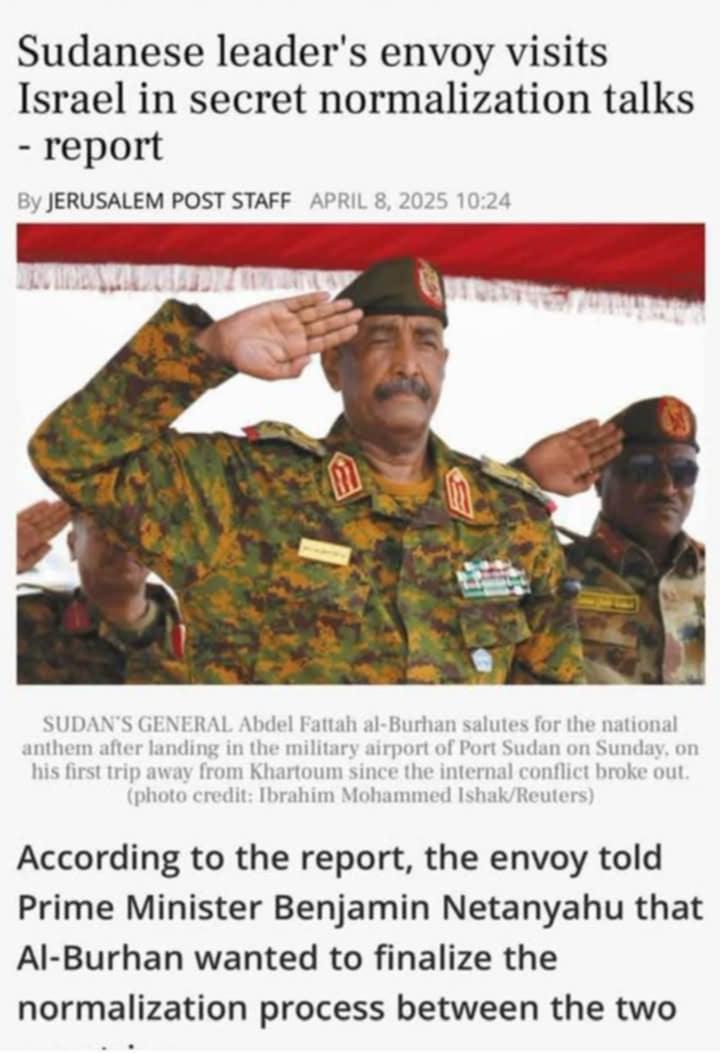
أتخيل بس انو القحاتة عملوا الحركة دي؟
عشان تعرف النفاق والتضليل.
نتلاقي بعدين في بث مباشر حول المستجدات السياسية.
#مع_عزام
Minister of Information and government spokesperson Michael Makuei Lueth has stated that there are no Ugandan forces in Juba, following reports of their deployment.
المنسقية العامة لمعسكرات النازحين واللاجئين - السودان
بيان حول الجريمة البشعة التي إرتكبتها قوات الدعم السريع بحق النازحين في معسكر زمزم
12 فبراير 2025
في جريمة وحشية تضاف إلى سجل الجرائم الدموية التي ترتكبها قوات الدعم السريع بحق الأبرياء، تعرض معسكر زمزم للنازحين