🧵 The Umayyads in Horn of Africa
Umayyads conquest/occupation of Dahlak islands, Horn of Africa off the coast of Axumite. Which lies in Modern day Eritrea, many years after the 702 CE conquest, Umayyad influence expanded through two distinct strategies across the region:
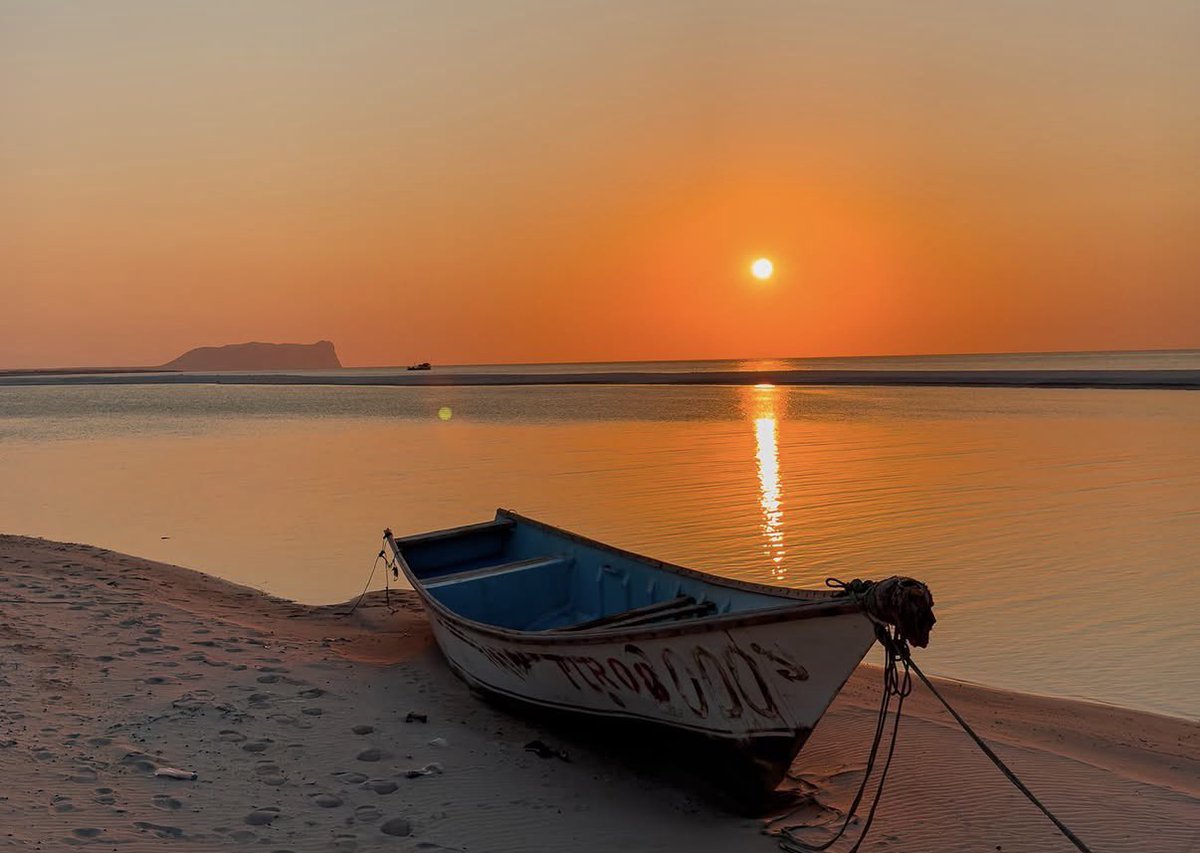
Omar Aga, the Ottoman governor of Massawa, appointed by the Sherif of Mecca and Naib Idris, sent a letter to the Damoheita Afar chiefs ordering them to kill the Majeerteen merchant and wakiil, Yunus Buraale, because of his trade activities in the Red Sea [1809]
A 200 year old Islamic manuscript written by Sheikh Ali Abokor Raage from Buruc
Sheikh Ali Abokor studied under Imam Muhamad al-Shawkani in Yemen during the late 1700s. He returned to Buruc in the early 1800s, where he taught many Somali students, most notably Haji Ali Majerten
The Harti Siwaaqroon founders of Kismayo
“The Harti were the founders of Kismayo, which did not exist before 1870; they settled there to create a good market”
Source:
[1]Rassegna italiana politica letteraria e artisticaprior to the Harti creating pp
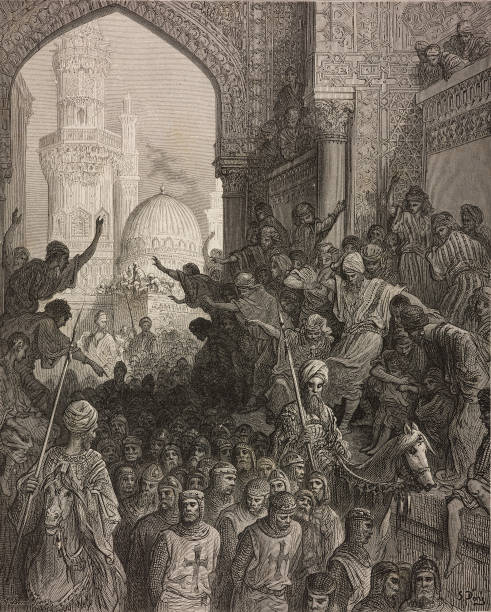
🧵 Thread: The Jabarti scholar from Zeyla, Somali Peninsula brought down a Frankish crusader spy in 1400s Cairo.
Abd al-Salam al-Harq al-Jabarti. He was state diplomat and a secretary for the Mamluk Sultan al-Mu'yyad.
⬇️
Abbasid historian & Geographer Al-Masūdi (d.985) mentioning the sailors departing from Oman to Gulf of Aden & Indian Ocean, sailing through the coast of Ras Hafun, Northern Somali Peninsula, it was so terrifying that they started to make supplication to Allah SWT
He said:
What happened in Baidoa today has no heroes.
A rushed election was held to preserve political self-interest, resulting in compromised outcomes. Federal troops were deployed not on constitutional principle but in response to a breakdown in personal loyalty. This is not an anomaly in Somalia’s federal system. It is the system working exactly as its structural flaws have always guaranteed it would.
The federal project in Somalia was built on personal allegiance rather than institutional foundations. When that allegiance held, the absence of functioning institutions was tolerable. When it broke, as it has now broken in South West State, there was nothing else to stand on. No Constitutional Court to adjudicate the dispute. No genuine independent electoral commission to validate or invalidate the process. No agreed framework for what happens when a Federal Member State (FMS) and the Federal Government reach an irreconcilable disagreement. Just competing claims, and ultimately, force.
The consequences are serious and should be stated plainly. Every remaining FMS administration is today asking the same question: if the Federal Government will deploy troops to resolve a political dispute it cannot win through legitimate means, what protection does any FMS have against the same fate? That question - unanswered, unanswerable under the current framework - is more destabilising than anything that happened in Baidoa today. It transforms what should be a federal partnership into a conditional arrangement, revocable at will from the centre.
The deeper design flaw is this: Somalia’s federal architecture was never completed. The Constitutional Court mandated in 2012 was never established. The electoral commission, which should have been independent, became an instrument of the ruling party. These are not administrative oversights. They are the load-bearing walls that were never built, and what collapsed in Baidoa today is the structure that depended on them.
This crisis will not be resolved by determining who was more wrong. It will only be resolved by building what was never built - the institutions that make this kind of confrontation unnecessary. A Constitutional Court. A truly independent electoral commission. A federal compact that all sides recognise because all sides shaped it. Until those institutions are built, Somalia will continue to reproduce these crises with different actors and in different locations. The names and locales may change, but ultimately the same structural issues will persist.


![PuntlandVault's tweet photo. Omar Aga, the Ottoman governor of Massawa, appointed by the Sherif of Mecca and Naib Idris, sent a letter to the Damoheita Afar chiefs ordering them to kill the Majeerteen merchant and wakiil, Yunus Buraale, because of his trade activities in the Red Sea [1809] https://t.co/5v9tMYWqRP](https://pbs.twimg.com/media/HKUmesjWUAAsHbA.jpg)


![PuntlandVault's tweet photo. The Harti Siwaaqroon founders of Kismayo
“The Harti were the founders of Kismayo, which did not exist before 1870; they settled there to create a good market”
Source:
[1]Rassegna italiana politica letteraria e artisticaprior to the Harti creating pp https://t.co/jufytO922M](https://pbs.twimg.com/media/HIOG7vHWoAAGyxS.jpg)


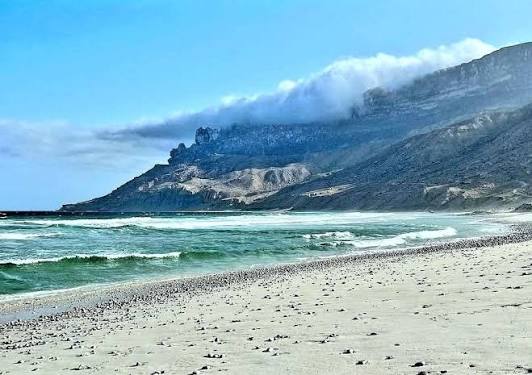
![PuntlandVault's tweet photo. Majeerteen Somali pirates chase Yemeni Socotran fishermen, then attack and briefly occupy the main island of Socotra [1899] https://t.co/07DlKYWg9N](https://pbs.twimg.com/media/HG8C4KCWoAA1qA8.jpg)


![PuntlandVault's tweet photo. Omar Aga, the Ottoman governor of Massawa, appointed by the Sherif of Mecca and Naib Idris, sent a letter to the Damoheita Afar chiefs ordering them to kill the Majeerteen merchant and wakiil, Yunus Buraale, because of his trade activities in the Red Sea [1809] https://t.co/5v9tMYWqRP](https://pbs.twimg.com/media/HKUme6MXIAAovhM.jpg)


![PuntlandVault's tweet photo. The Harti Siwaaqroon founders of Kismayo
“The Harti were the founders of Kismayo, which did not exist before 1870; they settled there to create a good market”
Source:
[1]Rassegna italiana politica letteraria e artisticaprior to the Harti creating pp https://t.co/jufytO922M](https://pbs.twimg.com/media/HIOG7yVXsAAYclD.jpg)


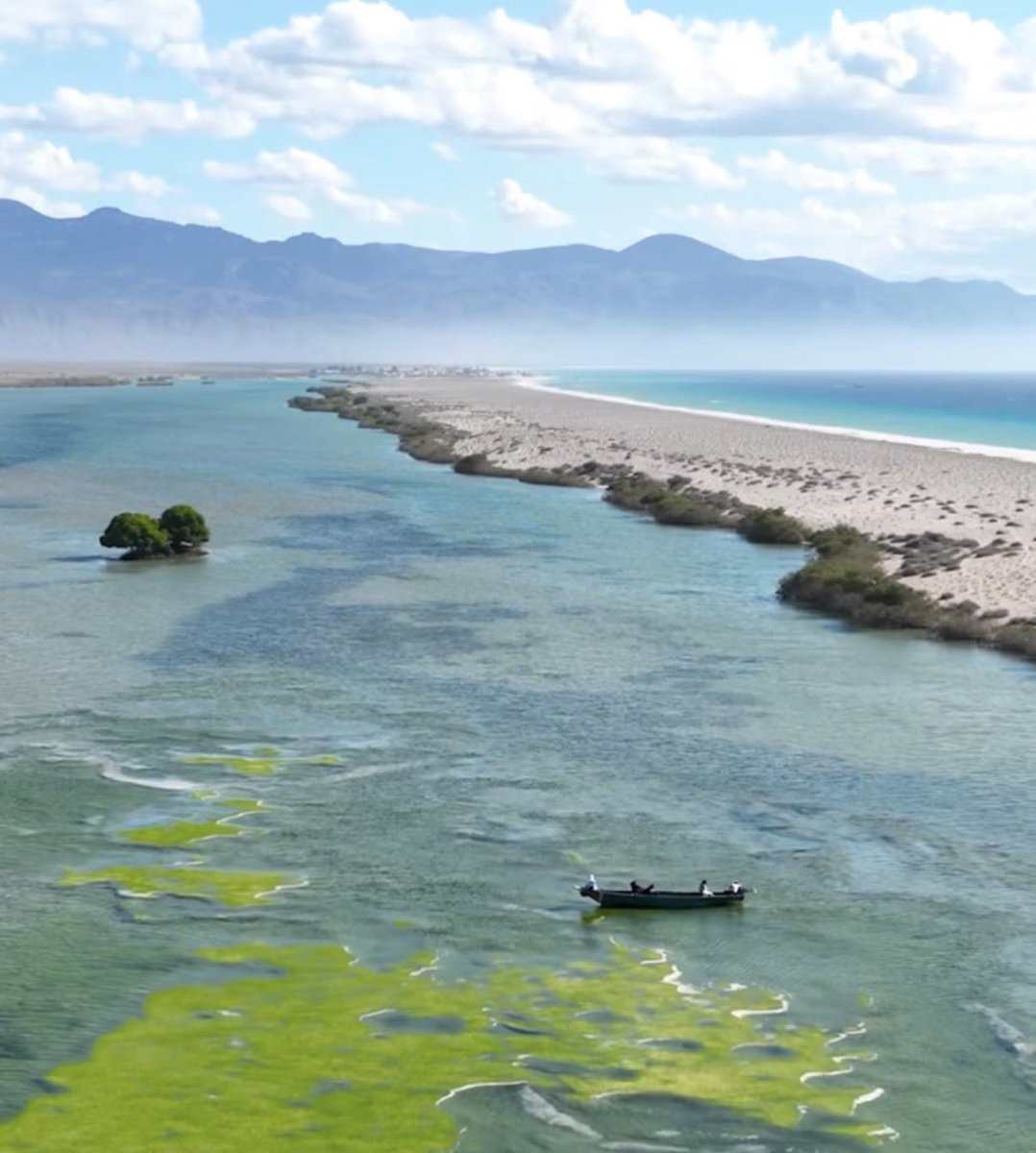
![PuntlandVault's tweet photo. Majeerteen Somali pirates chase Yemeni Socotran fishermen, then attack and briefly occupy the main island of Socotra [1899] https://t.co/07DlKYWg9N](https://pbs.twimg.com/media/HG8C4O9aUAEMzkT.jpg)

![PuntlandVault's tweet photo. Horsemen of the Hobyo Sultanate[1924] https://t.co/7FgPty3cSG](https://pbs.twimg.com/media/HEGfejiWoAAIJS1.jpg)


