Shanxi Museum -- One of the most prestigious museum in China with collections more than 3000 years history and categories ranging from bronze to papercut.
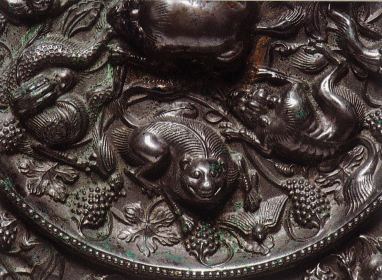
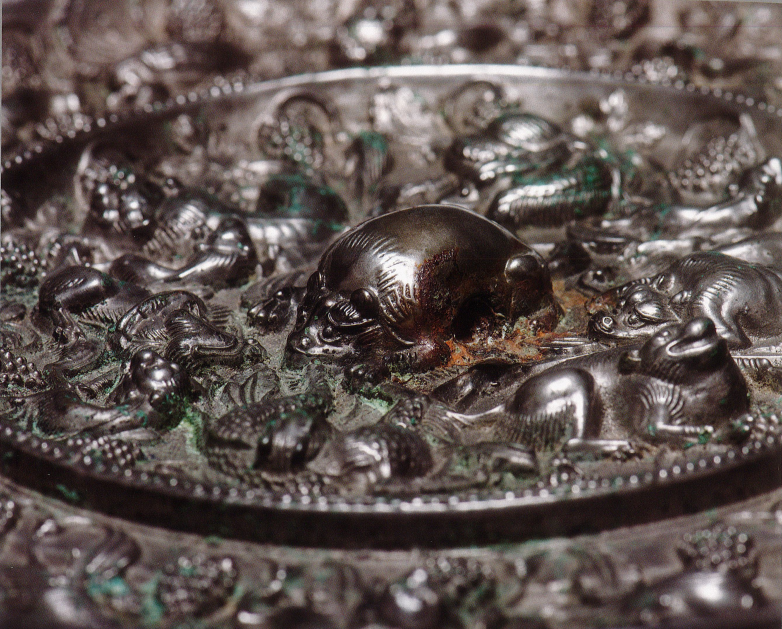
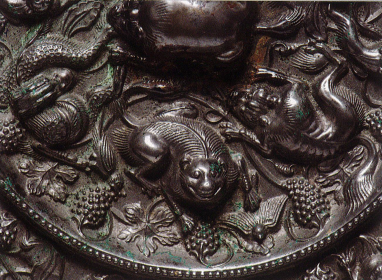
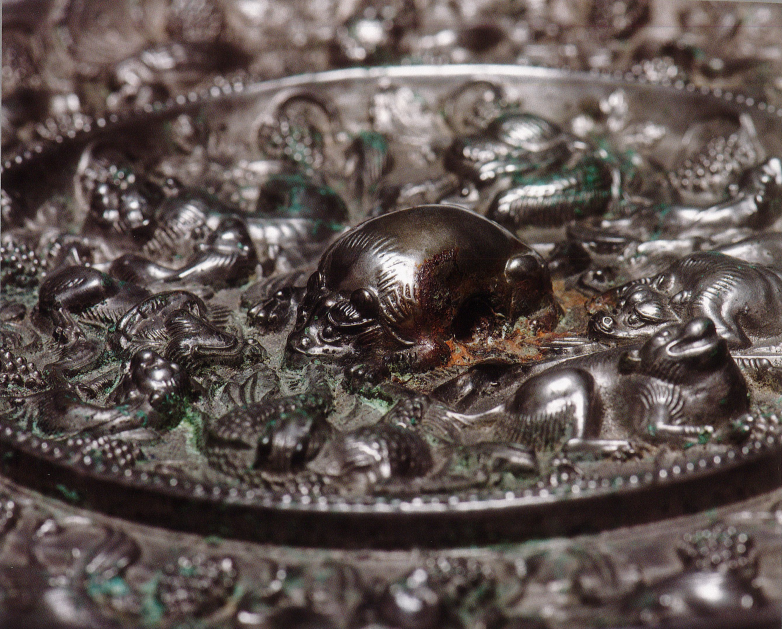
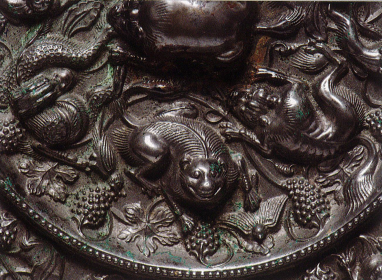
The beast on the mirror may be the lion or the other animals form abroad.
Lions were regarded as beasts to ward off evil spirits in ancient time, they usually stood in front of the gates of houses.
#culture#History#mirror#AncientChina
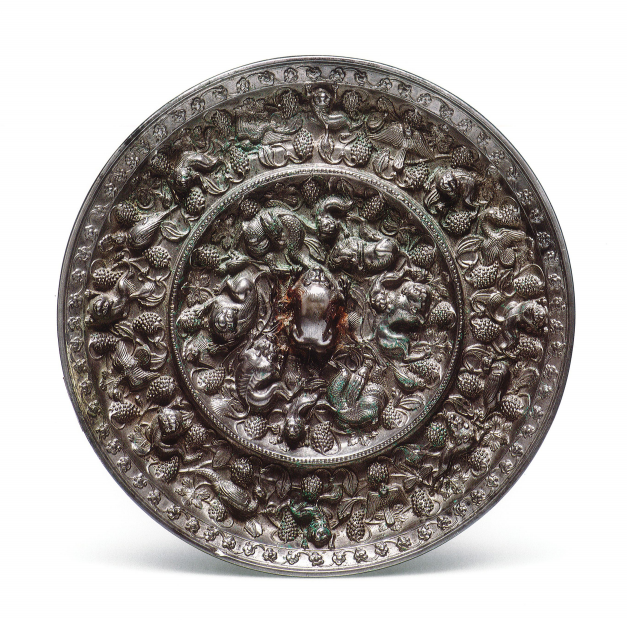
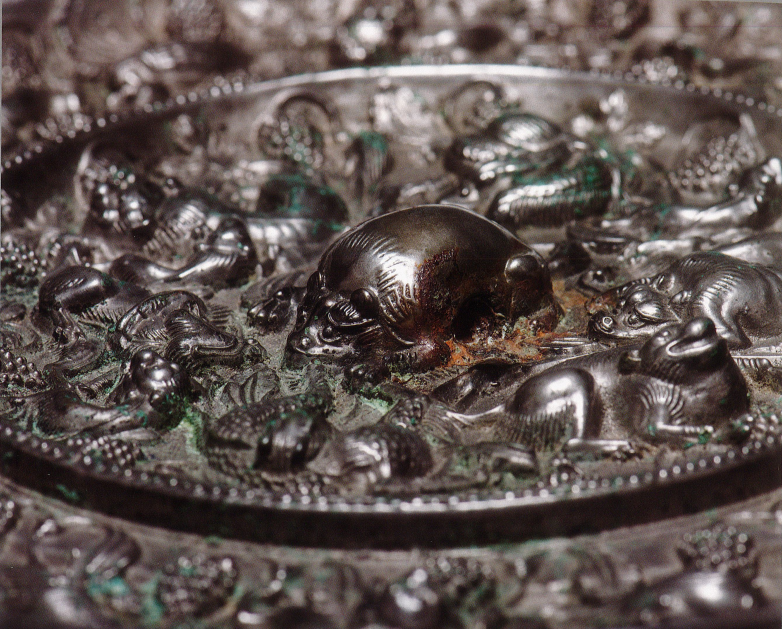
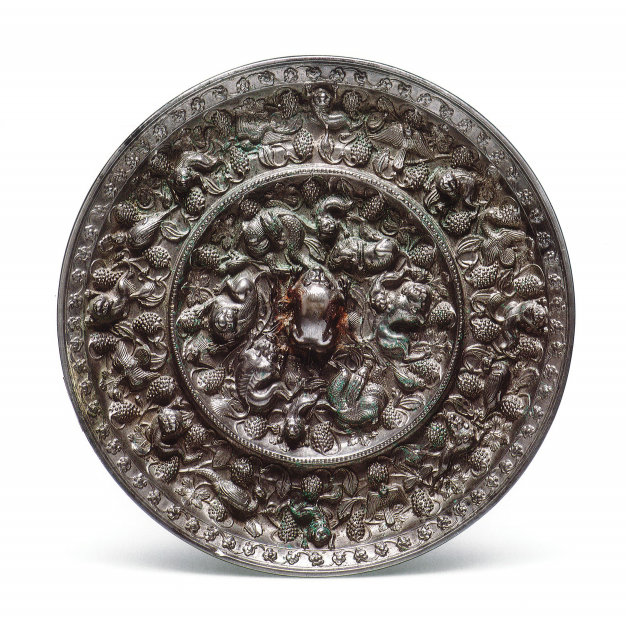
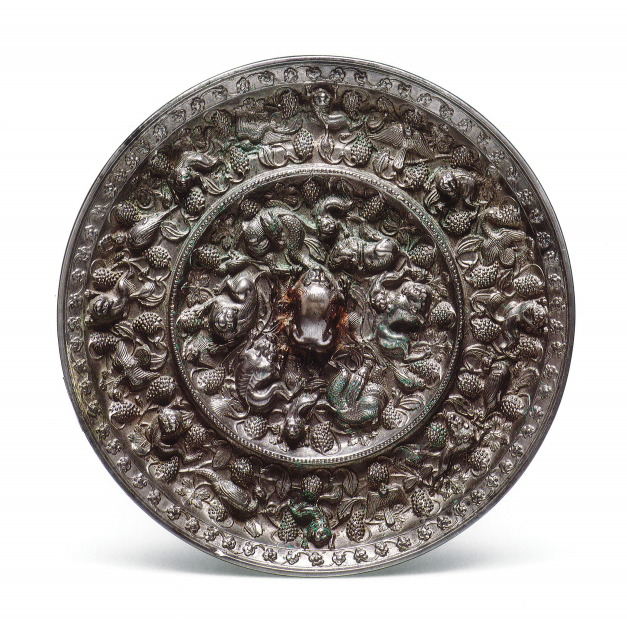
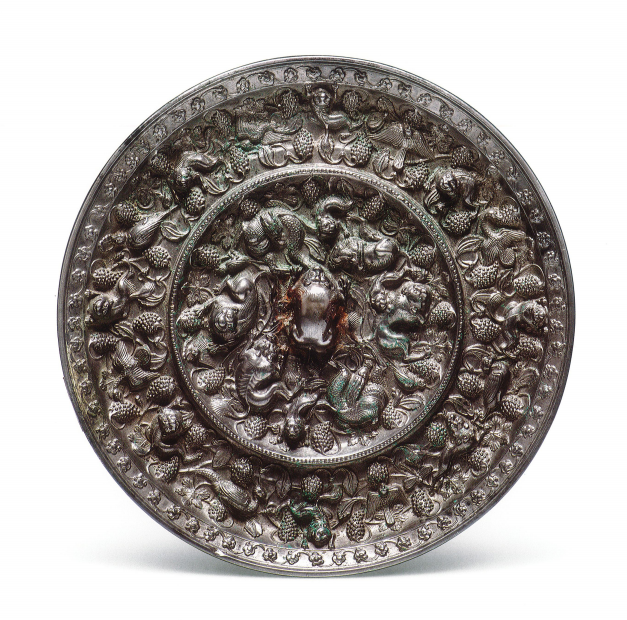
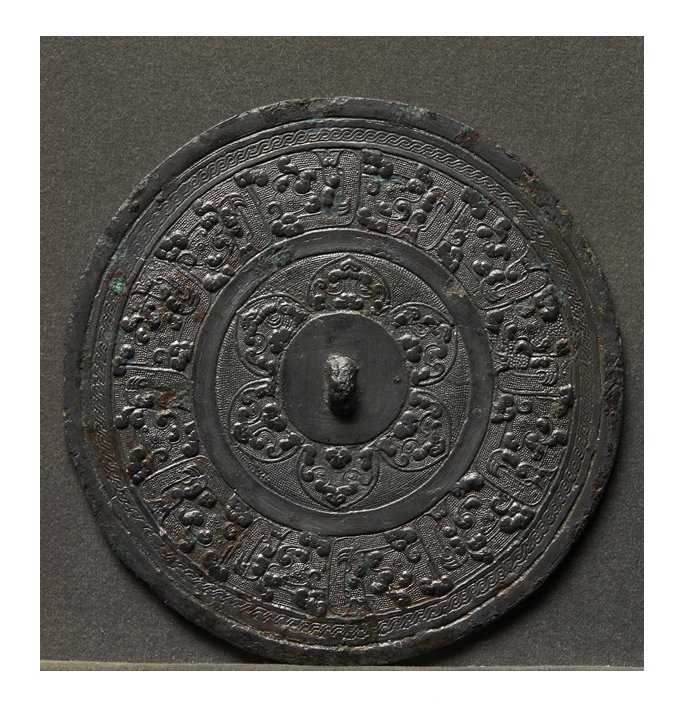
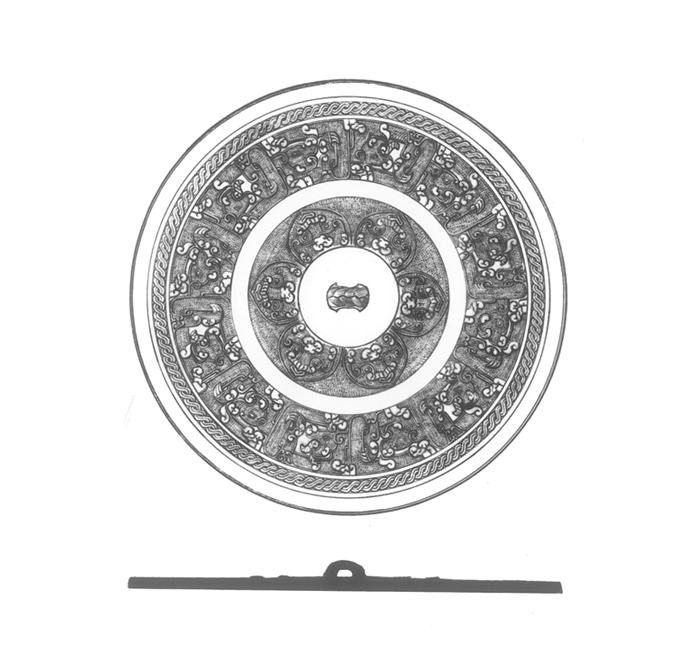
Auspicious Beast & Grape-pattern #mirror
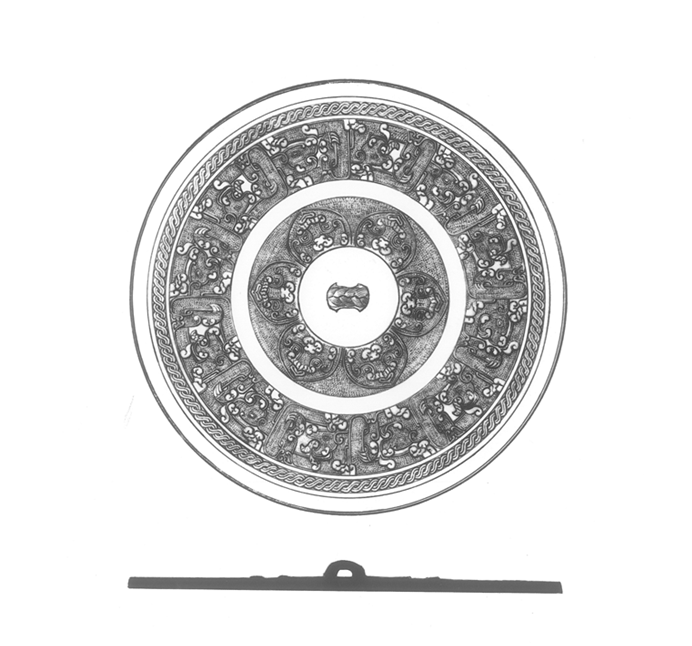
The mirror button in the center of the inner area is a bent monster, which just leaves a gap for the rope,with nine animals around it. In the outer circle,there are eight sea beasts and eight phoenixes decorated in grape branches.
#culture
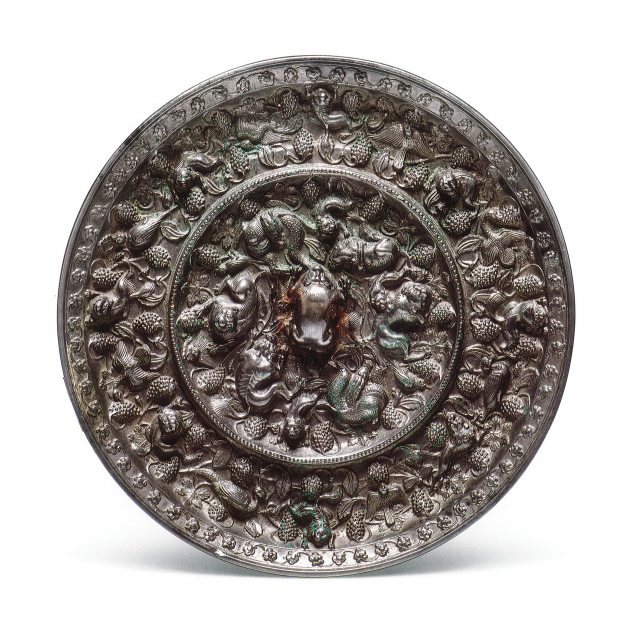
Auspicious Beast & Grape-pattern #mirror
The mirror button in the center of the inner area is a bent monster, which just leaves a gap for the rope,with nine animals around it. In the outer circle,there are eight sea beasts and eight phoenixes decorated in grape branches.
#culture
The bronze mirrors of the Tang Dynasty show the free,sumptuous and magnificent style of the Empire.The Auspicious Beast & Grape-pattern #mirror is the most representative one in the Tang Dynasty, also known as the Mirror of Mysteries for its mysterious patterns
#History#Culture
In the Han Dynasty, the circumstances were stable and secure,the economy and culture were prosperous and people enjoyed the life.The idea of longevity flourished in society.The inscriptions on the bronze mirrors reflect their good wishes.
#culture#History#AncientChina
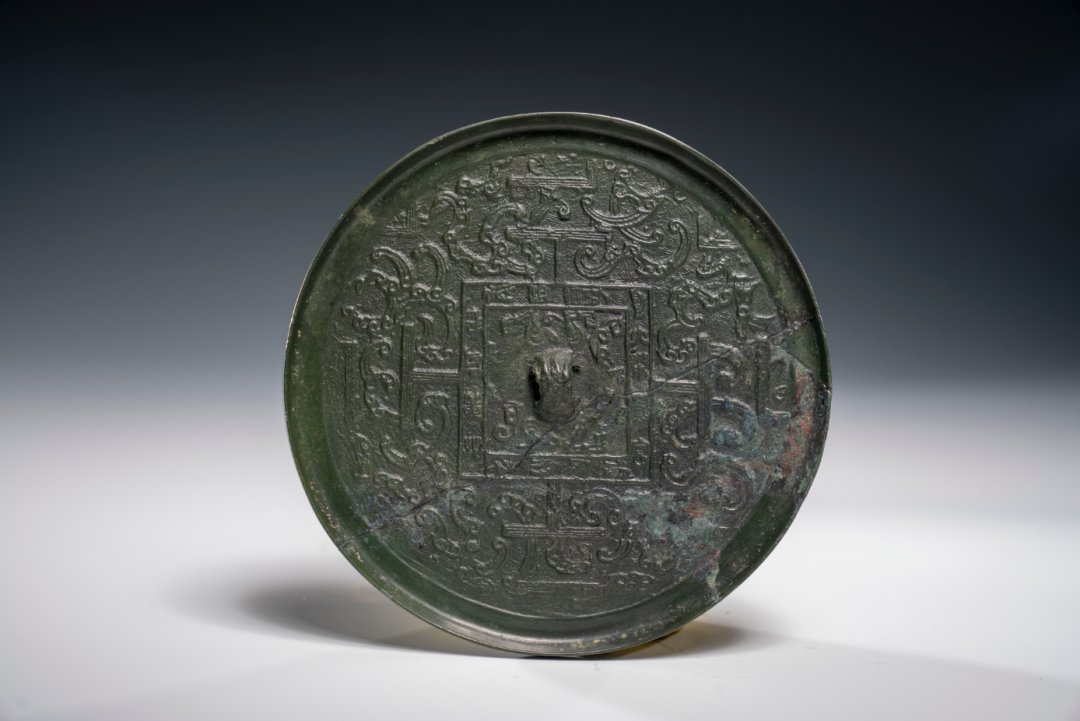
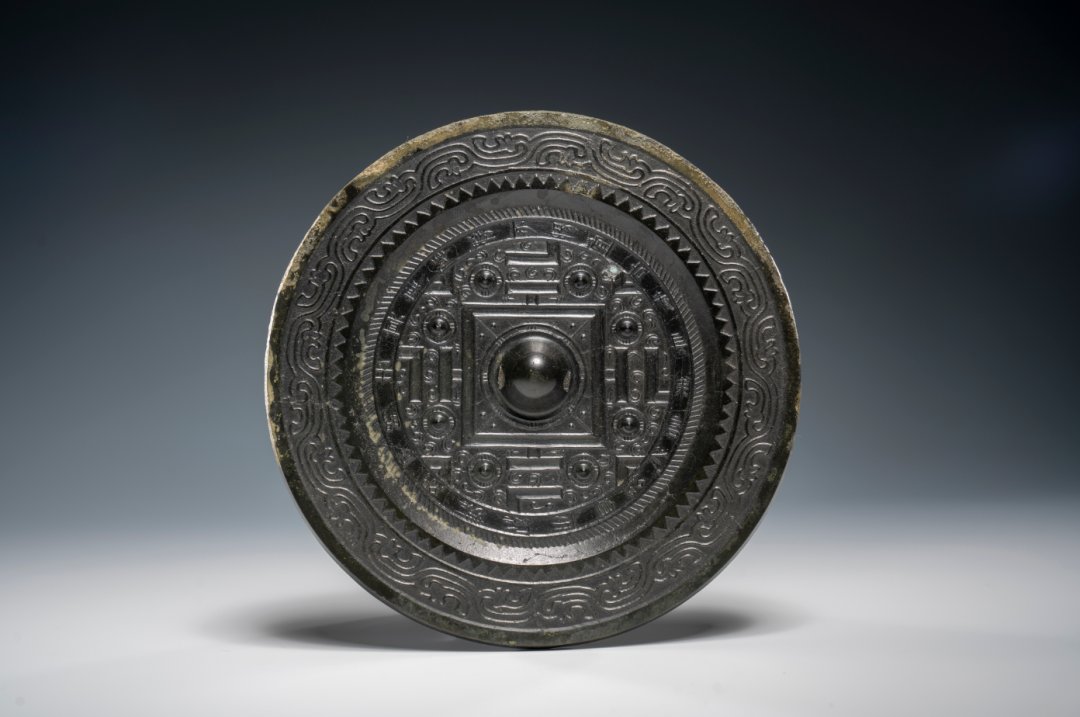
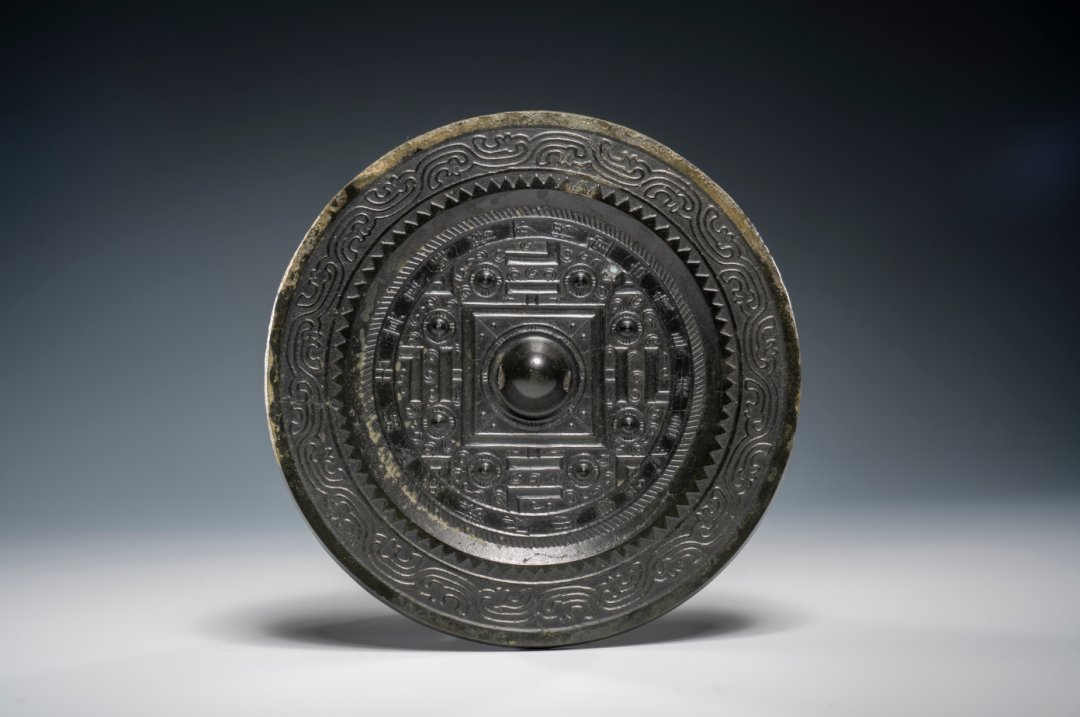
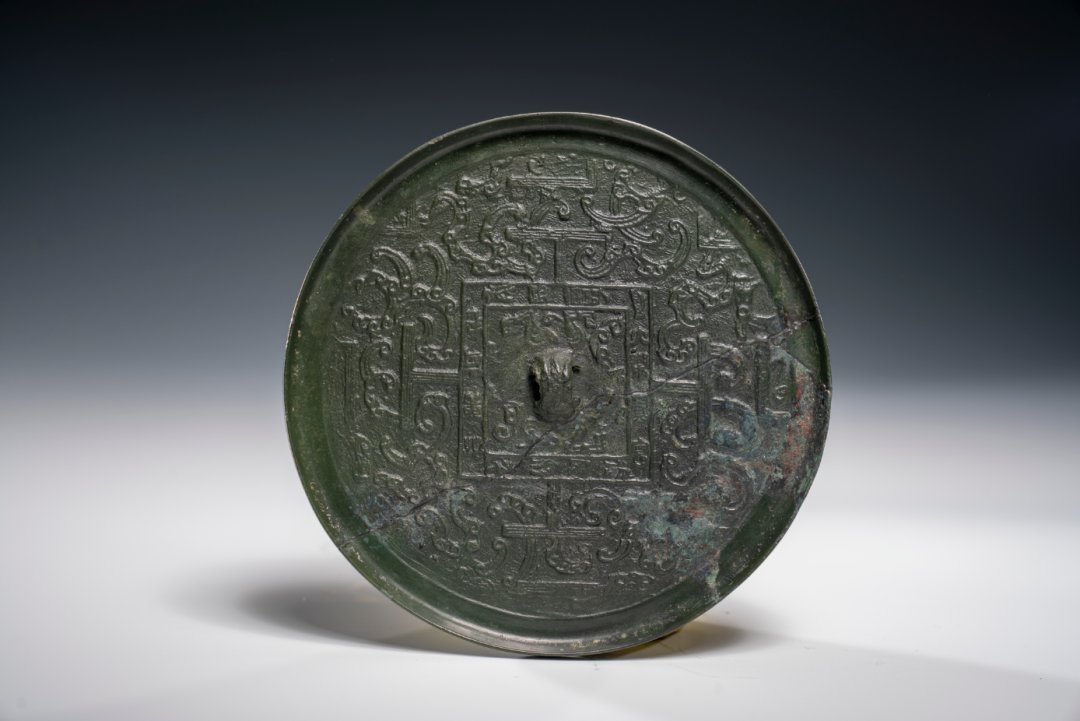
Da Le Gui Fu ("Great happiness and riches") Boju-pattern Mirror
Because there is an inscription on the mirror: "Great joy and wealth, everything good, long life and wishes for later generations." expressing the ancient people's hopes for life.
#culture#History#AncientChina
The decorative patterns of Boju-pattern Mirrors generally use the four mythical animals,namely,the Green Dragon,the White Tiger,the Vermilion Bird and the Black Tortoise,and are matched with the zigzag pattern,the cloud pattern or the grass pattern
#culture#History#AncientChina
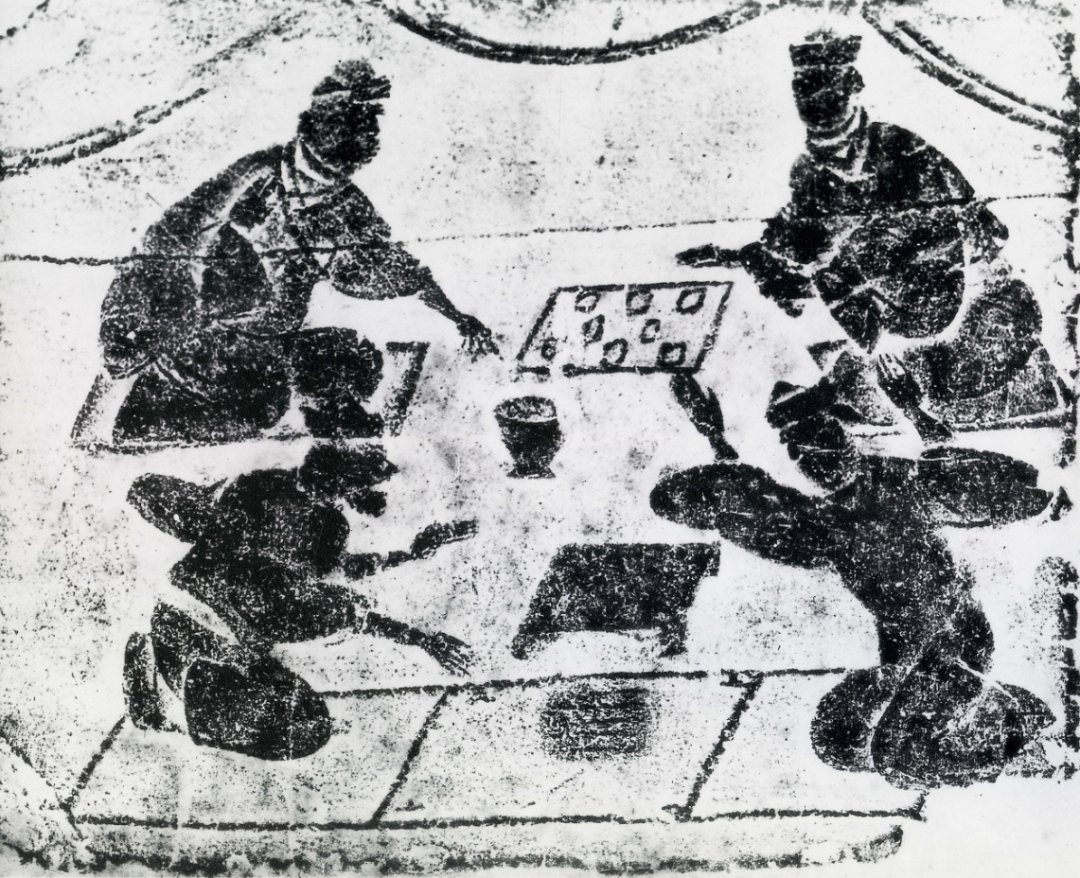
During the Qin and Han Dynasties,Liubo became very popular,the rulers at that time,such as Emperor Wu of the Han Dynasty, were very fond of Liubo. The trend of playing Liubo Chess reflected the peace and prosperity of nation at that time.
#culture#History#AncientChina#Chess
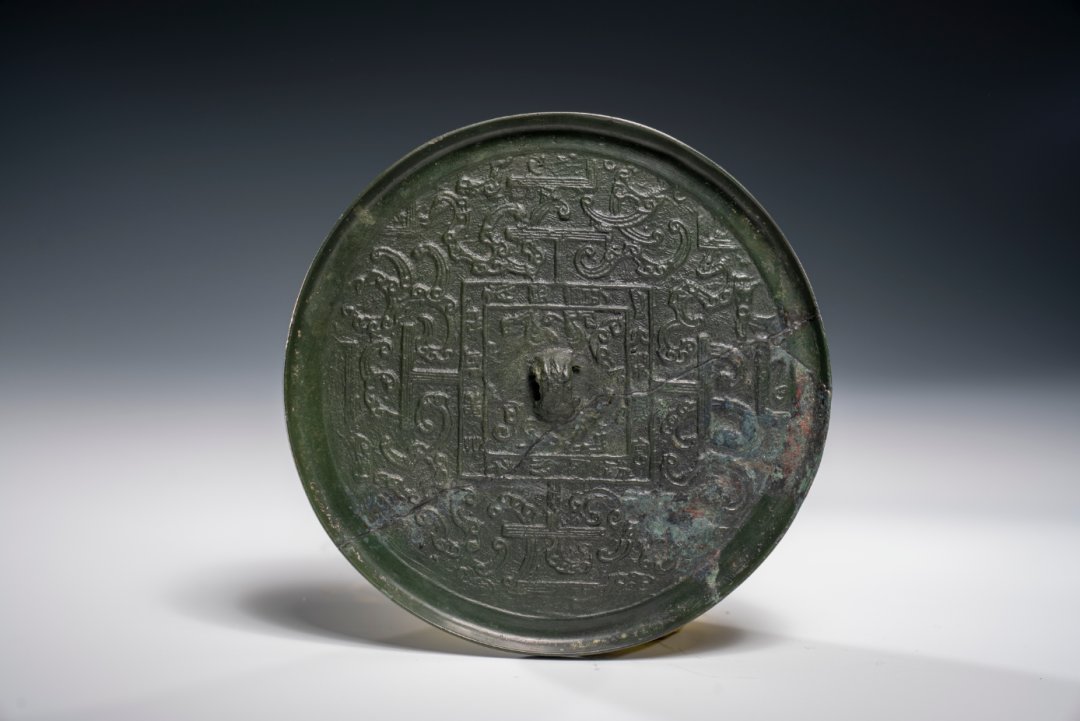
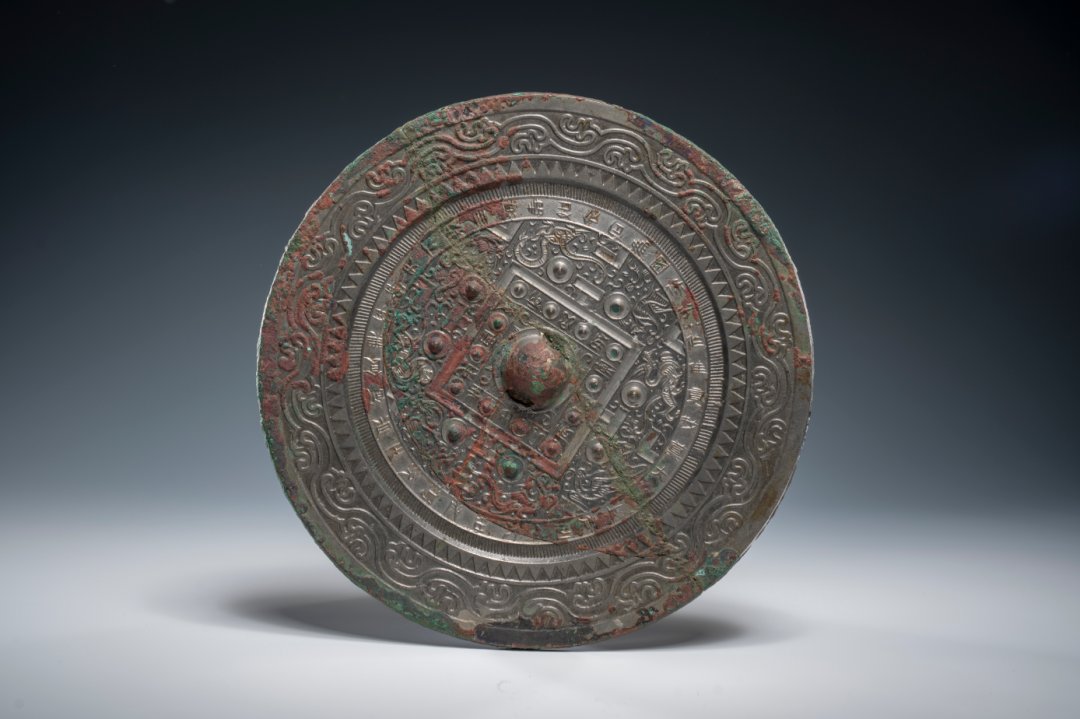
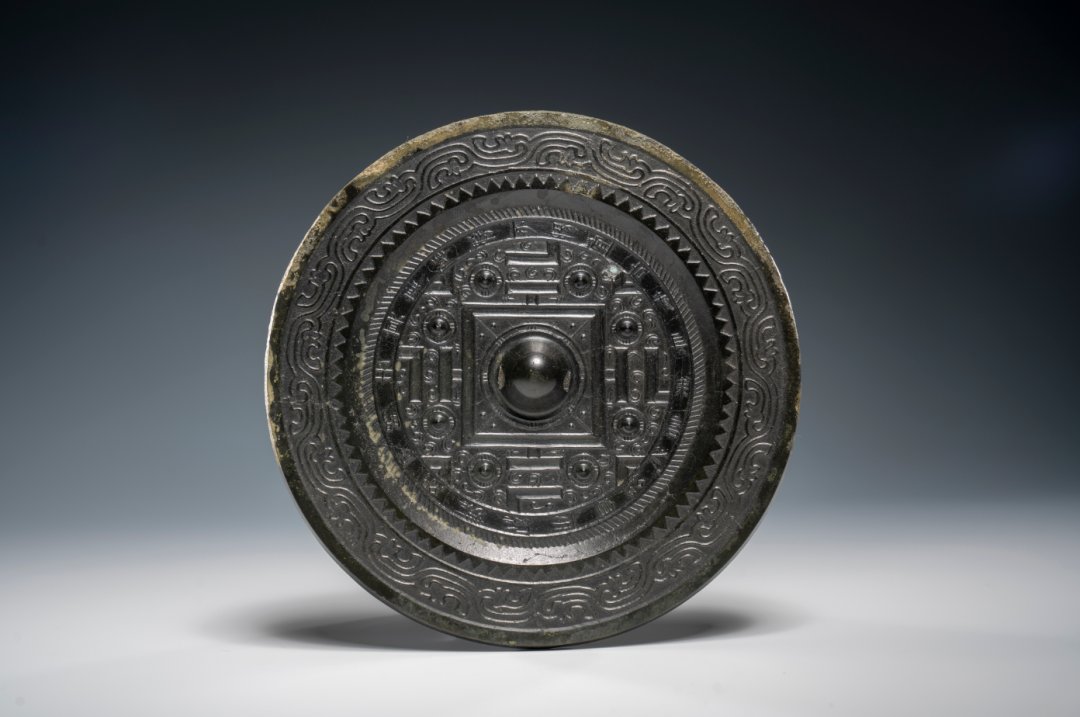
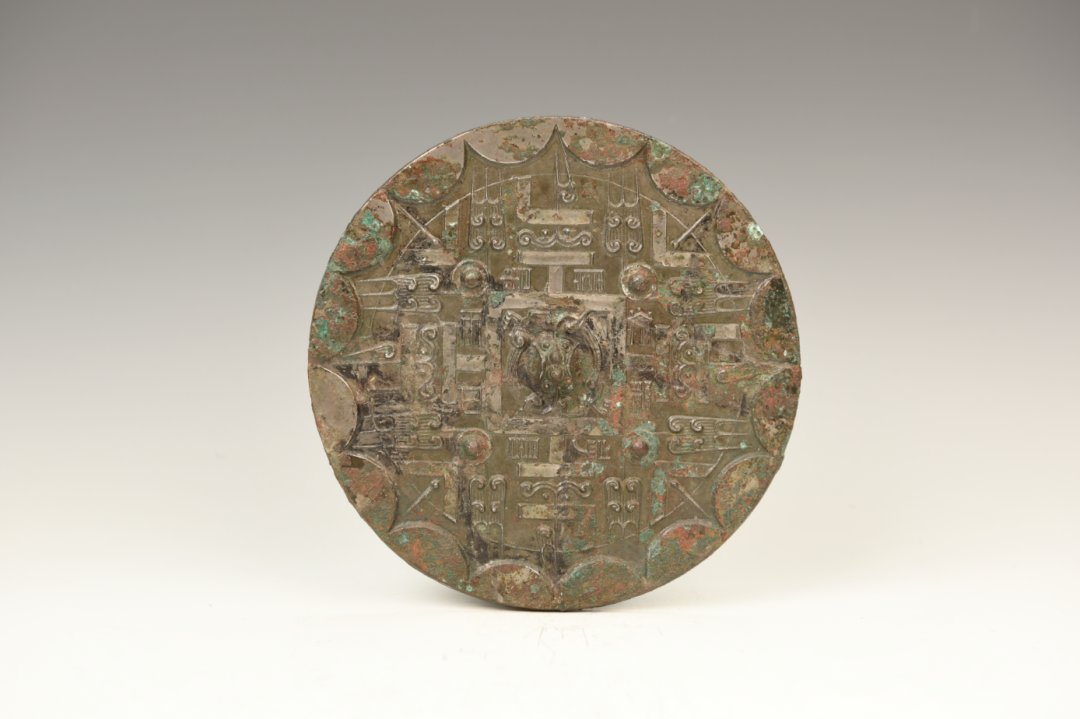
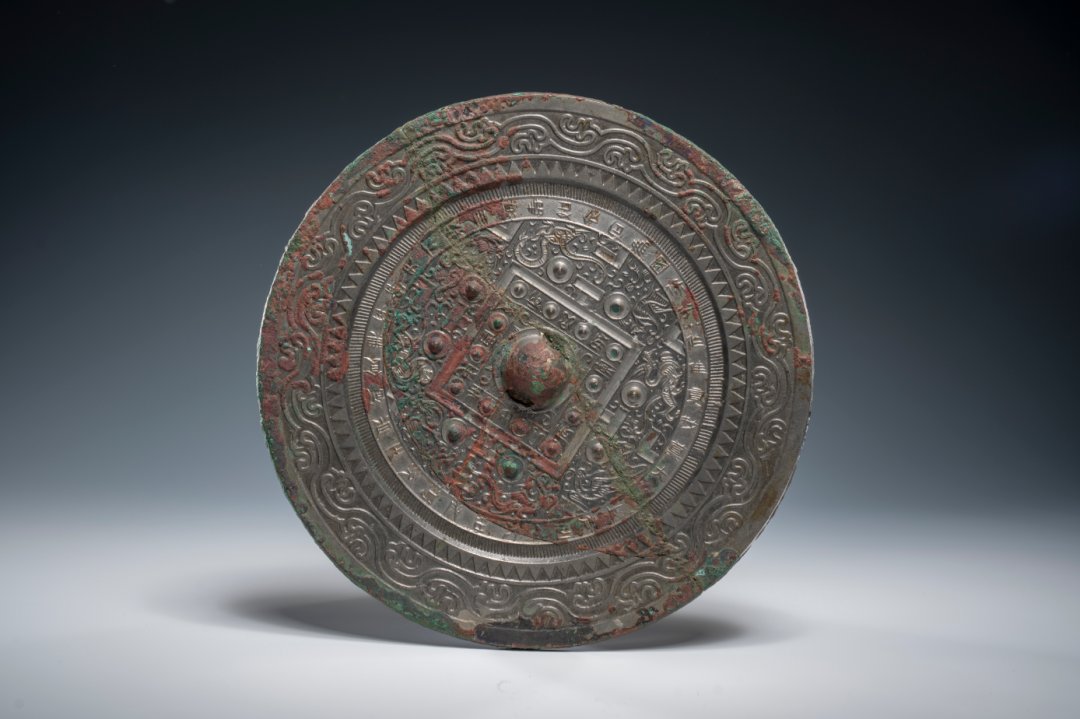
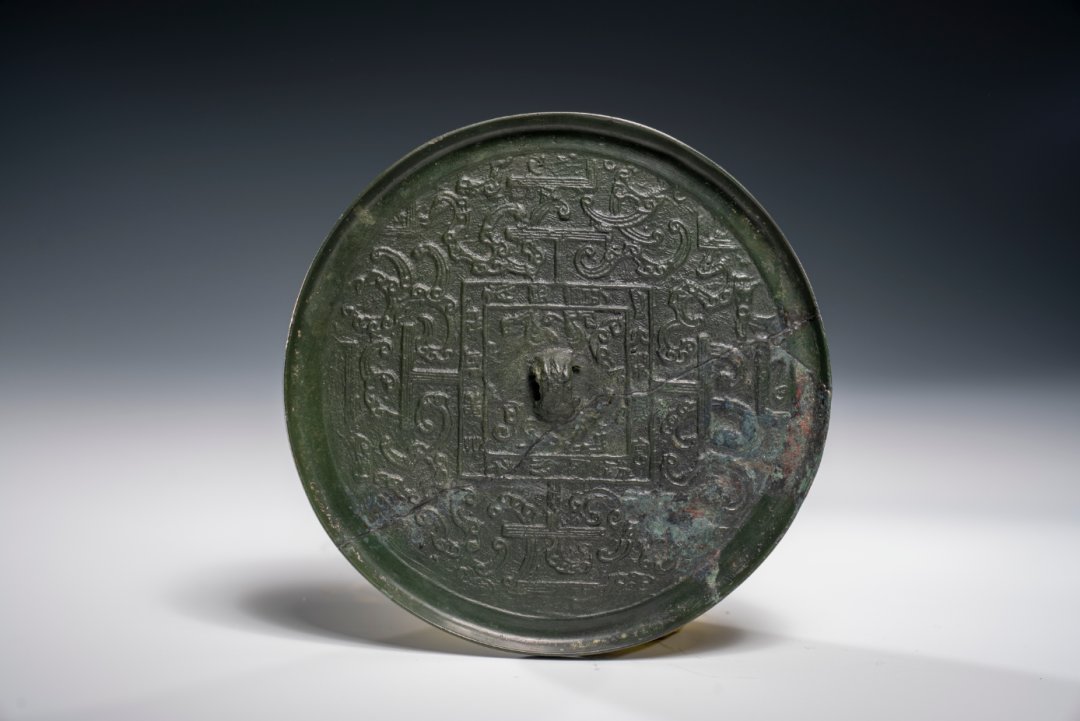
Boju Mirror
Bo, commomly known as Liubo,(six-throwing-chopsticks board game), one kind of chess game in #ancient China. Boju is the board of this chess game, which is the origin of its name. Boju mirror is the longest popular mirror in the Han Dynasty.
#China#culture#History
Jin-style bronzes, based on the style of the Central Plains and absorbed the northern grassland culture style, have formed its unique system in the bronze culture.
#China#Bronze#mirror#culture#History