Is Earth traveling through the remains of a dead star? ⭐️
Scientists have been studying ice cores from Antarctica to reconstruct past conditions on Earth. In one study looking at iron-60, a rare isotope that forms in supernova explosions, they found that concentrations in ice cores from 40-80,000 years ago are lower than in more recent ice. This likely means Earth entered a supernova remnant in the past 40,000 years and is still moving through it today.
Will the World Cup players and spectators experience extreme heat? ⚽️🔥
@ClimateCentral is estimating that around half of this tournament’s matches may be dangerously hot, with Miami, Houston, and Guadalajara under close supervision. Even the final match is at a 47% risk of heat that could impact player performance. This raises dangers for fans as well, prompting the organizers to adapt to evening kickoffs, more hydration breaks, and even postponing matches if it gets too dangerous.
Artemis III’s booster segments are headed from Utah to Florida by train! 🚂
Rocket booster segments are especially large and need to be transported in specialized carriers by rail. The Union Pacific Railroad’s newest commemorative locomotive will carry these rocket parts from Northrop Grumman’s Railyard Shipping Facility in Corinne, Utah to @NASA’s Kennedy Space Center in Florida, where the Space Launch System rocket for Artemis III will be stacked and assembled later this year. 🚀
Image Source: NASA/Brandon Hancock
The SubSpace Summer 2026 Season is here and members get exclusive early access.
Join us for a dynamic lineup of live events spanning art, science, music, performance, and conversation. From immersive experiences and cultural celebrations to timely discussions on health, climate, innovation, and imagination, SubSpace brings people together around ideas shaping our world, now and into the future.
Not a Member yet? Join today for exclusive pre-sale access and opportunities like this all year long: https://t.co/ucq86eFPws
🎟 Explore the season: https://t.co/nBhAFFYBpV
It’s National Pollinator Month!
All sorts of animals act as pollinators, from smaller insects like bees and butterflies to larger vertebrates like birds and bats! Different pollinators are adapted to help different species of flowers, and over 75% of flowering plant species depend on these amazing animals! 🦇
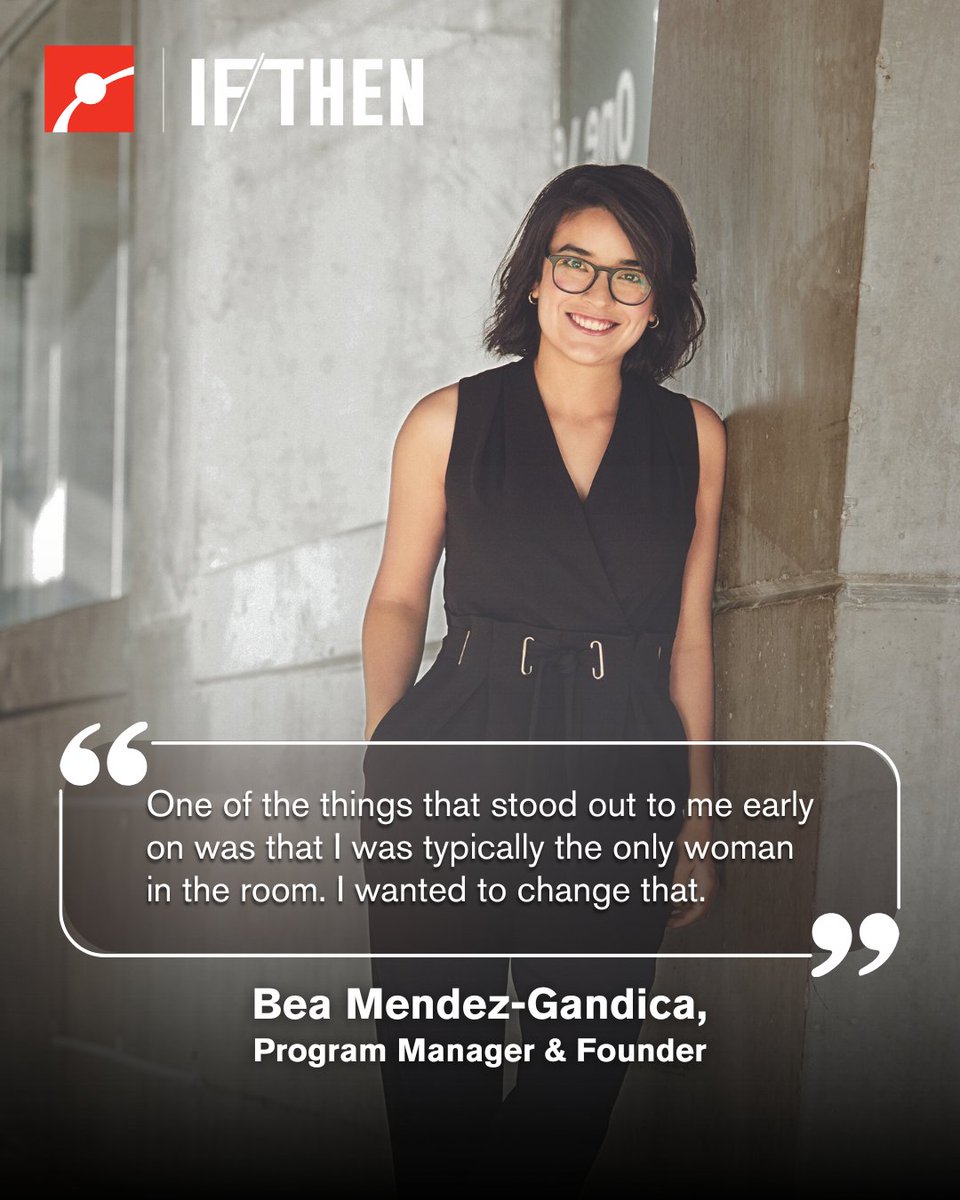
The most powerful thing you can do is stay in the room, and then make sure others get a seat at the table.
Bea Mendez-Gandica has spent her career doing exactly that. As a woman in STEM, she's turning her early experiences of being the only woman in the room into a mission to change the landscape for women who come after her.
This project is part of IF/THEN®, an initiative of Lyda Hill Philanthropies.
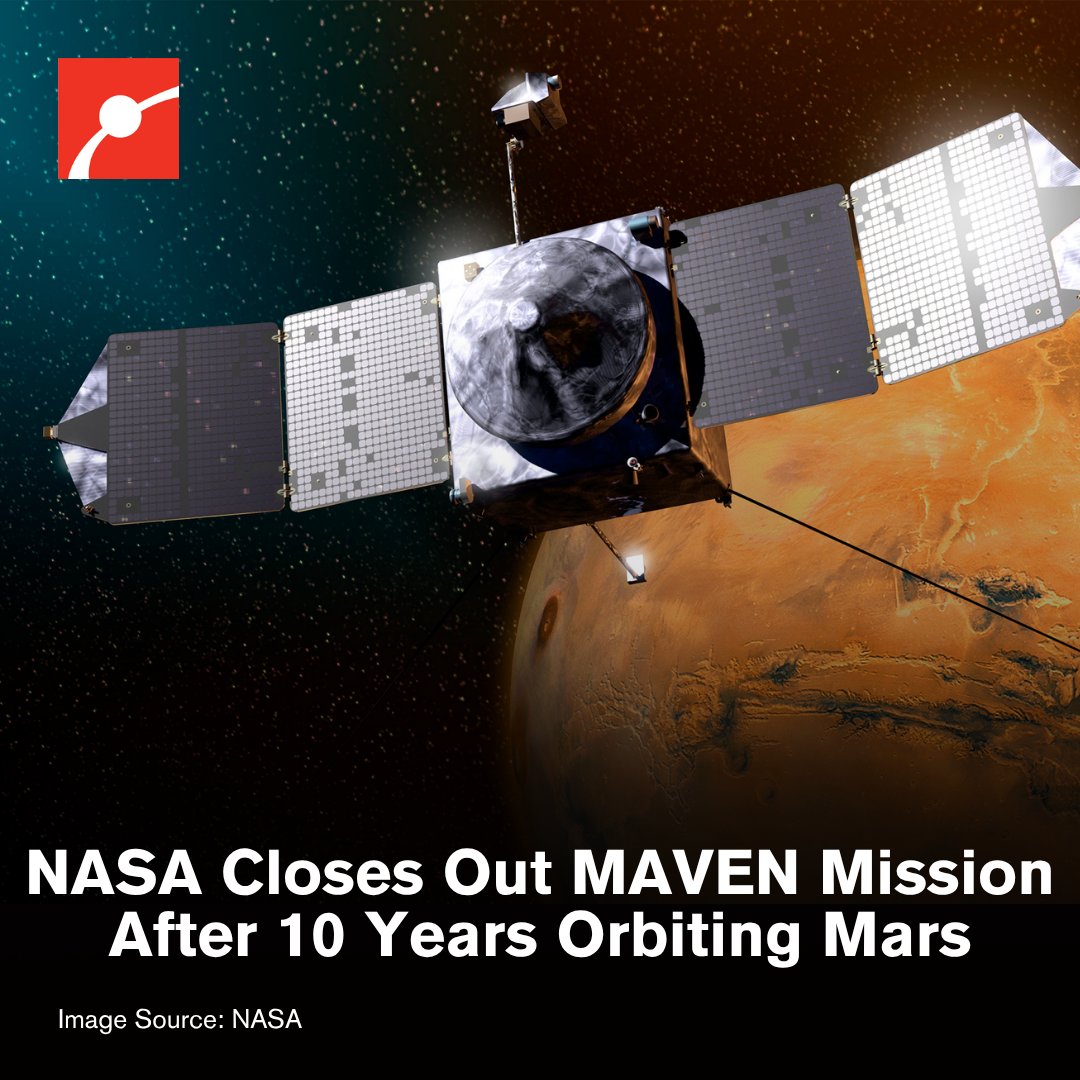
For over a decade, @NASA's MAVEN spacecraft studied how solar wind and space weather stripped away Mars' atmosphere, revealing why the once-potentially habitable planet became the cold, arid world it is today. The mission delivered firsts across the board: the first measurements of atmospheric sputtering at any planet, the discovery of new types of auroras unique to Mars, and key findings on how global dust storms accelerate water loss to space. MAVEN's 11-year dataset, spanning more than 800 scientific publications, will continue shaping our understanding of planetary evolution and inform safety planning for future human missions to Mars.
You are made of atoms older than Earth! 🌌✨🧪
Astrophysicist @ErikaHamden explains how the atoms in your body span the age of the universe. The hydrogen in your body was created during the Big Bang, at the very beginning of time. The oxygen, carbon, and iron in your body were forged inside stars, while heavier elements were formed when stars explode. The atoms that make up your body were formed over billions of years through some of the universe's most powerful events.
This project is part of IF/THEN®, an initiative of Lyda Hill Philanthropies.
On June 3, 1965, NASA astronaut Edward H. White II conducted the first American spacewalk as part of the Gemini 4 mission. 🧑🚀
This 23-minute spacewalk added extra-vehicular activity to the list of revolutionary capabilities of the American space program and paved the way for much of the research done with the Space Shuttle program and aboard the International Space Station.
Join us Sunday, June 7 for free Omni Theater films, generously supported by @MathWorks. Experience space, nature, and cutting-edge innovation on a massive screen that surrounds you from every angle.
Check out the films here: https://t.co/UOOuzB8OXS
Why does diet soda float but regular soda sinks? 🥫
@AlexDainis explains how only one soda can floats, even though it shares the same volume as another! This is because a can of diet soda will have slightly different ingredients than a regular can of soda, such as aspartame instead of corn syrup. This changes the weight of each can, with one having the same density as water which makes it float!
Blood types organize blood based on antigens found on the surface of red blood cells and antibodies found in blood plasma. The most common blood type systems are the ABO system and the Rh factor system. 🩸
Have you ever seen mouthwash in action? 🦷
Quinten Geldhof, also known as Microhobbyist, explains what happens to your mouth’s bacterial ecosystem when antiseptic mouthwash hits. Because your mouth is home to a whole ecosystem of bacteria, some that are healthy and some that are harmful, when you take mouthwash, it kills all of them. Although it is effective, it does not discriminate between healthy and bad bacteria!
Join us on Saturday, June 27, for the @CityOfBoston's 2026 Pride Party, presented in partnership with the Museum of Science as part of our Pride Celebration. The evening features music and performances throughout the night, classic Museum of Science interactive presentations , and more.
Learn more: https://t.co/c2ubwVcte4
Triceratops has fascinated the public since the 1900s and is a prime example of a Cretaceous herbivore, famous for its frill and three horns. 🦴
What dinosaur fossil would you most want to find?