🎼 Welcome to MusiLLection
Classical music is more than sound.
It is history, imagination, culture, and human experience preserved in music.
Here you'll find:
📖 Composer profiles
🎼 Work analyses
🎧 Listening guides
📚 Music history
🔗 https://t.co/9dfL9hjSsf
What if Haydn had lived in the twentieth century? Prokofiev's Classical Symphony offers a playful answer: elegant forms, unexpected harmonies and witty surprises.
Even familiar melodies sometimes return in the wrong key.
https://t.co/qCiQEinDxe
#Prokofiev#ClassicalMusic
Four dances lead to something extraordinary.
In Bach's Violin Partita No. 2, the solitary instrument moves from elegance and motion to the monumental Chaconne—where a single violin seems to contain an entire musical universe.
https://t.co/EvJy2Q7AQd
#Bach#ClassicalMusic
In a stormy night, music lesson becomes a secret conversation and a perfectly healthy man is declared ill.
In Act II of The Barber of Seville, Rossini turns deception, confusion and quick wit into irresistible musical comedy.
https://t.co/Hhg4i1nBl6
#Rossini#Opera
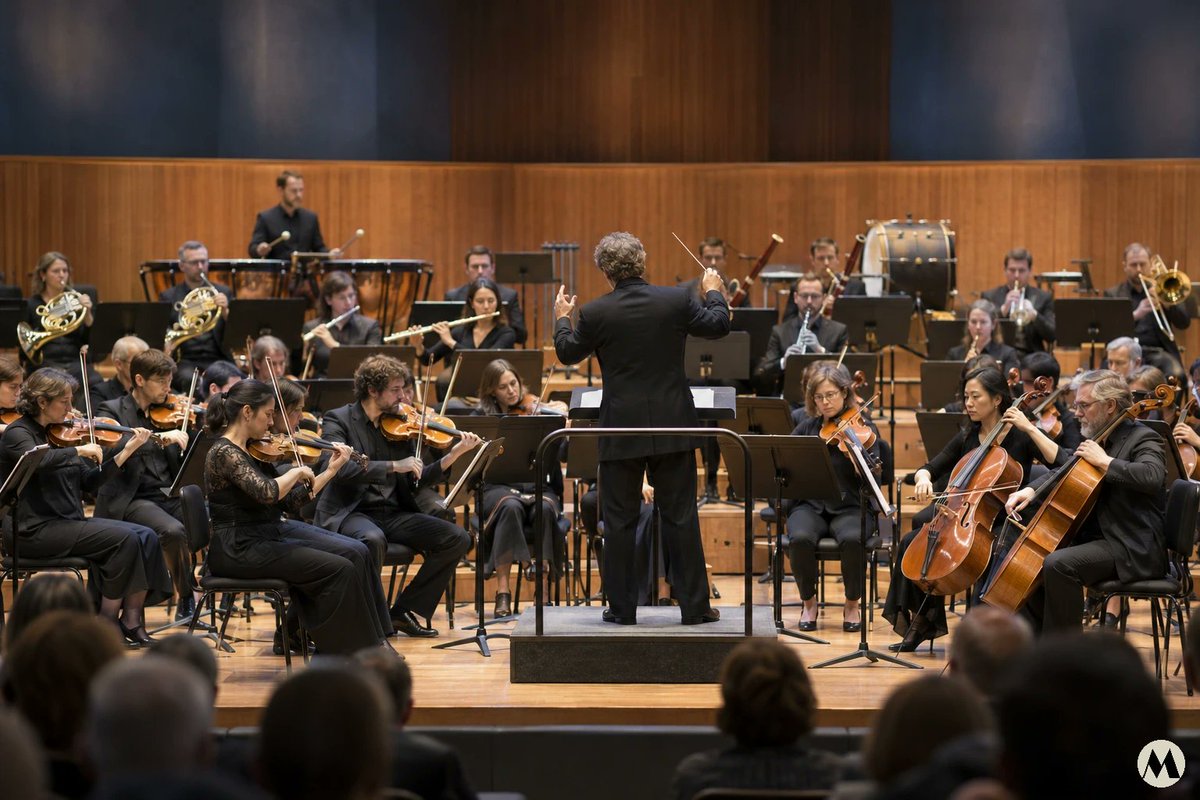
A symphony can feel complex at first.
Listen again: a melody returns, a rhythm feels familiar, the sound changes colour. Each hearing reveals connections. You don't need to catch everything—just follow one detail.
https://t.co/BnQszydHls
#MusicEducation#ClassicalMusic
He fights an enemy, unaware that she is the woman he loves.
In Il combattimento di Tancredi e Clorinda, Monteverdi turns a tragic duel into musical theatre. Trembling strings, fierce rhythms and a narrator bring Tasso's story to life.
#Monteverdi#BaroqueMusic
Nine symphonies, nine different worlds.
From the bold scale of the Eroica and the rhythmic force of the Fifth to the Pastoral and the voices of the Ninth, Beethoven kept finding new possibilities within the symphony.
https://t.co/ddL3zfllIx
#Beethoven#ClassicalMusic
A lone bassoon rises into an unfamiliar register. Then rhythm takes over, turning the stage into a world of stamping dances and restless energy.
In The Rite of Spring, Stravinsky makes the orchestra sound startlingly new.
https://t.co/TPxA4nwDQi
#Stravinsky#ClassicalMusic
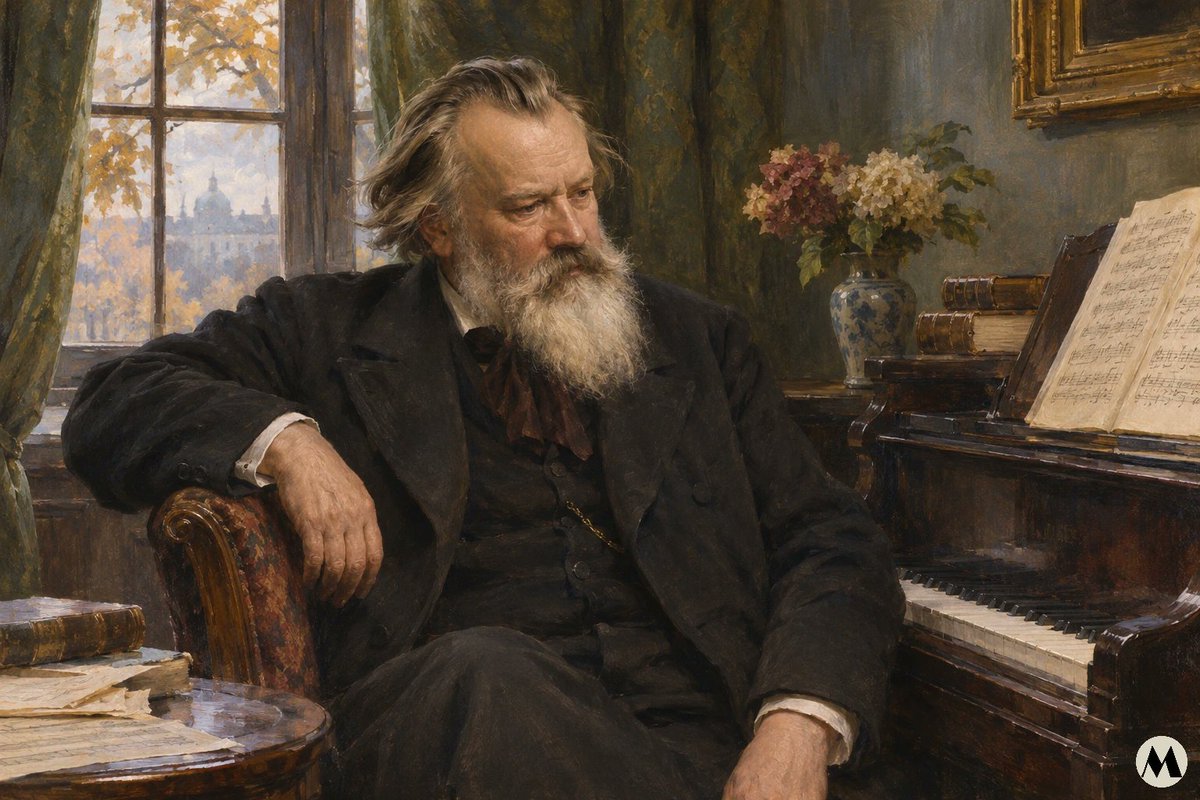
Brahms knew that music could speak without revealing everything.
Emotion lives beneath the surface—in a quiet harmony, a hesitant phrase, a melody holding something back. In his music, restraint becomes intensity.
https://t.co/DlNifaaj0S
#Brahms#ClassicalMusic
These high notes are not meant to charm. They are a threat.
In Mozart’s “Der Hölle Rache,” the Queen of the Night orders her daughter to murder Sarastro. Dazzling leaps and furious coloratura become weapons of rage and desperation.
https://t.co/VQdPH6LhN9
#Mozart#Opera
One note arrives before the one we expect.
An appoggiatura leans into a melody, creating tension before gently resolving.
A tiny musical detail can turn a simple phrase into a moment of longing.
https://t.co/Ktqh34ZJ68
#MusicTheory#ClassicalMusic
From the explosive rhythms of The Rite of Spring to the austere beauty of his late works, Stravinsky never stopped exploring new musical worlds.
Each transformation reveals another side of his imagination.
https://t.co/gFv64Lbmdu
#Stravinsky#ClassicalMusic
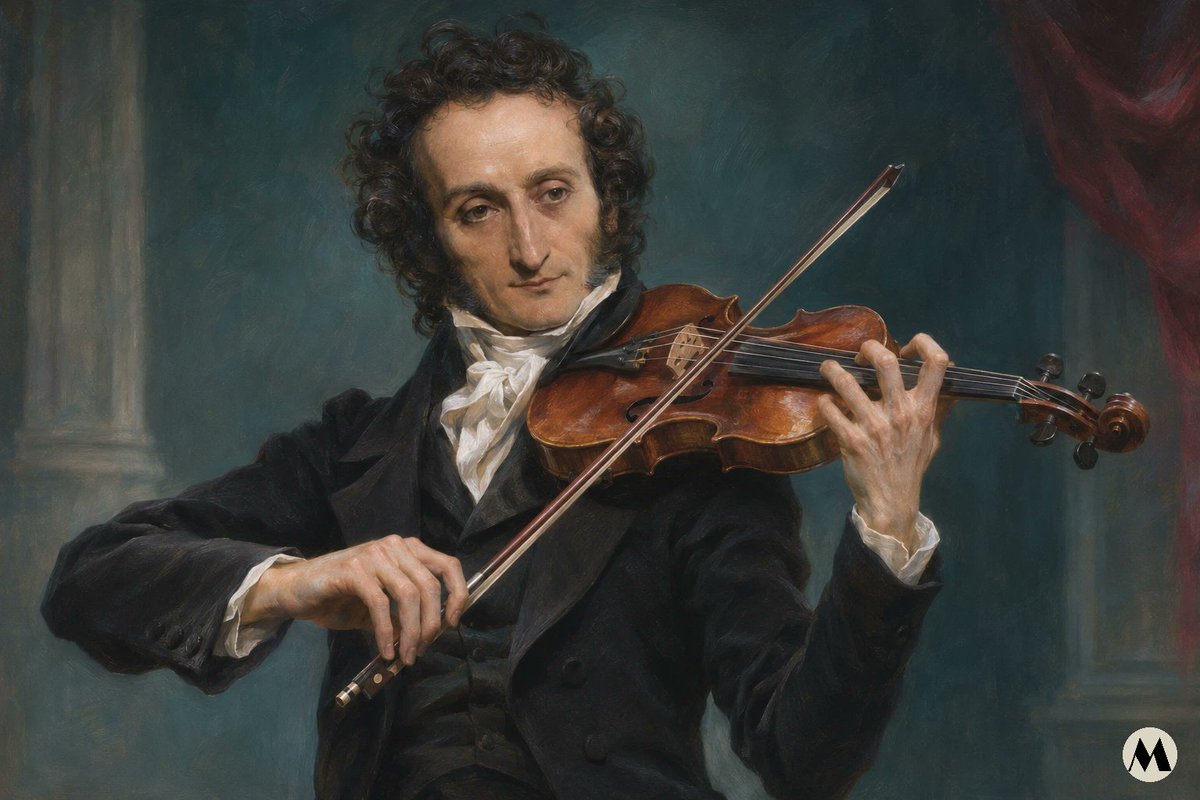
A violin that seems to laugh.
In Paganini's Caprice No. 13, playful double stops give way to flashes of dazzling virtuosity. Nicknamed “The Devil's Laughter,” it turns technical brilliance into musical mischief.
https://t.co/2dno3vKuwr
#Paganini#ClassicalMusic
Sometimes, a single glance is enough.
In Liebestraum No. 1, Liszt transforms a poem about exalted love into a tender piano nocturne, where a singing melody survives even the most delicate waves of virtuosity.
https://t.co/LCiL4rmbJ0
#Liszt#ClassicalMusic
It looks like a small piano, but sounds like a distant world of bells.
Inside the celesta, felt hammers strike metal bars, creating the delicate, shimmering voice that brings pure magic to Tchaikovsky's Nutcracker.
https://t.co/zy3B8BzuVi
#Celesta#ClassicalMusic
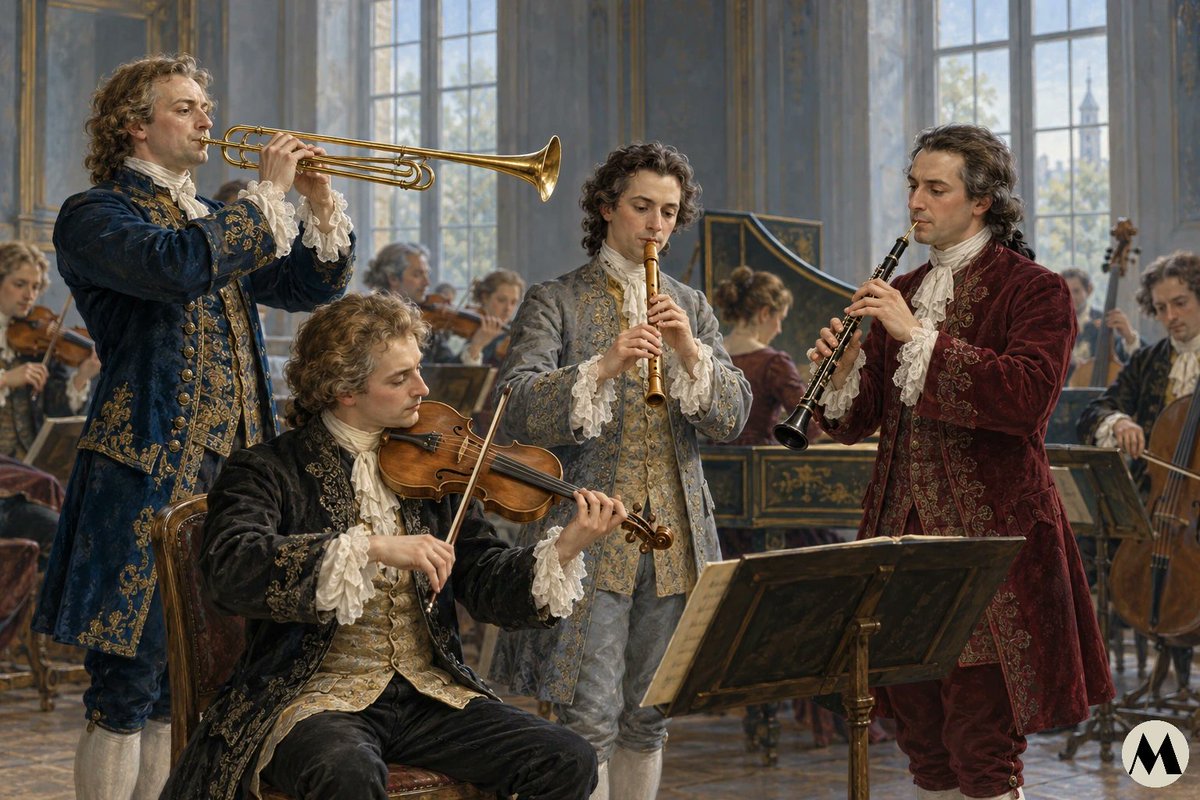
Four soloists, four distinct voices.
In Bach's Second Brandenburg Concerto, trumpet, recorder, oboe and violin exchange musical ideas with dazzling precision.
Every instrument has something to say.
https://t.co/Gv51qonj8g
#Bach#ClassicalMusic
Carmen refuses to belong to anyone. Don José cannot accept it.
In Bizet's Carmen, desire turns into obsession as dazzling melodies, public celebrations and private conflicts move toward a tragic ending.
https://t.co/m1ktjTuudI
#Bizet#Opera
Liszt once astonished audiences with the sheer power of his playing.
Yet his later music found new depths in silence and restraint.
Perhaps true artistic excess lies not in doing more, but in never ceasing to explore.
https://t.co/aMTGBYxZad
#Liszt#ClassicalMusic
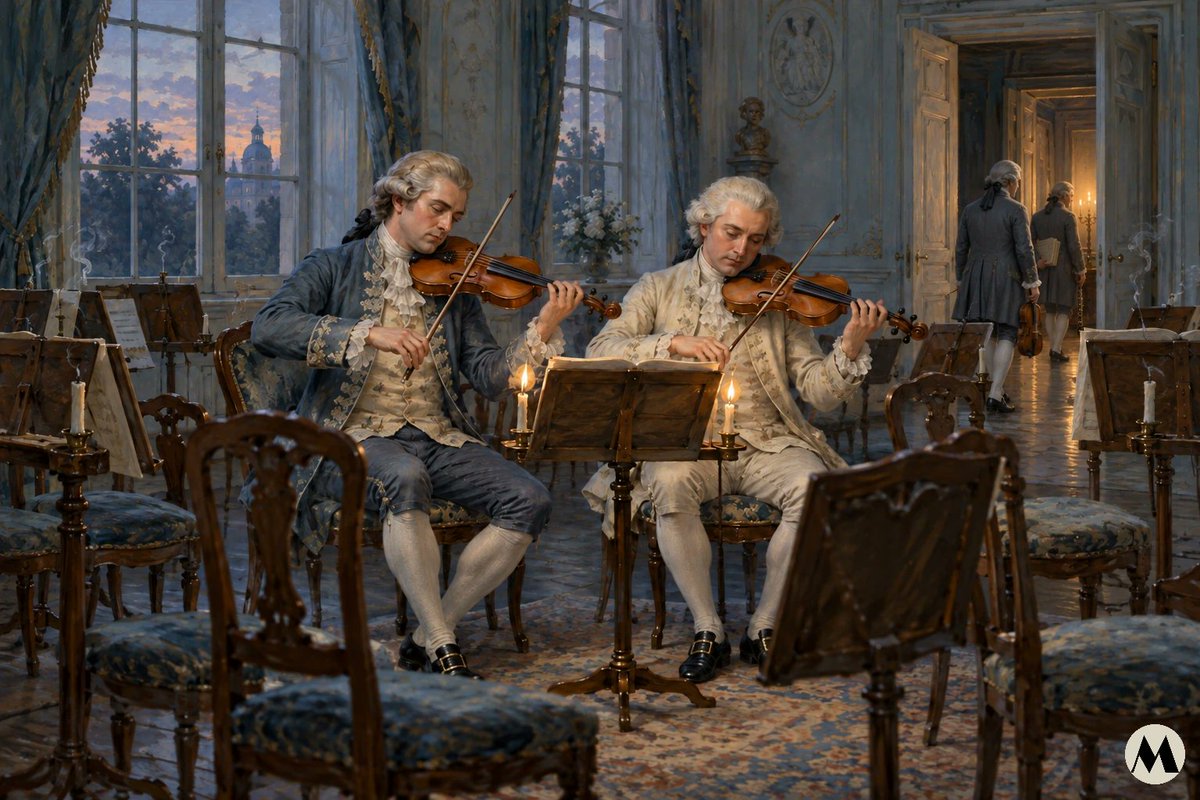
One by one, the musicians leave the stage.
The symphony continues, until only two violinists remain. In his “Farewell” Symphony, Haydn turns a simple request to go home into an unforgettable musical ending.
https://t.co/FLe4HKQLnb
#Haydn#ClassicalMusic
Few composers reinvented themselves as boldly as Stravinsky. From revolutionary Russian ballets to neoclassicism and serial music in his seventies, his life was a journey of constant artistic discovery.
https://t.co/sHC8pFWZg4
#Stravinsky#ClassicalMusic
A musician stops playing. The music continues.
A rest is more than an absence of sound. It shapes rhythm, creates expectation and gives meaning to what comes next. Sometimes, the most powerful moment is the one we don't hear.
https://t.co/vA3Qswn9gj
#MusicTheory#ClassicalMusic