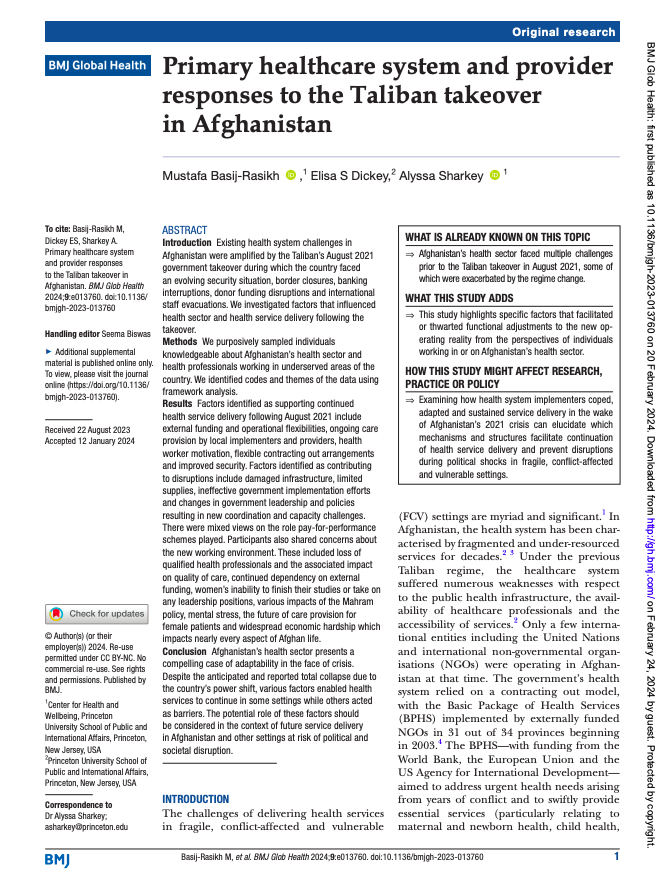
Our research is now published in @BMJGlobalHealth. We are deeply thankful to our participants for their contributions and to @PrincetonCHW for the generous support. @PrincetonSPIA
A study by @PrincetonSPIA researchers @MustafaBR and Alyssa Sharkey, both CHW affiliates, reveals the effects of the Taliban takeover on health care delivery in Afghanistan. Their compelling findings have been published in @GlobalHealthBMJ. https://t.co/WoMkP6dBCN
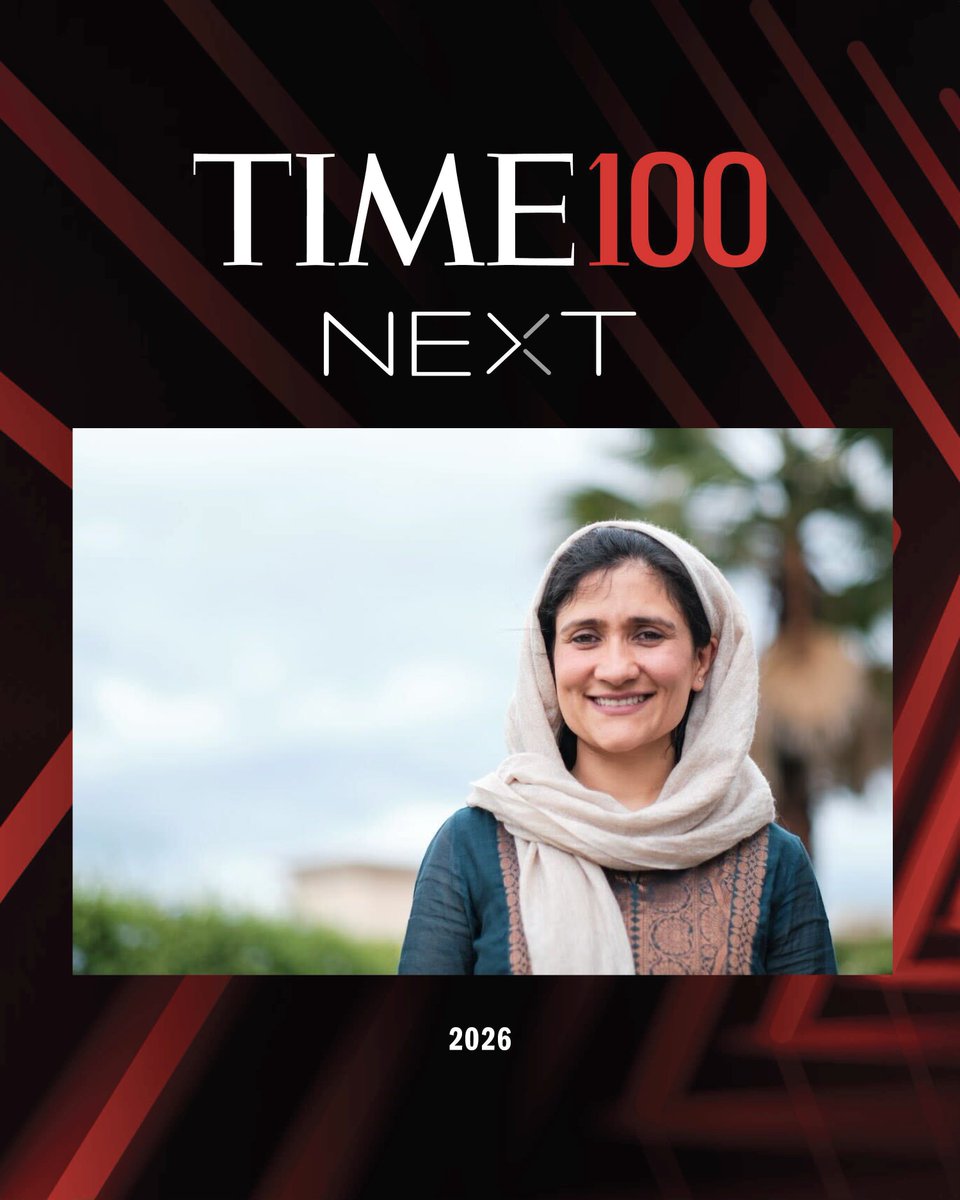
Today, @TIME named me as one of the members of the 2026 TIME100 Next, their annual list of 100 individuals who are defining the next generation of leadership: https://t.co/QJH7FAhYWp
I’m proud, I’m humbled – and I know that while this honor is for me, it’s not about me. It’s about the women of Afghanistan and the hope they carry like fire in their hands. It’s about the students of @solaafghanistan, the Afghan girls who will change the world. It’s about the resilient SOLA global village of friends and supporters.
It’s about you, reading these words, because you are with us. And that means everything.
I hope you’ll take a moment to look over the full list: https://t.co/aRoqwn9wyF. This is a proud and humbling day, and a day that I know will inspire us all.
There is work to do, and we will do it.
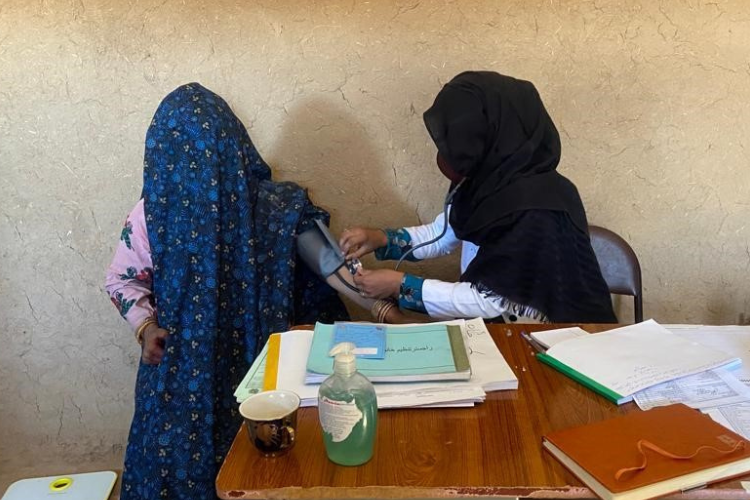
In a new essay by Princeton SPIA’s @MustafaBR and Alyssa Sharkey of @PrincetonCHW in @ThinkGlobalHlth, they write, “Estimates suggest Afghanistan has 0.33 doctors per 1K people vs. 20 per 1K in high-income countries. The WHO recommends 2.5 per 1,000." https://t.co/HI7CghqURS
@PrincetonSPIA researchers @MustafaBR
and Alyssa Sharkey, both CHW affiliates, explain how the Taliban's education ban has kept women from entering Afghanistan's under-resourced health care sector.
https://t.co/htuQ4HPbJf
Many women who aspire to become doctors in Afghanistan have been denied the opportunity to take their exit exams by the Taliban.
@MustafaBR and Alyssa Sharkey explain how the Taliban’s ban on women’s education is impacting health care. https://t.co/sGvwjoEJlf
Self-paced coursework. Students only need a smartphone and basic internet to access SOLAx-designed education from their own homes, all using WhatsApp, all completely free. #Afghanistan#Education
"Despite the anticipated and reported total collapse due to the country’s power shift, various factors enabled health services to continue in some settings while others acted as barriers."
📣 New Research ➡️ https://t.co/Ot07bssl5I
Remote learning for every Afghan girl, everywhere. Students only need a smartphone and basic internet to access SOLAx-designed self-paced coursework from their own homes, all using WhatsApp, all completely free. @SOLAxOnline
A study by @PrincetonSPIA researchers @MustafaBR and Alyssa Sharkey, both CHW affiliates, reveals the effects of the Taliban takeover on health care delivery in Afghanistan. Their compelling findings have been published in @GlobalHealthBMJ. https://t.co/WoMkP6dBCN
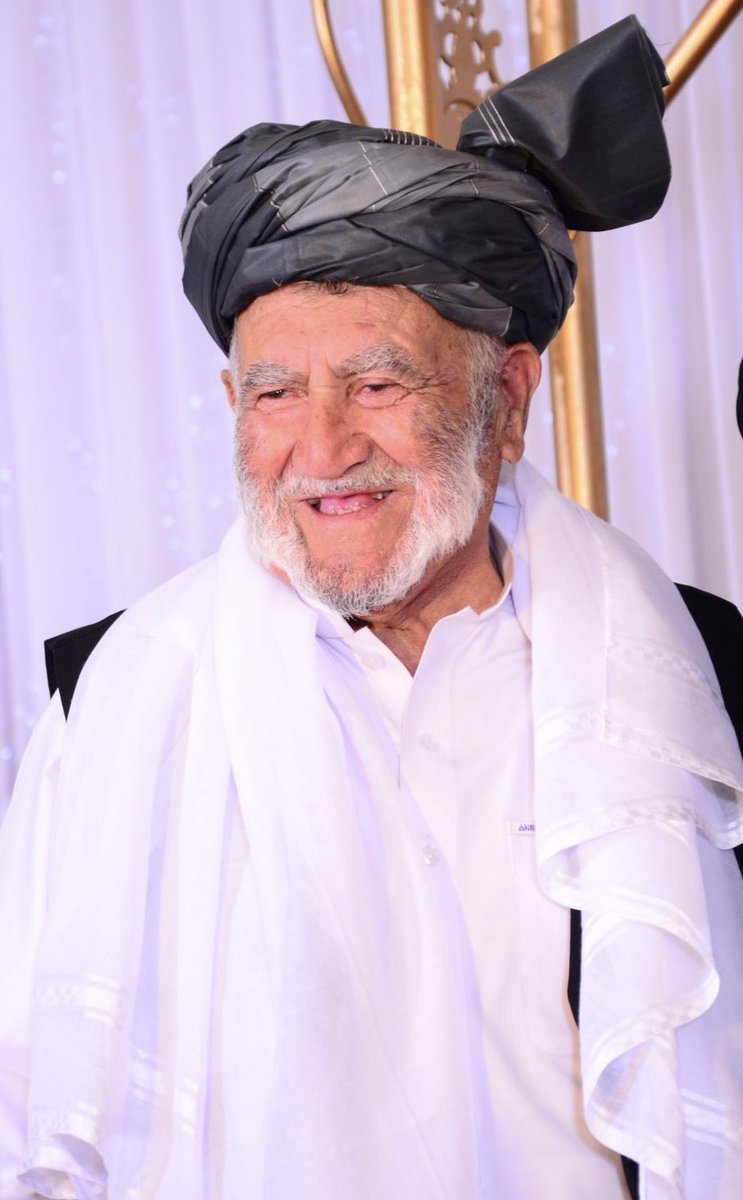
Rest in peace, Agha Shirin. My grandpa was the first man in his family to educate his daughters. His bravery in prioritizing education for his daughters cost him many relationships, but it normalized education for future generations, including my own. 
إنا لله وإنا إليه راجعون
“To live is the rarest thing in the world. Most people exist, that is all.” - OW
Ustad Nazar Zulmai lived. He dedicated his life 2 cultivating curiosity in his students at a time when science was questioned. He shaped not just one or two minds, but generations of Afghans. RIP