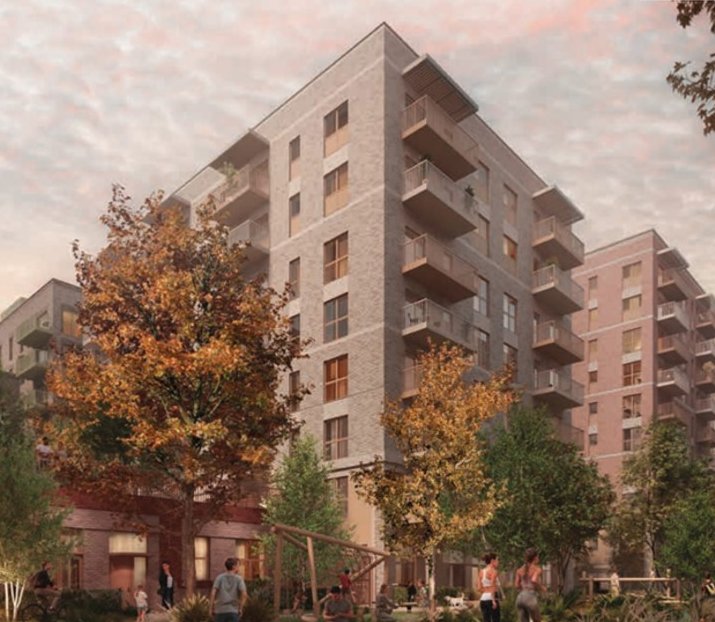
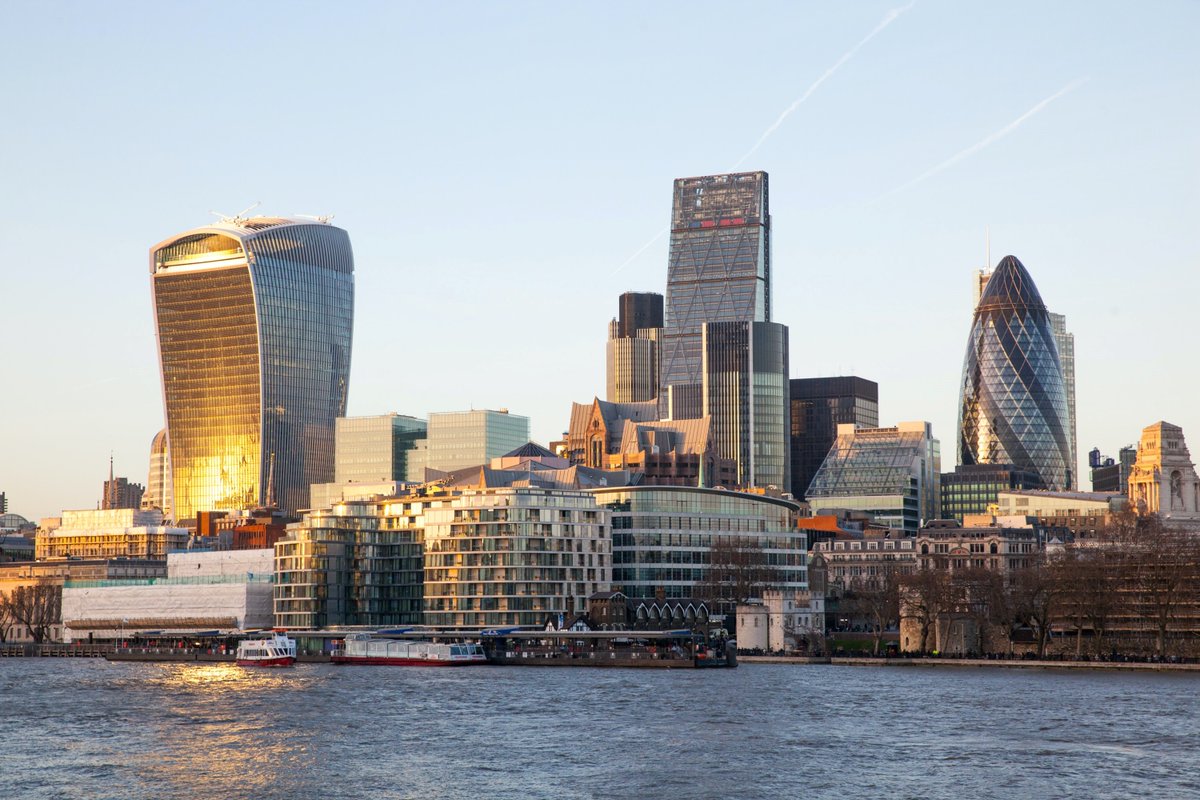
A theme in North London planning this week. While Enfield withdraws from a green belt new town, the Mayor overturns Barnet's refusal of 1,485 brownfield homes in Finchley. Different boroughs, same direction of travel: build on the car parks, not the fields. #Planning#Housing
21,000 proposed homes at Crews Hill, gone. Enfield has withdrawn from the New Towns programme on a green belt protection mandate. The real test now: can a brownfield-first strategy actually deliver the numbers North London needs? #Planning#Housing#Enfield
The Deputy Mayor directed Barnet council that the Mayor will act as the Local Planning Authority and call in the planning application for Great North Leisure Park. More information 👇 #GLAPlanning#GoodGrowth
https://t.co/b1U7x9yDQE
The Mayor has resolved that he is satisfied for Enfield Council to determine the application for Montagu Industrial Estate itself (grant consent)✅🏡🏨👇 #GLAPlanning#GoodGrowth
https://t.co/7iOBxcQ1Aq
Short-term lets to be subject to planning permission: The Department for Levelling Up, Housing and Communities (DLUHC) has announced that a new use class will be created for short-terms lets not used as a sole or main home - The Planner
The proposals announced by the government today aim to boost housing development of brownfield sites across the country. But some practitioners have warned that the changes are “nothing new”.
https://t.co/0ML7QVgFQs
Following the enactment of the Levelling-up and Regeneration Act in October 2023, the 4-year rule for residential Lawful Development Certificates (existing use) will no longer apply. Going forward, the issuance of certificates will exclusively adhere to the 10-year rule for all cases.
@michaelgove, Housing Secretary, informed the House of Lords Built Environment Committee of his department's intention to scrutinize the performance of local authorities more rigorously. He acknowledged that the contributions of public sector planners are frequently undervalued.
Urban planning trends over the next 20 years are expected to be shaped by a variety of factors, including technological advancements, demographic shifts, environmental challenges, and changes in societal values. Here are some key trends that are likely to influence town and urban planning:
Sustainability and Climate Resilience: As climate change continues to impact cities worldwide, urban planning will increasingly focus on sustainability and resilience. This includes the development of green infrastructure, such as parks and green roofs, to manage stormwater and reduce heat islands, as well as the integration of renewable energy sources into the urban fabric.
Smart Cities: The integration of technology into urban infrastructure will continue to grow, with smart cities utilizing IoT (Internet of Things) devices, big data, and AI to improve urban services and quality of life. This could include everything from traffic management systems to reduce congestion and pollution to smart grids for more efficient energy use.
Increased Focus on Public Health: The COVID-19 pandemic has highlighted the importance of public health in urban planning. Future planning efforts may place a greater emphasis on designing cities that promote physical and mental health, through the provision of public green spaces, active transportation networks like cycling and walking paths, and the design of buildings and public spaces that enhance social interaction while allowing for physical distancing when necessary.
Urban Density and Compact Cities: With the ongoing challenge of urban sprawl, there is a growing trend towards creating denser, more compact cities. This approach seeks to make efficient use of space, reduce reliance on private vehicles, and create more vibrant urban environments. However, this will need to be balanced with the need for open spaces and adequate housing to avoid overcrowding and ensure a high quality of life.
Mobility and Connectivity: Advances in transportation technology, such as electric vehicles, autonomous cars, and improved public transit systems, will shape urban mobility. The emphasis will be on creating multimodal transportation networks that are accessible, reliable, and sustainable, reducing dependence on fossil fuels and improving air quality.
Inclusive and Equitable Development: There is an increasing recognition of the need for urban planning to be inclusive and equitable, ensuring that all community members have access to housing, services, and economic opportunities. This includes addressing issues of affordable housing, gentrification, and the creation of inclusive public spaces.
Adaptation to Technological and Work Changes: The rise of remote work, accelerated by the pandemic, may continue to influence urban planning, with less emphasis on central business districts and more focus on creating livable, mixed-use neighborhoods where people can live, work, and play.
Focus on Localism and Decentralization: There may be a shift towards more localized, decentralized urban development, with an emphasis on strengthening local economies, food systems, and energy production. This trend could lead to more self-sufficient communities within larger urban areas.
Integration of Nature into Urban Environments: Biophilic design, which seeks to connect building occupants more closely to nature, will become more prevalent in urban environments. This can include the integration of plant life into buildings and urban spaces, the development of blue-green corridors, and the preservation of natural habitats within urban areas.
Digitalization of Planning Processes: The use of digital tools and platforms for urban planning and public participation will become more widespread, allowing for more dynamic, responsive, and participatory planning processes.
These trends will evolve as cities adapt to new challenges and opportunities. Planners, policymakers, and communities will need to work together to envision and create urban environments that are resilient, sustainable, and inclusive.
What does Biodiversity Net Gain mean, and how will it affect developers and communities across the UK? See below.
1. Environmental Protection and Enhancement: BNG aims to leave biodiversity in a better state than before. For major developments, this means not just mitigating the impacts on local ecosystems but enhancing them. By requiring developers to improve biodiversity, BNG helps to counteract the loss of habitats and species due to urbanization and industrial activities.
2. Legal Compliance: In the UK, there's increasing legislative emphasis on BNG. For instance, the Environment Act 2021 makes BNG mandatory for most developments. Developers must achieve a minimum of 10% improvement in biodiversity value compared to the pre-development baseline. Compliance is not just environmentally responsible but also a legal requirement.
3. Sustainable Development Goals: BNG aligns with broader sustainable development goals. It encourages developments that are environmentally sustainable, socially equitable, and economically viable. By promoting green spaces and natural habitats within urban areas, BNG contributes to the health and well-being of communities.
4. Climate Change Mitigation: Biodiversity-rich environments, such as woodlands and wetlands, are effective at carbon sequestration. By enhancing these environments, BNG can contribute to the UK’s climate change mitigation efforts.
5. Long-Term Economic Benefits: While BNG may present upfront costs for developers, there are long-term economic benefits. Enhanced biodiversity can lead to healthier ecosystems, which in turn provide services like flood regulation, air purification, and recreation spaces. These benefits are crucial for the sustainable growth of urban areas.
6. Public Perception and Corporate Responsibility: Companies that demonstrate a commitment to biodiversity and environmental stewardship can improve their public image and stakeholder relations. This can be particularly important for businesses seeking to establish a positive reputation in their local communities.
7. Resilience Against Environmental Risks: Biodiversity-rich environments are more resilient to environmental stresses such as diseases, pests, and climate extremes. By promoting biodiversity, developments can create more resilient urban and rural landscapes.
In summary, Biodiversity Net Gain is critical in the UK's approach to balancing development needs with environmental conservation, aligning with legal requirements, and contributing to long-term sustainability and resilience.
The Department for Food, Environment and Rural Affairs (Defra) has confirmed that biodiversity net gain (BNG) for major developments will go live on 12 February.
Read more here: https://t.co/PJYqveYqku
#BiodiversityNetGain#EnvironmentProtection#RuralDevelopment
Our existing #HMO licensing scheme is coming to an end, and so we want to hear YOUR thoughts on our new proposed scheme 🥳
We want to ensure landlords take responsibility for the homes they let🏡
Have your say by 12 February 👉 https://t.co/B9Mt45AkvB
The calm of a Sunday evening is a great time to prep for the busy week ahead. Organising my thoughts and setting clear goals ensures a smoother, more productive week. Wishing everyone a week filled with success, clarity, and positivity! Let's make it count! 🚀 #SundayMotivation #PositiveVibes
Last month, Housing Secretary Michael Gove unveiled a transformed National Planning Policy Framework, focusing on accelerating planning processes and promoting brownfield development. This strategic shift aims to enhance the efficiency of urban planning and housing delivery in the UK. #NPPF #UrbanPlanning
Exciting news as Blaby District Council approves a groundbreaking 500MW/1GWh battery storage project by Exagen. This leap in renewable energy storage, powering 235,000 homes, exemplifies innovative solutions in meeting our 2050 net-zero targets. #RenewableEnergy #SustainableFuture
Recent survey reveals 68% public support for UK's BNG rules, highlighting a growing trend in eco-conscious development. I see this as a pivotal shift towards integrating biodiversity in urban planning. #BiodiversityNetGain#SustainableDevelopment
🏙️ London's top trends in planning and architecture for 2023:
Eco-chic: Green buildings 🌿
Old to New: Adaptive reuse 🏗️
Mixed-Use: Live, work, play areas 🌇
Smart City: Tech-infused living 📱
Public Space Renaissance: More parks & squares 🌳
Prefab Revolution: Quick-build innovation 🏠
Sky Gardens: Vertical greenery 🌺
Heritage: Conserving history 🏛️
Material Matters: New, sustainable materials 💡
Design for All: Inclusive spaces 🤝 #LondonTrends #Architecture #UrbanPlanning 🌍