The article "The Shocking Truth – Electricity Causes Multi-System Trauma" provides a comprehensive overview of how electrical injuries impact multiple body systems, including the brain. Below is a concise breakdown of its relevance to the topic of electricity and brain injuries, tailored to the research memo format you requested.
Overview
Published by the National Center for Biotechnology Information (NCBI), this resource explores the wide-ranging effects of electrical injuries, emphasizing that electricity doesn’t just harm one part of the body but causes trauma across systems like the nervous, cardiovascular, and musculoskeletal systems. For brain injuries, it highlights how electrical shocks can disrupt neural function, leading to immediate and long-term consequences.
Key Points Relevant to Electricity and Brain Injuries
1. Mechanisms of Brain Injury
Explanation: Electrical currents passing through the body can directly affect the brain by disrupting neural pathways or causing secondary injuries (e.g., falls leading to concussions).
Key Facts: The article notes that high-voltage shocks are particularly dangerous, potentially causing seizures, unconsciousness, or cognitive deficits. Even low-voltage shocks can lead to subtle neurological changes.
Debates: It touches on the controversy over whether low-voltage exposures cause significant brain damage, with some studies suggesting cumulative effects over time.
2. Symptoms and Diagnosis
Explanation: Brain-related symptoms include headaches, memory loss, and mood changes, often requiring advanced diagnostics like MRI or EEG to confirm damage.
Key Facts: The article cites cases where patients showed delayed neurological symptoms, complicating diagnosis. Functional imaging is increasingly used to detect subtle injuries.
Debates: There’s discussion on the reliability of patient-reported symptoms versus objective tests, as electrical injuries can mimic other conditions.
3. Treatment and Recovery Challenges
Explanation: Treatment for brain injuries from electrical trauma may involve medications, cognitive therapy, or experimental approaches like transcranial stimulation.
Key Facts: Recovery is unpredictable, with some patients facing permanent deficits. The article references emerging therapies but stresses the need for more research.
Debates: It highlights skepticism around unproven treatments like hyperbaric oxygen therapy, with mixed evidence on their efficacy.
Notable Data and Examples
Data: The article references studies showing that neurological complications occur in up to 30% of electrical injury cases, though exact numbers vary by voltage and exposure type.
Example: It mentions occupational injuries (e.g., electricians) as a common source of electrical brain trauma, underscoring the need for workplace safety.
Why This Resource Matters
This article is valuable for its holistic approach, connecting brain injuries to the broader context of electrical trauma. It’s grounded in medical research, making it a credible source for understanding mechanisms, symptoms, and treatment challenges. Its discussion of debates (e.g., low-voltage risks) adds nuance, helping you navigate complex conversations.
Access the Resource
Source: Available via NCBI at https://t.co/ZpJs6hY7pe
Format: Open-access research article, ideal for in-depth reading or referencing in discussions.
Smart Summary
Multi-System Impact: Electrical injuries affect the brain alongside other systems, causing immediate and delayed neurological issues.
Mechanisms: Direct current disruption and secondary injuries (e.g., falls) drive brain damage, with high-voltage shocks posing the greatest risk.
Diagnosis Challenges: Symptoms like memory loss require advanced imaging, but patient reports can be inconsistent.
Treatment: Options range from standard care to experimental therapies, though efficacy debates persist.
Relevance: A key resource for understanding brain injuries in the context of electrical trauma, especially for occupational safety discussions.
This resource equips you with evidence-based insights to discuss the topic authoritatively in any high-level setting. Let me know if you’d like me to analyze another recommended resource or dive deeper into a specific aspect!
explore low-voltage risks
workplace safety regulations
@Bitcoin_Scales I love the monsoons.... other than when I was driving.
When it rained the kids and I danced in it.
Its one of there greatest memories of Phoenix, AZ
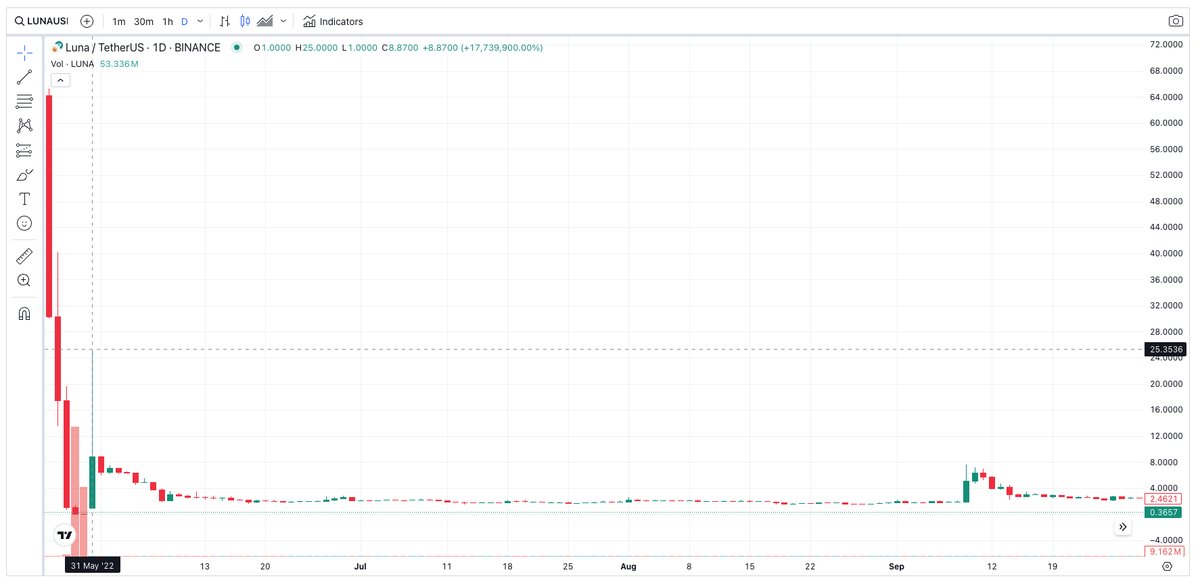
- I'll keep posting this fact every time @X deleted wLUNA feed -
On the day CB made this post, the current version of $LUNA wicked up to $25 per $LUNA and $wLUNA holders were blocked from realizing this.
This post from CB was in response to an investor asking if #wLUNA will track #LUNA or $LUNC.
When will this actually happen? Investors / customers have been waiting over 2.5 years.
@CoinbaseSupport - btw, my like keeps getting removed from this support post, why?