📊 Marketing analytics should help you make better decisions.
But when your data foundation is fragmented, every decision becomes harder. That's why leading marketing teams focus on solving the data problem before solving the marketing problem.
In this carousel, we break down the 4 biggest marketing analytics challenges and how a unified data foundation can help:
✅ Connect data across systems
✅ Prepare analysis-ready data automatically
✅ Fill reporting gaps with complete visibility
✅ Build trust with reliable data
📍Measure ROI
Aggregate all channel metrics into a single dashboard for real-time, automated marketing insights.
📍Facilitate Data Integration
Create a centralized data repository with no-code ETL tools to support agile decision-making.
https://t.co/SgwYeOUEmO
ETL Tools for Ecommerce Analytics 💡
📍 Campaign Performance
Attribution Integrate ad spend data with revenue data to evaluate overall performance.
📍Customer Journey Mapping
Combine GA4 and behavioral data to improve product pages and retargeting.
Here are 3 practical ways teams are using Reverse ETL today:
✅ Personalized email campaigns
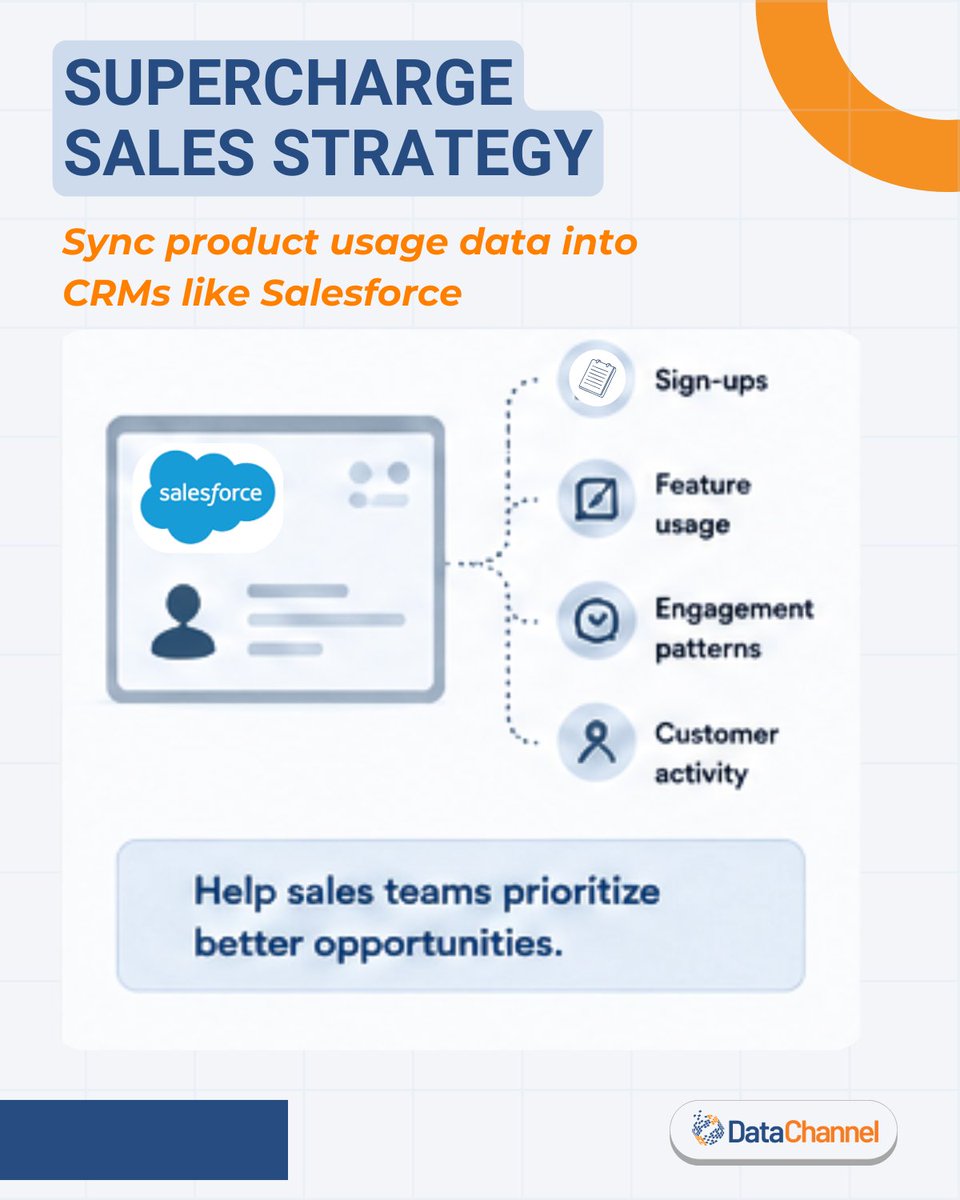
✅ Smarter sales strategies
✅ Better audience targeting
Which Reverse ETL use case is most relevant for your team right now?
https://t.co/eqANDYK8m5
Most teams already have the data, but the real challenge?
.
Getting that data into the tools where decisions actually happen. That’s where Reverse ETL changes the game.
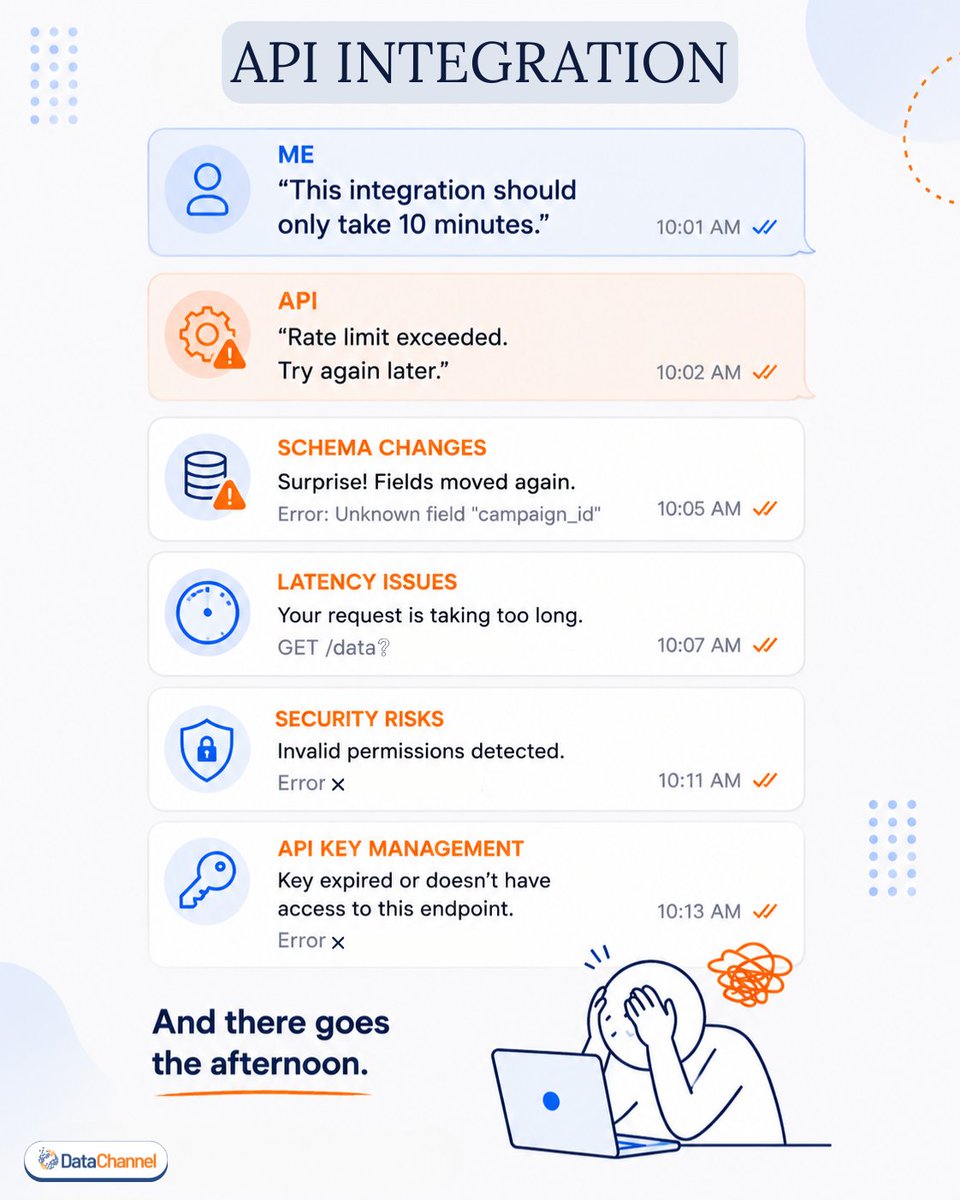
Instead of manually building API integrations, you need a tool that assists you in consolidating data from multiple sources and digging out insights, is also
✅easy on your pocket
✅suits to your Analysis Purposes
✅offering multiple Deployment Options
✅being easy to use
Decisions backed by data help you build personalised & long-lasting experiences for your customer. Want to build a #dataintegration strategy for your ecommerce business?
https://t.co/bU3MZVNv6o
Why your Ecommerce Business needs a data integration strategy? 💁🏻♀️
Ecommerce businesses run on data, but when it lives in silos across platforms like Shopify, Google Analytics, etc decision-making becomes guesswork. That's where e-commerce data integration becomes essential.
A successful & reliable data integration strategy helps you with:
1. Reliable and Consistent #Data
2. Centralized Data for Unified Insights
3. Accessibility & Actionable Information
4. Better #DecisionMaking and Higher #ROI
While sales, marketing, support, analytics, etc often maintain their own data, this often leads to a fragmented #SaaS ecosystem.
This creates the last-mile data problem. Reverse ETL solves it by syncing cleaned & modelled data from a central warehouse into operational systems
Cloud spending is expected to grow significantly in 2026, and as organizations adopt more #cloud applications, they will generate and store far more data across multiple source systems.
https://t.co/zxjKPGlum4
Smart data can make things much easier for marketers. Unfortunately 😮💨, many of them struggle with either finding the right #data or the tools for aggregating data from multiple sources.
A few points to help you understand how to achieve better #ROI with data driven #marketing
1- Help you understand your audience better
2- Tailored marketing campaigns
3- Better connection with your potential #customers
4- Select the best channels for promotion
5- Manage your #budget
With smart #dataanalytics, you can easily provide your customers with better service
Want to build a #dataintegration strategy for your ecommerce business? Build your ecommerce data integration strategy with DataChannel.
https://t.co/bU3MZVNv6o
Modern #ecommerce businesses run on data - but when that data lives in silos across platforms like Shopify, Google Analytics, Meta Ads, and Amazon, decision-making becomes guesswork. This is where e-commerce data integration becomes essential.
A successful & reliable data integration strategy helps you with:
1. Reliable and Consistent #Data
2. Centralized Data for Unified Insights
3. Accessibility & Actionable Information
4. Better #DecisionMaking and Higher #ROI Decisions backed by data.