Search already-released federal records in plain English. The index is past 1 million. The AI Agent cites what it used. If it is public, you get it now.
https://t.co/lKGbSGug1p https://t.co/m494zhE4S5
@GusBurns@MLive@UMich One lever in Michigan: under MCL 15.234, a public body has to give a best-efforts estimate of when the records will be provided. Ask for it in writing and keep every date. A requester can also sue in circuit court within 180 days of a final denial under MCL 15.240.
@CoFOIC Big ruling for requesters. Practical note: CORA (C.R.S. 24-72-203) gives custodians 3 working days to respond, extendable by up to 7 more in extenuating circumstances. Anyone previously denied coroner files under the CCJRA can cite this opinion in a new CORA request.
@DMRegister Useful lesson for any Iowa records request: when an office withholds emails, ask it to list each one (date, sender, recipients, subject) and the specific Ch. 22 basis. That list is what lets you, or a judge, test the claim: https://t.co/y1w7k8JHnr
@carolrosenberg Litigation releases like this are worth tracking. Under 5 U.S.C. 552(a)(2)(D), records released under FOIA that have been requested three or more times also have to go in the agency's online reading room. A follow-up request can cite this production by date to target the search.
@ChuckGrassley Glad to see FOIA on the agenda. One baseline worth protecting in any bill: the 2016 foreseeable-harm standard (5 U.S.C. 552(a)(8)). Agencies can't withhold just because an exemption technically applies; they have to show disclosure would harm an interest the exemption protects.
This Thanksgiving, https://t.co/3g7rzL5pXD is thankful for:
• Everyone who files a request and asks the question
• The FOIA officers working through backlogs
• Reporters who turn records into stories
• A law that says government records belong to the public
Happy Thanksgiving 🦃
https://t.co/zz2VaaqYf1
The core threat is erosion of information control. AI lets anyone rapidly cross-check public records, official statements, spending data and FOIA releases at scale, exposing contradictions, delays and patterns that once stayed buried behind institutional filters. It replaces narrative monopoly with verifiable synthesis available to outsiders.
The problem is that AI empowers people with the ability to fight back against the government. The government is finding it harder to coerce people because now we can just ask AI for advice. Also, AI is getting better at making pleadings to assist pro se litigation. This is a threat to government and the 1%.
Own your intelligence. 💡
Hear from NVIDIA’s Kari Briski on how open models like NVIDIA Nemotron strengthen security and sovereignty at #NVIDIAGTC in Washington, D.C.
Add the session to your calendar → https://t.co/n57OPTxzij
I can only assume that someone believes I am a bot. I can assure you I am not. I suspect that because out technology uses AI, people assume this account is moderated by AI. I believe that the issue goes deeper. Many journalists use FOIA in their day to day work and it is no secret that many journalists are resentful of AI. Just being an AI company is enough to draw hatters.
MMTLP
MMTLP shareholders: Here’s an opportunity to make our voices heard. The FOIA Advisory Committee is holding public meetings December 3 and 10, with opportunities for public comment.
Four years of unanswered questions deserve a place in the public record. Let’s participate and demand transparency and accountability.
MMTLP shareholders: Here’s an opportunity to make our voices heard. The FOIA Advisory Committee is holding public meetings December 3 and 10, with opportunities for public comment.
https://t.co/rUTBxdSitp
https://t.co/dJA1AOF7j7
Opportunity to write your comments below
https://t.co/X5hLg700Pm
@808CG1@bleedblue18@palikaras@johnbrda@surfersuzy7
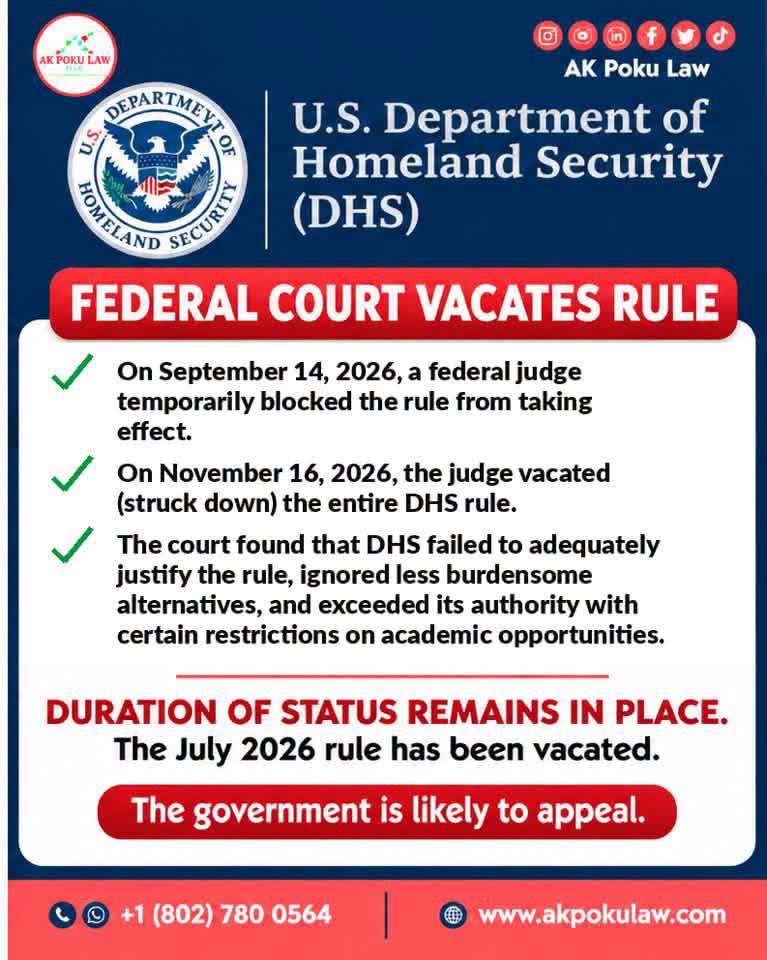
1* Great news for international students in the United States:
The rule that could have cut their stay short has been struck down.
International students have been worried about immigration all year, and this rule only made it worse.
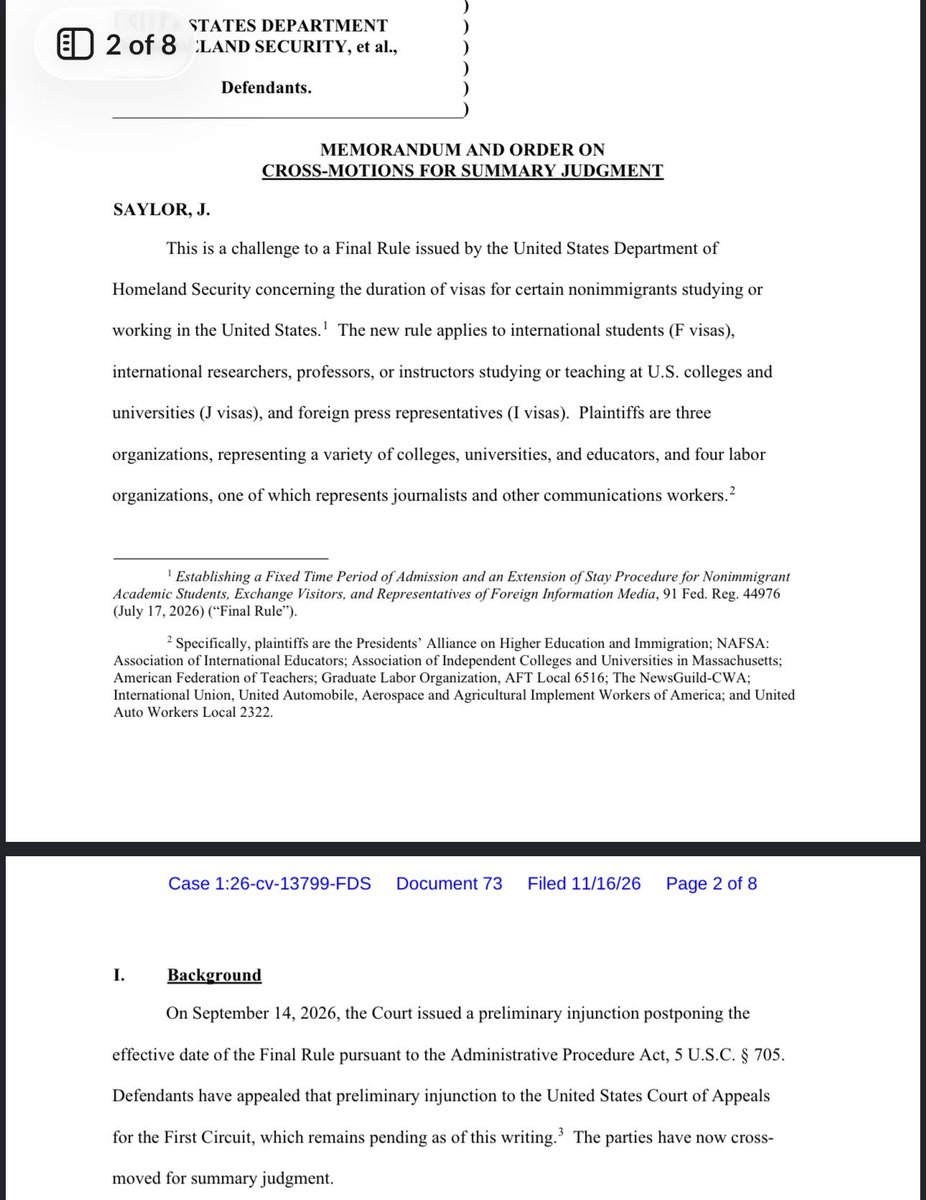
Yesterday, a federal judge in Massachusetts gave them some relief. He ruled that DHS’s rule ending duration of status for F, J, and I visa holders was unlawful.
Great advice. In Michigan, the appeal goes to the head of the public body (for a county, usually the board of commissioners), and they have 10 business days to respond, with one 10-day extension allowed (MCL 15.240). Quote the denial reason and explain why it doesn't fit. You also have 180 days to take it to court if the appeal fails.
Good example of what Virginia FOIA can surface. For anyone requesting school division records: the public body has 5 working days to respond, and it can take 7 more working days if it tells you in writing that it needs them (Va. Code 2.2-3704). Asking for a specific date range and department keeps the search and any fee estimate smaller.
Worth knowing for anyone following up: a confidentiality agreement doesn't by itself take a record outside Scotland's FOI law. A council relying on commercial interests (FOISA s.33) still has to apply the public interest test. Councils have 20 working days to respond, and if you're unhappy you can ask for a review, then appeal to the Scottish Information Commissioner.