$MU $DRAM $SNDK $TSM Bullish
"There will not be enough chips." -@elonmusk
Elon Musk just said the new fabs will produce only a tiny fraction of the memory that is needed and anticipated over the next 5 years. The best case assumption is not enough to meet the demands.
"It's worth noting that there's not a single high volume high volume memory fab America right now. Zero."
"There's one being built in Idaho by Micron, but that will not reach volume production until I believe 2028, and that's something being build in New York, but they are, I think 29 and 30, and this is a tiny fraction of the memory that's needed, and in fact, even if you take the best case assumptions of the the memory makers and the logic makers, it is not enough to meet the demand that is anticipated, which is why you're seeing stocks of Micron go to 1.2 trillion or some quite high number."
"So there's just clearly a need for AI logic memory and packaging, AI computers essentially, that is far beyond what even the best case assumptions of the existing fabricators can do."
"And that's why we need to do the Terafab. Yeah, it seems like essential, otherwise there will not be enough chips."
Jensen Huang just gave one of the most bullish signals yet for the memory industry $MU $DRAM
$NVDA released 4 new products and at NVIDIA’s Korea event, he repeatedly emphasized one thing: more memory.
• Vera Rubin supercomputers need massive amounts of HBM
• Vera CPUs require more LPDDR5 memory
• RTX Spark AI PCs need more LPDDR5 memory
• NVIDIA’s new robotics and autonomous driving platforms are being built alongside partners including Samsung, SK hynix, and LG
A massive demand for memory is coming.
Nvidia $NVDA CEO just said that Vera Rubin is now in full production
The supply chain Nvidia created for Vera Rubin is twice as large as Grace Blackwell
JENSEN HUANG: “WE HAVE A SURPRISING NEW PRODUCT THAT WE HAVEN’T TOLD ANYONE ABOUT YET. WE WILL ANNOUNCE IT LATER.” June 1 Taiwan Time - means some news possibly sunday night. $NVDA
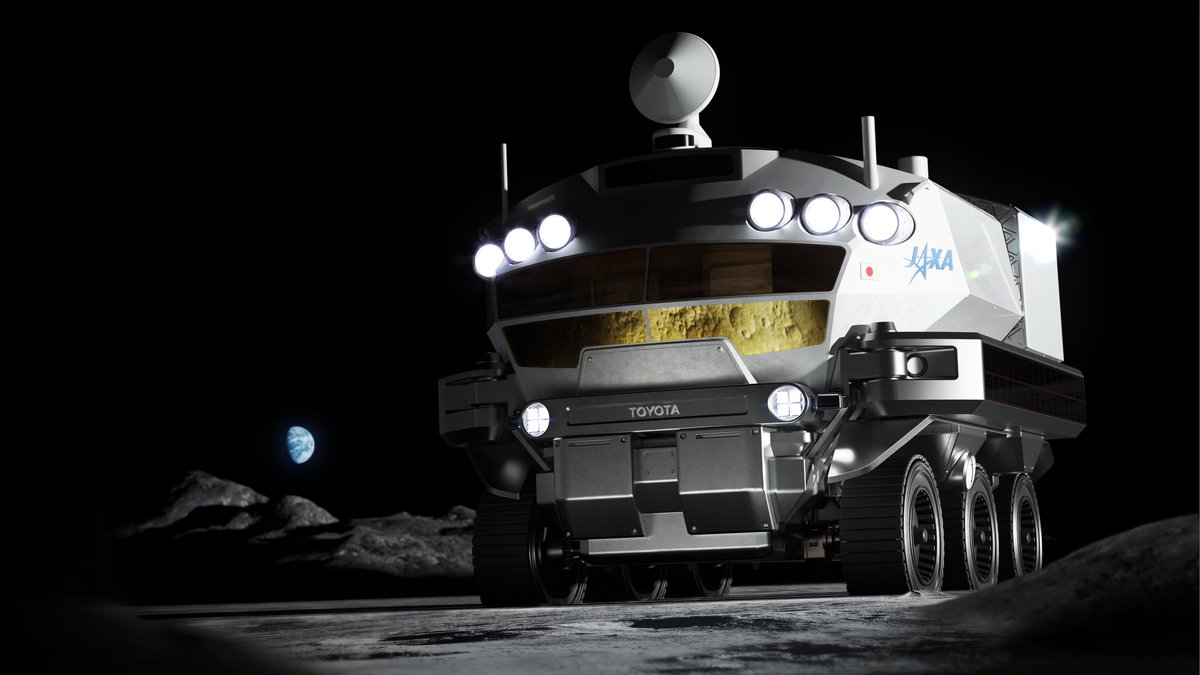
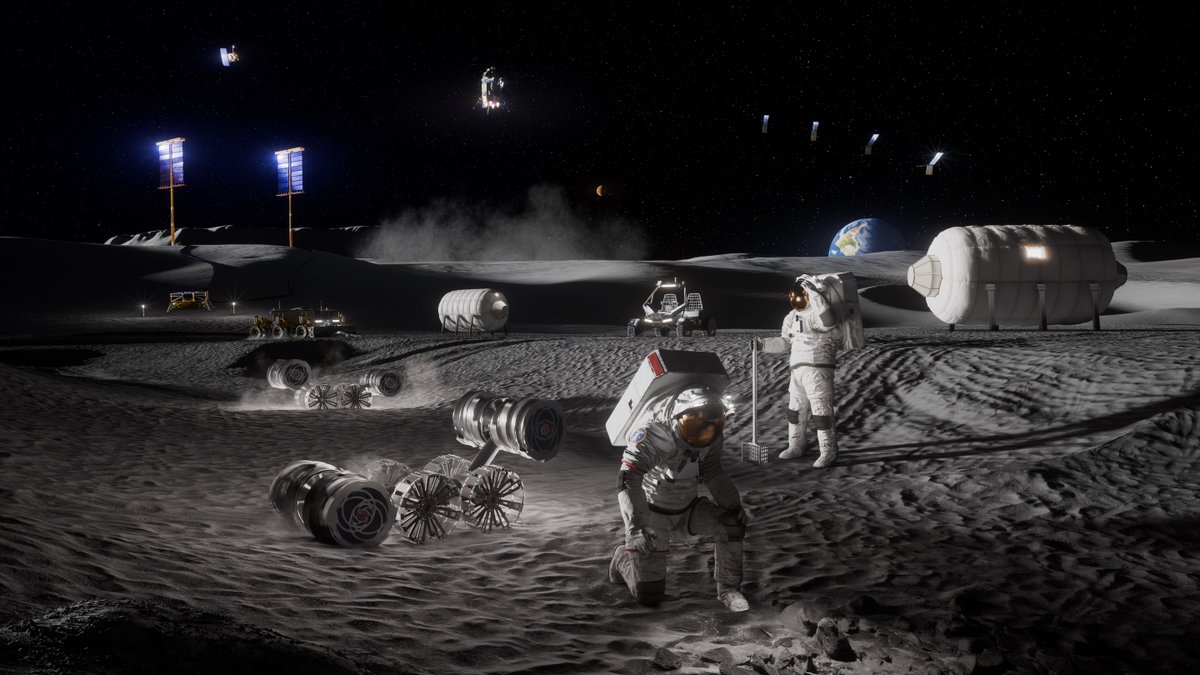
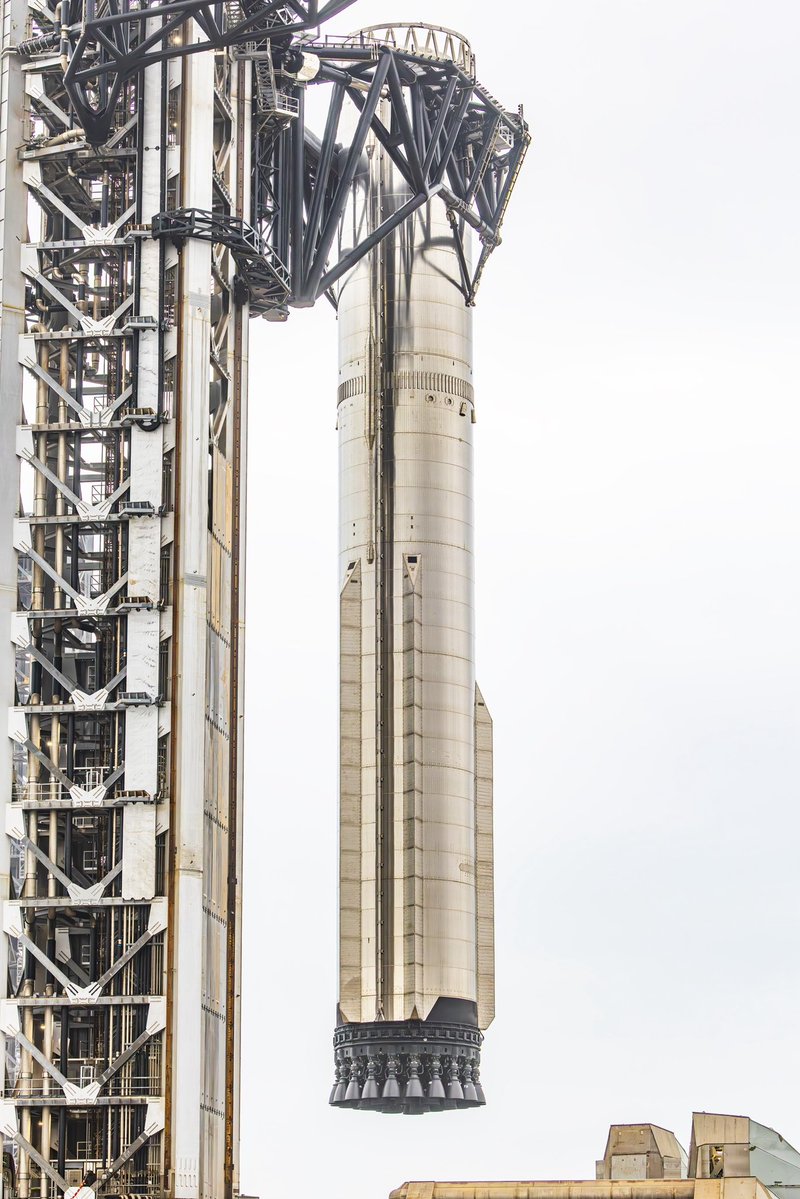
NASA has just launched a new website for its Moon Base missions, which aims to build a permanent $20 billion U.S. base on the Moon. @SpaceX's Starship rocket will play a big role in these missions.
"The Moon Base is a home away from Earth for Artemis astronauts who will live and work at humanity’s first lunar outpost. NASA is leading global teams of innovators across international space agencies, industry, and academia to build the Moon Base and establish an enduring human presence near the lunar South Pole for the benefit of all.
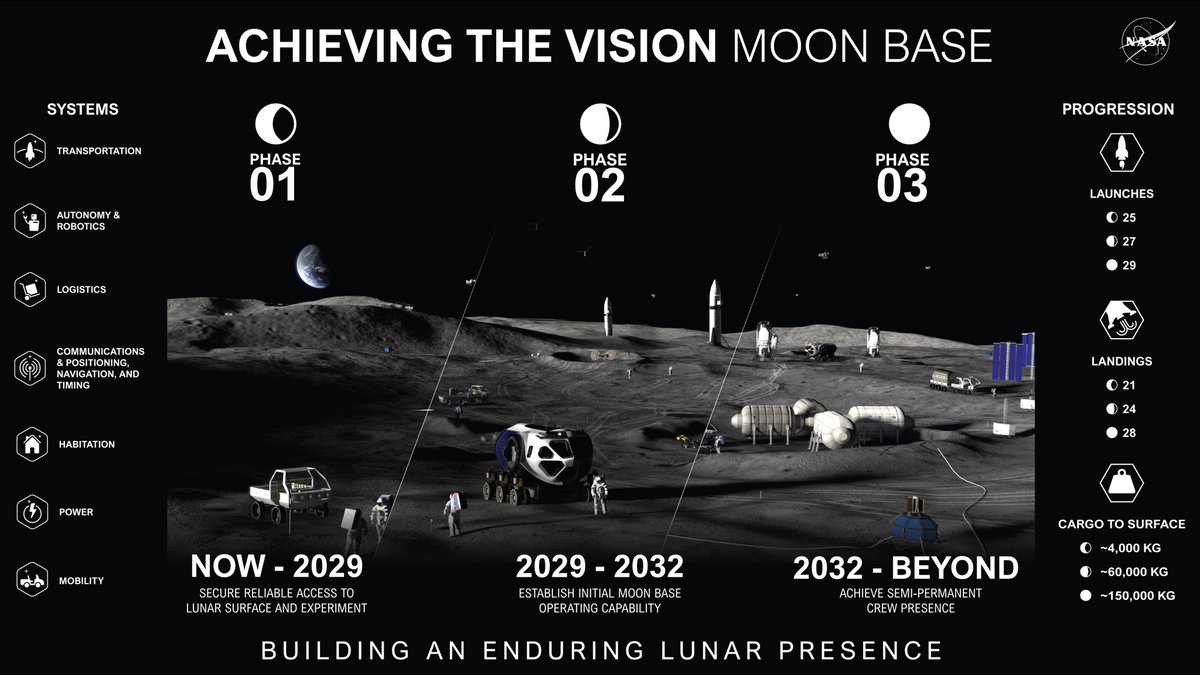
Phase One (Now–2029): Experiment and Learn
NASA will begin with a rapid series of robotic missions to scout the lunar South Pole region, test technologies, and prepare for surface operations ahead of future astronaut missions.:
• A major increase in lunar activity, with up to 25 missions, including 21 landings.
• Crewed and autonomous rovers for mobility demonstrations and surface preparation, along with four drones known as MoonFall and communications relay and observation satellites.
• Early demonstrations of power, navigation, communications, and nuclear radioisotope heater unit technologies designed to endure the long lunar night.
• Scientific payload opportunities integrated across landers and rovers.
• The first tangible footprint of Moon Base effort, with four tons of payload delivered to test what works on the lunar surface.
Phase Two (2029–2032): Early Habitation
By 2029, NASA will transition to assembling semi-permanent infrastructure and initiating early habitation and logistics operations:
• Deployment of expanded solar power systems and initial nuclear surface power capabilities, potentially including fission reactors and radioisotope power systems.
• Upgraded rovers, potential advanced MoonFall drones, and early habitation elements.
• Enhanced surface-to-orbit communications networks to provide reliable connectivity across the lunar South Pole region.
• Delivery of up to 60 tons of cargo through as many as 24 landings using low-, medium-, and heavy-class cargo landers.
Phase Three (2032 and Beyond): Sustained Human Presence
This phase will scale operations to achieve a true enduring presence, with routine crew rotations and continuous surface activity. This is when living and working on the Moon becomes a reality:
• Semi-permanent habitation modules with spacious interior for crew living and operations.
• Operational fission surface power systems capable of delivering steady, reliable energy through the long lunar nights, leveraging in situ resource manufacturing.
• Advanced logistics networks supported by crewed and autonomous rovers to keep the base supplied and functioning year-round.
• Delivery of up to 38 tons of cargo annually to sustain habitats, power systems, logistics operations, and major science outposts, enabled by low-cost reusable heavy-lift capabilities."
Moon base website: https://t.co/nefXl3J2FR
NVIDIA, $NVDA, EARNINGS SUMMARY:
1. Record quarterly revenue of $81.6 billion, above expectations
2. Q1 adjusted EPS of $1.87, above expectations
3. Q2 revenue guidance of $89.2 billion to $92.8 billion, above expectations
4. New $80 billion share buyback authorization
5. Increase in dividend from $0.01/share to $0.25/share
6. Total revenue growth of +1,035% over the last 3 years
Once again, Nvidia has crushed just about every expectation possible.
The AI Revolution is on fire.
$MU: Our financial outlook has strengthened since our last earnings call. We're on track for another substantial record free cash flow in fiscal Q3. We expect tightness for HBM, Dram, and Nand to continue well beyond calendar year 2026."
Jensen Huang says $NVDA has “the largest supply chain in the world” but AI demand is still outstripping global capacity.
The bottleneck is memory, compute, power and the physical buildout required to turn AI demand into usable capacity.