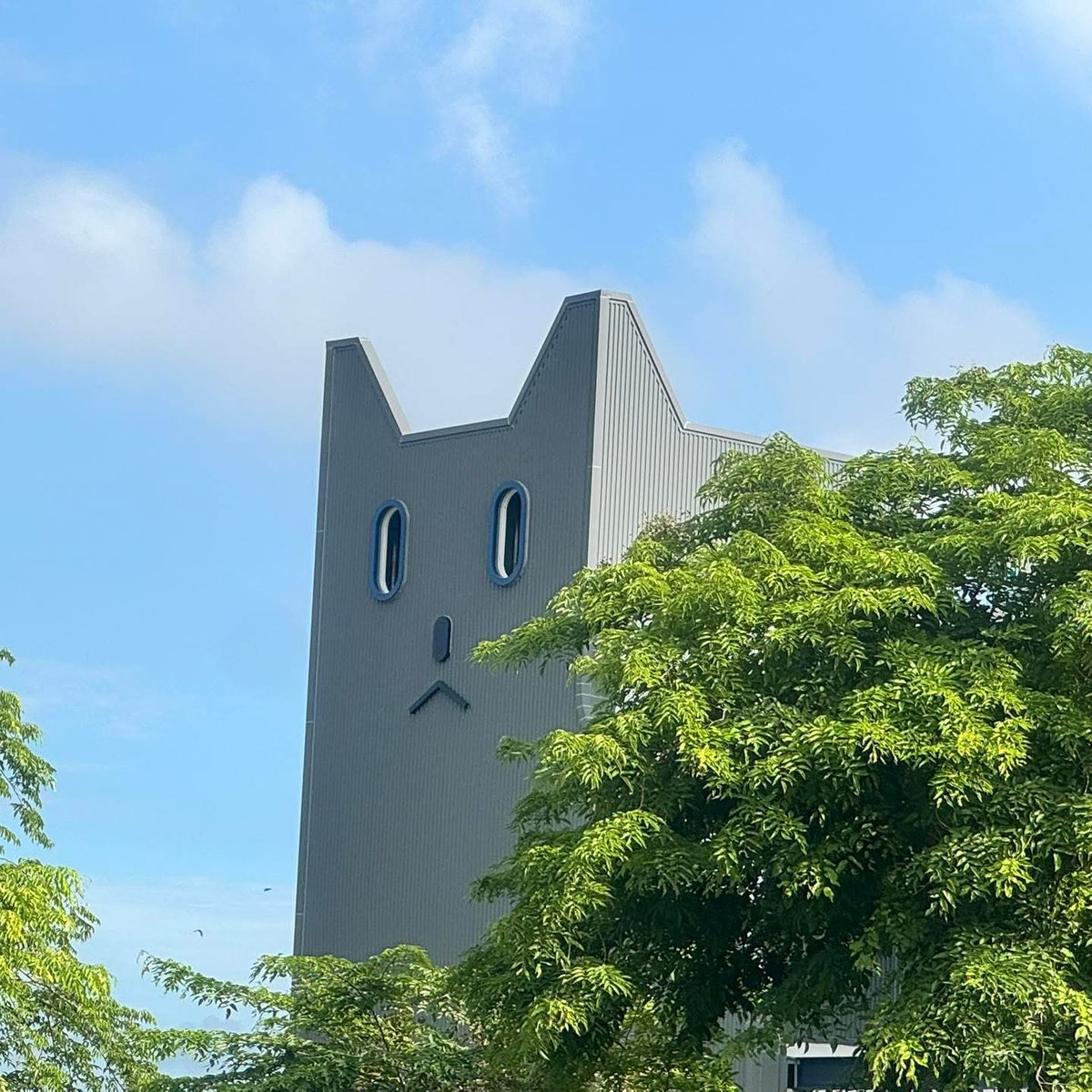
In Turkey, an elderly man who makes his living by shining shoes never turns away this little friend when a cat that shows up at the same time every morning asks to have its fur brushed.
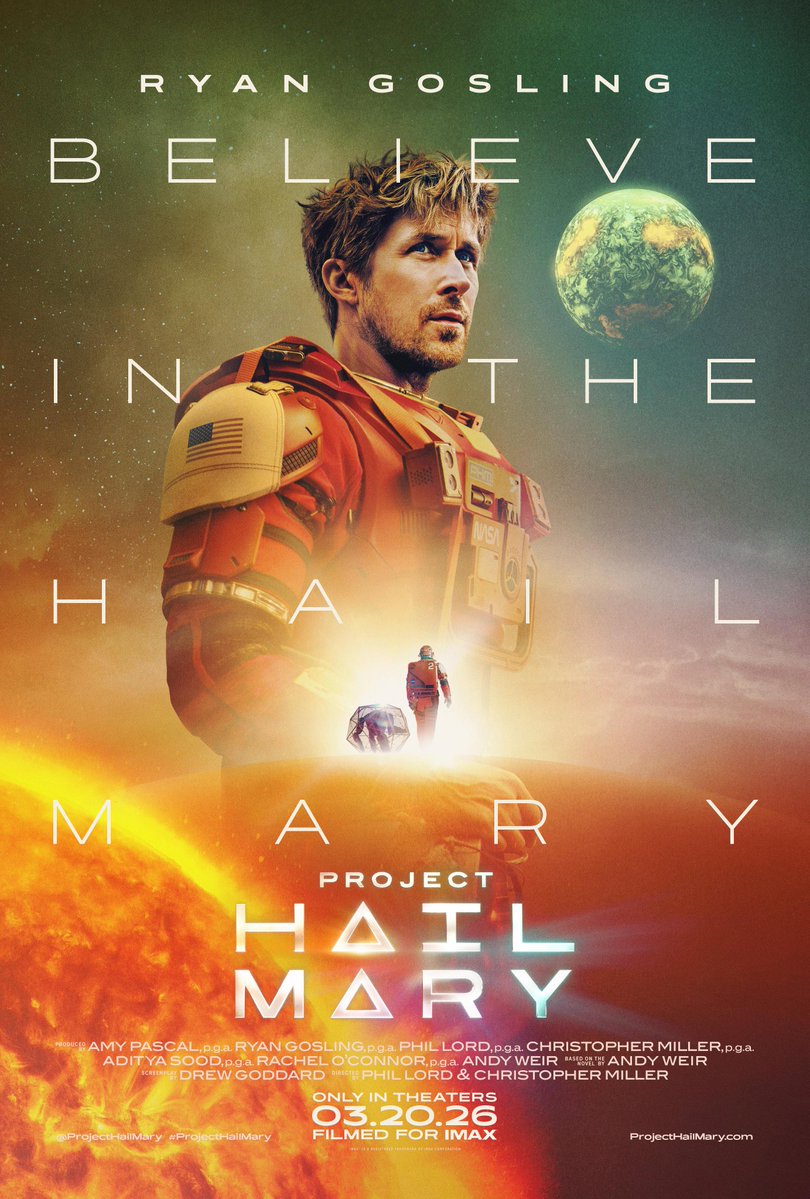
I love that the two biggest hit movies in theatres right now are about the benefits of co-existence and recognising the need to work together, even if it's a different species or from another galaxy, to solve a problem affecting the planet.
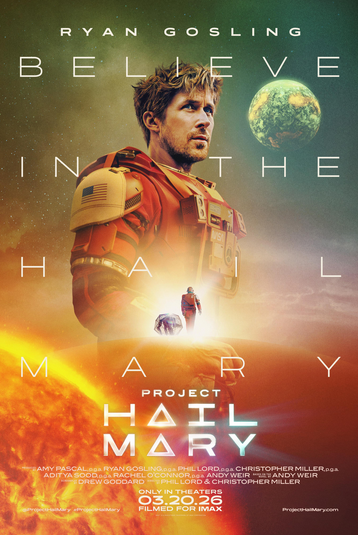
Project Hail Mary opened last week. Great film. But nobody is talking about the credits. They should be.
A guy with a telescope spent hundreds of hours collecting light from objects so distant that the photons hitting his sensor left their source before Rome was founded. His name is Rod Prazeres. His images ended up on 70-foot IMAX screens worldwide.
Look at what he captured. The Rosette Nebula is a cloud of gas 5,000 light-years away that has arranged itself into the shape of a human eye, ringed by fire. The Vela filaments are a stellar explosion still spreading outward through space – blue threads so fine they look like frost on glass. The dust pillar in the Pelican Nebula is manufacturing new suns right now. While you read this.
None of it was rendered. All of it is real.
Weir spent years getting the science right. The filmmakers felt the same way about the sky. When they needed something beautiful enough to close the film, they went looking for something that actually exists.
They found it. 5,000 light-years out.
Gandalv / @Microinteracti1
‘Project Hail Mary’ contains not a single green screen shot in the entire movie, director Christopher Miller says. “There is no green screen in the movie whatsoever. Not a single green or blue screen was used. The whole ship was built as a set from inside.