Sink your teeth into geology with a tasty new #NASASTEM activity demonstration. 🧛
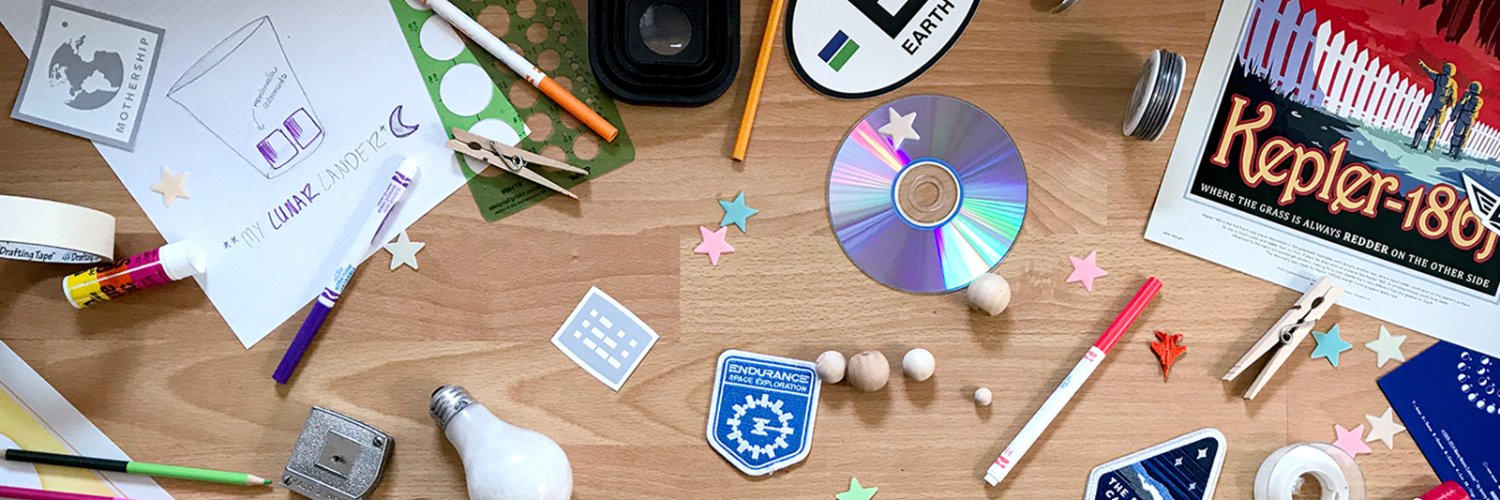
This #Halloween, use candy bars to make observations like a @NASA geologist! Practice sketching a sample and taking “fieldnotes” of what you see.
No tricks here, just tasty treats. 👻
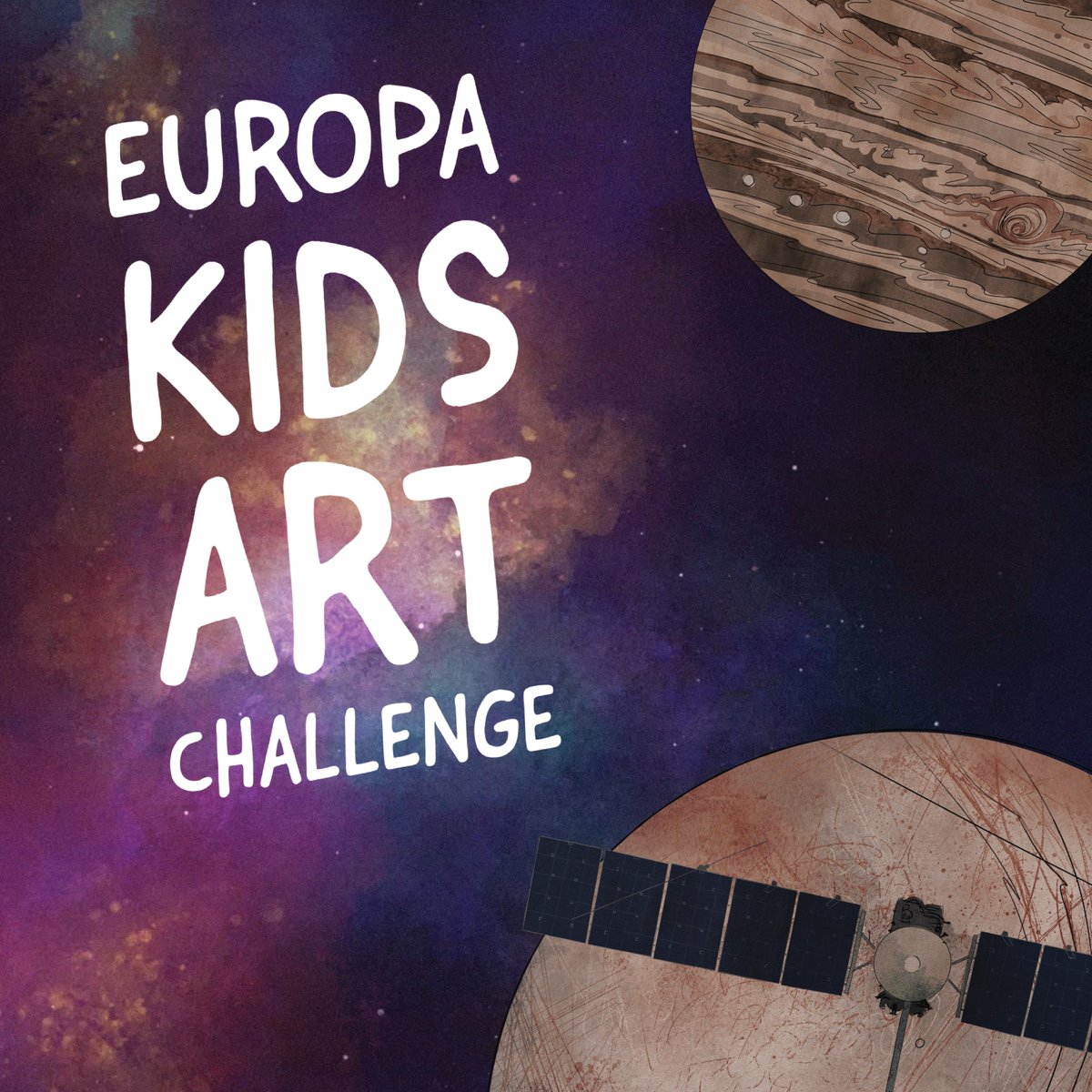
Picture this: what might exist below Europa's surface? If you know creative kids, encourage them to submit to our new art challenge. Entries submitted by Sept. 30 may be featured online or during the launch broadcast in October! Get the full picture: https://t.co/aLytfiap1u
Students: Here’s your chance to send YOUR space art to Antarctica! 🐧
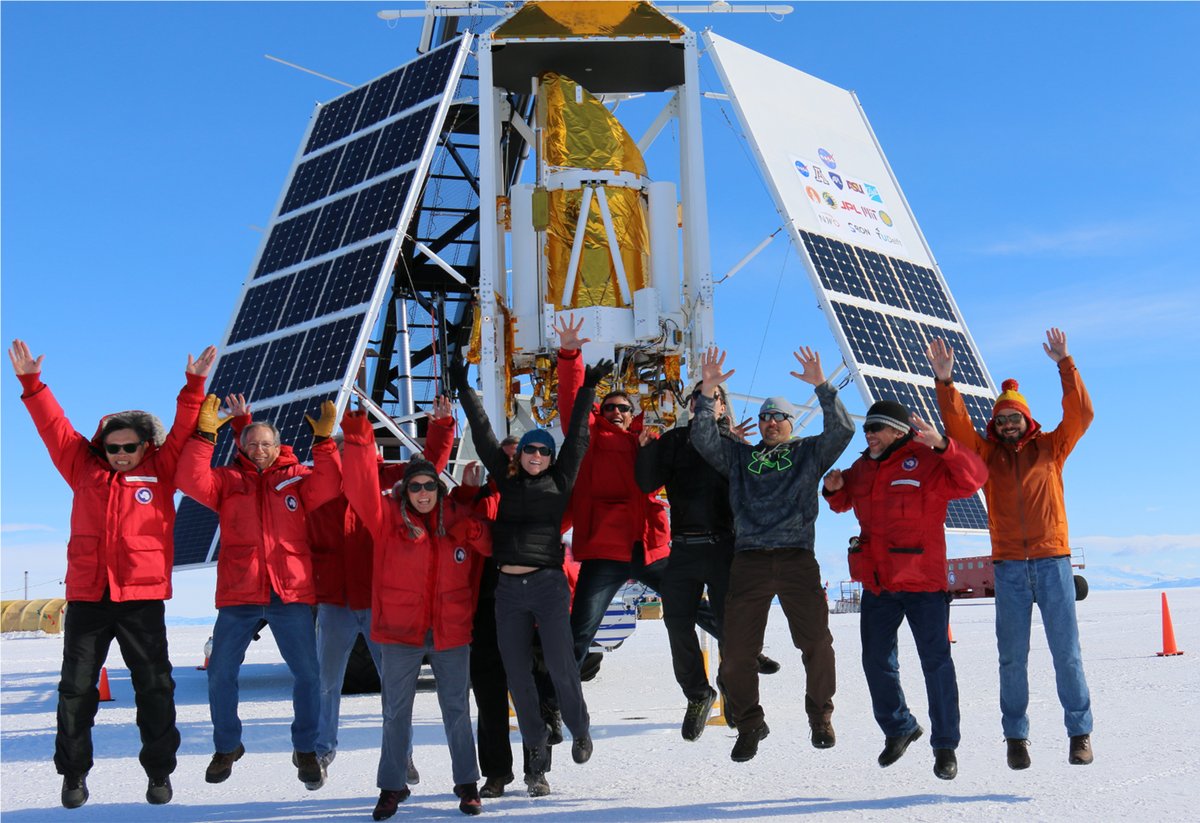
ASTHROS, a far-infrared telescope that will study star formation in galaxies, is launching on a balloon from the icy continent this December and your art could go with it!
Deadline is 8/31 - More: https://t.co/5xvL0p2cdL
Grant opportunity! 🚀Science museums, planetariums, youth-serving orgs, and libraries are encouraged to apply for 2024 NASA TEAM II Community Anchor (due Aug. 27) and STEM Innovator Awards (due Sept. 26).
Full info and contact email for questions can be found here:
https://t.co/OmKcNjfpIJ
Congratulations to the class of 2024! 🎉🎓
You've accomplished so much and now it's time for your next chapter. As a graduation gift, recent astronaut graduates share their advice and encouragement for all of you taking off on your next big adventures.
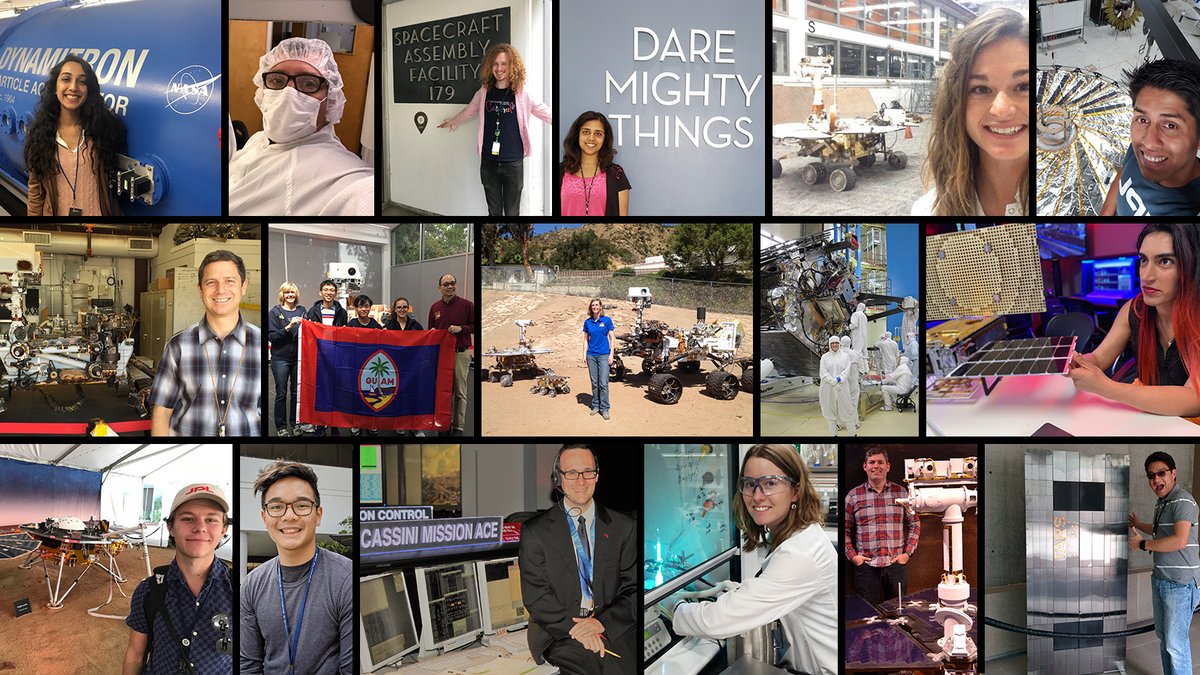
For these students, an internship at @NASAJPL meant the chance to help develop a trio of small rovers for the Moon.
The rovers, part of @NASA's upcoming technology demonstration called CADRE, are designed to work as a team to explore the Moon's surface autonomously. Their success could pave the way for future multi-robot missions.
Learn more about JPL internships at https://t.co/KE65zmie3m
Educators, looking for new ways to explore black holes with your students? Check out these resources and activities from our friends at @NASAJPL_Edu: https://t.co/G8NlFfm2oJ #BlackHoleWeek
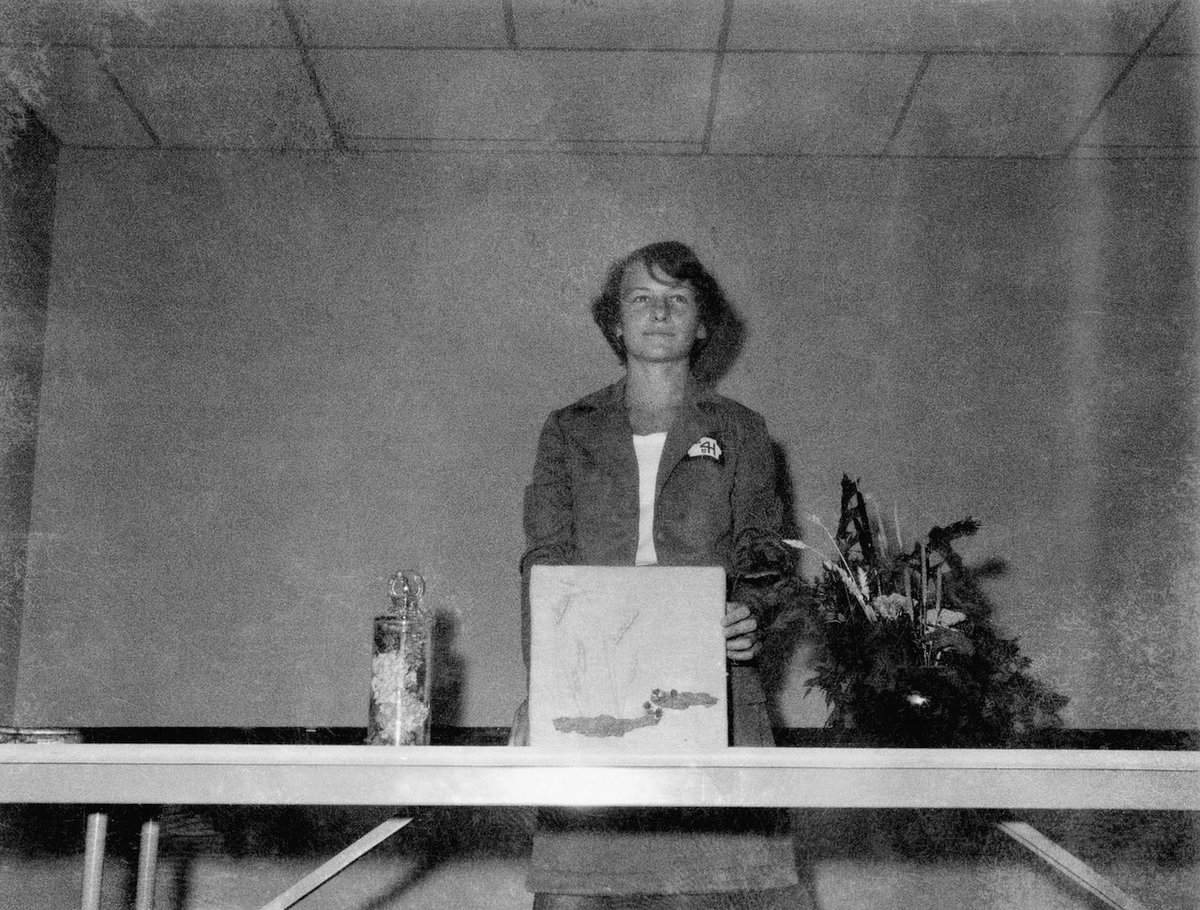
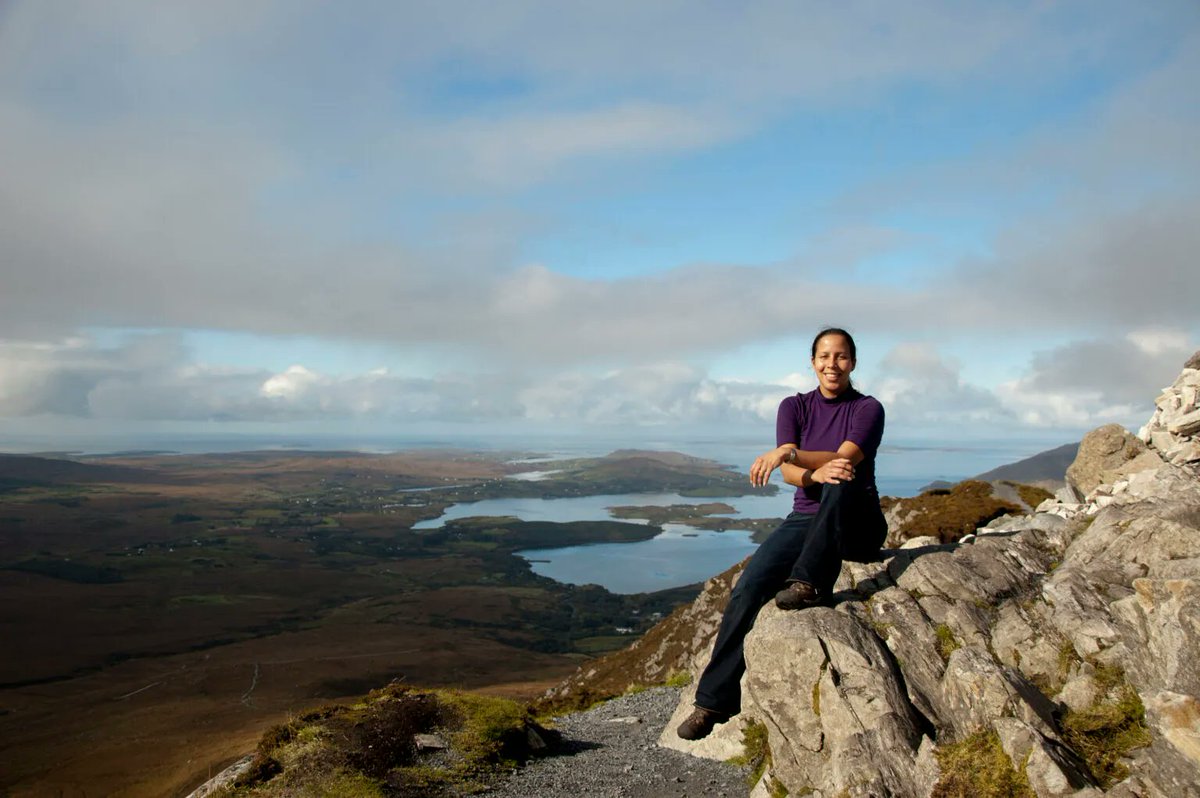
Thank you Mr. Scott for setting up advanced biology classes for me once I had taken all that were offered.
Thank you Dr. Delores Graff for your infectious energy and enthusiasm for science that helped my confidence grow.
Thank you Dr. Kathleen Matthews for teaching me scientific methods and demonstrating a phenomenal work ethic!
And to all of the educators out there - thank you for inspiring the next generation!
#TeacherAppreciationWeek
Teachers, it’s because of you that we dare mighty things @NASAJPL, doing the impossible to explore Earth, our solar system, and the universe beyond.
In honor of #TeacherAppreciationWeek, we want to share our thanks for helping us reach for the stars.
These @CalStateLA students are exploring the origins of life and the possibility of life beyond Earth as part of their internships @NASAJPL. https://t.co/EzhluC9GDP
Educators: #EarthDay may be over, but we’re never done talking about our favorite planet!
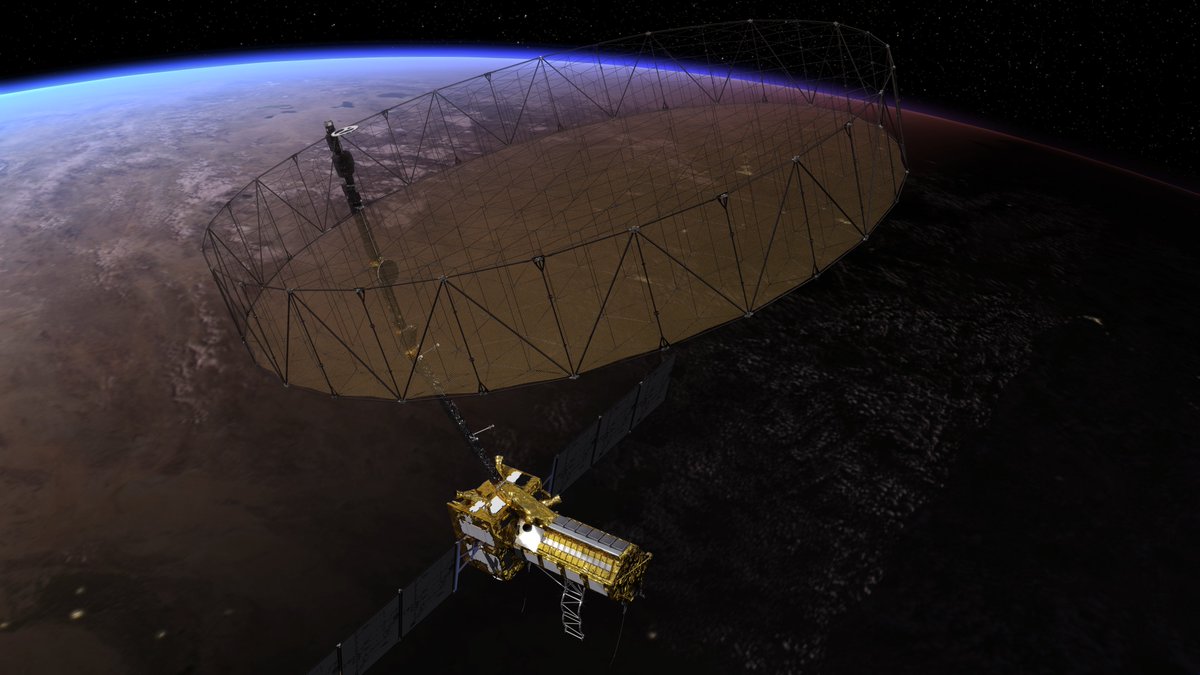
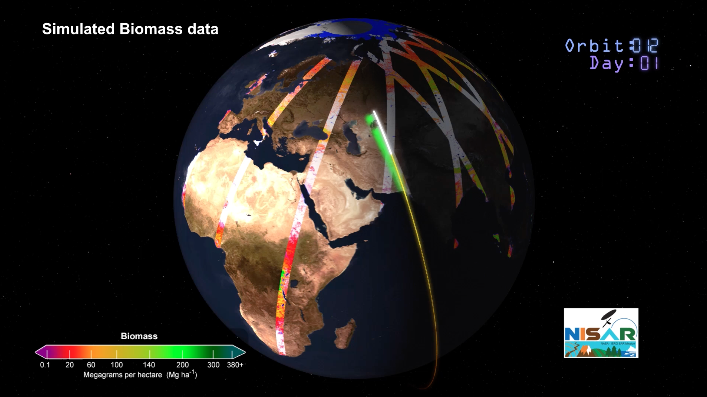
In this Teachable Moment, students can learn how the #NISAR mission will provide new insights into everything from natural disasters to climate change. https://t.co/undxvspE9f
🌊🧊☁️
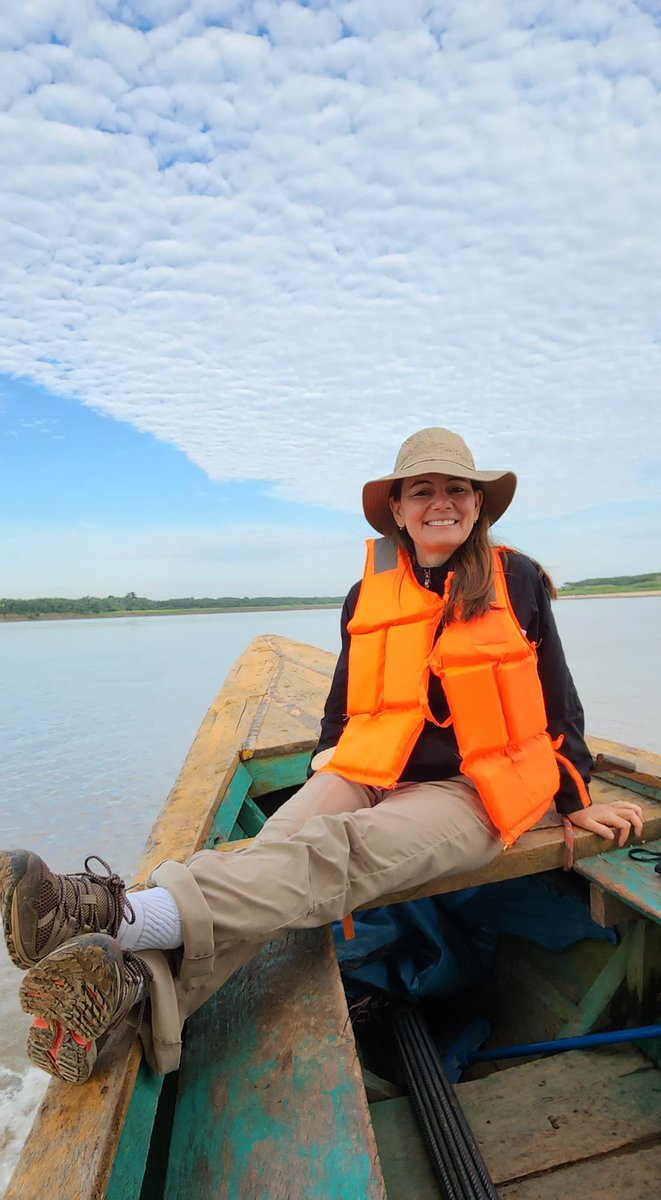
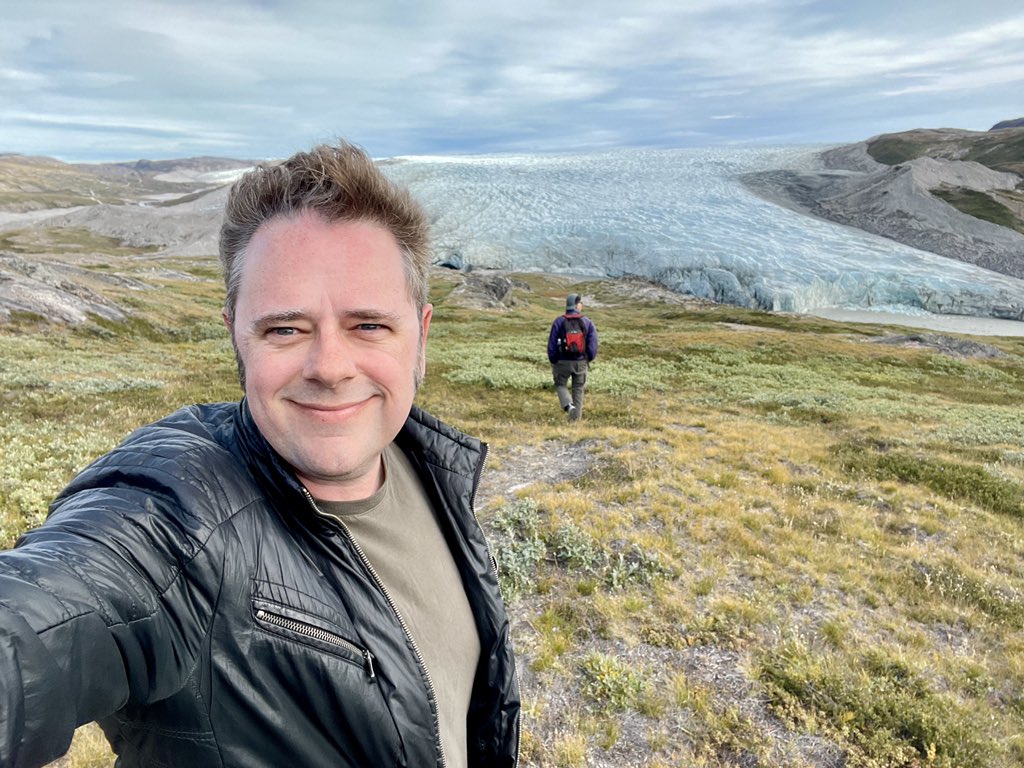
@NASA climate scientists travel far and wide to study water in all its forms.
Celebrate #EarthDay by sharing a #GlobalSelfie with us – and bonus points if it’s near water!
Happy #EarthDay! If you could see your hometown from space, what would you want to know?
@NASAEarth scientists are always learning about our ever-changing planet and – spoiler alert – you can too!
Check out glaciers, sea level, methane emissions, and more!🧵⬇️
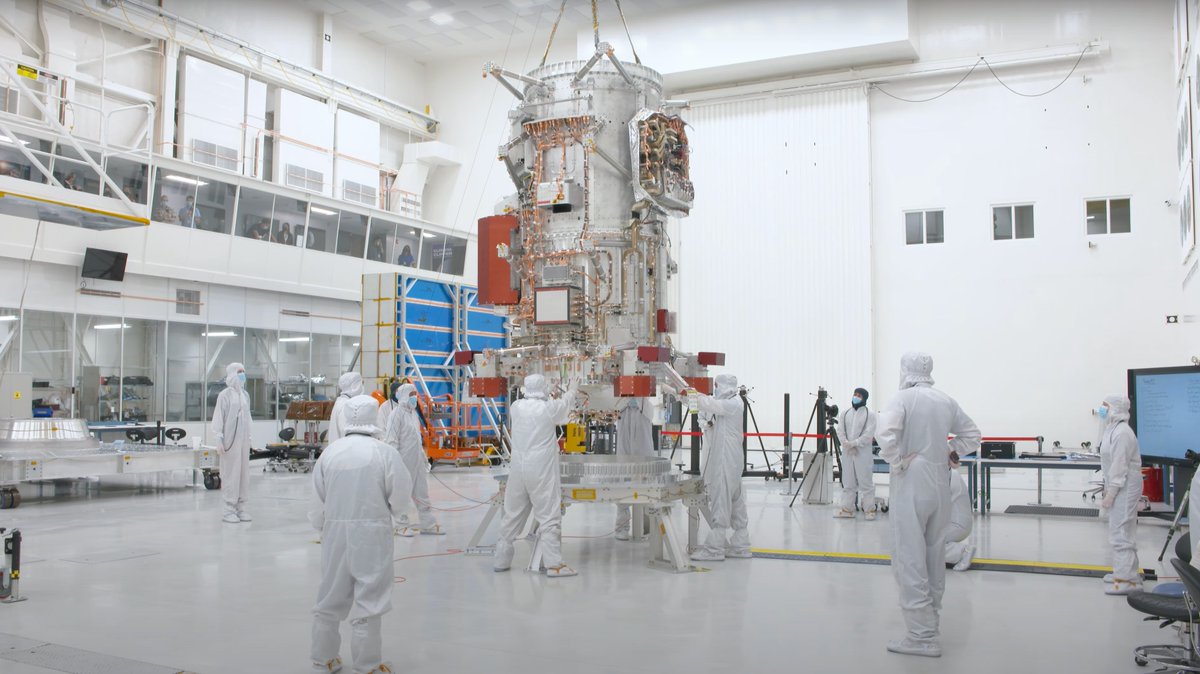
We're going live from the @EuropaClipper clean room next week to show you the spacecraft before it leaves JPL and heads to @NASAKennedy to prep for launch this October.
What would you like to see inside the clean room, or what should discuss?
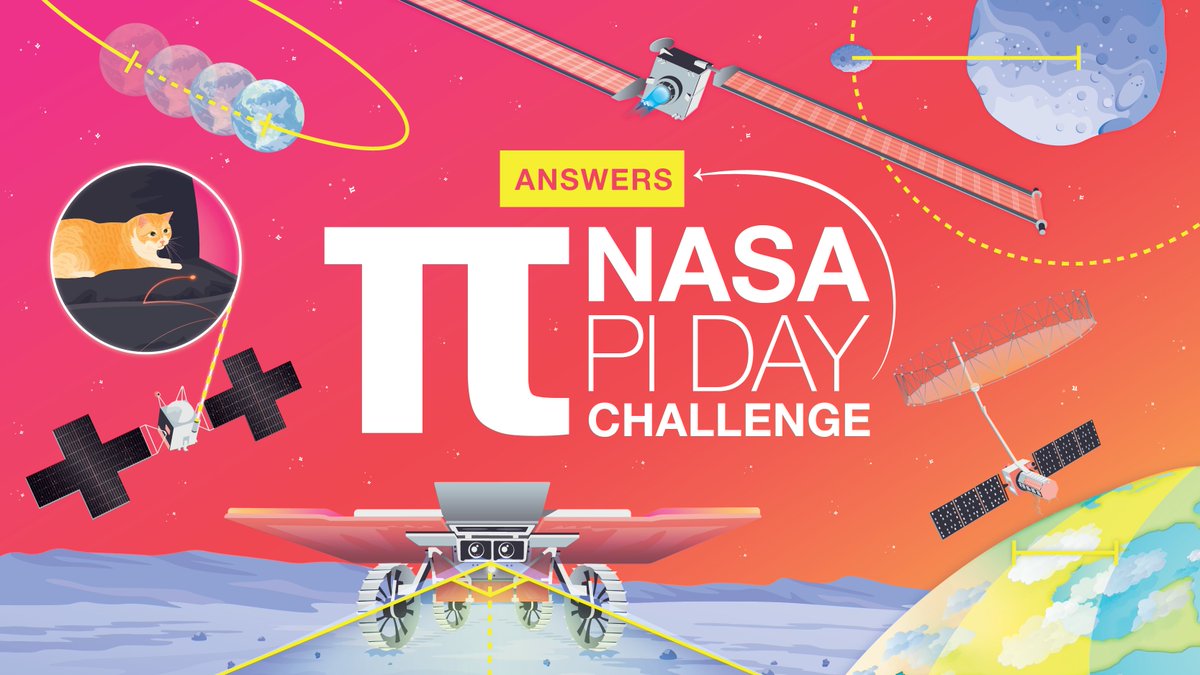
The answers to the 2024 #NASAPiDayChallenge are here! https://t.co/d1itd2SpiH
Let us know how you did in the comments. Missed this year's challenge? It's never too late to start exploring with pi. Find the complete collection of pi math problems at the link above.
#PiDay
Can you guess how many decimals of pi @NASA needs to explore space? It's not all 100 trillion that have been calculated to date.
Hear from a @NASAJPL engineer about how precise we can get with far fewer digits. https://t.co/svUaIXYoSS
#PiDay
One way we use pi @NASA is to map the surfaces of unfamiliar (and familiar) worlds. For example, we can use pi to calculate how many orbits the NISAR spacecraft will need to map Earth.
Explore more ways we use pi at NASA here! https://t.co/ffUYtUbW98
#PiDay