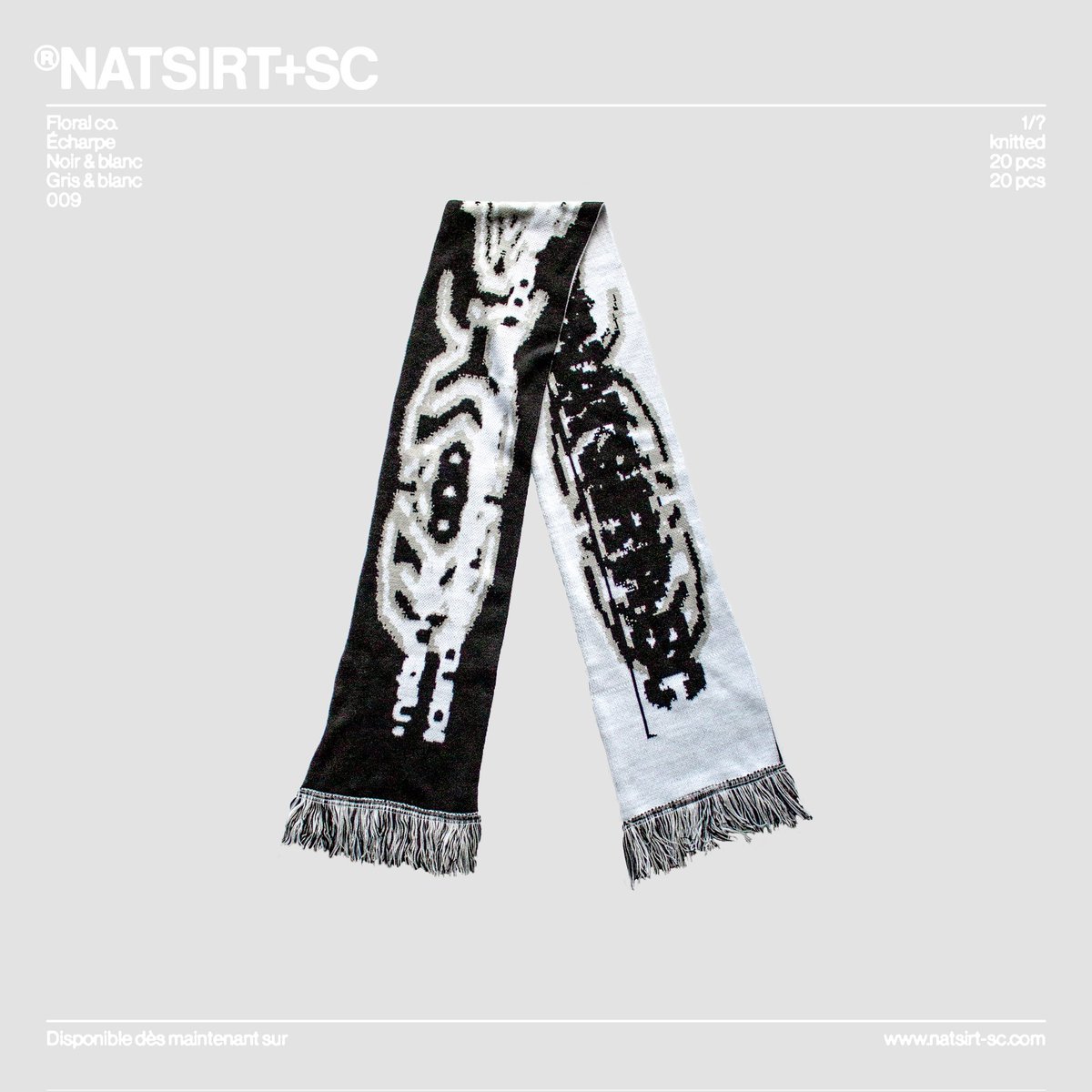
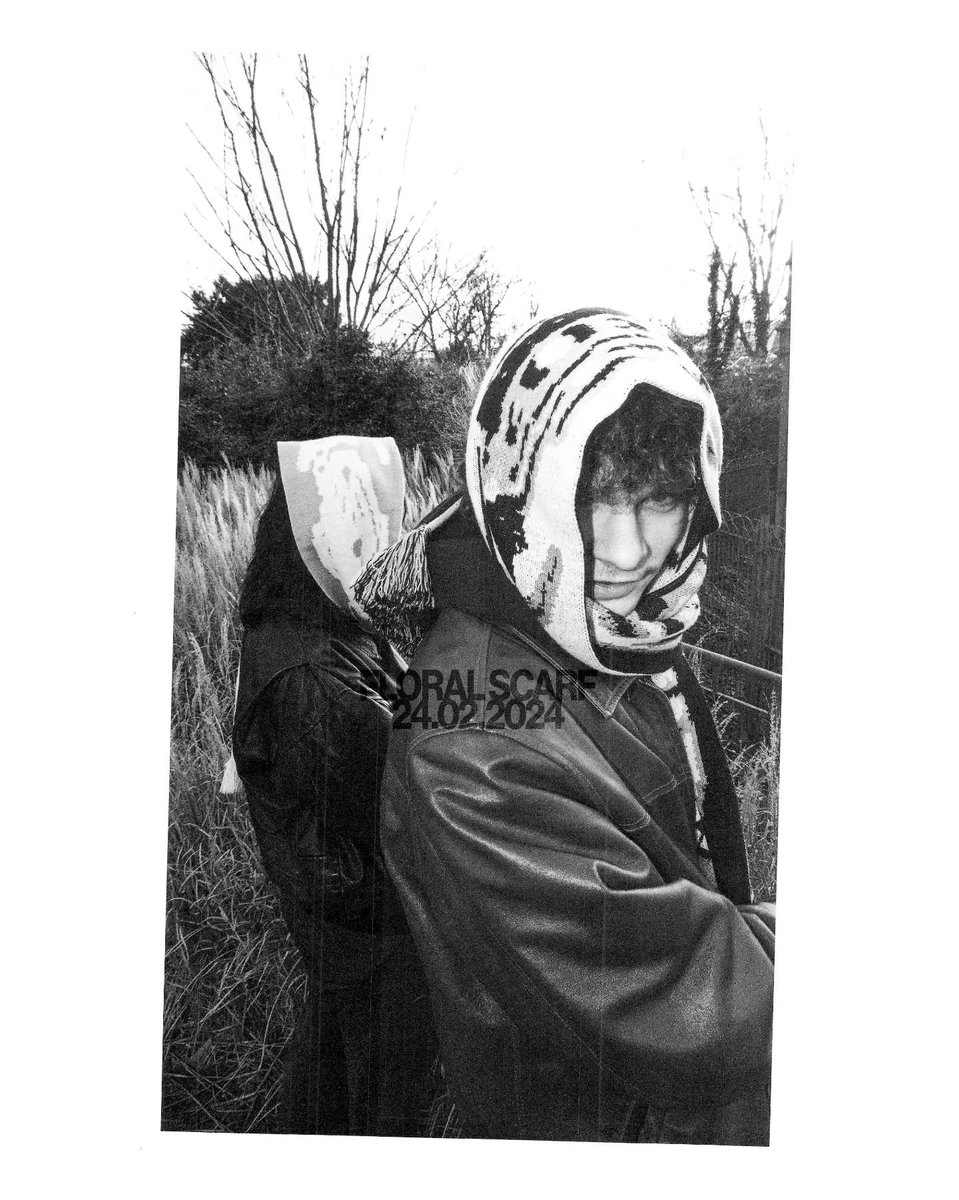
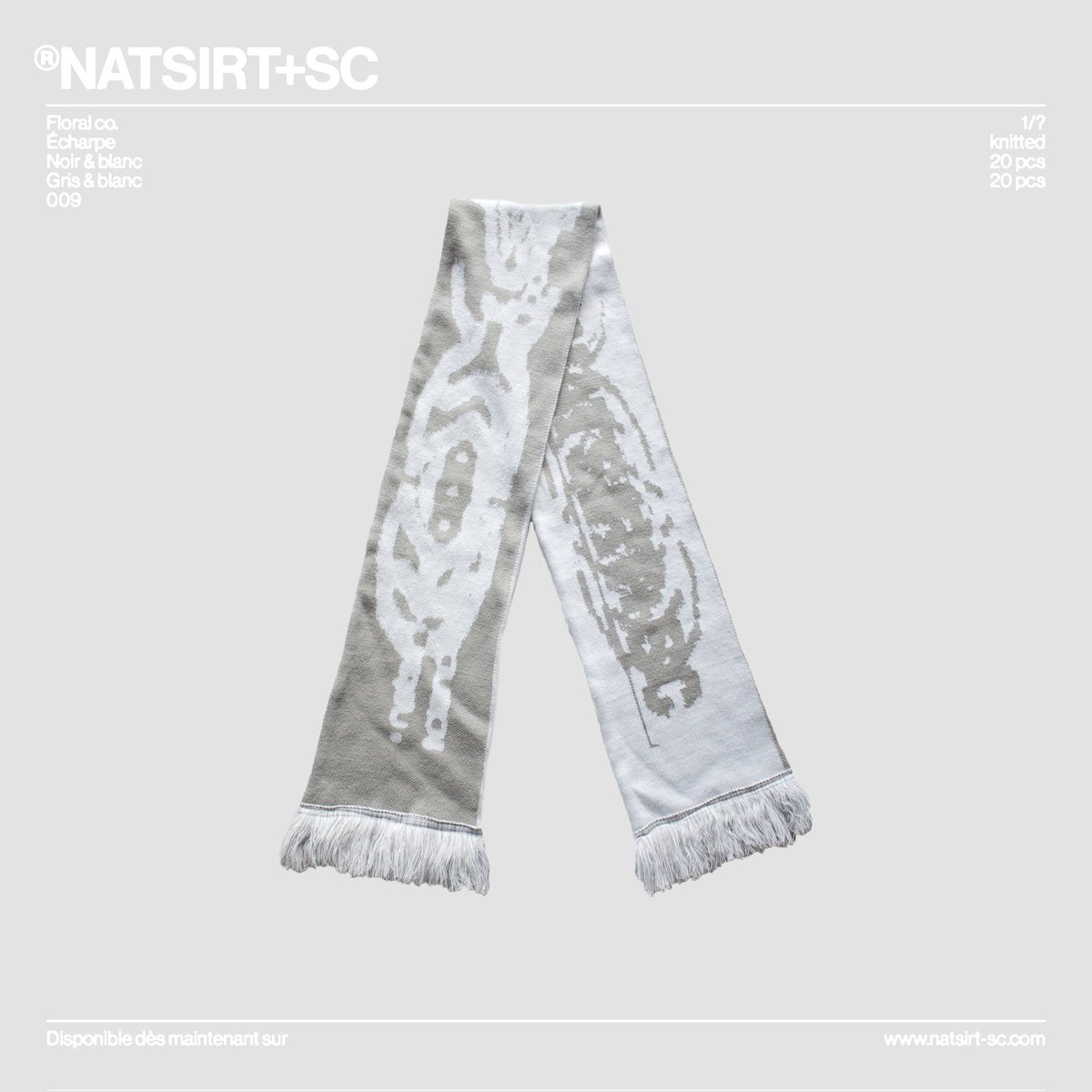
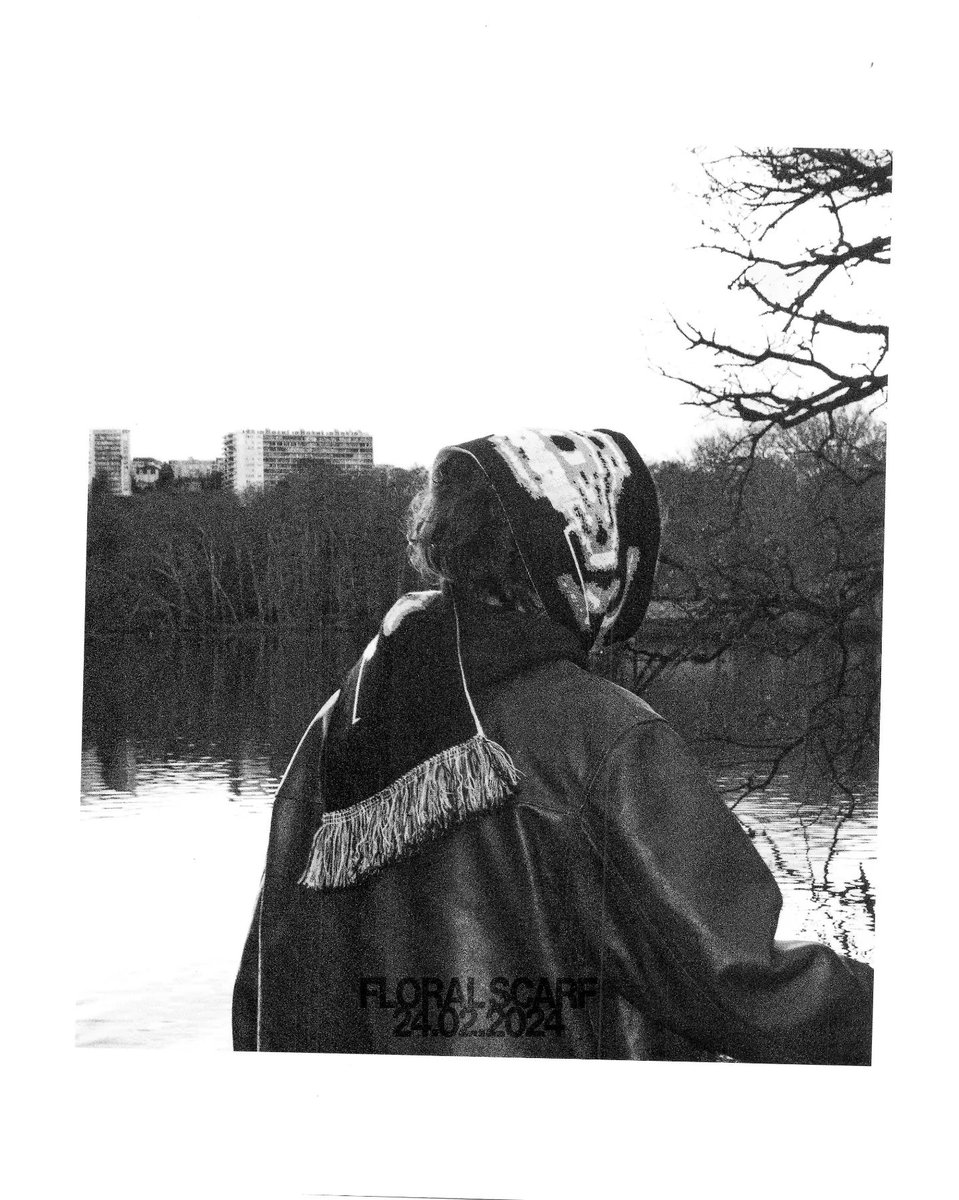
Nouvelle écharpe s'inspirant de diagrammes floraux.
Elle est parfaite pour te protéger du froid, des cataclysmes et autres épreuves de la nature.
- Deux faces tissées en jacquard
- 100% laine de qualité
- 20 x 170 cm
- 2 coloris
—
Disponible sur https://t.co/BEjcdaQo4C
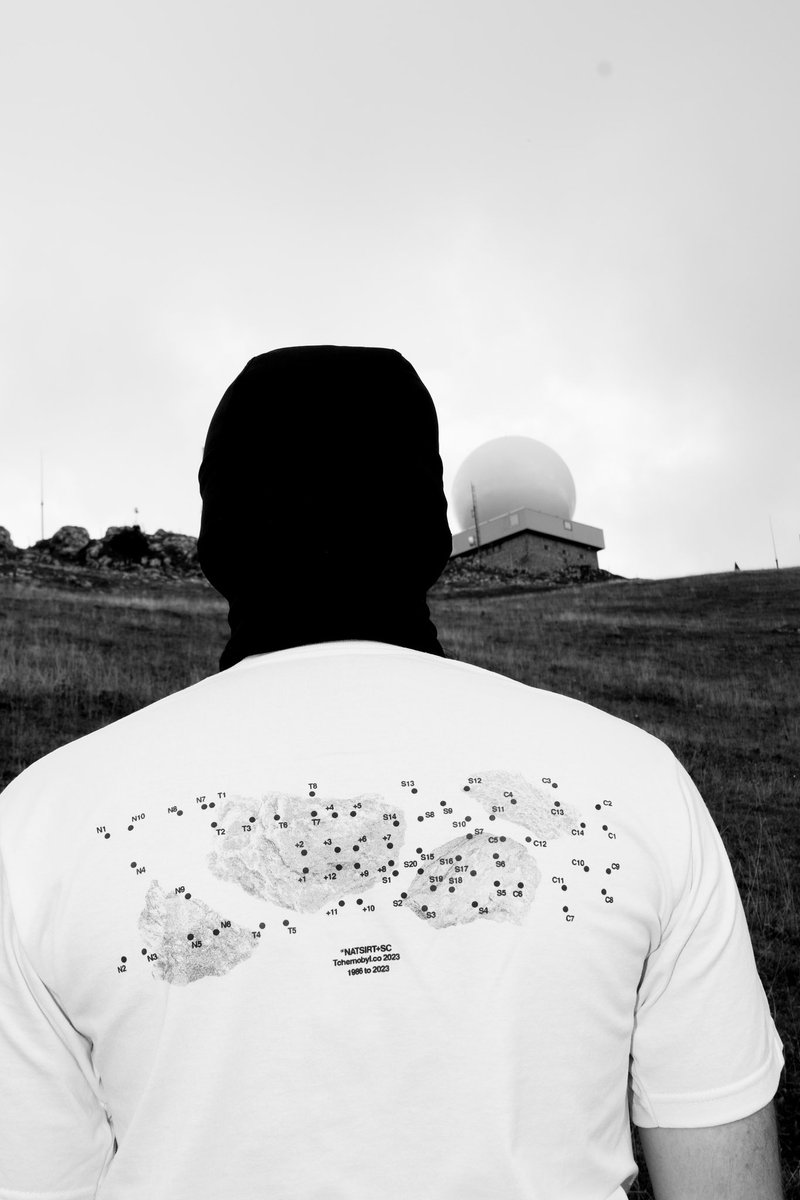
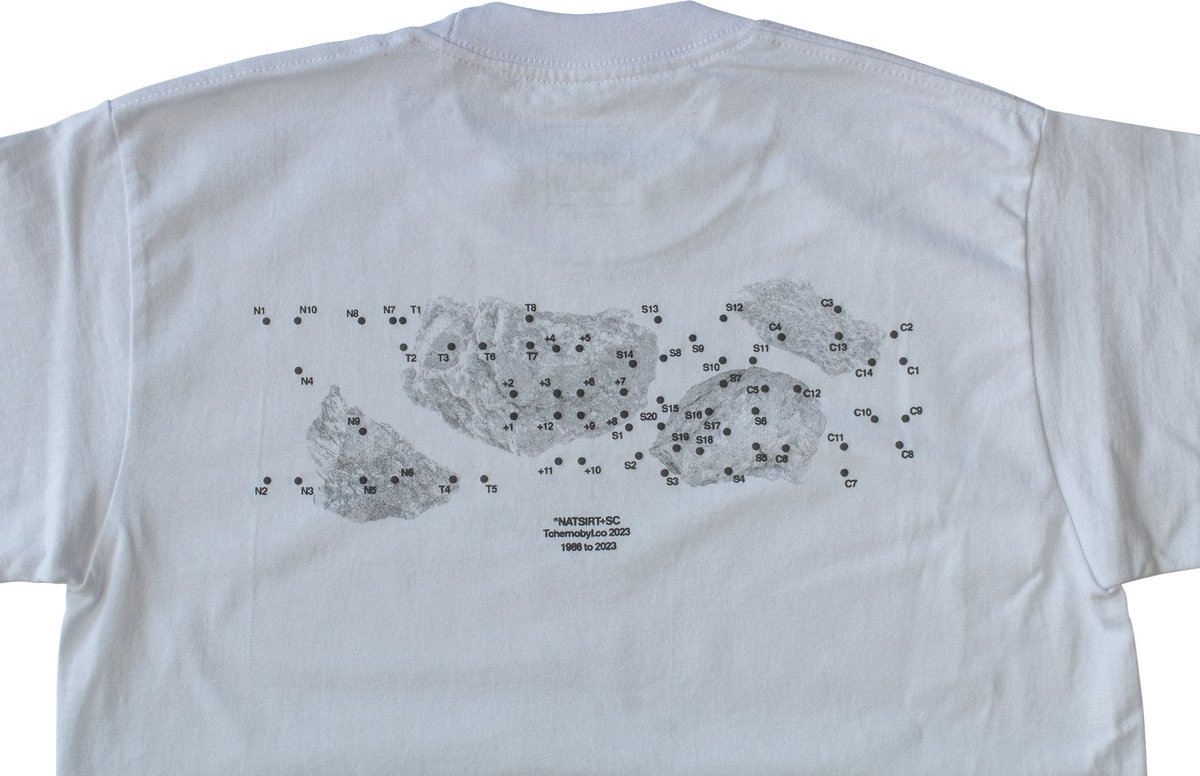
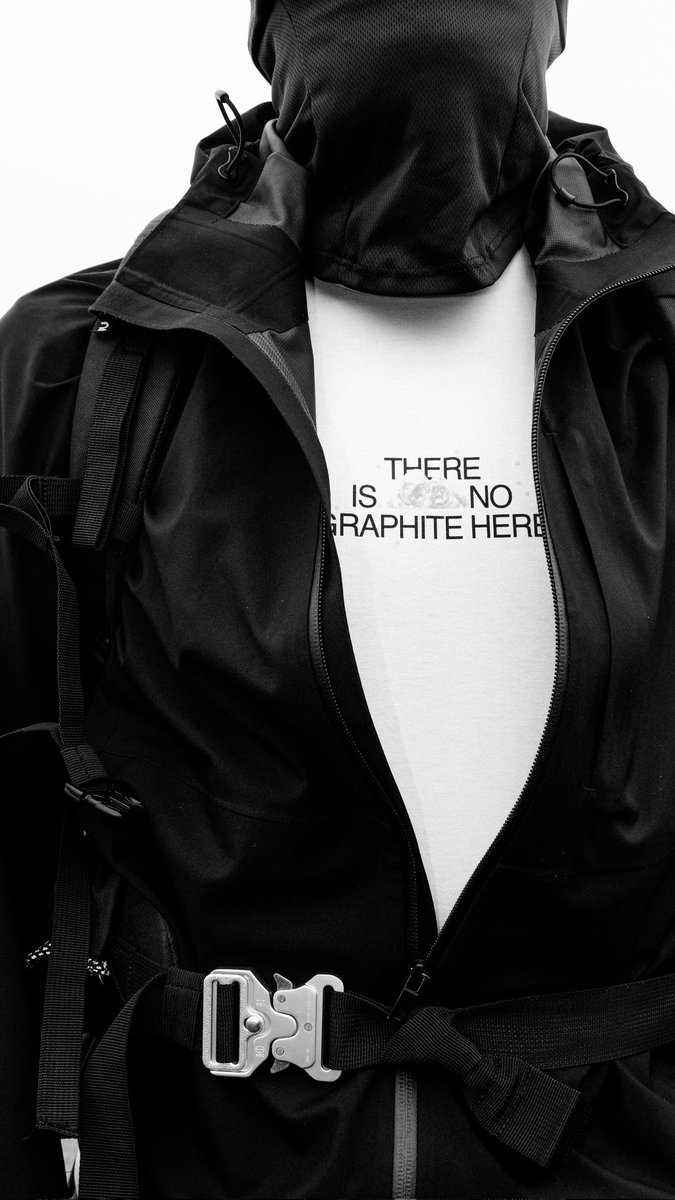
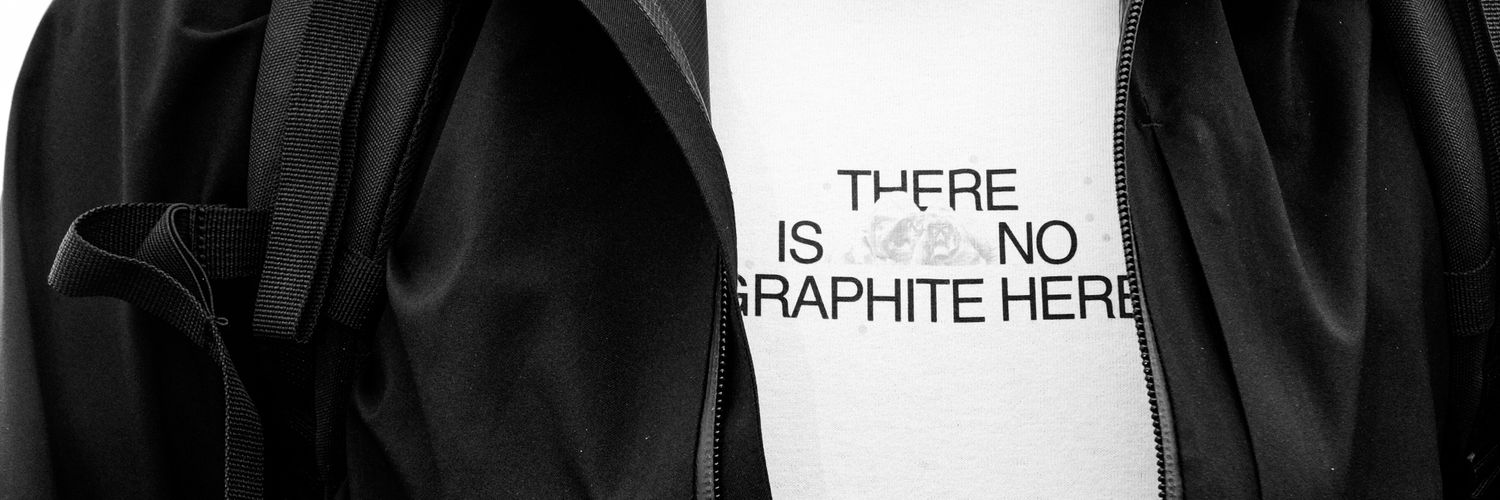
[CONCOURS]
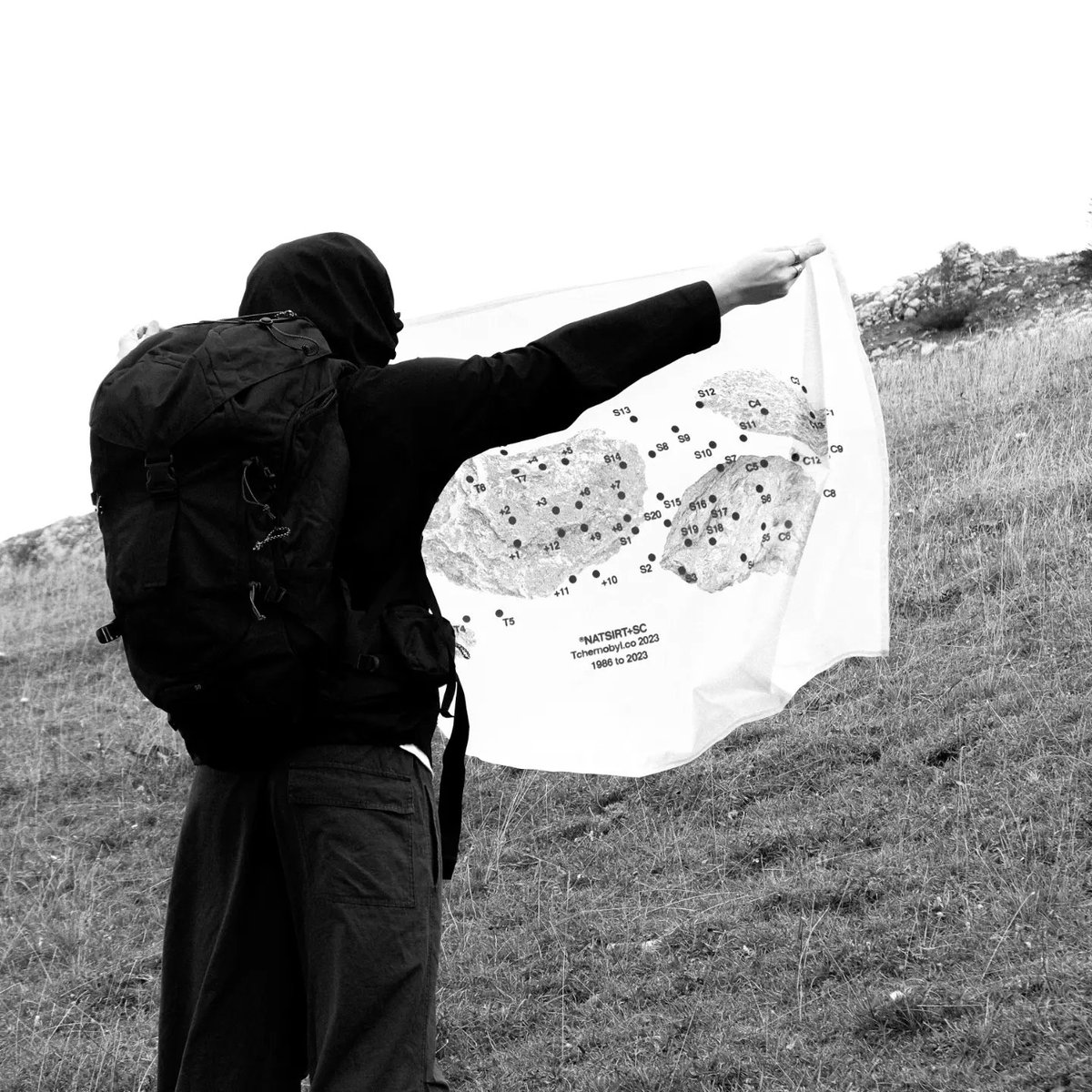
Pour fêter ce nouveau drop, avec @nillam4ni on vous offre un drapeau en édition unique et un fanzine limité à 25 !
→Rendez-vous sur instagram jusqu'au samedi 16.09 !
https://t.co/Vg7GMJEADJ
[CONCOURS]
Pour fêter ce nouveau drop, avec @nillam4ni on vous offre un drapeau en édition unique et un fanzine limité à 25 !
→Rendez-vous sur instagram jusqu'au samedi 16.09 !
https://t.co/Vg7GMJEADJ
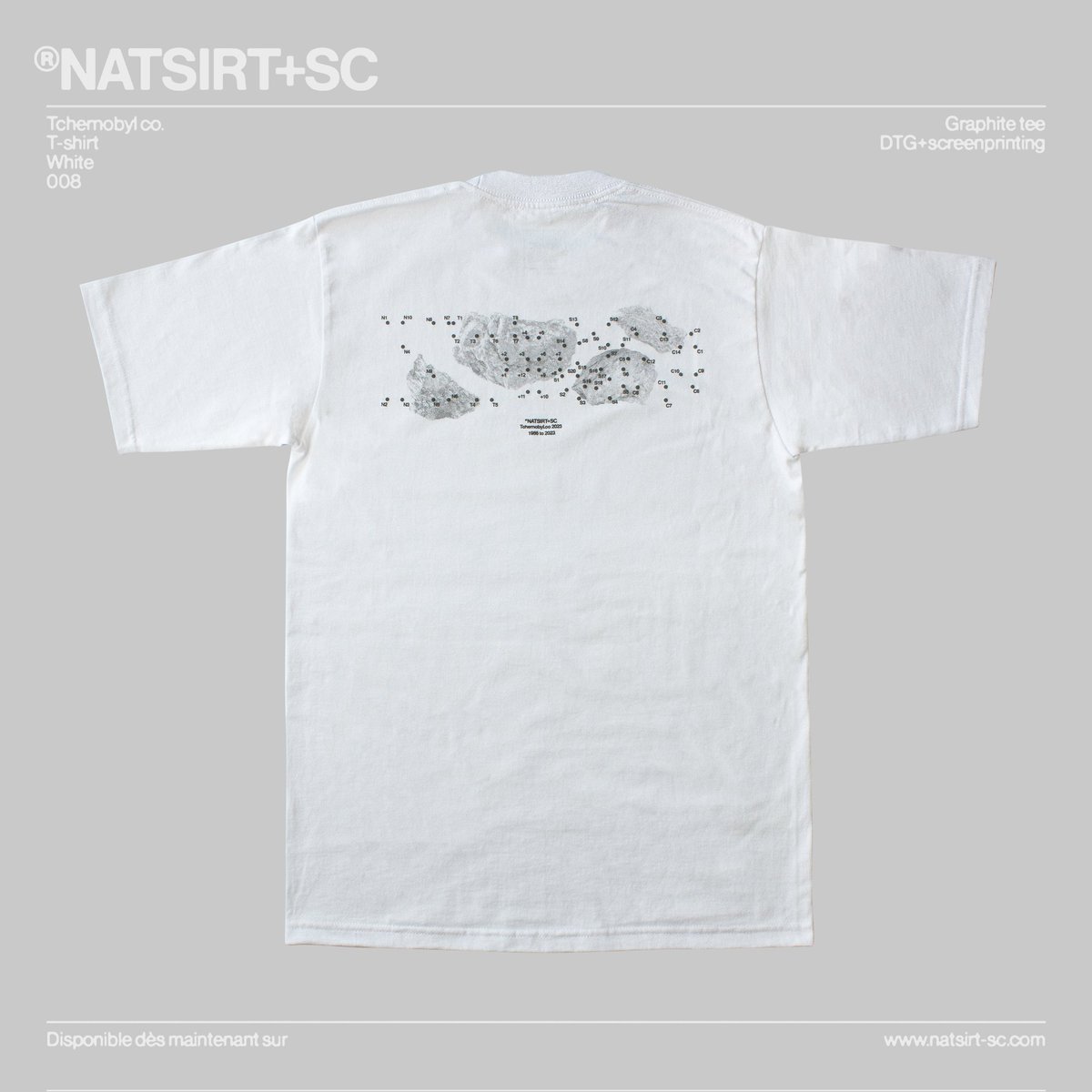
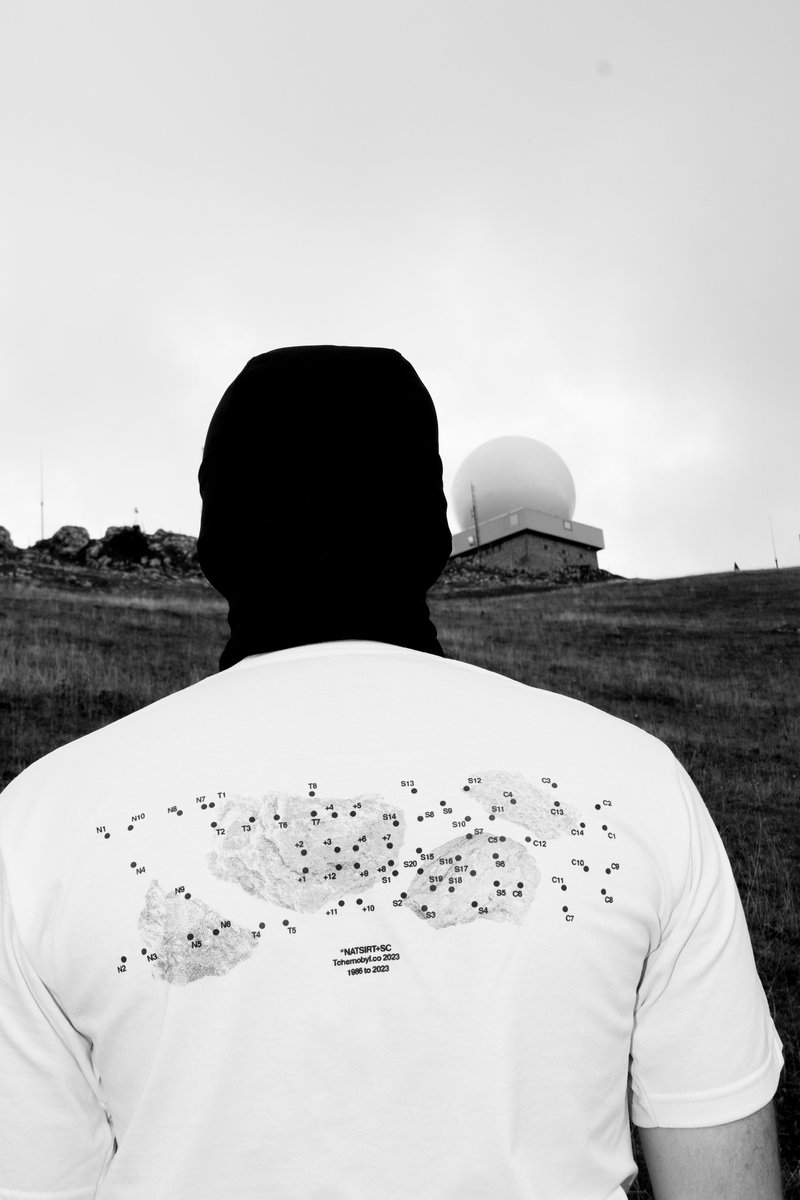
This is the first image captured of Chernobyl, taken 14 hours after the explosion on April 26, 1986.
The photo was snapped from a helicopter assessing radiation levels over the disaster area. The image is grainy due to the intense radiation in the air, which began damaging the camera film as soon as it was exposed.
Igor Kostin, the photographer, found that the radiation affected his camera's motors after about 20 photos. When he processed his films, only the image above was usable. All other photos, affected by high radiation levels, came out completely black.
Kostin's visit to Chernobyl was not legal or approved by the authorities. The incident's news was largely hidden. However, Kostin was later given permission to photograph the disaster site, the evacuation of residents in Pripyat, and the 30 km zone around the power plant. His images helped reveal the catastrophe to the world.
Despite his closeness to the site, Kostin did not receive deadly amounts of radiation. He died in a car crash in 2015 when he was 78.





![NATSIRT_SC's tweet photo. [CONCOURS]
Pour fêter ce nouveau drop, avec @nillam4ni on vous offre un drapeau en édition unique et un fanzine limité à 25 !
→Rendez-vous sur instagram jusqu'au samedi 16.09 !
https://t.co/Vg7GMJEADJ https://t.co/jJ7XZTPm7a](https://pbs.twimg.com/media/F6D1CuzXoAANZbM.jpg)
![NATSIRT_SC's tweet photo. [CONCOURS]
Pour fêter ce nouveau drop, avec @nillam4ni on vous offre un drapeau en édition unique et un fanzine limité à 25 !
→Rendez-vous sur instagram jusqu'au samedi 16.09 !
https://t.co/Vg7GMJEADJ https://t.co/jJ7XZTPm7a](https://pbs.twimg.com/media/F6D1CZtXcAAy2cV.jpg)










![NATSIRT_SC's tweet photo. [CONCOURS]
Pour fêter ce nouveau drop, avec @nillam4ni on vous offre un drapeau en édition unique et un fanzine limité à 25 !
→Rendez-vous sur instagram jusqu'au samedi 16.09 !
https://t.co/Vg7GMJEADJ https://t.co/jJ7XZTPm7a](https://pbs.twimg.com/media/F6D1DN9WcAACAW-.jpg)





