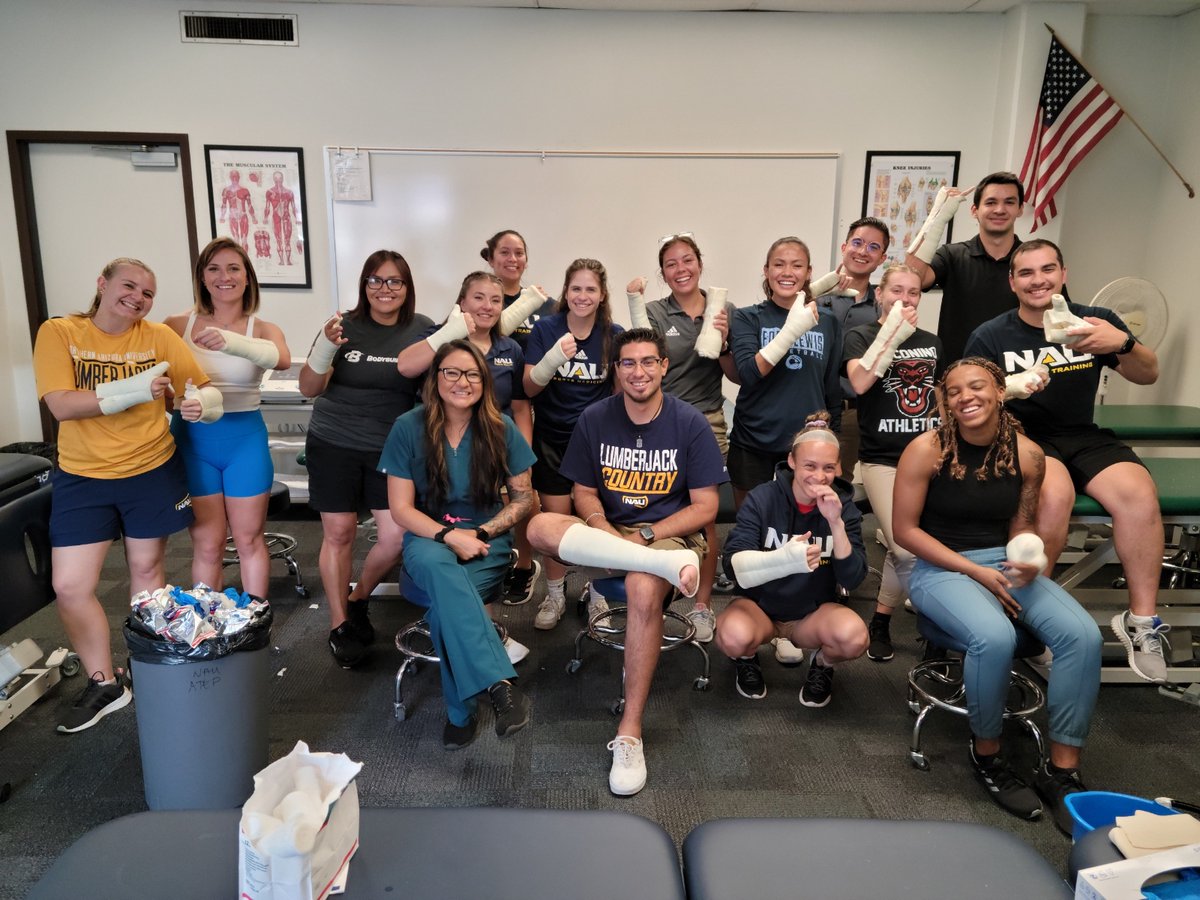
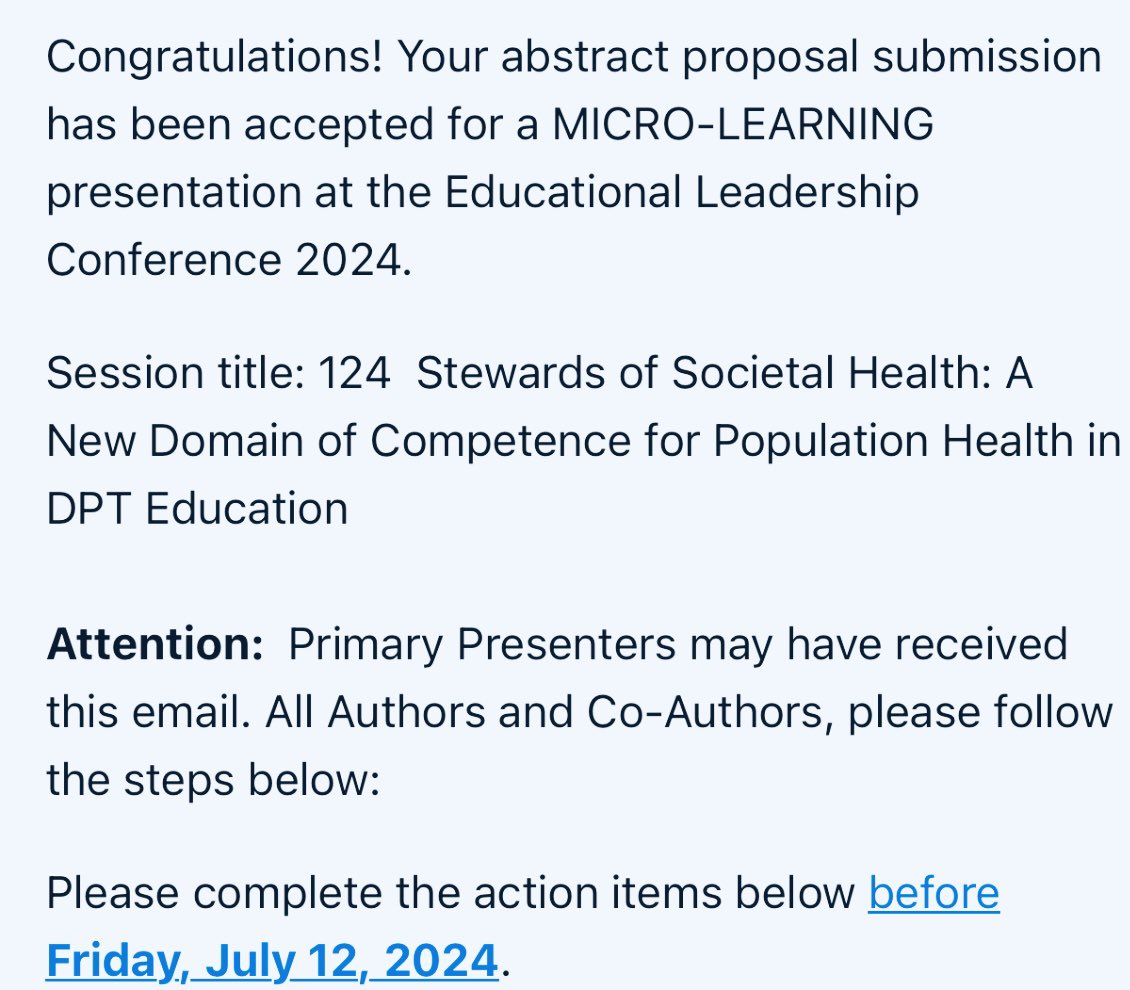
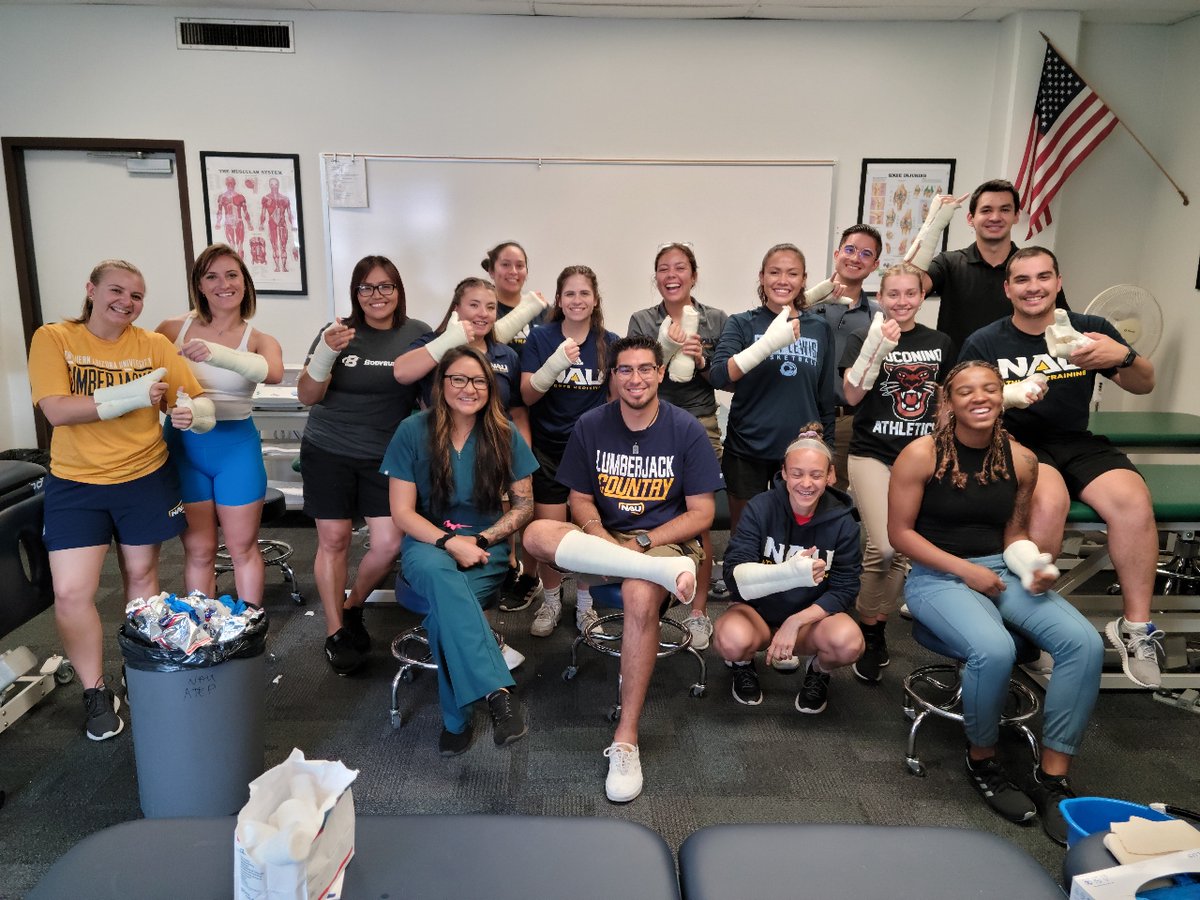
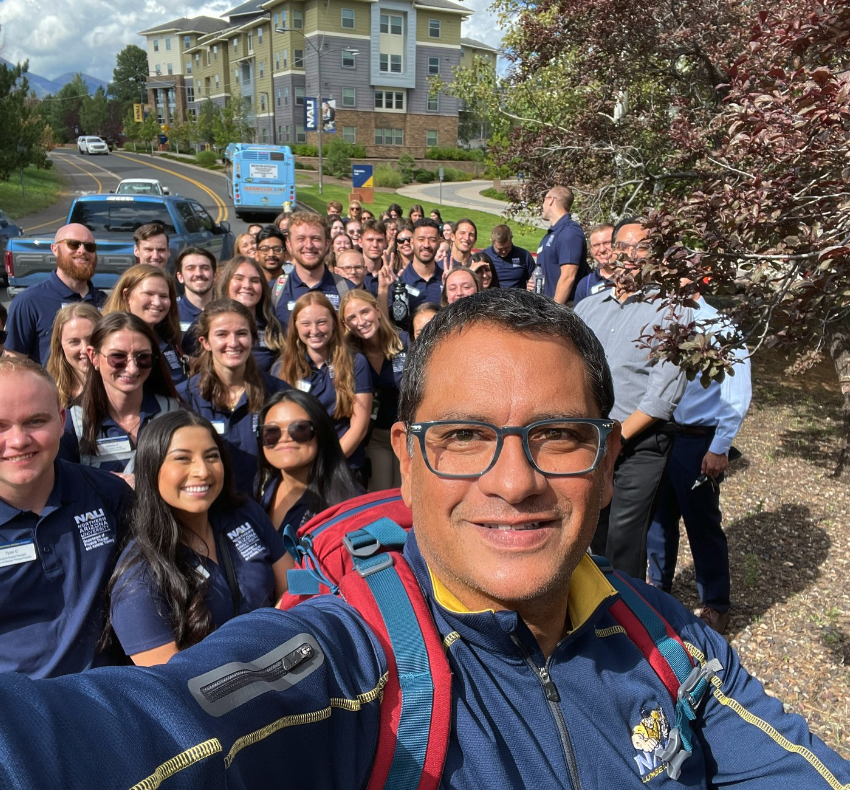
@naudpt students awaiting voting results from 3-minute presentations. Their competition? 6 PhD students & 1 Masters student. Outcome? 2nd place and people's choice award. Way to represent our NAU residential Flagstaff program!!!
📢There's been a lot of talk lately about the importance of #research.
📹Our student lead @grandlept talks to @PTJournal editorial board members about their research interests and passions, highlighting the broad reach of rehabilitation research. #ScienceMatters
Any student enrolled in a placement, experiential learning, or capstone course and placed in rural and underserved areas are eligible for funds through the Halle Grant. To learn more/apply, contact [email protected].
Physical Therapy students & faculty held a Kids Night Out for children with special needs and their siblings. With support from local pediatric physical therapists, parents and caregivers dropped off their children at Summit Gymnastics to enjoy an evening of respite. @naudpt@NAU
This is how I advise my #PhD students to write research manuscripts (in case someone finds it helpful).
General points:
1. Research questions addressed by your manuscript are key and should guide you.
2. Don’t view your manuscript as an article. See it as a STORY.
3. Pick the writing style that is easily understood by a broader community. Make reading easy.
4. Most of data should get into the paper. If some doesn’t support the hypothesis, it still must be in the Suppl. Information. It must show the reproducibility limits.
5. Make the paper shorter, not longer. Cut out things that may sound like ‘bluff’ or ‘decoration’ of the story. Use well-defined terminology, don’t invent it unless clearly necessary.
6. Focus on reporting & explaining the numbers. Minimize discussions of qualitative outcomes and your imagination.
▫️
Specific steps:
1️⃣ First, formulate and polish the key questions that your study addresses. It may take hours or even days (even though you've been doing research in this area for years). A single study should address no more than 1-3 key questions. It’s your perfect start for writing.
2️⃣ Write down the structure of your STORY first: Sections and Subsections that will answer those questions. Into each subsection, put 1-2 sentences that formulate the message(s) from this subsection. It will hugely help you navigate the manuscript later and save a lot of time.
3️⃣ Write approximate messages in the conclusion section. Usually, no more than 1-4 sentences.
▫️
At this point, SHARE your [structure+questions+messages] document with your advisor for feedback. Toss it back and forth until you both converge. You can also include major collaborators if needed.
▫️
4️⃣ Write the introduction part. Put down the paragraphs that introduce a reader into the key question(s) of the manuscript and the background of your story.
5️⃣ Write the main text for each section, smoothly and firmly. Each paragraph should add a separate value and end with a message-like sentence. Follow the “First… Second… Third…” structure for paragraphs when possible, it gives rigor and readability to your story.
6️⃣ Write the conclusions. Add a broader perspective that is justified and not generic.
7️⃣ Write the abstract. It must have simple terminology and clearly explain what readers can find inside the paper. It also should contain the key conclusions.
8️⃣ Write up 4-5 different titles and spend >30 mins with your team discussing which title sounds best.
Finally, iterate on the resulting draft within your team.
The number of drafts can easily exceed 20.
▫️
❗In addition, I always emphasize that a high quality of your research paper:
- sharpen your writing and analytical skills.
- shapes your reputation.
- shows who you are as a researcher and communicator.
▫️
p.s. Everyone has a different style of advising and writing. You can adopt only some specific steps if you find them helpful.
p.p.s. Another way that we sometimes use is by starting with figures ('story in figures' style).
#AcademicTwitter #AcademicChatter
Welcome to the newest members of our #DPT family at @nauCHHS! Together, we embark on a journey filled with passion, learning, and growth. Striving for excellence, we’re united in healing and empowerment.
The future looks bright!
#NAUFamily#FuturePTLeaders@NAU@AZRegents
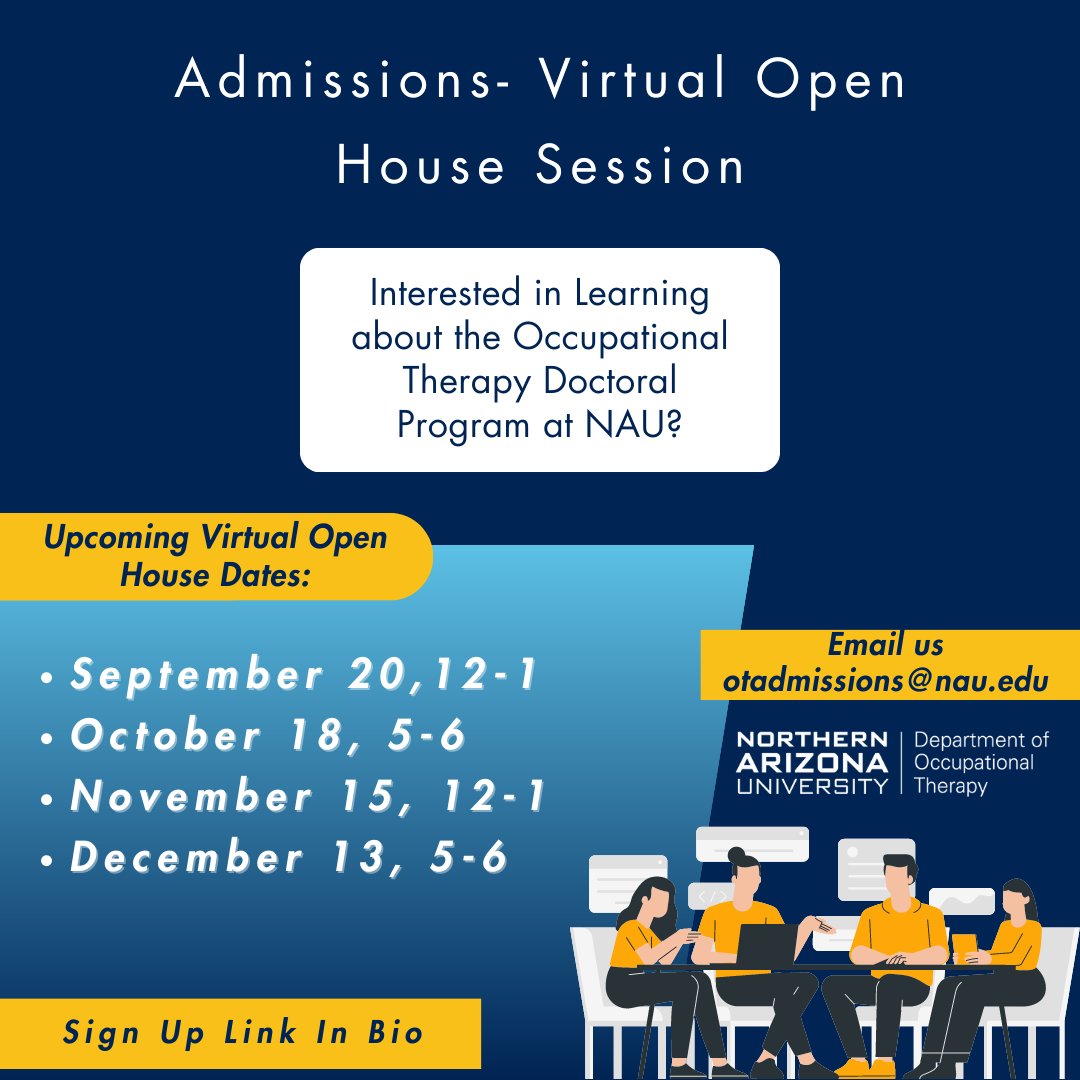
Interested in learning about NAU OTD? 🎓 Join us for one of our upcoming Virtual Open Houses to learn more about our admissions followed by a Q & A! ✍️
Link to register in Bio!🔗
Upcoming Dates:
🍂September 20
🍂October 18
🍂November 15
❄️December 13
#OTstudent#FutureOT#OTD
Arizona is facing a shortage of health care professionals and the physical therapy field is no exception.
To help meet the need, @NAU is launching a hybrid Doctor of Physical Therapy program.
More: https://t.co/PmzHIinKW5
#AZHealthyTomorrow
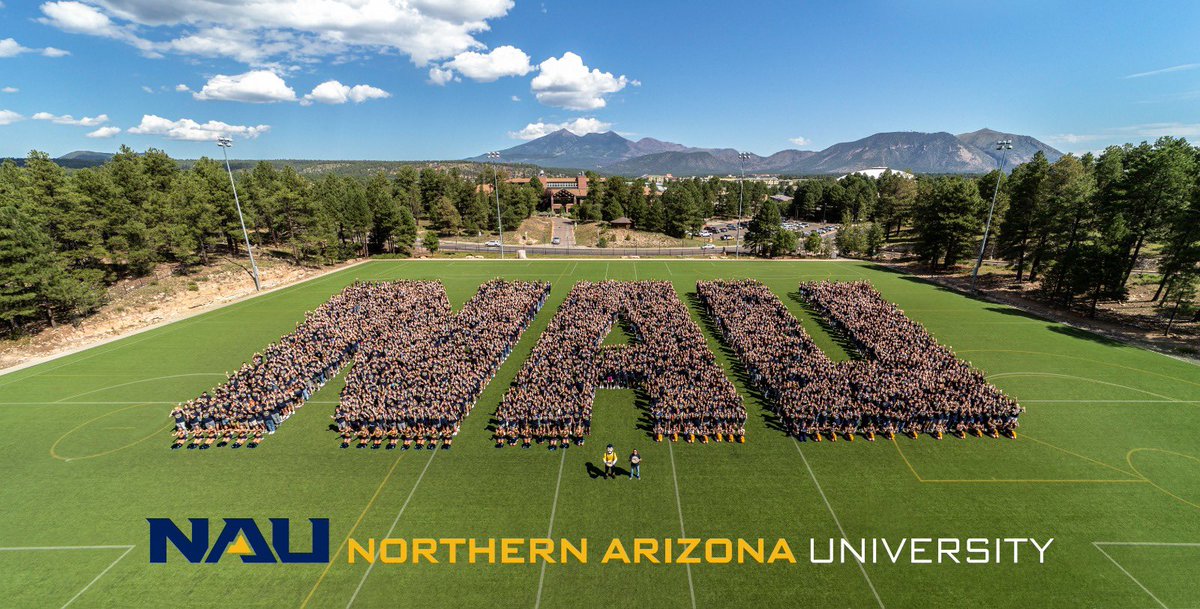
Calling all Lumberjacks! @NAU Welcome Week starts this Thursday with events planned to kick off the fall 2023 semester.
Get involved! Get connected! Get ready!
“As student physical therapists, we have a social responsibility." - Tyler Cooper, @NAU student
Last year, @NAUdpt students volunteered with Special Olympics, Boys and Girls Club and the American Parkinson’s Disease Association.
More on their heart for serving the community ⬇️
Brush up on your quill skills this fall with personalized writing workshops. Elevate your teaching game, inspire your students, and let words weave magic in your class.
The pen is mightier, after all.
NAU Faculty! We are offering writing workshops this upcoming fall semester. If you're teaching a class and would like for one of our writing assistants to provide a personalized writing workshop for your class, don't hesitate to reach out.
https://t.co/Kj4wtDi8Gw
NAU Faculty! We are offering writing workshops this upcoming fall semester. If you're teaching a class and would like for one of our writing assistants to provide a personalized writing workshop for your class, don't hesitate to reach out.
https://t.co/Kj4wtDi8Gw