Be sure to catch up on the @AgTech360 #podcasts hosted by @adrianpercy, Executive Director of #NCPSI.
New episodes are coming later this summer!
https://t.co/oe0HMsq6Lf
@NCStateCERSA
Registration is officially open for the IR-4 Project’s 2022 Food Use Workshop! Food use research priorities for 2023 will be identified during this event taking place in Bloomington, Minnesota. Learn more and register today at: https://t.co/nLDM9pEYau #FoodUseWorkshop
Classic symptoms of Tomato spotted wilt virus (vectored by thrips) on young peanut plant in Colquitt County, Georgia. Once the furrow is closed, almost all management decisions are made. At this point grower can only hope incidence is low. @GRPigweed UGA Extension
From 2017-2022, the average cost of discovery, development, and authorization of a genetically modified crop was $115 M (US dollars). Time wise? 16.5 years. Opportunity costs are a real problem.
Via @CropLifeIntl
https://t.co/5Q8ZSgMmW6
Through @NCStateCERSA, we offer the only certificate program in regulatory #science for #ag, which is grounded in state-of-the-art science and fully integrates a world-class public-private partnership across the entire regulatory landscape. Learn more: https://t.co/6MhhgXSePS
Today is #WorldBeeDay! A perfect day #BeeEngaged & learn about these critical insects. Pollination is essential for our #ag systems. Without #bees, we would not be able to grow the #crops we rely on. Learn more from Elsa Youngsteadt (@NCStateAEC): https://t.co/0AfE58vOjv
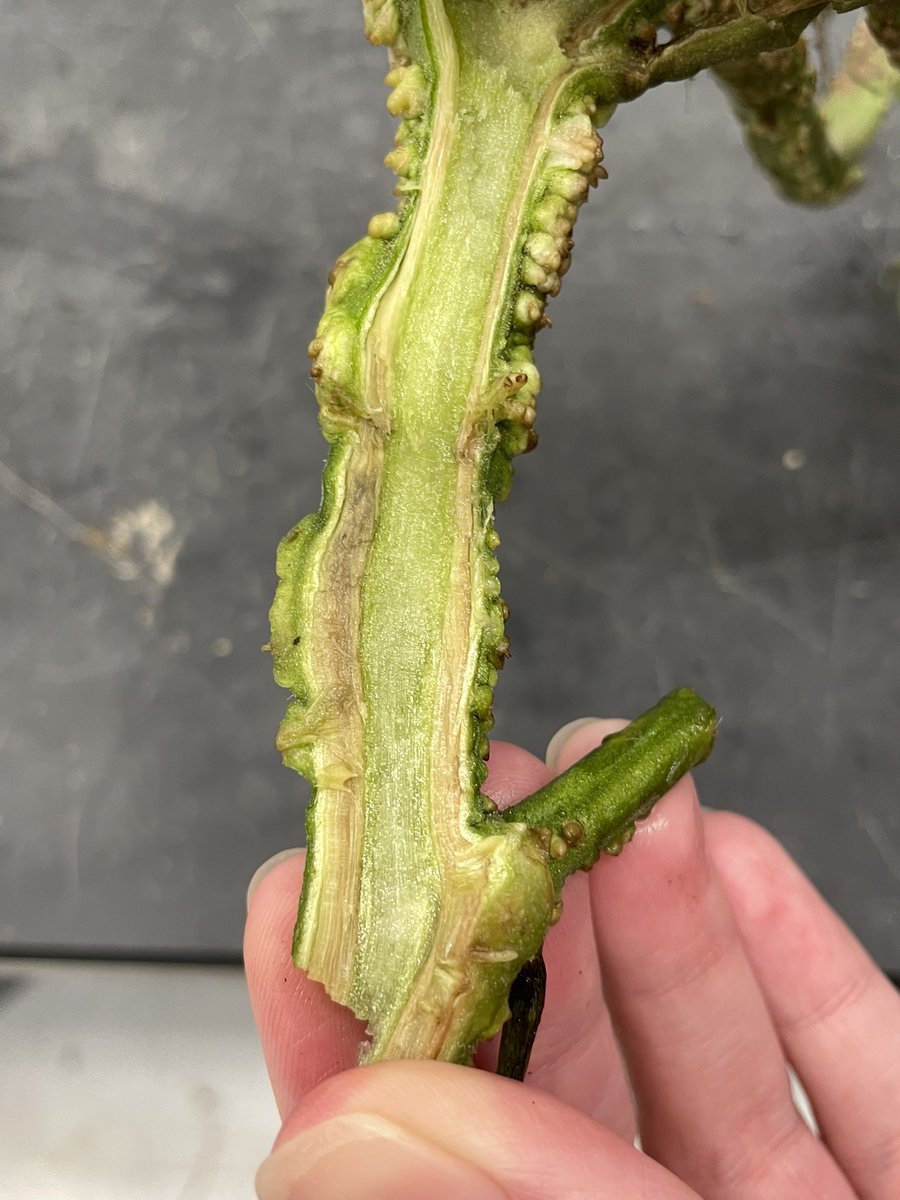
Fusarium wilt of tomato causes a yellowing & wilting of lower leaves. In time the entire tomato plant wilts & dies. Infected plants have a brown discoloration of the vascular tissue when the lower stem is cut longitudinally. Use a resistant variety for control #tomato#gardening
#ASHS2022
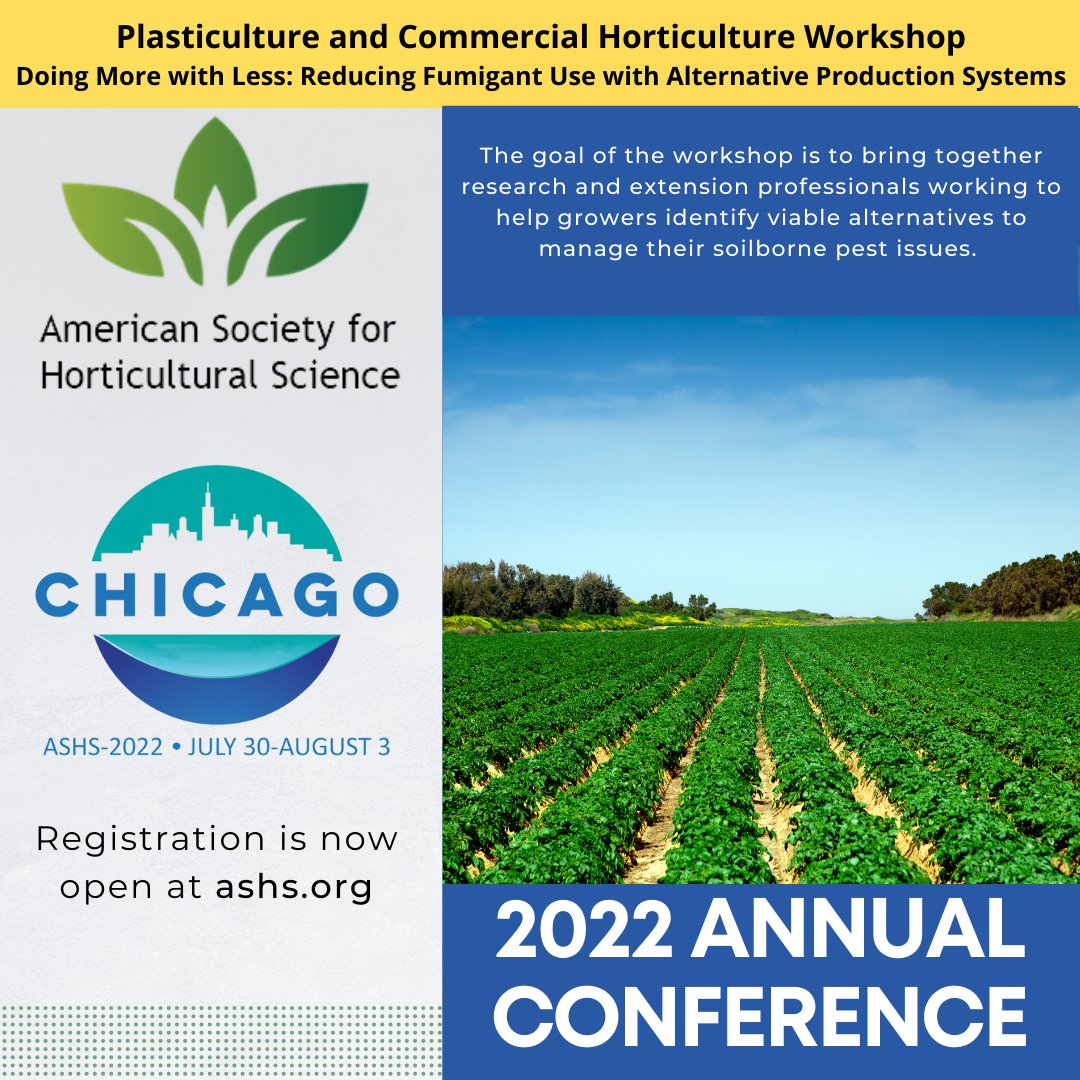
"Doing More with Less: Reducing Fumigant Use with Alternative Production Systems" will address the critical need for economical and effective management options for soilborne pests and diseases in #vegetable cropping systems.
Register to attend https://t.co/m5Z6WZOdQ4
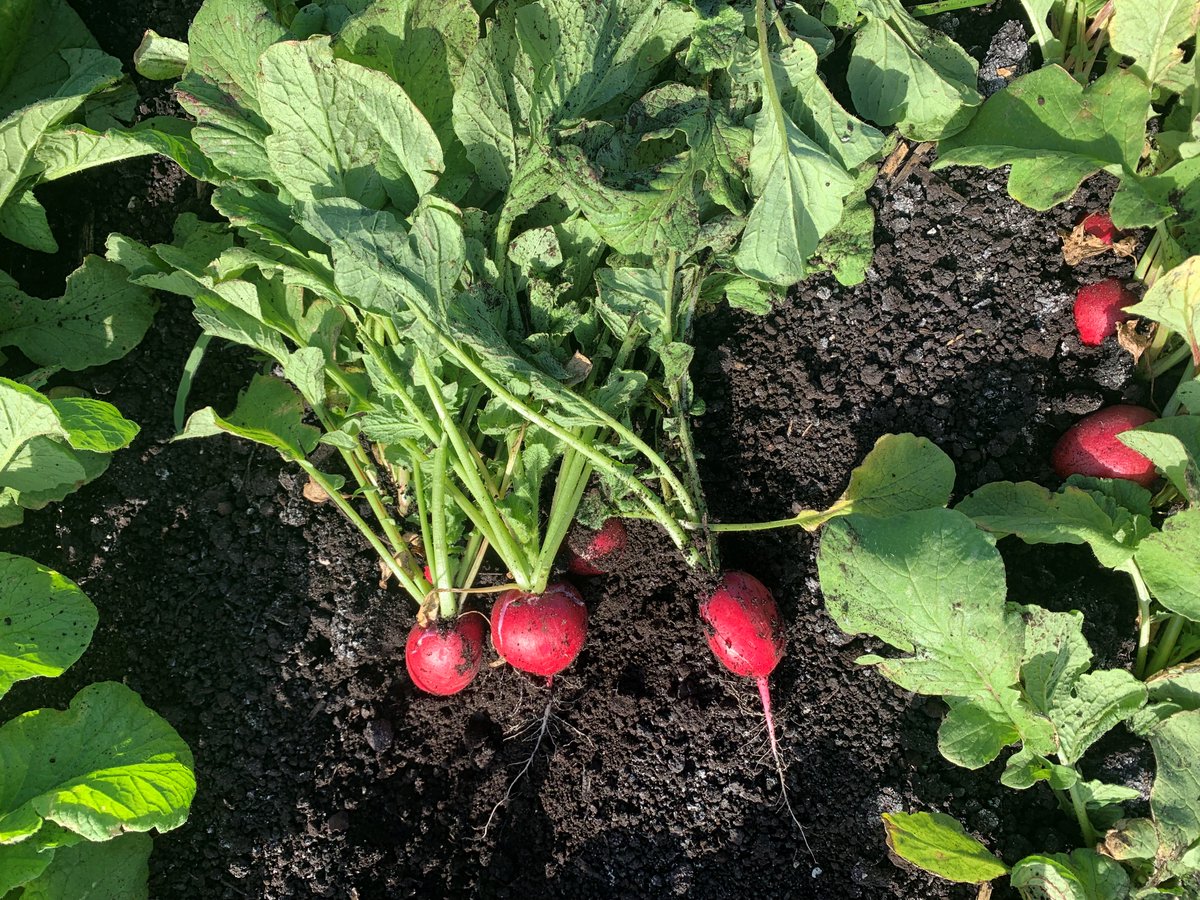
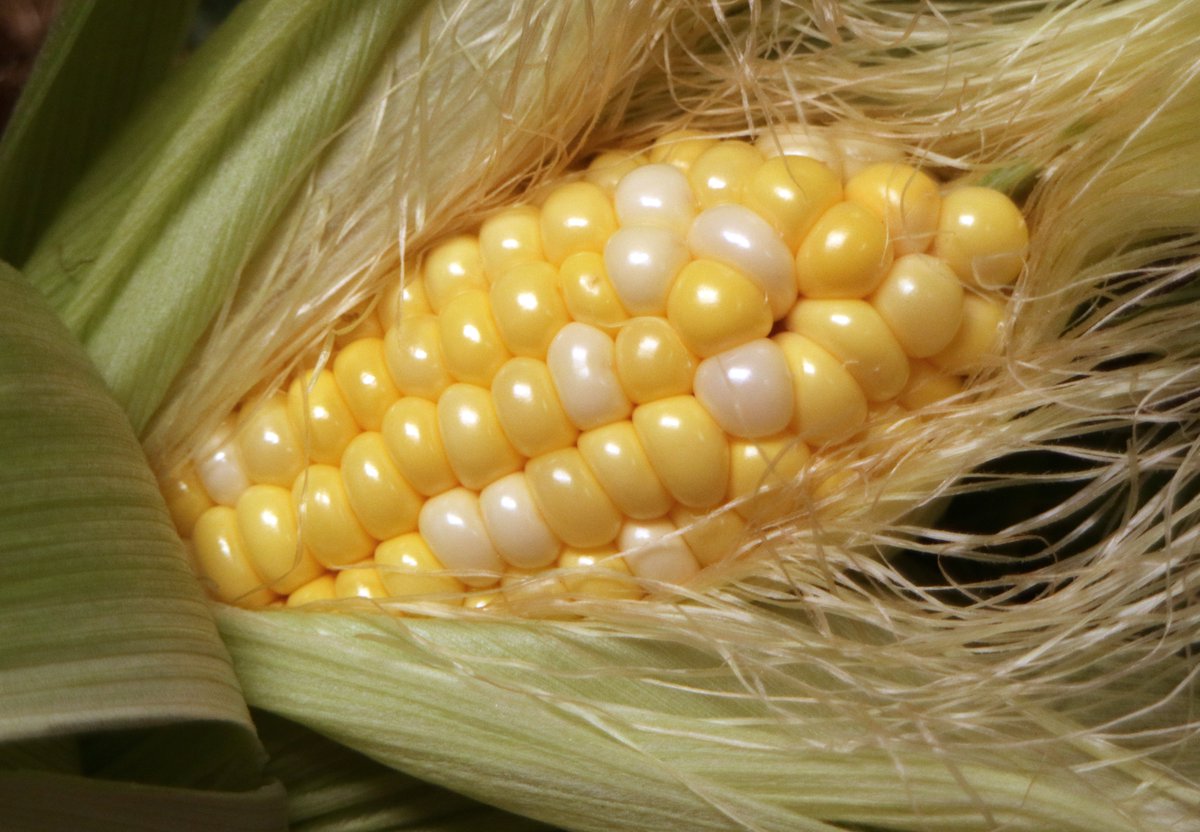
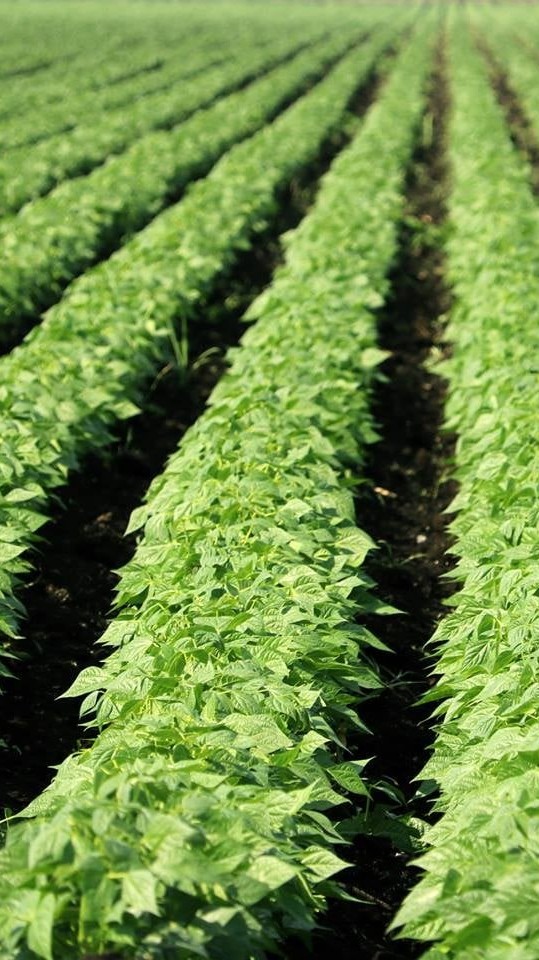
What do radishes, green beans & fresh sweet corn have in common? They go great in a salad, & we grow them on our farms in rotation w/ our sugarcane & rice! Crop rotation conserves the soil & helps us & other EAA farmers feed tens of millions of people a year! #NationalSaladMonth
We're four months out from the 2022 Food Use Workshop! Mark your calendars for this year's priority setting event, taking place 9/13 - 9/15 in Bloomington, MN. Registration opening soon. Learn more: https://t.co/ScNwMUjGGn
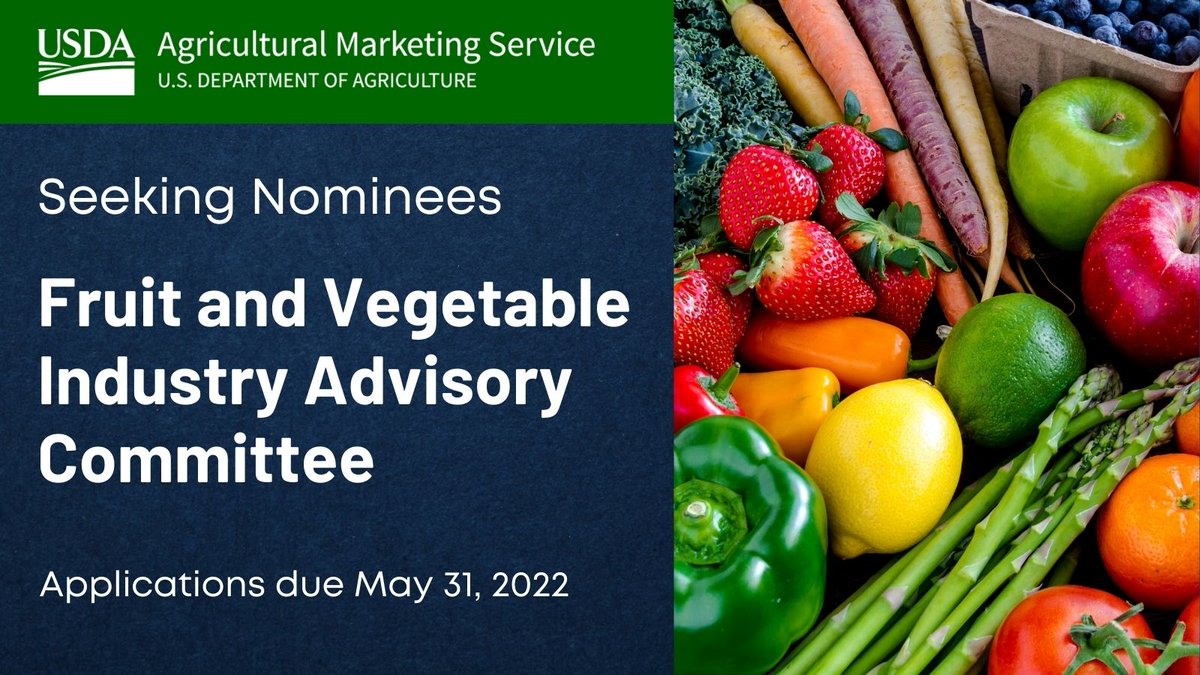
USDA AMS is seeking nominees to fill up to 25 seats on the Fruit and Vegetable Industry Advisory Committee. Applications are due this month! The FVIAC develops recommendations on issues affecting the U.S. produce industry.
More info: https://t.co/JCuJusEKnA
Did you know that Center of Excellence for Regulatory Science in Agriculture (@NCStateCERSA) is part of the #NCPSI?
Learn more about how we are working to advance regulatory #science in #agriculture through #education, #research and engagement:
https://t.co/N55QxPVs9S
#Neonics protect plants, increase crop yields and bring billions of dollars to the U.S. economy, benefiting not only users but entire communities. Learn more about safely using this versatile and effective pesticide. https://t.co/WdVzSxNltb
Corn growers in Georgia should be curious to know how close southern corn rust is to the Georgia line. As of today, it’s about 404 miles away in south Florida. The next question is “How long will it take to move 404 miles?” Answer: Not long enough. Be prepared. UGA Extensiom
Did you know #pesticides play a role in sustainability? Pesticides allow farmers to grow more on less land, reducing how much land we need to grow #food. #EarthDay2022